Posts

Music in Conflict:21 Iconic Images

Image
Simply the most stunning, moving images of how music can change the world – this is the power of music. In the face of adversity and in the toughest of circumstances, music can lift the human spirit and bring people together like no other force on the planet.   Next image Picture 1 of 21   Previous Image Next image (C) Classic FM 2014 

The Best of The Best ...

Image
Bringing you the best of the best of all classical masters from the last centuries - from generation to generation on 104.3 FM "Edge Radio Davao or via www.myradiostream.com/edgedavao Sundays from 9 to 11 AM and 7 to 9 PM (Philippine Standard Time).

Ottorino Respighi - His Music and His Life

Image
The Italian Ottorino Respighi was born in Bologna on July 9, 1879. Respighi studied in Italy with Guiseppe Martucci (1856-1909), in Russia with Nikolai Rimski-Korssakoff, and in Germany with Max Bruch. He transferred the impressionism from France to Italy. The Italian instrumental music acquired standing because of Respighi. In "Fontane di Roma" (1916), Respighi described his feelings and sentimentality at first sight of four Roman fountains. "Pini de Roma" (1924) went for the old pine tree groupings in Rome, and in "Feste Romane", Respighi tried to catch up fiesta joys in Rome. Chamber music, mimic dramas and nine operas (i.e. "La Fiamme" - "The Flame") belong to an outstanding composition repertory. Ottorino Respighi passed away in Rome on April 18, 1936.

Hugo Wolf - His Music and His Life

Image
The Austrian-Slovenian Hugo Wolf was born in Windischgraetz on March 13, 1860 and started music studies at the Viennese conservatory. He was a "difficult student" because of his egoistic spoils. He became the person he was just out of his strength and powerful will. Wolf was one of the outstanding European composers, who sounded literary works of great poets such as Heinrich Heine or Johann Wolfgang von Goethe. His first accepted composition "Das Mausefallenspruechlein" came out in 1882. The symphonic poem "Phentesilia" followed one year later. From 1884 till 1887, Hugo Wolf became a music critic with many write-ups in different publications. His several unprofessional criticisms resulted in uncounted figures of enemies, mostly respected and known composers during that time. This hindered Wolf to celebrate his own "great" compositions. Suddenly musical ideas locked. His friends tried to support him, but mostly without success. ...

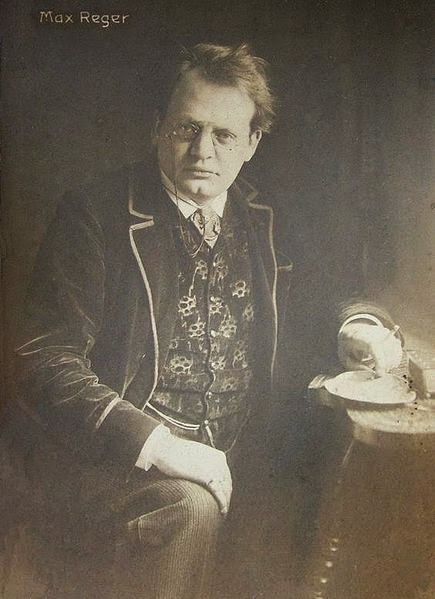
Max Reger - His Music and His Life

Image
The German Max Reger was born in Brand, Fichtelgebirge on March 19, 1873. Reger experienced an incredible career up to becoming Court Conducter in Meiningen/Germany. The daily contact with a proficient orchestra trained Reger's sense, mind and meaning for colorful instrumentation. As piano virtuoso, Reger sent his listeners into raptures because of a wonderful fine and delicate finger touch.  In my opinion Reger is the most unterrated piano composer ever. "Varations and Fugue on a theme by Bach" is probably his most famous piano work. "Thinking in fugues" - that's why his organ compositions belong to German music treasures. But also his chamber music repertory remained as unsurpassable rich. Even being a devote Catholic, Reger enriched also other creeds with varied church and organ music works. Max Reger's lifestyle has been described as "full of deeply moral earnestness". He passed away in Leipzig on May 11, 1916.

Henry Purcell - His Music and His Life

Image
The British Henry Purcell was born 1659 in London. He became a Westminster Abbey organist, joined the Royal Orchestra and started as Royal Court Composer in 1683. Purcell's compositions showed "early English classic music's apex". He composed more then 50 drama plays - among them were Shakespeare's "Richard II", "Storm" or "A midnight's summer dream". The opera "Dido and Aeneas" (1689) was a simple casual job for a girls boarding school but became a real "great opera" with an overture in French style, a prologue and three acts. "Dido and Aeneas" was his summit and also the end of the so-called Early English Opera. His "King Arthur" (written in 1691) and "Fairy Queen" (written one year later) premiered only 1964 (!) in Germany. Purcell's composition work contains welcome songs, anthems, suites for strings and much more. Purcell passed away in London on Novembe...

The Best Conductor Insults

Image
They're refined and sensible on the podium, but these musicians are responsible for some pretty brutal put-downs. Uncover the greatest catty remarks and withering comments from some of the best musical minds in the world.  Next image Picture 1 of 10 Previous Image Next image Arturo Toscanini (C) ClassicFM 2014