Total Pageviews

Friday, March 20, 2026

Why Can’t Classical Music Look Ahead


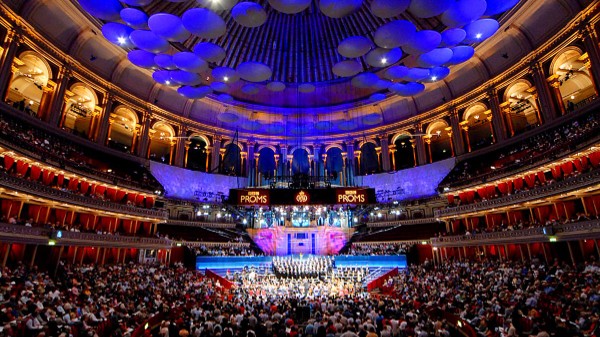
In the United Kingdom only, a quick skim through current musical programmes allows one to assess that most of the music performed in concert halls focuses on past composers. Surely, the amount of living composers has never been greater. Especially in the United Kingdom. Yet, all major events, such as the BBC Proms, focus on the past. The old sells. The last night of the Proms in 2025 will see Mussorgsky, Hummel, Gounod, Dukas and of course Britten and Elgar, and many others.

But it is not just in the United Kingdom, opera houses around the world often focus their seasons on a composer of choice, focusing on the catalogue and looking at less famous works. These are still the works of past composers. In 2025, it is Puccini and Handel who will take the frontline at the Paris Opéra.
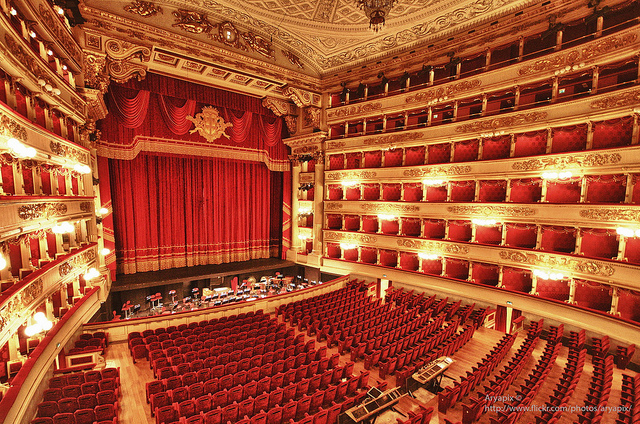
Opera house

© opera-diary.com

Out of all the currently living composers, very few are allowed the entrance to concert halls pre-mortem, it seems. They are, for most of them, only allowed in the smaller venues. And when they get the keys to the major houses, it is only after years of battling for a place with their ancestors.

However, this has not always been the case historically. Just like popular music today, classical music used to be focused on the new, on composers working towards getting commissions and progressing, on music that was being created in the moment.

Composers were not expected to live off the same material forever, but rather to come up with new and exciting music. The competition was tough too — each composer wanted to work for the finest patron, crown or church. The most important names, BachHandelMozartHaydnBeethoven, and so on, all performed like that.

As Western classical music grew out of Christianity, it was intended to accompany religious services, and coming up with new dedicated material was the daily expectation of the appointed composers. The repetition of the old was not advised either. Music was dedicated to God and a testament of dedication and discipline.
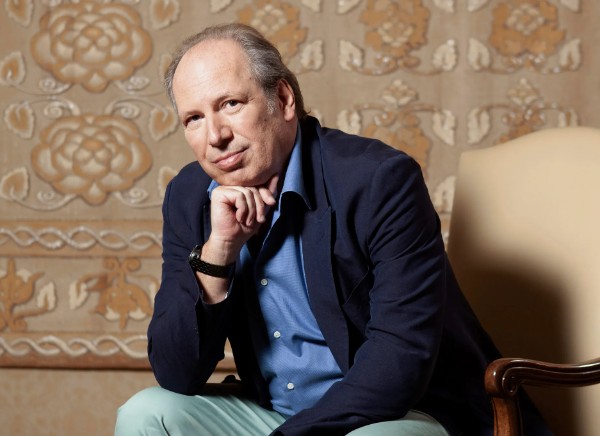
Hans Zimmer

Hans Zimmer

But then music, over the centuries and just like many things, became an industry… and entered the world of Hollywood. So much so that today some of the most successful composers are in fact film composers, such as Zimmer. The irony of it all is that now film music has entered the concert hall, and rather than taking up space in cinemas, it takes life in music venues. It is quite common to see listings of soundtracks being performed in their entirety, to the projected film, or not. What a three-hundred and sixty surprising twist; music for images, without the images.

Bach was not brought to the forefront before Mendelssohn exposed him again to the world, and most composers after their death would fall into oblivion. It was all about the new, until somehow, it shifted towards the old. Somehow, a fascination for the past, rather than the present, developed. But the promotion of old music in disfavour of new music is not a consequence of a lack of quality from existing composers. In fact, there are a plethora of immensely talented composers all over the world. Inventive, creative and curious musicians who perhaps deserve a better place in concert halls…

The Performing Teacher

grand piano in a concert hall

© auralize.com

I meet many piano teachers, at courses, workshops and masterclasses. It is always good to meet other piano teachers, to exchange ideas, and to enjoy a collective grumble about the exigencies of the job. Many of the teachers whom I meet are also performing musicians, professional or otherwise, and many regard performing as a necessary, indeed crucial, part of the job as a teacher.

I also meet many teachers who do not perform, for one reason or another. Some cite lack of time, others anxiety or lack of confidence. I actually met one teacher who claimed she was “too afraid” to perform for her students in case she made a mistake.

As teachers, performing is, in my opinion, a necessary part of the job, and we need to be able to guide and advise our students on how to present themselves in a “performance situation” (exam, festival, competition, audition), and to prepare them physically and emotionally for the experience. A whole new and different range of skills are required as a performer, and it is important to stress to students the difference between practicing and performing. We also need to be able to offer support for issues such as nerves and performance anxiety, and to offer coping strategies to counteract the negative thoughts and feelings that can arise from anxiety. How can you train others to perform if you have never done it yourself?

A successful performance demonstrates that you have practised correctly, deeply and thoughtfully, instead of simply note-bashing. Preparing music for performance teaches us how to complete a real task and to understand what is meant by “music making”. It encourages us to “play through”, glossing over errors rather than being thrown off course by them, and eradicates “stop-start” playing which prevents proper flow. You never really demonstrate your technique properly until you can demonstrate it in a performance. Performing also teaches us how to communicate a sense of the music, to “tell the story”, and to understand what the composer is trying to say. It adds to our credibility and artistic integrity as musicians. And if you haven’t performed a piece, how can you say it is truly “finished”?


I always perform in my student concerts, not to show off, but to demonstrate to my students (and their parents, who pay my bills!) that I can actually do it, that I too am continuing my piano studies by preparing repertoire for performance, and that I have managed my performance anxiety properly. I also feel that by performing with my students, we transform our concerts into a shared music-making experience. I hope that by hearing and watching me playing, my students can better grasp aspects of technique or interpretation we might have discussed in lessons, as well as enjoying the sheer pleasure of listening to piano music, and perhaps draw inspiration from it as well.

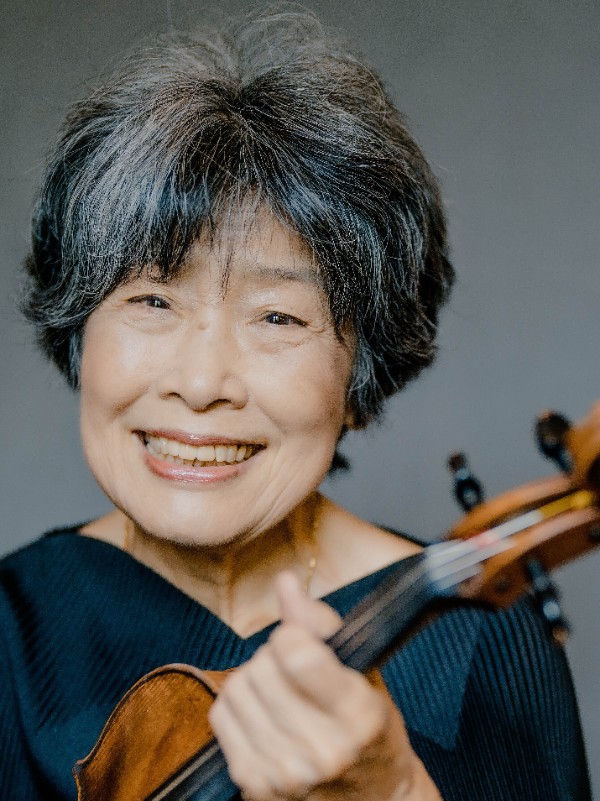
Nobuko Imai (Born on March 18, 1943) and the Hindemith Viola Sonatas Comparing the Greats

by Georg Predota  March 18th, 2026


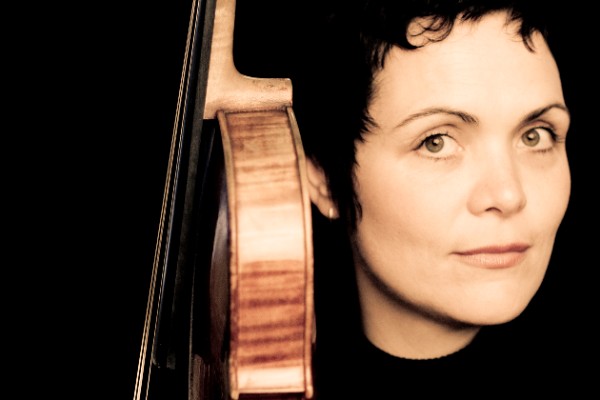
Imai was a member of the Vermeer String Quartet from 1974 to 1979, which she still considers one of her greatest triumphs. “Every single day taught me so much… as chamber music has always been closest to my heart.” (Stewart, Nobuko Imai, The Strad)

Nobuko Imai

Nobuko Imai © Marco Borggreve

Her playing is known for its technical precision and expressive depth. In addition, she is a dedicated advocate of 20th-century music, and this includes the works of Paul Hindemith. Her two Hindemith recordings for BIS from the early 1990s have been highly praised, and on the occasion of her birthday, let’s compare her interpretations with other notable recordings.   

The Perfect Balance

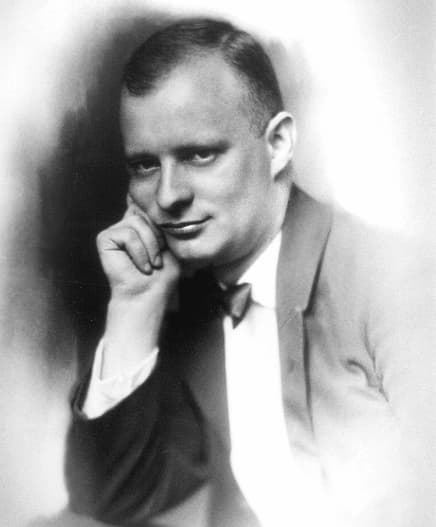
Paul Hindemith, 1923

Paul Hindemith, 1923

Paul Hindemith, himself a virtuoso violist, composed several sonatas for the instrument. These include three viola sonatas with piano accompaniment and four solo sonatas. These works exploit the rich and dark timbre of the instrument while placing considerable technical demands on the performers.

Critics and listeners alike praise Imai’s interpretations for their clarity and intellectual approach. Yet, despite Hindemith’s severe contrapuntal style and edgy corners, Imai is able to navigate the music with considerable warmth.

Her performance is perfectly controlled, while the sound quality stands up well, even compared to Hindemith’s own historical performances. These recordings strike the perfect balance between intellectual insight and tonal beauty.   

Painted Sound Worlds

One of the most important and influential modern account of the Hindemith viola sonatas was recorded by Kim Kashkashian on ECM between 1985-86. Described as one of only a few violists with an international solo career, she won a 2013 Grammy Award for Best Classical Instrumental Solo.

Her approach to the Hindemith sonatas is essentially introspective, as she consistently produces an exceptionally mellow and rich sound. Emotionally layered and atmospheric, Kashkashian makes the complex contrapuntal passages sound spontaneous.

The contrast to Nobuko Imai is striking, as they come from two entirely different aesthetic ideals. The almost painted sound world of Kashkashian is contrasted by Imai’s brighter tone. Kashkashian is particularly interested in the philosophical and emotional core of Hindemith’s music, while Imai focuses on structural clarity and raw energy.    

Legendary Theatricality

Ranked among the all-time greats, Yuri Bashmet’s collaboration with Sviatoslav Richter is frequently described as iconic in viola circles. Critics have praised it for its authority and partnership chemistry with Richter. Bashmet did not record the complete Hindemith sonatas, yet this commanding performance is legendary.

Bashmet’s interpretation is richly resonant, as he delivers a highly dramatic reading that focuses on structural power and dynamic extremes. Overtly expressive and forceful, Bashmet’s darker and more intense edge is capable of thunderous force and lyrical tenderness.

Compared with Imai’s rhythmic precision and forward drive, Bashmet adds greater emotional weight and theatricality. If Imai feels a bit more mechanical, it is because her approach is essentially aligned with Hindemith’s own no-nonsense approach.   

Narrative Sweep

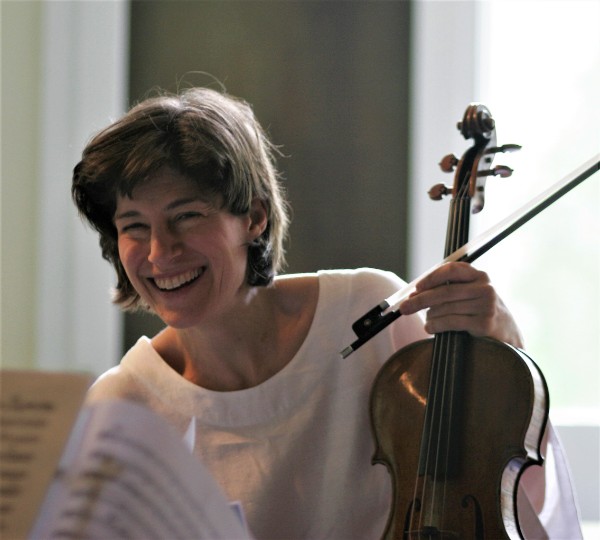
Tabea Zimmermann

Tabea Zimmermann © Marco Borggreve

Within the context of Hindemith’s viola sonatas, we need to mention Tabea Zimmermann. She has recorded the complete works with pianist Thomas Hoppe for the Myrios Classics label. These recordings approach the works in chronological order, tracing Hindemith’s development as a violist and composer.

These interpretations are hailed as modern benchmarks, with critics praising the “quality of rightness.” Zimmermann’s full tone is projected with impeccable execution, and her playing is said to rival historical accounts.

Nobuko Imai’s early 1990s BIS recordings of Hindemith’s viola sonatas are a valued contribution to the repertoire. There is a clear balance between energy and tonal beauty, attributes that have significantly influenced modern performers. Her composer-aligned approach resonates with the search for authenticity that is so highly valued in the 21st century.

Yunchan Lim (Born on March 20, 2004) Toxic Education Fever

 by 

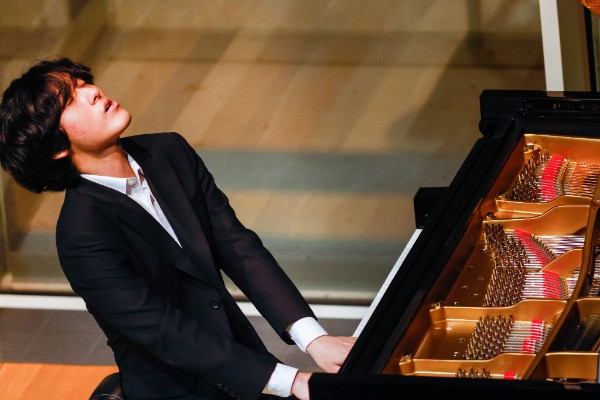
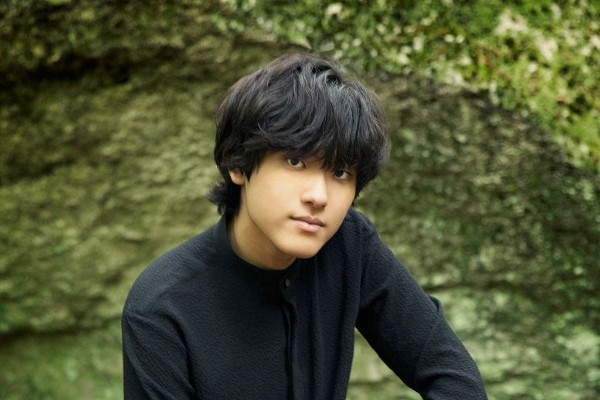
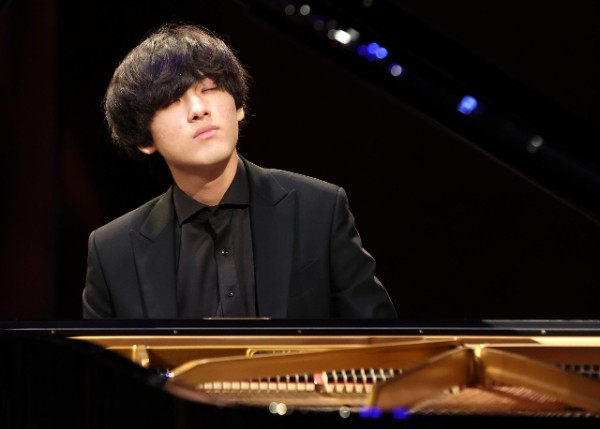
He is frequently described as a phenomenon, and Marin Alsop, who chaired the Cliburn jury and conducted his winning performance, described him as “a musician way beyond his years.” Certainly, Yunchan is shy and soft-spoken, and his monk-like devotion lends him a sense of wisdom and spiritual purity.

Yunchan Lim

Yunchan Lim

As we celebrate Yunchan Lim’s 22nd birthday on 20 March 2026, we might well ask a deeper question. Could these extraordinary qualities of a young man be the result of growing up in the intensely success-driven culture of his native South Korea?   

Candid Revelation

Yunchan Lim has recently drawn public attention not only for his playing, but also for the comments he made to an Italian newspaper. In an interview published in La Repubblica he disclosed that his teenage years in South Korea had been painful and suffocating.

Yunchan Lim

Yunchan Lim

As he explained, “South Korea is small and densely populated, so competition is fierce. Everyone wants to get ahead, and sometimes that means hurting others.” This intensely competitive culture caused deep distress during his youth.

He also recalled that when his talent began to attract attention at 17, “even politicians and business figures pressured me unnecessarily, which caused great sadness.” As such, he doesn’t miss living in his home country at all, but only returns when he has concerts there. (Jang, The Korea Biz Wire, 2025). 

Gwageo 2.0

For South Korea, the intense pressure to succeed is often called education fever. It’s not a new trend but originated in the 14th century in response to the Civil Service examination (gwageo) for which students had to compete.

“Through the forceful behaviours of their parents, siblings, teachers, and professors, the education system in South Korea has led students to cram in tons of information, and endure hours and hours of practising and tutoring.” (Bradfield, Stand, 2025)

Lim’s comments reflect the relentless academic and social pressures that young people are subjected to in the South Korean educational system. And while many excel in their studies, the vast majority are dealing with significant mental health problems like anxiety and record levels of depression.  

Rejecting the Noise

Yunchan Lim

Yunchan Lim

Lim started playing the piano at age seven, and he quickly became immersed in his musical studies. At the age of 13, at the Korean National Institute for the Gifted in Arts, Minsoo Sohn, a prize-winning pianist in his own right, became his teacher and mentor.

The guiding influence of Sohn was instrumental in turning the piano into a sanctuary amid the pressures of the hyper-competitive culture and the overwhelming media landscape of the internet age.

Sohn’s philosophy of teaching is based on introspection and authenticity, and when asked about his process with Lim, he explained that most lessons start with the question, “Is this what you really want?” Sohn merely “tries to listen carefully to what their hearts wish to speak, and filter all unnecessary expressions out, letting the students find their own voice.”

Time Traveller

Growing up in the internet age, where everything is everywhere all at once, Lim severely limits his use of social media, because he “believes it is corrosive to creativity, ” and he “wants to live as much as possible as his favourite composers did.” (NYT, 9 May, 2023)

It’s hardly surprising that Sohn calls his student a “time traveller,” because his immersion in music reminds him of someone living in the 18th or 19th century. In fact, Lim has often expressed his wish to live in the mountains and just play the piano.

“I can learn so much from composers of the past,” Lim said. “Back then, they didn’t have smartphones, YouTube or access to the internet. All they had were the scores. It would’ve given them a lot of time, time to contemplate music and find new things from the music. I think that’s why their music is so creative and so original.”

Beyond Rankings and Likes

Yunchan Lim has spent most of his life practising the piano and exploring music, which more recently includes jazz. He admires Art Tatum and Oscar Peterson, “I love to explore the way those two pianists played, their freedom of expression.” (Tilden, The Guardian, 2024)

In a press conference after the Cliburn competition, he said, “I made up my mind that I will live my life only for the sake of music, and I decided that I will give up everything for music.”

Lim has found in the piano an uncompromised space for inner peace. Imagining an ascetic lifestyle modelled after his favourite composers ultimately presents a deliberate refuge from the idea that self-worth is exclusively tied to achievement, status, and online followers.