
The Science Behind Classical Music and the Brain
Music, in general, has profound effects on the brain, but classical music is often credited with unique benefits. Studies show that listening to classical compositions can stimulate neural activity, enhance memory, and even aid in mental health treatment.
- Impact on Brain Waves Classical music has been shown to influence brain wave activity, particularly in promoting relaxation and focus. The human brain operates on different frequencies, such as:
- Beta waves (14-30 Hz): Associated with active thinking and problem-solving.
- Alpha waves (8-14 Hz): Linked to relaxation and a meditative state.
- Theta waves (4-8 Hz): Related to creativity and deep relaxation.
- Delta waves (0.5-4 Hz): Common during deep sleep.
- Classical music, especially compositions with slow tempos and harmonious structures, tends to encourage the production of alpha and theta waves. These states help with stress reduction, creativity, and overall mental clarity.
- Neurotransmitter Release and Emotional Regulation Listening to classical music can trigger the release of important neurotransmitters, such as:
- Dopamine: The “feel-good” chemical associated with pleasure and motivation.
- Serotonin: Linked to mood regulation and reduced anxiety.
- Oxytocin: Often called the “love hormone,” which fosters feelings of connection and trust.
- These biochemical responses explain why many people experience a sense of calm and happiness when listening to classical music.
Does Mozart and Bach Really Improve Mood and Intelligence?
The idea that listening to classical music, particularly Mozart, can enhance intelligence has been popularised through the term “The Mozart Effect.” This theory suggests that listening to Mozart’s compositions can temporarily boost cognitive abilities.
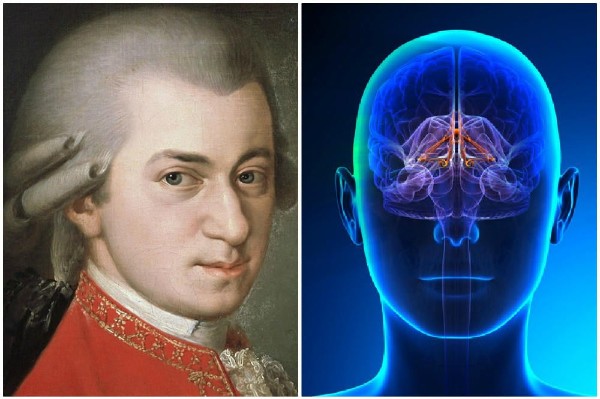
© learning-mind.com
- Origins of the Mozart Effect The concept gained traction in 1993 when a study conducted by Rauscher, Shaw, and Ky reported that students who listened to Mozart’s Sonata for Two Pianos in D Major performed better on spatial reasoning tasks. However, the effects were temporary and did not indicate a lasting increase in intelligence.
- Criticism and Further Research While the original study sparked public interest, later research found that the Mozart Effect is more about enhancing mood and focus rather than directly increasing IQ. Listening to enjoyable music, regardless of genre, has been linked to improved concentration and cognitive function.
- Why Bach and Mozart Are Special Despite the controversy, composers like Bach and Mozart are known for their structured, harmonious compositions, which have a soothing and stimulating effect on the brain. Their music is often used in therapy sessions, workplaces, and schools to improve focus, creativity, and relaxation.
Scientific Studies on Classical Music’s Benefits
Research has continually reinforced the positive effects of classical music on mental and physical well-being. Some notable findings include:
- Stress and Anxiety Reduction
- A study published in Psychoneuroendocrinology found that classical music significantly lowers cortisol levels (the stress hormone), helping individuals relax and cope with anxiety.
- Another study demonstrated that patients who listened to classical music before surgery experienced lower blood pressure and reduced preoperative anxiety.
- Improved Memory and Learning
- Research conducted by the Stanford University School of Medicine found that classical music helps the brain absorb and interpret new information more effectively. This is particularly useful for students and individuals engaging in complex learning tasks.
- Classical compositions with a moderate tempo can aid in memory retention, as they provide an ideal background for studying and problem-solving.
- Pain Management and Healing
- Hospitals have incorporated classical music into recovery programs, as studies suggest it can help reduce pain perception and enhance the healing process.
- Patients recovering from surgery have reported experiencing less discomfort when exposed to soothing classical pieces.
- Better Sleep Quality
- Classical music, particularly pieces with a slow tempo and minimal percussion, can help individuals fall asleep faster and achieve deeper sleep cycles.
- A study conducted by researchers at the University of Toronto found that listening to classical music before bed improved sleep patterns and overall sleep quality.
Why Does Classical Music Feel So Good?
There are multiple reasons why classical music has a uniquely positive effect on our emotions and mental state:

© hub.yamaha.com
- Predictable Structure and Harmony Classical compositions often follow well-defined structures that create a sense of balance and order. This predictability can be soothing to the brain, reducing mental fatigue and stress.
- Lack of Lyrics Unlike pop or rock music, classical music is predominantly instrumental. The absence of lyrics allows the brain to focus without distraction, making it an excellent aid for concentration and meditation.
- Richness in Sound and Complexity Classical music contains intricate harmonies and dynamic contrasts that engage different parts of the brain. This complexity can be mentally stimulating while simultaneously providing relaxation.
- Timeless Beauty and Emotional Depth From the gentle melodies of Chopin’s nocturnes to the grandeur of Beethoven’s symphonies, classical music evokes a wide range of emotions, providing listeners with deep emotional experiences and a sense of catharsis.
The Power of Classical Music in Everyday Life
Listening to classical music is more than just an auditory pleasure; it is a scientifically supported method for improving mental health, cognitive abilities, and emotional well-being. Whether you are seeking relaxation, focus, or inspiration, incorporating classical compositions into your daily routine can provide lasting benefits.
While the “Mozart Effect” may not permanently raise IQ levels, classical music remains one of the most effective tools for enhancing mood, reducing stress, and fostering mental clarity. The next time you need a boost in concentration or a moment of peace, consider turning on a piece by Mozart, Bach, or Beethoven—you may be surprised at just how much it transforms your state of mind.
 Around Martha Argerich’s 5th birthday, her mother placed her under the pianistic tutelage of Vicente Scaramuzza. Even though Mr. Scaramuzza was considered a sadistic fanatic, he gave her a superb technical grounding and laid the foundations for her unique cantabile style.


