Her recordings of Mozart’s piano sonatas balance imagination and spontaneity, while her Schubert interpretations are treasured for their poetic simplicity. If there is one recording, however, that is most closely identified with her artistry, it is surely the 1996 Deutsche Grammophon recording of the complete Chopin Nocturnes.
To celebrate her birthday on 23 July, let us return to this exceptional and award-winning recording, often regarded as one of the finest accounts of Chopin’s Nocturnes ever committed to disc.
Poetry Before Virtuosity
Distinguishing Chopin’s poetic voice from his virtuosity, Maria João Pires explained that, “Before everything else, Chopin is a poet. It’s very inner music and very deep. I don’t feel at all that it’s for show. Chopin is the deep poet of music. But he also invented this terrible thing called piano recitals. That made me suffer all my life.” (Judd, Poetry of Chopin, 2016)
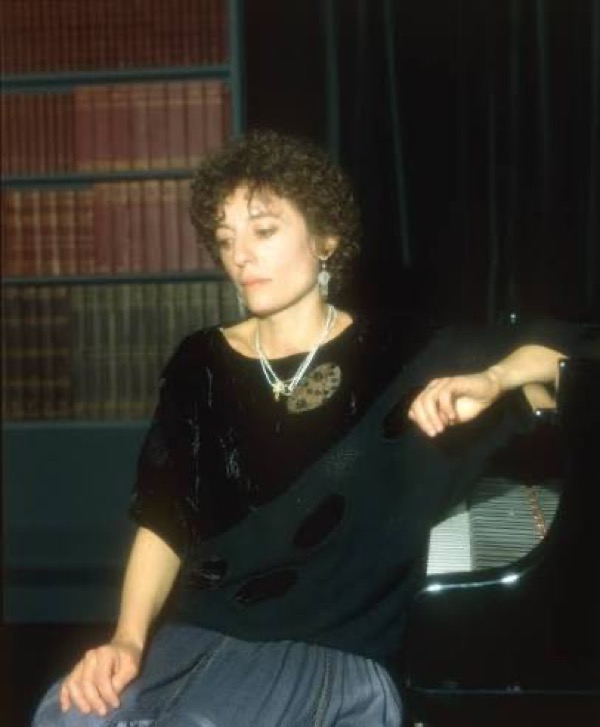
Maria João Pires
Pires, who has long felt uncomfortable with the performer-centred culture of the concert stage throughout her life, views Chopin’s music as an expression of profound inner emotions and intimate reflection.
Height of Artistic Maturity
Pires signed an exclusive contract with Deutsche Grammophon in the late 1980s. During the 1990s, DG increasingly presented her as one of its leading pianists, and the Chopin Nocturnes released in 1996 coincided with the height of her artistic maturity.
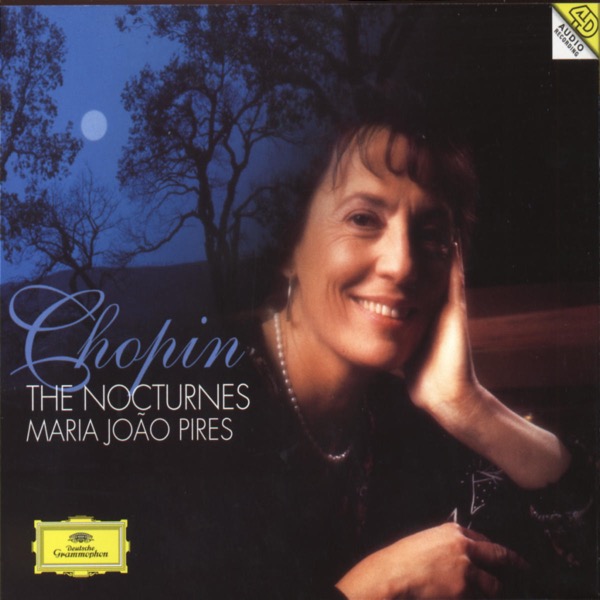
Maria João Pires, Chopin: The Nocturnes (Deutsche Grammophon)
Her interpretation is immediately recognisable for its vocal lyricism and natural rubato. Critics frequently remarked on her ability to sustain long melodic lines and to create an atmosphere of intimacy.
Beyond the Salon
The album was internationally commended, receiving the Record Academy Prize in Tokyo, the CD Compact Award in Barcelona, and the Grand Prix du Disque in 1997. In addition, it was nominated for a Grammy Award and was overwhelmingly admired by critics.
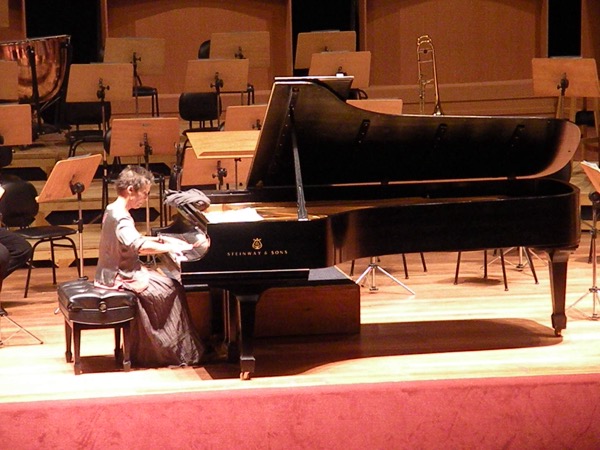
Maria João Pires
Bryce Morrison in Gramophone writes, “Passion rather than insouciance is Pires’ keynote.
Here is an intensity and drama that scorn all complacent salon or drawing-room expectations.
How she relishes Chopin’s central storms, creating a vivid and spectacular yet unhistrionic contrast with all surrounding serenity or embalmed darkness.” (Morrison, Gramophone Classical Music Guide, 2010)
Critical Responses
Morrison continues to describe her interpretation as reinforcing a sense of Chopin’s stature and creating a new range of possibilities. “Yet moving ahead, one has no hesitation in declaring Maria João Pires to be among the most eloquent master-musicians of our time.” (Morrison, Gramophone Classical Music Guide, 2010)

Maria João Pires (photo by Felix Broede / DG)
However, Pires also received extensive criticism from advocates of historically informed performance practice. By not returning to the manuscripts, she takes liberties with the dynamics and distorts phrases through fluctuating tempi.
Beauty Beyond Critique
Pires has also been criticised for mistaking passages which should be played strictly in time for recitative, and for unstylishly over-dramatising the musical text. Despite reservations about her interpretative choices, reviews suggest that Pires’ playing stood above much of the competition within the prevailing traditions of Chopin performance.
Three decades after its release, Pires’ recording remains a work of pianistic beauty. It offers sincerity and poetic insight, and an encounter with what she herself called Chopin’s “very inner music.”