by Emily E. Hogstad March 2nd, 2026
Using just three beats per bar, the waltz can suggest intimacy, seduction, nostalgia, aristocratic splendour, demonic frenzy, or even civilizational collapse.
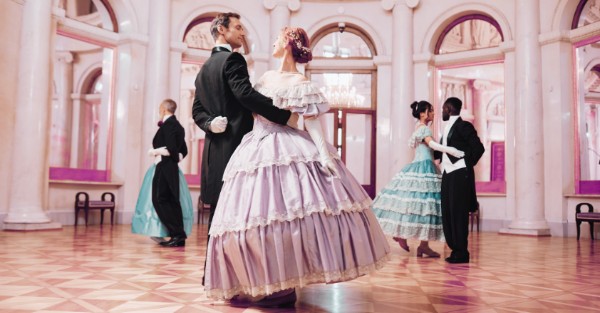
The following ten works trace the evolution of the waltz from Schubert’s salon to Ravel’s catastrophic whirl and beyond. Together, they show how composers transformed a simple dance into one of classical music’s most versatile and revealing genres.
Franz Schubert – Valses nobles, D. 969
Schubert wrote hundreds of dances – waltzes, Ländler, etc. – for domestic music-making in Vienna. But the Valses nobles, D. 969, written in the final year of his life, are something finer.
These aren’t ballroom miniatures; they’re personal statements. Harmonies turn unexpectedly inward; phrases stretch and sigh. Each is fleeting.
Their interiority and small scale make them an intriguing early evolution of the genre. They mark one of the first moments when the waltz became something to listen to, rather than something to dance.
Frédéric Chopin – Waltz in C-sharp minor, Op. 64, No. 2
Chopin rarely intended his waltzes for dancing; they’re more psychological studies disguised as salon music.
His Waltz in C-sharp minor, Op. 64 No. 2, alternates between elegant charm and darker introspection.
Its shifting moods and subtle rubato transform the triple meter into something fluid and conversational. At times, it gets sarcastic or even acerbic, due in part to its minor key and unstable middle section.
Franz Liszt – Mephisto Waltz No. 1
Liszt’s Mephisto Waltz No. 1 was not a waltz written for polite society.
Inspired by a scene from Nikolaus Lenau’s verse drama Faust, the Devil interrupts a village wedding and seduces the dancers into frenzy. The music is dazzling, demonic, virtuosic beyond reason.
Here, the waltz becomes temptation itself: it’s seductive, theatrical, dangerous.
Johann Strauss II – The Blue Danube, Op. 314
If one piece defines the Viennese waltz, it is The Blue Danube.
Over the course of his career, Strauss perfected the formula: a graceful introduction, a sequence of unforgettable melodies, and then a glowing coda.
The rhythmic lilt feels effortless, as though the orchestra itself is gliding. This is the traditional Viennese waltz at its most radiant: aristocratic, irresistible, and intoxicating.
Johannes Brahms – Waltz in A-flat major, Op. 39, No. 15
Brahms was a huge admirer of Strauss’s work, but his own waltzes are more private.
The A-flat major Waltz, Op. 39, No. 15, is brief and tender. Its warm harmonies and gentle phrasing feel nostalgic, or even autumnal.
Brahms distills the Viennese dance into something intimate and reflective. It’s a waltz meant for a quiet room, not a grand ballroom like Strauss’s.
Pyotr Ilyich Tchaikovsky – Waltz from Swan Lake
In Tchaikovsky’s hands, the waltz became a theatrical spectacle.
The Act I Waltz from his ballet Swan Lake is sweeping and luminous, filled with expansive melodies and rich orchestration.
It evokes aristocratic celebration, but Tchaikovsky’s gift for bittersweet harmonies also lends it an undercurrent of melancholy longing.
Claude Debussy – La plus que lente
By 1910, almost a century after the genre’s ascendance, some waltzes had become nostalgic, even ironic.
Debussy’s “La plus que lente” (“slower than slow”) is both affectionate and gently mocking. The harmonies drift, colours blur, and the musical gestures seem to sigh.
This is a waltz that is filtered through French aesthetics and weary Belle Epoque sophistication.
Maurice Ravel – La valse
Ravel’s La valse begins in a murky haze. Gradually, fragments of rhythm emerge from darkness, eventually coalescing into a glittering Viennese dance.
But then the elegance grows distorted. The orchestration becomes violent, grotesque, even unhinged.
Ravel always claimed that La valse wasn’t meant to be a portrait of the collapse of Europe after World War I. But it still feels like an autopsy of the collapse: the waltz falling victim to its own sophistication and grandeur.
Sergei Prokofiev – Waltz from Cinderella
After Ravel’s shattering waltz, Prokofiev restores glamour to it – but with a similar edge.
The grand waltz from his ballet Cinderella is lush yet harmonically angular. The melodies shimmer, but the harmonies and rhythms here carry a modern bite.
This is fairy-tale elegance viewed through the darker, more jaded lens of the turbulent 20th century.
Dmitri Shostakovich – Waltz No. 2 (Suite for Variety Orchestra)
By mid-century, the waltz had become a vehicle for irony as much as elegance.
Shostakovich’s Waltz No. 2 sounds charming at first, almost kitschy. But the sweetness is slightly exaggerated, the orchestration a touch garish. There’s something theatrical and faintly tragic beneath the surface.
This waltz music is smiling through clenched teeth.
Conclusion
From Schubert’s Viennese miniatures to Shostakovich’s Soviet irony, the waltz has proved remarkably adaptable.
It can whisper or seduce. It can glitter. It can burn the ballroom to the ground…all in ¾ time.
If you had to choose a favourite, which waltz would it be?


No comments:
Post a Comment