Showing posts with label Edvard Grieg’s Greatest Hits - 10 Most Beloved Compositions. Show all posts

Friday, October 23, 2026

Quiet Classical Music for Winter Hygge Listening

by Emily E. Hogstad  October 20th, 2026


Winter listening sometimes calls for a different kind of classical music.

During this time of year, many listeners gravitate toward pieces that are quiet and emotionally contained: music that can exist comfortably alongside candlelight, reading, or reflection.

The Danes and Norwegians have a term for the feeling: hygge, a cosy, contented mood associated with comfort, warmth, and quiet conviviality.

Scandinavian composers have long excelled at expressing hygge-related moods. Shaped by dark winters, a strong tradition of domestic music-making, and cultural attitudes that value restraint over excess, many Nordic composers wrote works ideally suited to the season.

Today we’re looking at eight works of classical music by Scandinavian composers that fit winter and the hygge aesthetic. Together, they make a playlist of quiet classical music perfect for cosy winter evenings by the fire.

Hygge Winter Music Playlist

Edvard Grieg (1843–1907) is remembered as Norway’s most famous composer.

Although he is probably best remembered for larger-scale works like his piano concerto and his Peer Gynt Suite, he also poured his heart into composing small-scale, hygge-friendly music.

His Lyric Pieces for solo piano, written in multiple books over decades, function almost like a musical diary.

The “Arietta,” the first piece of the Op. 12 set, is disarmingly simple – a few lovely, hushed, plaintive phrases that seem to circle themselves.

His “Notturno,” composed much later, employs richer harmonies but comes across as equally restrained.

Together, these works reflect Grieg’s lifelong love of music meant to be played at home, especially during long winters.

Carl Nielsen – “A Little Slow Waltz” from Humoresque-Bagatelles, Op. 11, No. 3
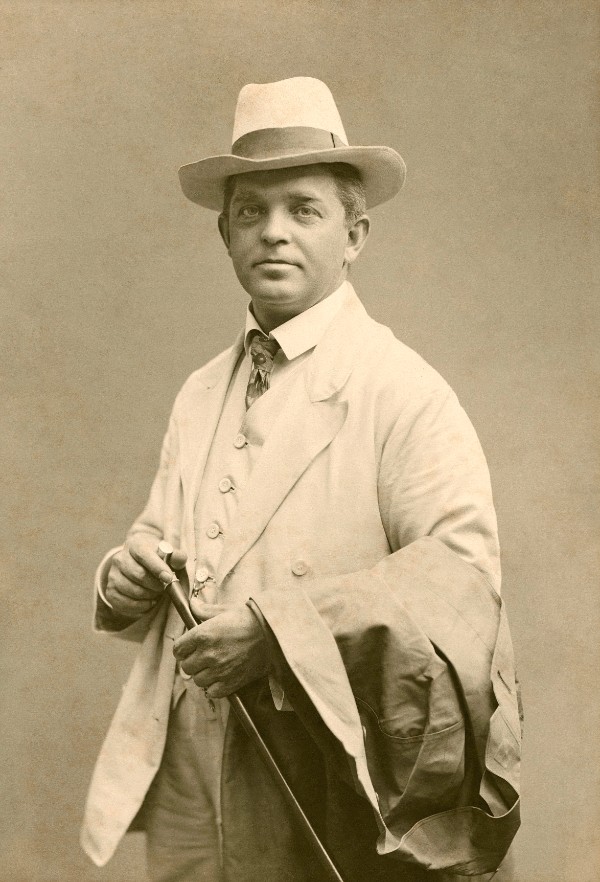
Georg Lindstrøm: Carl Nielsen carte de visite, ca 1908

Georg Lindstrøm: Carl Nielsen carte de visite, ca 1908


Carl Nielsen (1865–1931) is best known for his symphonies and their muscular energy, but his smaller piano works reveal a very different side of his personality.

In the 1890s, as he established himself as a leading Danish modernist, he also wrote his Humoresque-Bagatelles, a collection of simple, child-friendly piano pieces.

Born into a peasant family of passionate folk musicians, Nielsen always appreciated informal, small-scale musical performances held at home.

“A Little Slow Waltz” from the Humoresque-Bagatelles feels informal and conversational, like a piano waltz played at home on a winter afternoon.

Agathe Backer-Grøndahl – Norske folkeviser og folkedanse, Op. 30, No. 1
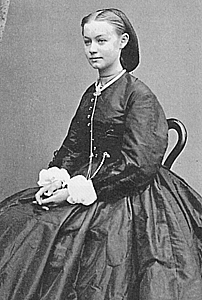
Agathe Backer Grøndahl, c. 1870

Agathe Backer Grøndahl, c. 1870


Norwegian pianist and composer Agathe Backer-Grøndahl (1847–1907) was a near contemporary of Edvard Grieg.

Like him, she enjoyed an international reputation and pursued a passion for integrating Norwegian folksong into her compositions. However, unlike him, she had to balance her career with pregnancy and motherhood – constraints that contributed to her unfair obscurity today.

The first movement of this piano suite – whose title can be translated as “Norwegian folk songs and folk dances” – is a quiet, proud, even poignant celebration of Norwegian folksong.

Jean Sibelius – “Nocturne” from Belshazzar’s Feast Suite, Op. 51
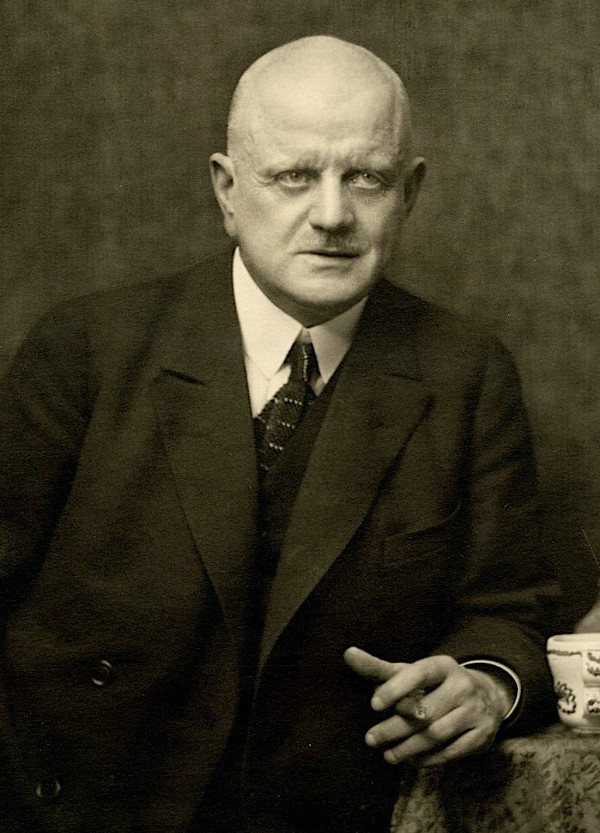
Jean Sibelius, 1923

Jean Sibelius, 1923

Much of the music of Finnish composer Jean Sibelius (1865–1957) is defined by its sense of stillness. He spent much of his career composing in his isolated country home in the snowy fields and forests outside of Helsinki.

The Nocturne from his incidental music Belshazzar’s Feast Suite is orchestral, but its emotional scale is surprisingly intimate. Rather than advancing any narrative, it creates a stunning pause and sense of suspension with its muted colours and wintry flute solo.

Elfrida Andrée – Yuletide ReverieElfrida Andrée (1841–1929) led a life of public firsts: Sweden’s first female cathedral organist, a tireless advocate for women’s rights, and a prolific composer across genres.

Given her public achievements, one might expect her music to be larger than life, and it could be, but she also excelled at writing introverted and introspective music.

Her solo piano piece “Yuletide Reverie” sidesteps overt festivity. Instead, it offers a sense of nostalgia and quiet contemplation of the season: perfect for cosy hygge nights.

Ida Moberg – “Stillness” from Sunrise Orchestral Suite
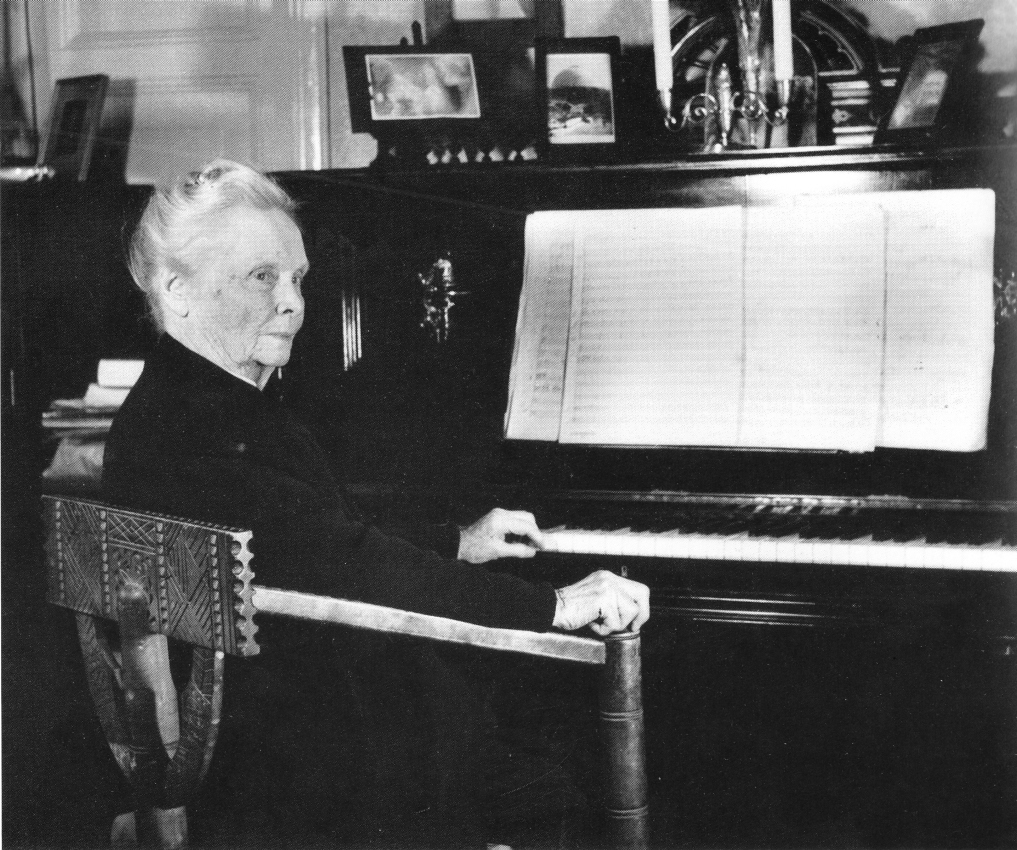
Ida Moberg

Ida Moberg

Finnish composer Ida Moberg (1859–1947) built a career largely outside the musical mainstream.

The daughter of an instrument maker, she began her career as a singer. After a vocal injury, she transitioned to piano, conducting, and composition. She even studied under Jean Sibelius in the 1890s.

Although she never secured a foothold as a professional composer and relied on teaching to support herself, she continued composing throughout her life.

“Stillness,” from her Sunrise Orchestral Suite (1909), is remarkable for its breathtaking restraint. It is scored solely for strings, giving it a hushed, gossamer quality.

Despite the forces involved, the music remains remarkably delicate. It is perfect listening for any cosy winter evening.

Wilhelm Stenhammar – Two Sentimental Romances for Violin, Op. 28, No. 1
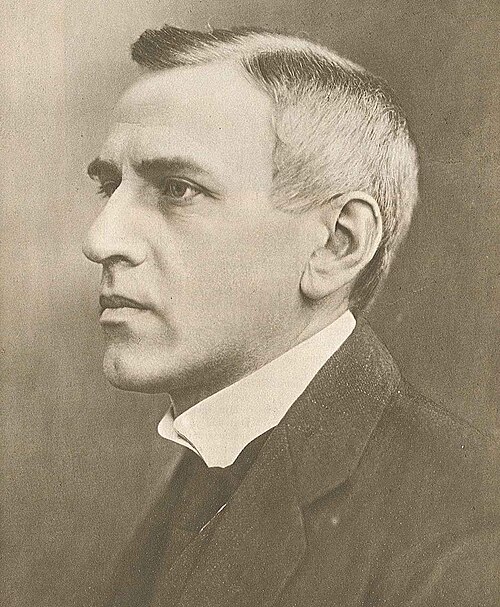
Wilhelm Stenhammar, c. 1916

Wilhelm Stenhammar, c. 1916


Swedish composer Wilhelm Stenhammar (1871–1927) was one of Sweden’s most important pianists during his lifetime. He also conducted and composed and was deeply inspired by Sibelius.

Between 1906 and 1922, he led the Gothenburg Symphony Orchestra, where he championed and premiered important new works by Scandinavian composers. The orchestra is still active today.

The first of his two Sentimental Romances is tender without ever – despite its name – coming close to indulgence, unfolding gently at an unhurried pace. It is lovely and nostalgic music, perfect for an introvert’s winter playlist.

Conclusion

For listeners seeking classical music that feels comforting without ever becoming background noise, these eight quiet works by Scandinavian composers offer a compelling starting point.

They are the perfect soundtrack for evenings spent under a blanket beside a gently crackling fire, written by men and women who were all experts at making the most of the season.

Together, they demonstrate a Scandinavian approach to quiet classical music, emphasising modest forms and emotional restraint over flash and spectacle.

For more of the best in classical music, sign up for our E-Newsletter

Sunday, June 22, 2025

Edvard Grieg’s Greatest Hits - 10 Most Beloved Compositions

by Hermione Lai

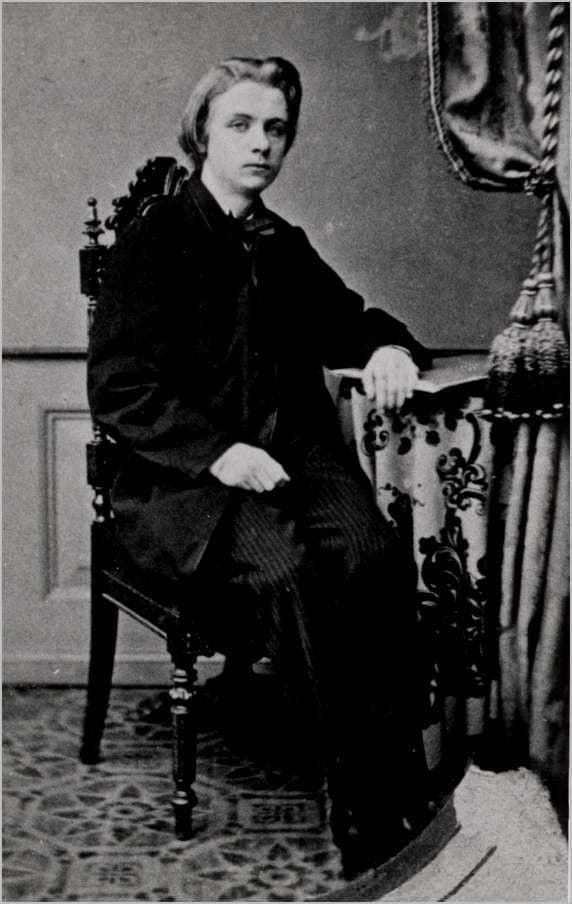
Edvard Grieg, 1858

Edvard Grieg, 1858

From the foot-stomping fun of Peer Gynt to the soulful sighs of his Lyric Pieces, we have rounded up the 10 most beloved compositions that will make you yodel in a meadow or waltz with a troll.

If you are ready for a Nordic musical adventure, let’s jump straight in and explore the quirky and catchy genius of Grieg’s greatest hits!

Peer Gynt Suite 

It’s only fitting that we start with one of the Peer Gynt Suites. Grieg submerges us into the wild and whimsical world of Henrik Ibsen’s play through his vibrant orchestral music. Composed in 1875, and he did write 2 different suites, Grieg captures the adventurous spirit of the roguish “Peer Gynt.”

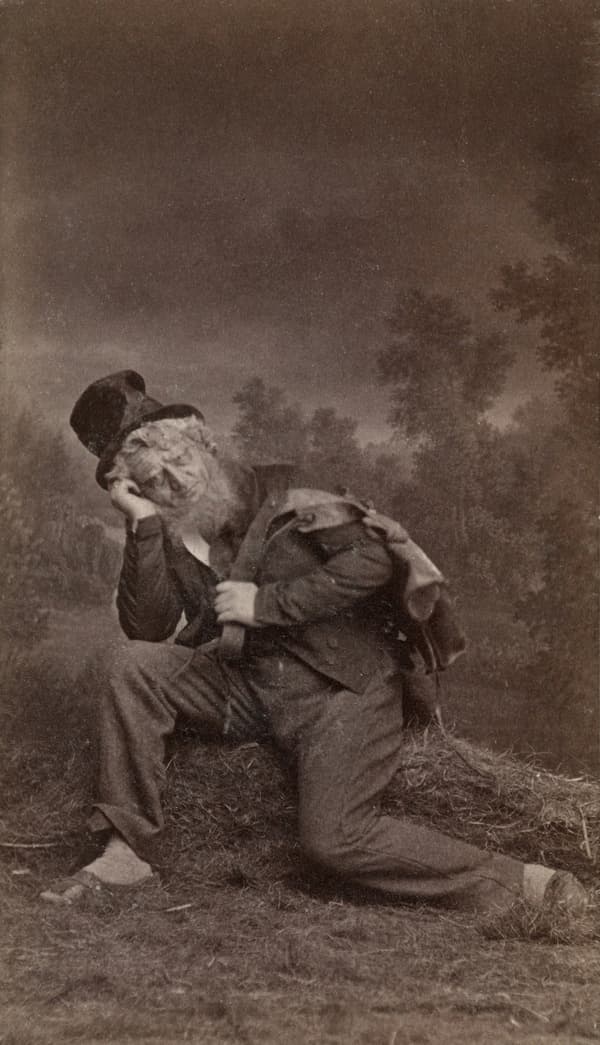
Henrik Klausen as Peer Gynt at Christiania Theater

Henrik Klausen as Peer Gynt at Christiania Theater

You surely know such iconic pieces as “Morning Mood,” which paints a serene sunrise, or “In the Hall of the Mountain King,” a thrilling, mischievous romp. Infused with Norwegian folk melodies, these suites are among Grieg’s most beloved works, bursting with drama and charm.

These suites are like a musical Netflix series, each movement a new episode packed with thrills and chills. Whether you’re a classical newbie or a seasoned listener, Peer Gynt is Grieg at his storytelling best.

Piano Concerto in A minor, Op. 16 

Edvard Grieg cooked up his piano concerto in 1868. This piece is a wild ride, almost like a Nordic roller-coaster that starts with a thundering drumroll and the piano diving in like a Viking raid.

The first movement struts a catchy melody, and Grieg blends stormy passion with moments so tender you’ll want to hug a pine tree.

But the epic doesn’t stop there, with the second movement sounding like a cosy fireside chat, and the third with a dance so lively, you’ll swear you’re at a Scandinavian hoedown. No wonder it’s one of the most famous piano concertos ever.

Holberg Suite 

The Holberg Suite is a snappy little number from 1884, that’s basically a love letter to the 18th century, but with a Norwegian twist. Grieg wrote it to celebrate the 200th birthday of Ludvig Holberg, a Danish-Norwegian writer who was like the Shakespeare of Scandinavia.

Originally written for piano, Grieg jazzed it up with strings, giving us five movements that prance around like a Baroque dance party. And the opening “Praeludium” is like a caffeinated squirrel sprinting through a fjord.

The good times keep on rolling with movements like the Sarabande, a Gavotte, and a slow Air, ending with a foot-stomping Rigaudon. Grieg was a genius by taking old-school Baroque vibes and spiking them with his Nordic charm.

Lyric Pieces 

Did you know that Grieg wrote 66 short piano works that are like musical selfies of the Norwegian psyche? Each piece paints a mood, with some dreamy, some cheeky, and some vivid like a troll dodging through the forest.

These pieces are Grieg at his most playful, wrapping Nordic folklore, nature, and heart-tugging emotion into mini masterpieces. Whether you’re a beginning pianist or just an appreciative listener, the Lyric Pieces are like a box of musical chocolates.

Every single one is a sweet surprise, and trust me, you’ll want to savour them all.

Cello Sonata in A minor, Op. 36 

The Grieg Cello Sonata is a masterpiece that’s like a musical bear hug between a cello and a piano. It sounds like Grieg channelled all his passion into this piece, which was actually written for his buddy, the cellist Wilhelm Sinding.

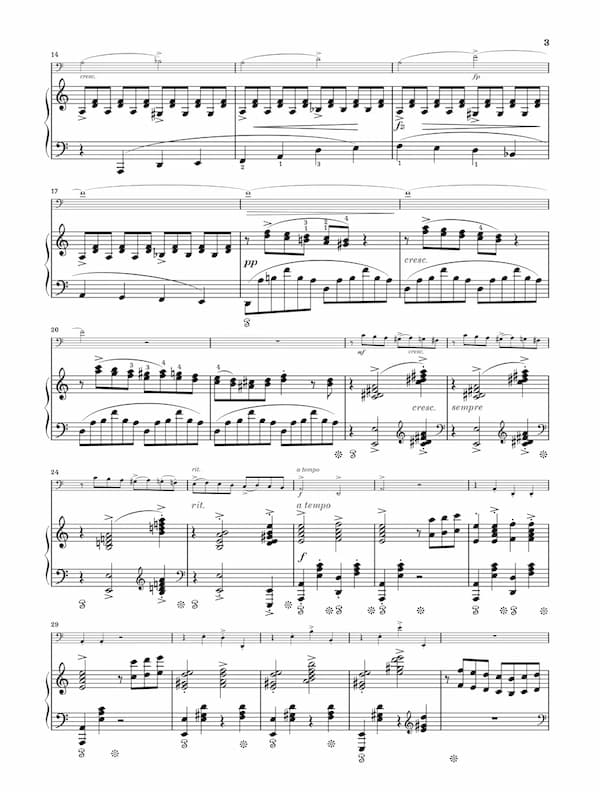
Edvard Grieg's Cello Sonata music score

Edvard Grieg’s Cello Sonata

It’s got three movements of pure drama, starting like a Viking longship hitting choppy waters. It’s big and bold with the cello telling a saga of lost love. This is Grieg at his most cinematic, basically composing the soundtrack for a romantic comedy.

The second movement sounds like a cosy fireside chat, and the third crashes in like a Nordic festival. The cello and piano chase each other like kids playing tag in the meadow. This sonata is a rollercoaster that will make you laugh, cry, and maybe even yodel along.

String Quartet No. 1 in G minor, Op. 27 

In his first string quartet, Grieg packs an entire Norwegian fjord into four string instruments. It basically sounds like a soap opera for two violins, viola, and cello. The opening movement is highly dramatic, intense, and passionate. It’s full of Grieg’s signature folk-inspired melodies, like a fiddling elf sitting on your shoulder.

Then we find a dreamy and heart-tugging waltz, with strings swaying under the northern lights and whispering sweet nothings to each other. The cheeky little intermezzo sounds like a goat going to a barn dance, and the concluding movement will leave you breathless.

This string quartet shows Grieg at his most adventurous, blending raw emotion with a folky flair, like a musical stew. It’s rich, bold, and totally unforgettable.

Violin Sonata No. 3 in C minor, Op. 45 

Here comes another romantic comedy for violin and piano written by Grieg in 1887. His 3rd violin sonata is a masterpiece, a delightful Viking saga with plenty of cheeky charm. It opens with a fiery thunderstorm, the violin belting out a stormy tune and the piano tossing in sparkly chords.

If the opening movement sounds like a Nordic epic, the second will melt your heart. Grieg exchanges his Viking helmet for the beret of a poet. The violin sings a tender lullaby, and the piano sprinkles in delicate notes like fireflies on a summer night.

But don’t get too comfy as the final movement bursts in like a barn dance on caffeine. It’s a Norwegian hoedown for sure, with plenty of foot-tapping energy and a triumphant finish. It’s perfect for classical music fans or anyone ready to fall in love with a fiddle-fuelled adventure.

Haugtussa, Op. 67 (The Mountain Maid) 

Grieg’s song cycle Haugtussa, based on poems by Arne Garborg, is like a musical fairy tale. It’s all about a clairvoyant shepherdess named Veslemøy, and in eight songs, Grieg is channelling his inner Nordic mystic into music.

Surrounded by goats and fjords, the dreamy farm girl imagines herself in a magical forest. However, things get juicy, as she falls in love with a hunky farm boy. Sadly, the boy is not really interested, and Veslemøy casts a musical hex.

Grieg’s genius is blending haunting Nordic vibes with catchy folk tunes, making Haugtussa feel like a campfire story told by a bard who’s had too much to drink. This cycle is a quirky emotional ride and ends with the maid finally finding solace in nature.

Ballade in G minor, Op. 24 

Composed in 1874-5, the Ballade in G minor is a deeply personal set of variations on a Norwegian folk tune. Don’t be fooled, however, as this is no simple campfire ditty, with the theme rolling in all sombre and brooding.

Grieg then spins the melody into a rollercoaster of moods, from stormy tantrums to twinkly moments that feel like sunlight bouncing off a glacier. As the Ballade rolls on, Grieg flexes his compositional muscle, tossing in variations that range from angry to dreamy.

Written during a tough time in Grieg’s life, as his parents had just passed away, this piece feels like a musical diary. It feels raw and heartfelt, but in the end, it comes to a triumphant if bittersweet conclusion. It certainly is an emotional and wild ride that proves that Grieg could turn a single tune into a complete story.

Four Psalms, Op. 74

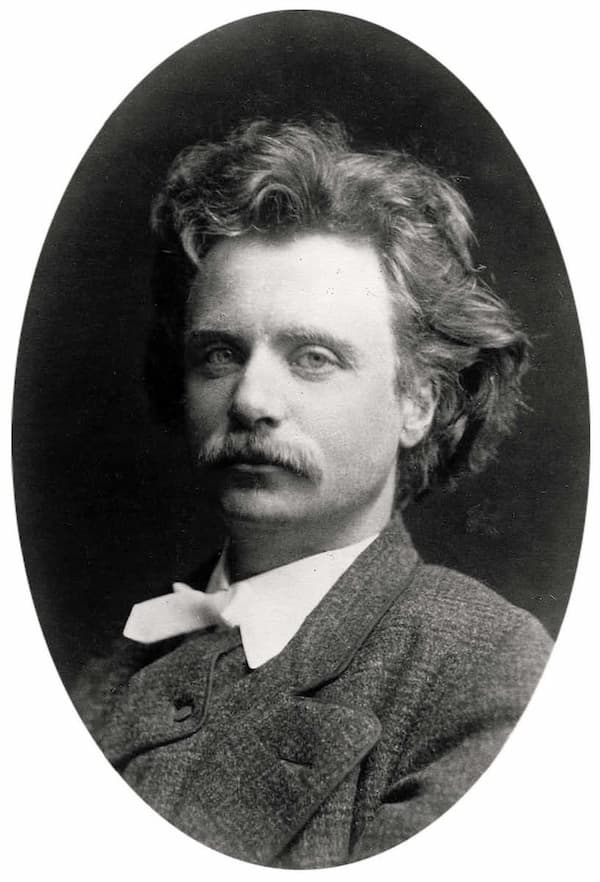
Edvard Grieg

Edvard Grieg


Written for mixed choir, Grieg composed his Four Psalms in 1906; they would be his final works. Based on Norwegian hymn tunes, these serene and spiritual pieces radiate simplicity and warmth, with lush harmonies reflecting Grieg’s deep connection to his faith and heritage.

Each psalm has its own flavour and its own personal devotion. With soaring melodies, Grieg dials up the drama, with the set wrapping up with a serene glow, like a lullaby to the stars. These beautiful pieces are raw and heartfelt, blending folk roots with spiritual depth.

It’s a quiet farewell, offering a moving glimpse into the composer’s contemplative side. He captures the essence of each work while keeping the tone approachable and engaging.

Bonus Track: Norwegian Dances, Op. 35 

It’s time to wrap up this little feature on the 10 most beloved compositions of Edvard Grieg by featuring his Norwegian Dances, Op. 35. Originally written for piano four-hands, they are a set of four foot-stompers that make you want to grab a partner and twirl through a fjord.

Each dance is a mini-adventure, packed with rustic charm and cheeky energy. They range from flirty waltzes at a village fair to full how-downs, like you’re galloping along like a herd of reindeer on a sugar rush. These Norwegian Dances are a rollicking romp, and you’ll want to two-step around your living room very soon.

Edvard Grieg’s ten most beloved compositions, from the whimsical charm of Peer Gynt to the heartfelt lyricism of his Lyric Pieces, continue to captivate listeners with their vibrant Norwegian spirit and timeless emotional depth. These works not only celebrate his genius but also invite us all to dance, dream, and wander through the enchanting landscapes of his musical imagination.