Showing posts with label Classics with Klaus Döring Muzio Clementi. Show all posts

Friday, September 4, 2026

An Italian: Tragedy Giuseppe Verdi and Margherita Barezzi

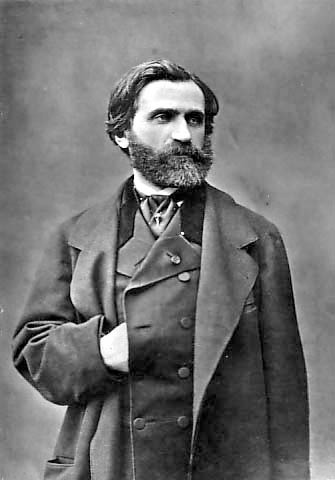
Giuseppe Verdi

Giuseppe Verdi

Giuseppe Verdi was a painfully private individual. Details about his romantic encounters are sketchy, and for the most part rely on his own and somewhat inconsistent recollections later in life. We do know, however, that Verdi went to live in the house of the grocer and wine merchant Antonio Barezzi in 1831. Barezzi was the president of the Philharmonic Society in Busseto, and many of its performances and rehearsals were held in a large room in his house. He was also the proud father of three daughters. The eldest, Margherita was only five months younger than Verdi and said to be pretty, gentle and fond of music. Encouraged by her father, Margherita took voice and piano lessons from the young maestro Verdi, and soon the romantic sparks started to fly. For over a year, the young lovers managed to keep their relationship a secret, but all that four-hand piano practice eventually aroused the suspicions of Margherita’s parents. Margherita was, after all, approaching marriageable age and the presence of a penniless musician might easily have compromised her reputation. Although Mummy and Daddy did not fundamentally object to the relationship, a solution had to be found nevertheless.

And so it came to pass that Daddy Barezzi financed Verdi’s first year of study in the far-away city of Milan. Promising to pay back the parental scholarship and to marry his “Ghita” once he had secured a job, Verdi sets off in July 1832. Besides providing an exciting musical and artistic environment, the big city also held attractions of a different nature. Verdi lodged with Professor Giuseppe Seletti and his absolutely stunning daughter Dorina. Seletti would complain bitterly to Barezzi about Verdi’s behavior. “You must understand that being a good musician does not make him an honest man. I found him rude, proud, and acting like a scoundrel in my house. I cannot tell you how much damage he has done to my family, because it is too indecent to write about.”

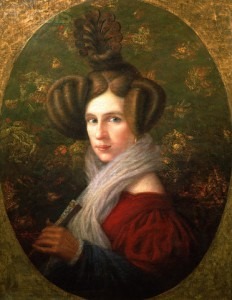
Margherita Barezzi

Margherita Barezzi

Once Verdi returned to Busetto in 1833, he took Dorina with him. It is hard to tell how Margherita reacted — Daddy Barezzi would have been suitably embarrassed — but the local clergy was outraged. When Verdi applied for the job as the town’s “maestro di musica,” a rival candidate was quickly nominated, leading to an extended and heated town quarrel, which included street brawls, arrests and prosecutions. The matter was finally settled in 1835 — by then Dorina had gracefully exited stage right — and Verdi received the official town contract on 20 April 1836. Having finally secured a proper job, Verdi wasted no time and married Margherita on 4 May 1836 in the Church of the Holy Trinity in Busseto. After a lavish lunch, the couple departed for a short honeymoon to Milan, and subsequently returned to settle in the Palazzo Tedaldi. Margherita was not merely a highly attractive woman she also was a decisive advocate of her husband’s career. By September 1836 Margherita was expecting, and Virginia Maria Luigia — the middle names chosen in reference to her two grandmothers — was born on 26 March 1837. Although happy in his family life, Verdi was determined to make his name in Milan. Margherita wrote, “Never, absolutely never, would he [Verdi] settle in Busetto. Having dedicated himself to theatre music, he would succeed in that and not in music for the church.”  

In 1838, Verdi publishes his first book of Sei Romanze (Six Romances), and his son Icilio Romano Carlo Antonio is born on 11 July. In August of that year, tragedy struck and little Virginia died of an unnamed childhood disease. Now more than ever, Verdi was determined to leave Busetto and he left for Milan with the manuscript score of Oberto in his back bag. Margherita and his young son soon followed. During rehearsals for Oberto, Icilio Romano unexpectedly fell ill and despite immediate medical intervention suddenly died on 22 October 1839. Verdi was devastated and soon lay ill himself for several weeks. Once he had recovered in May 1840, it was Margherita’s turn. According to medical opinion, she had contracted encephalitis and instead of getting better she was getting worse. Verdi sent for his father-in-law who barely managed to arrive hours before his daughter died aged 27. “From a dreadful disease, in the arms of her father, my beloved daughter, Margheretha, in the very flower of her youth. She was a faithful companion of the excellent young man, Giuseppe Verdi. I weep over this tragic loss.” And Giuseppe later recalled, “A third coffin goes out of my house. I was alone! Alone!”

Seven of the Most Expensive Pianos Ever Made

 by Emily E. Hogstad  September 4th, 2026


The most expensive pianos in the world include instruments commissioned for billionaires, built for charity, and used to compose some of the most beloved songs ever written. One hid secret documents in a classic film; another toured sites of American tragedy as a symbol of peace.

Today we’re looking at the stories behind seven of the most expensive pianos ever made, going from least expensive to most expensive.

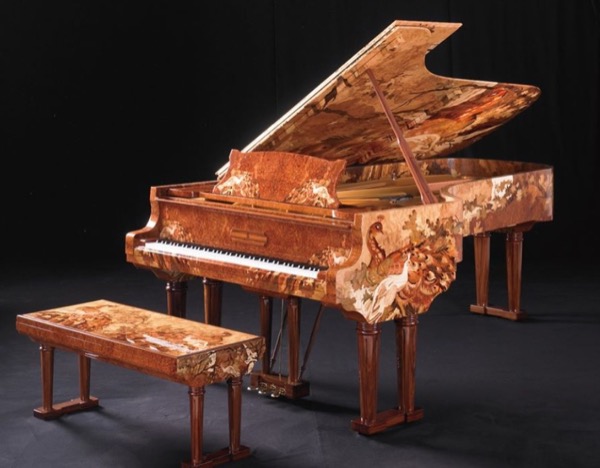
$1.6 million – Steinway & Sons Sound of Harmony Piano

Steinway Sound of Harmony

Steinway Sound of Harmony

In 2008, Steinway announced that it had built its most expensive piano to date.

It was commissioned for Chinese art curator Guo Qingxiang. Guo’s job is to buy, sell, and collect high-end artwork for the Dalian Wanda Group, a multinational conglomerate based in Beijing.

Guo began his career focused solely on Chinese art, but has since expanded into buying Western art.

One of the pieces Guo commissioned was a custom Steinway, featuring inlays consisting of forty different types of wood.

The lid features reproductions of art by Chinese painter Shi Qi.

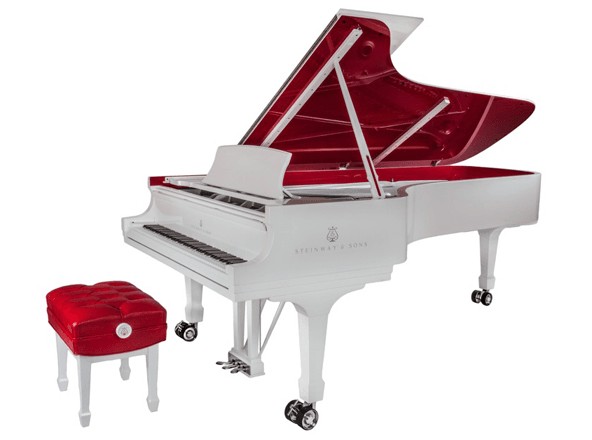
$1.9 million – The Steinway & Sons (RED) Piano

Steinway & Sons Red Pops for Red Parlor Grand

Steinway & Sons Red Pops for Red Parlor Grand © Houston Piano

Most of the pianos on this list were custom-made for the luxury market, but this particular instrument was built for charity.

In 2006, musician Bono from the band U2 and Bobby Shriver of the Kennedy family teamed up to found an organisation called (RED).

The organisation encouraged companies to launch red products to symbolise both love and AIDS awareness.

In 2013, Sotheby’s hosted a charity auction spearheaded by designers Sir Jonathan Ive and Marc Newson, with proceeds benefiting AIDS research.

(RED): The Very Best of Design and Innovation   

At the 2013 edition of the auction, Bono and Coldplay’s Chris Martin performed on a Steinway at the auction before it sold for nearly $2 million.

The proceeds went to The Global Fund to Fight AIDS, Tuberculosis and Malaria in Africa.

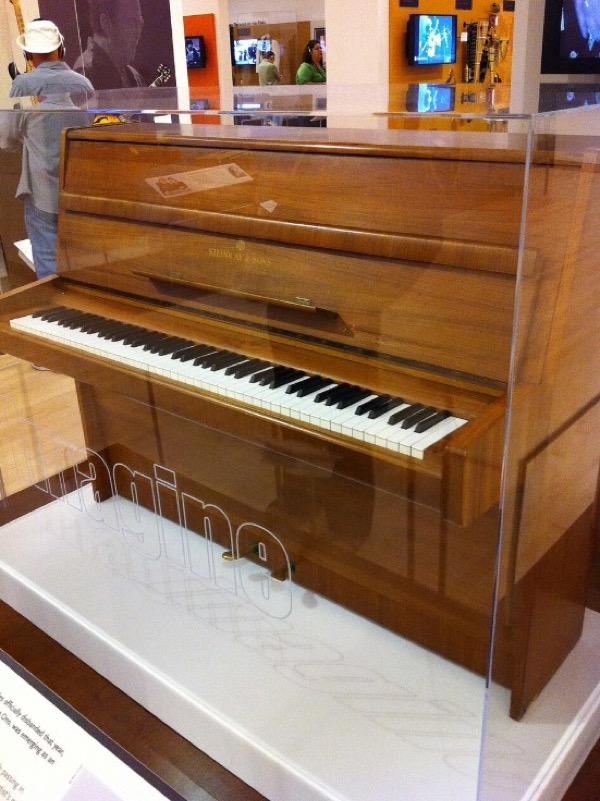
$2.2 million – John Lennon’s Piano – Steinway Model Z

Imagine

Imagine

John Lennon was one of the greatest songwriters of all time, so it’s no surprise that one of his pianos is on the list!

In December 1970, shortly after the Beatles’ breakup, he bought an upright Steinway Model Z piano.

He went on to compose his early solo work, including the song “Imagine”, on this instrument.

John Lennon The making of Imagine 1971   

After Lennon’s murder in 1980, the piano found its way to a private collector. When that collector decided to sell it in 2000, the instrument went to auction.

Pop star George Michael submitted the winning bid of £1.45 million, which, in 2000 dollars, was roughly $2.2 million.

Beginning in 2006, the instrument was displayed at various sites of American violence, such as the assassination of President Kennedy, the bombing of the Oklahoma City Federal Building, and the mass shooting at Virginia Tech.

This evolved into the Imagine Piano Peace Project in 2007, and videos were filmed of performers playing “Imagine” on the piano at these sites. Those videos would then be used for fundraising.

The piano has since been on display at the Musical Instrument Museum in Phoenix, Arizona, and at the Beatles pilgrimage site, Strawberry Field, outside of Liverpool.

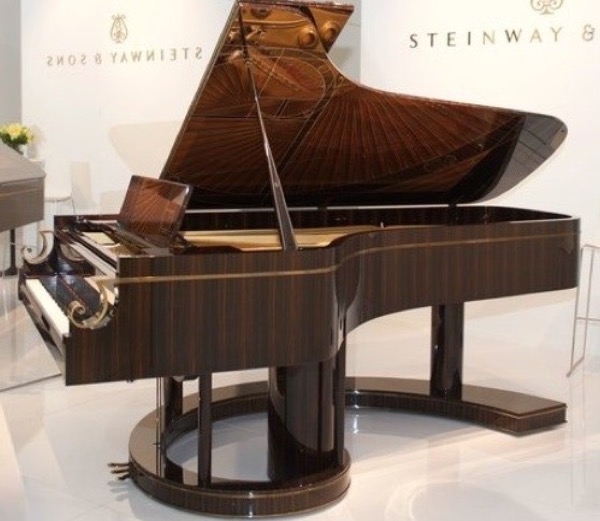
$2.4 million – Steinway & Sons Fibonacci Piano

Fibonacci spiral

Fibonacci spiral

In 2013, when Steinway wanted to celebrate the construction of its 600,000th piano, the company turned to artisan furniture maker Frank Pollaro.

He responded with an instrument inspired by the Fibonacci sequence. A Fibonacci sequence is a sequence in which each number is the sum of the two preceding ones.

Patterns and proportions dictated by Fibonacci sequences often occur in nature, such as in the spiral of an unfolding fern. Here, they appear as carvings on the piano.

The Fibonacci Piano was created out of six logs of Macassar ebony and took over six thousand hours to craft.

Pollaro said of the project, “Combining the universal languages of music and mathematics suddenly made perfect sense.”    

$2.5 million – Steinway & Sons Pictures at an Exhibition

Pictures at an Exhibition

Pictures at an Exhibition


Steinway & Sons Pictures at Exhibition Piano

© steinway.com

Modest Mussorgsky’s “Pictures at an Exhibition” is a famous piano suite written in 1874. It was inspired by an exhibit of Viktor Hartmann’s works, the artist friend of Mussorgsky.

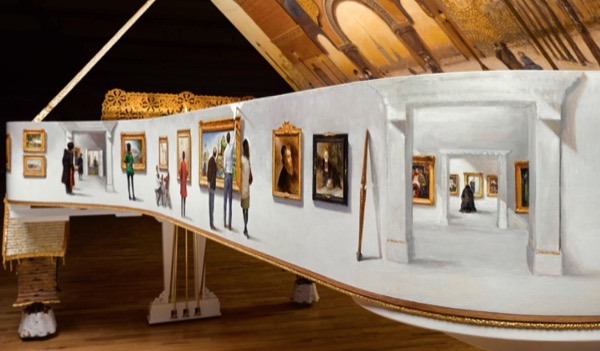
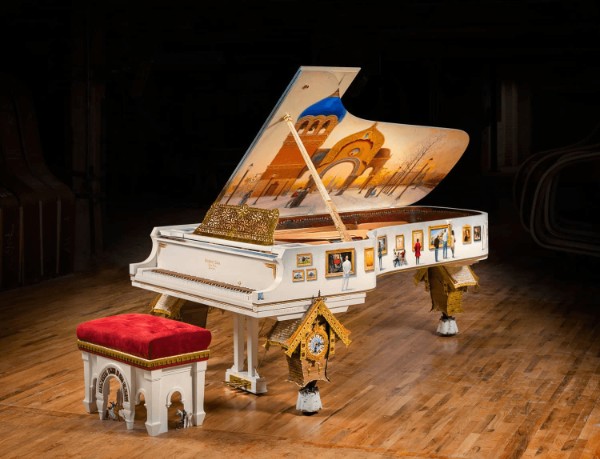
To make their “Pictures at an Exhibition” piano, Steinway & Sons took direct inspiration from the suite – and the art that had inspired it.

The Making of “Pictures at an Exhibition” Steinway Piano by Paul Wyse   

Renowned artist Paul Wyse painted reproductions of Hartmann’s surviving works onto the white case of a Steinway. He also added portrayals of viewers strolling past and taking in the art.

The striking interior of the lid features a massive landscape of the Bogatyr Gates in Kyiv, the subject of the famous final movement of “Pictures at an Exhibition,” known as “The Great Gate of Kyiv.”

As of 2026, this piano has been listed for sale at $2.5 million.

$3 million – C. Bechstein Louis XV

Bechstein

Bechstein

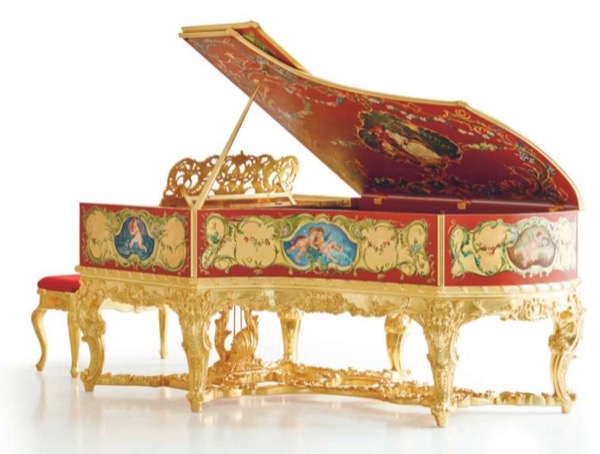
In 2013, to celebrate its 160th anniversary, the C. Bechstein piano company designed a sumptuous piano model named the Louis XV.

It was a recreation of an instrument made for the court of Queen Victoria, which has since been lost.

This modern piano boasts a gilded case decorated with carvings and paintings inspired by the Rococo style of artist Antoine Watteau.

A team of highly skilled artisans banded together to create this extraordinary reproduction, and it took a full three years to design and craft.

C. Bechstein “Louis XV” grand piano: Dudana Mazmanishvili performs Barcarole by Chopin   

However, the Bechstein Louis XV has not been without controversy. The piano’s keys, like the original inspiration, are made of ivory – a material banned for sale in many countries, due to its connections with poaching.

At the time of its construction, it was sent to China. Today it is in the Potsdam Palace in Germany.

$3.4 million – The piano from Casablanca

Casablanca

Casablanca

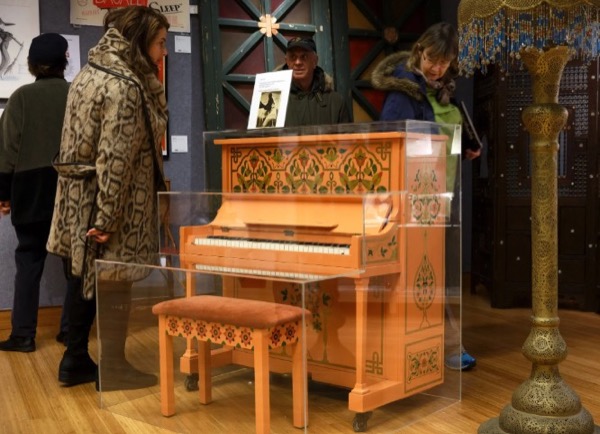
The classic 1942 film Casablanca takes place in a nightclub owned by Rick Blaine (played by Humphrey Bogart).

Rick’s Café Américain is teeming with refugees – as well as the government officials who are seeking to arrest or kill them.

Blaine has chosen the piano’s interior as a hiding place for important papers, called letters of transit, that will allow their carriers to move easily through war-torn Europe.

Blaine’s ex, Ilsa Lund (played by Ingrid Bergman), visits the cafe. She is wistful and still in love with him. She encourages the house pianist Sam to “Play it, Sam. Play ‘As Time Goes By.'” He agrees, reluctantly.  

In November 2014, the piano used in this pivotal scene was sold by Bonhams in New York for $3.4 million as part of a sale of movie memorabilia.

The owner’s identity is unknown, but the price they paid is the highest ever for a piano at auction.

Conclusion

The most expensive pianos in the world are worth far more than their materials or craftsmanship alone. Each one has an unforgettable story.

Whether you’re a pianist, a music lover, or simply someone who appreciates an extraordinary object, these are pianos that reward a second look – or listen.

The Enduring Magic of the Harp Top 10 Harp Favourites


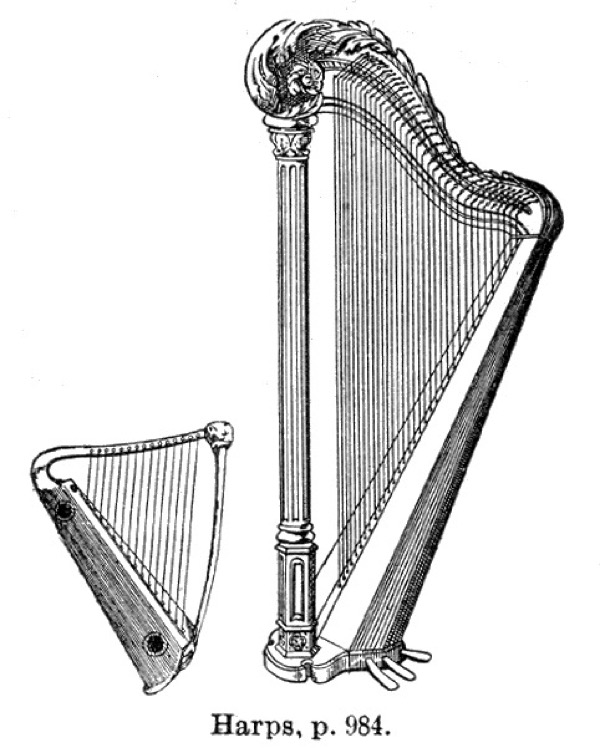
The harp is one of the oldest known string instruments, dating back to ancient Egypt and Mesopotamia. Although we find many different types and models, the basic shape features a triangular frame with strings running between the neck and the soundboard.

The standard orchestral harp features 47 strings, and it uses seven pedals at the base to alter string pitches and change keys. The instrument is played by plucking the strings with the fingers, usually while seated.

The harp has strong political and symbolic value, especially in Ireland, where it has long served as a national emblem. In Christian tradition, heaven is depicted as populated by angels playing harps. As its corporate logo, the Irish brewer Guinness has used the harp since 1759.

Harps can produce a broad range of intoxicating sounds, from warm plucked notes to shimmering glissandos and arpeggios. The repertoire for the harp is vast, and here is a top 10 list of some of the most beautiful harp music ever written.

Harp

Harp

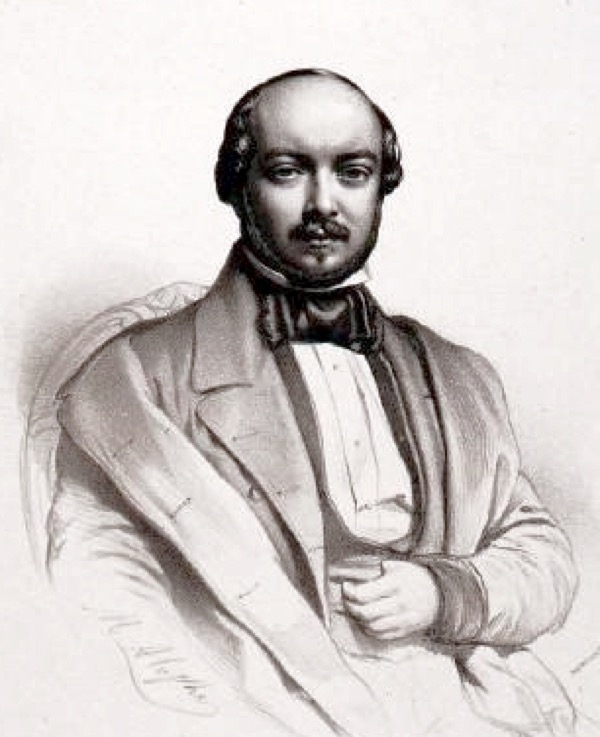
Félix Godefroid

Félix Godefroid (1818-1897) might not be a household name, but several generations of players and listeners have enjoyed his harp compositions and didactic works. In fact, when he made his debut in Paris in 1847, he was quickly dubbed the “Paganini of the harp.”

Félix Godefroid, by Marie-Alexandre Alophe

Félix Godefroid, by Marie-Alexandre Alophe

Godefroid hailed from Namur in Belgium and studied at the Paris Conservatoire and later with Elias Parish-Alvars. He was a travelling harp virtuoso, visiting the Middle East, Spain, England, and Holland. He even wrote an opera titled La harpe d’or, which included a harp fantasy that he himself played from the wings.

His studies for the harp focus on left-hand technique, and many of his 300 pieces have maintained a firm place in 19th-century harp literature.  

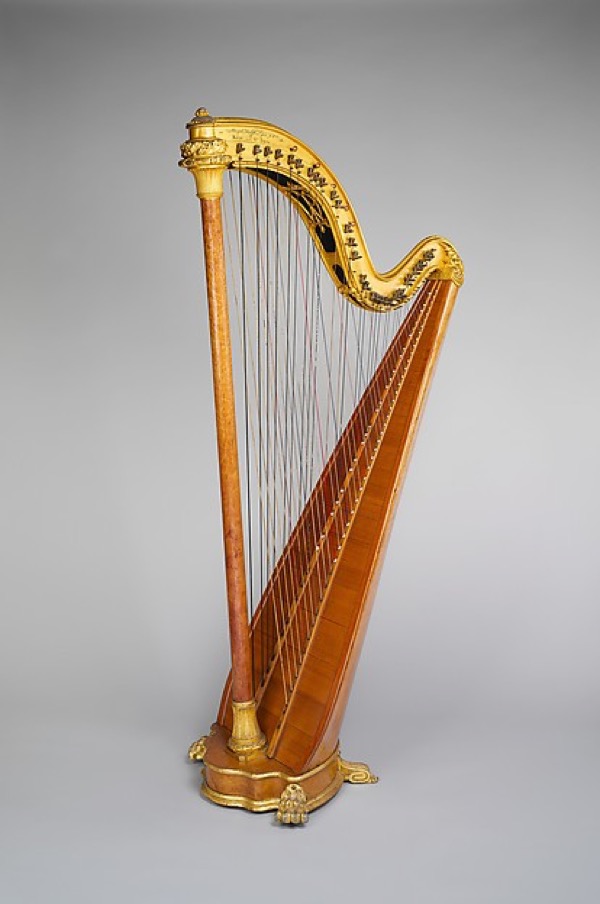
The Parisian instrument makers Pleyel and Érard were bitter rivals, and they continually modified and improved their harps’ designs. To showcase their respective technical and musical innovations, both companies commissioned the leading French composers to write music for their new and improved instruments.

Chromatic harp

Chromatic harp

In 1904, Pleyel asked Claude Debussy to write his Danse sacrée et danse profane (Sacred and profane dances) for harp and orchestra. In turn, Érard commissioned Maurice Ravel (1875-1937) to compose a piece that would showcase the expressive range of the new double-action pedal harp.

Ravel responded with his Introduction and Allegro for harp, flute, clarinet and string quartet. This unique composition contrasts the smooth sound of the woodwinds, the percussive sound of the harp, and the warmth of the strings. The work is often described as a miniature harp concerto, with the instrument introducing important themes, providing shimmering accompaniments, and playing a major solo cadenza.

Claude Debussy: Danse sacrée et danse profane  

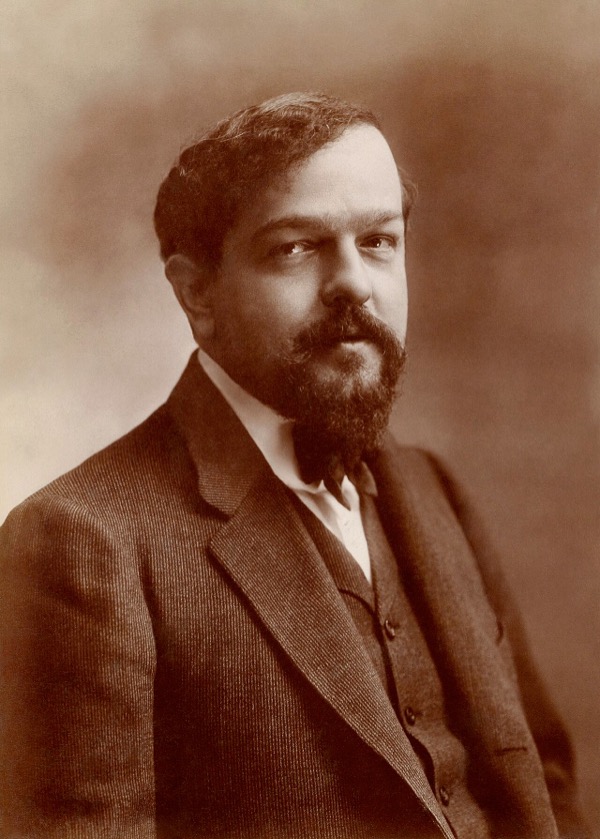
Debussy’s Danse sacrée et danse profane was commissioned by the firm of Pleyel in 1904. The instrument maker wanted it for use in competitions associated with a newly inaugurated class in the chromatic harp at the Brussels Conservatory.

Claude Debussy, by Atelier Nadar

Claude Debussy, by Atelier Nadar

Pleyel’s chromatic harp featured two rows of strings that cross each other without touching. One side has 7 strings per octave, while the other has 5. Think of it in terms of the piano, with 7 white and 5 black keys per octave.

This particular harp was designed to eliminate the need for pedals by providing 78 separate strings for every note on the chromatic scale. Debussy’s composition contains two movements: a slower sacred dance with slow-moving modal sonorities, contrasted with a lilting waltz.   

Wolfgang Amadeus Mozart: Concerto for Flute and Harp, KV 299  

The harp was Marie Antoinette’s favourite instrument, and it was also the most popular instrument of the day. As such, the harp had started to replace the harpsichord in the salons of the upper bourgeoisie. It was the instrument of fashion.

Marie Antoinette played the harp every day, and she had several beautifully decorated instruments at her disposal. She composed her own tunes and melodies and encouraged composers to write music for it.

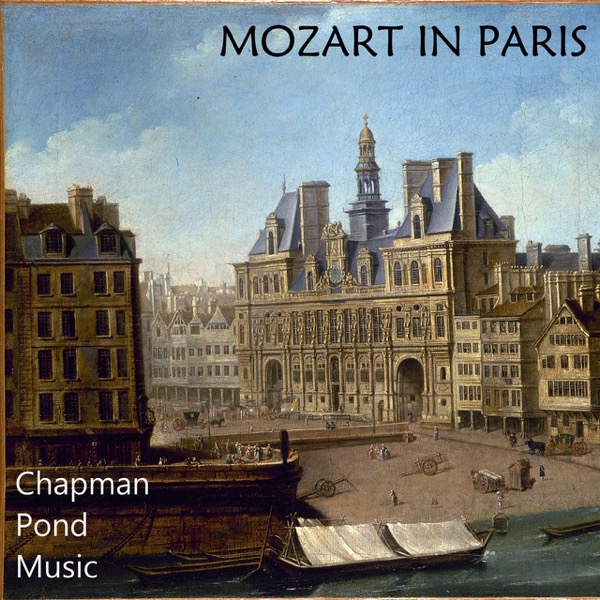
Mozart in Paris

Mozart in Paris

Wolfgang Amadeus Mozart arrived in Paris in 1778, and since Marie Antoinette was indisposed, he took on several private students. In April 1778, he was engaged to give composition lessons to Marie-Louise-Philippine Bonnières, the youngest daughter of the Duke of Guînes. His young charge was a capable harpist, and the duke an excellent flautist. As such, the duke commissioned Mozart to compose a concerto for him to perform with his daughter.  

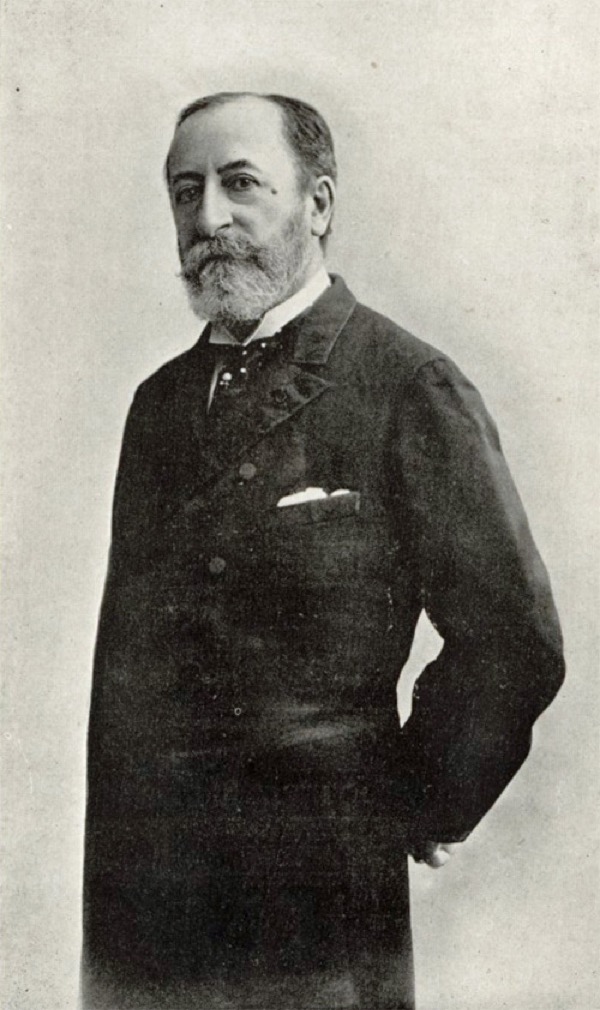
Although Camille Saint-Saëns (1835-1921) never held a teaching position at the Paris Conservatoire, he served on various juries and selection committees. He made sure that his student Gabriel Fauré was appointed director, and that Alphonse Hasselmans was appointed professor of harp in 1884.

Saint-Saëns, circa 1880

Saint-Saëns, circa 1880

In all, Saint-Saëns composed three works for the harp, with the Fantaisie for Solo Harp, Op. 95, dating from 1893. It is one of the best-known pieces for the instrument, and its two movements are still used as a Paris Conservatoire examination piece.

The Fantaisie explores the whole potential of the harp in terms of expression and colour. Because it combined lyrical writing and technical brilliance, it has remained a cornerstone of the repertoire.   

Josef Hasselmans became the first director of the Strasbourg Conservatoire in 1854, and Richard Wagner called him a “very good-natured, amiable fellow.” He is also remembered for two major schools of double-action harp playing.

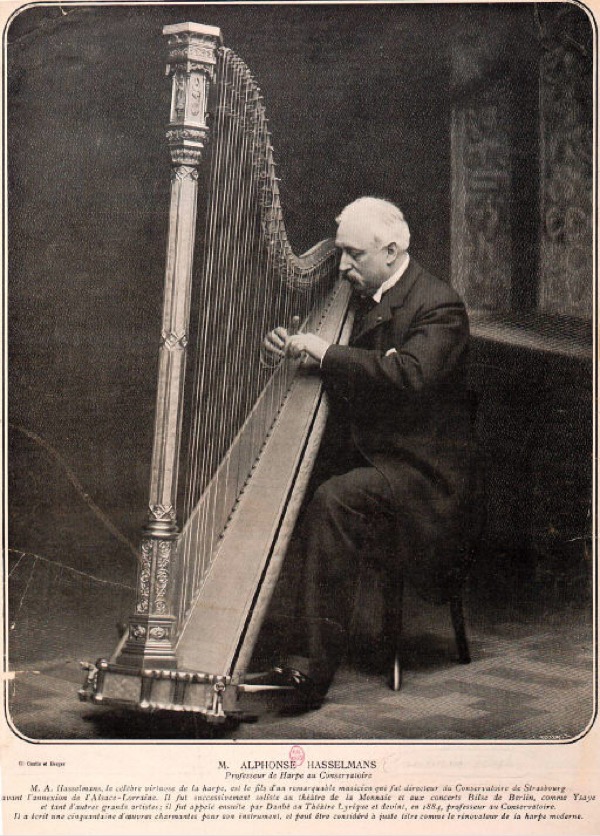
His son Alphonse Hasselmans (1845-1912) first studied with his father in Strasbourg, and eight successful solo concerts in Paris in 1877 brought him appointments as solo harpist with the Paris orchestras of the Conservatoire, Opéra, and Opéra-Comique.

Alphonse Hasselmans

Alphonse Hasselmans

Hasselmans wrote 54 pieces for the harp, and many of his compositions were inspired by his performance and dedicated to him. His solo harp etude La Source dates from 1898 and is dedicated to his student Hélène Gayat. Often nicknamed “The Brook,” the rippling textures and cantabile line make it one of the most beloved works in the harp repertoire.  

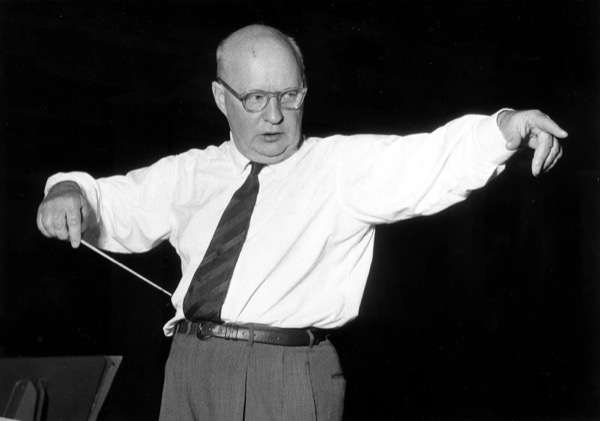
Paul Hindemith (1895–1963) was one of the most versatile musicians of his time, and he could play all instruments of the orchestra, except for the harp. However, his Sonata for Harp is a pioneering example of contemporary harp music.

It is part of a series of 26 sonatas for various wind and string instruments, as well as for piano and organ. Hindemith finished this work in 1939, just weeks after the outbreak of World War II, and just before he departed for the United States.

Paul Hindemith

Paul Hindemith

It is a three-movement work, and the final movement in a slow tempo is inscribed with an ode of mourning by Ludwig Christoph Heinrich Hölty. The poem relates a dying harpist’s last wish that, after his death, the harp be placed behind the church altar as a memorial, to sound of its own accord much like the Aeolian harps of antiquity.    

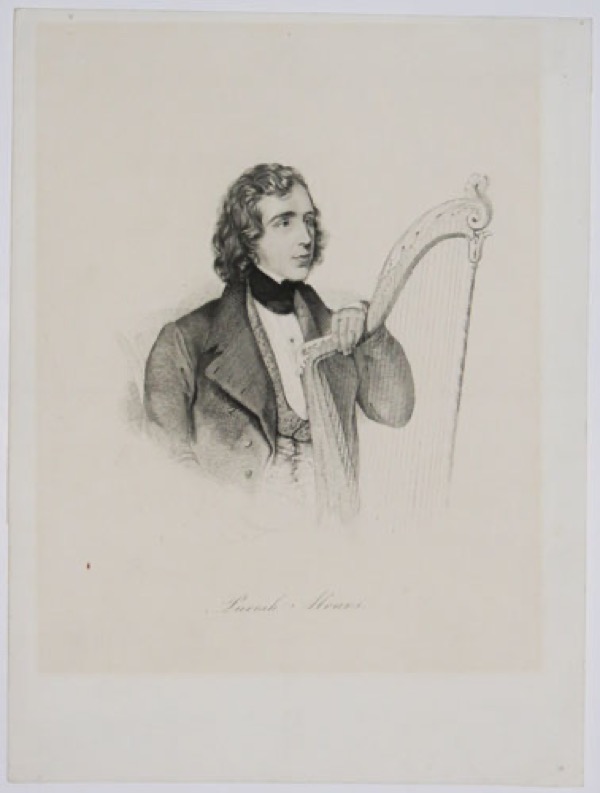
Eli Parish (1808-1849) hailed from a small port in Devonshire, yet he became one of the most illustrious musical figures of the 19th century. Franz Liszt excitedly wrote, “From beneath his forehead speak his dreamy eyes, expressive of the glowing imagination which lives in his composition.”

Parish Alvars

Parish Alvars

Not to be outdone, Berlioz stated, “This man is a magician. In his hands the harp becomes a siren, with lovely neck inclined and wild hair flowing, stirred by his passionate embrace to utter the music of another world.”

Elias Parish-Alvars, a name he freely invented, bought his first double-action harp from Pierre Erard in May 1842, and this more robustly constructed and mechanically superior instrument opened up new musical horizons. He developed innovative techniques integrating pedal and manual skills in unprecedented ways. After all, two harps are always better than one.  

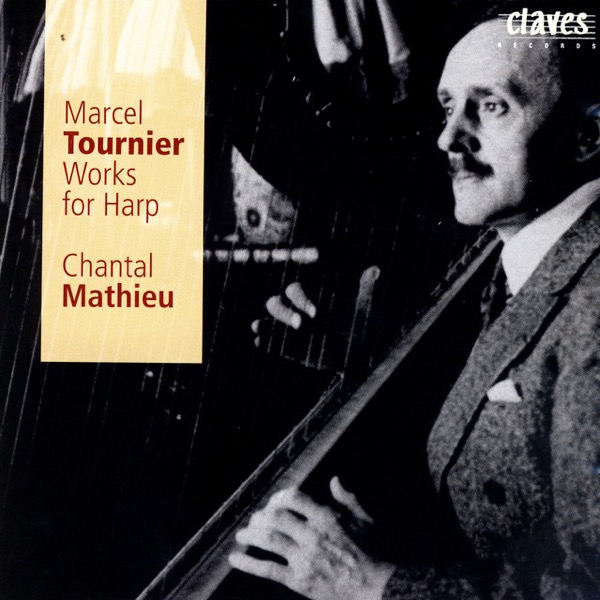
Marcel Tournier (1879-1951) was a student of Alphonse Hasselmans at the Paris Conservatory. He would eventually succeed his teacher as professor of harp in 1912, holding that position until 1948.

Tournier composed several solos for harp, and several chamber works that feature the harp prominently. His solo harp suite Images No. 4 is known for its pictorial character, featuring movements with evocative titles such as “La volière magique,” “Cloches sous la neige,” and “La danse du moujik.”

Marcel Tournier

Marcel Tournier

This work is one of his best-known contributions, as it paints contrasting musical scenes with a blend of virtuosity and colour.

Nicolas-Charles Bochsa: Six Preludes

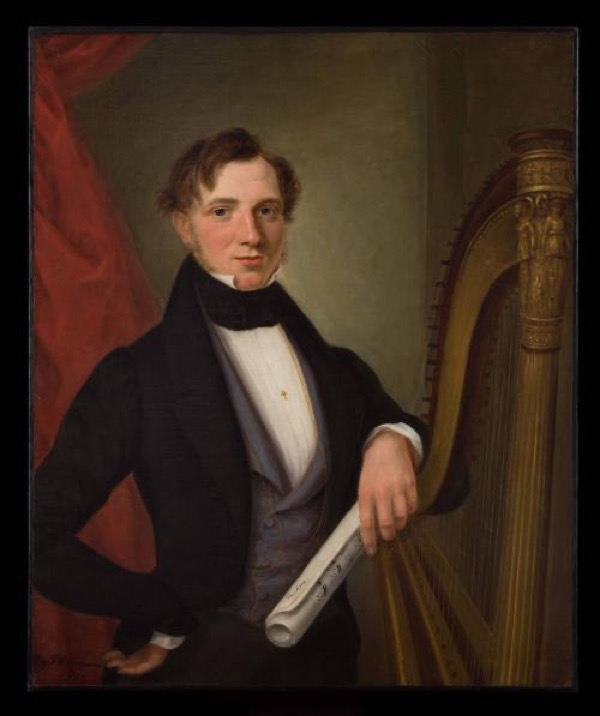
Robert Nicolas-Charles Bochsa, the harpist

Robert Nicolas-Charles Bochsa, the harpist

Nicolas-Charles Bochsa (1789-1856) was one of the most prolific composers for the harp.

His reputation as a harpist rested on his compositions for this instrument, as he expanded its technical and expressive range.

Bochsa was appointed harpist to the emperor in 1813, and he was even commissioned to compose a requiem for Louis XVI. He was a busy and shifty man who was appointed professor of harp and general secretary of the RAM in London.

He left behind plenty of bankruptcies and broken hearts in his wake and eventually died in Sydney, Australia, in 1856. And while his compositions for harp are not profound, he constantly discovered new effects and exploited the full possibilities of Erard’s new double-action harp. He also wrote a harp method that was long regarded as a classic.

The harp repertoire is truly vast, and it certainly deserves more attention. Would you please let me know what other works deserve to be featured?

Sunday, August 30, 2026

“Every great inspiration is but an experiment.”


“Every great inspiration is but an experiment.”

Charles Ives

Unconscious bursts of creativity that engender significant artistic endeavors are not necessarily inspired by passionate romantic love alone. Greek mythology believed that this kind of stimulus came from nine muses, the inspirational goddesses of literature, science, and the arts. Muses were long considered the source of knowledge embodied in poetry, lyric songs and ancient myths. Throughout the history of Western art, artists, writers and musicians have prayed to the muses, or alternately, drawn inspiration from personified muses that conceptually reside beyond the borders of earthly love. True to life, however, composer inspiration has emerged from the entire spectrums of existence and being. Nature has always played a decidedly important role in the inspiration of various classical composers, as did exotic cities, landscapes or rituals. Composer inspiration is also found in poetry, the visual arts, and mythological stories and tales. Artistic, historical or cultural expressions of the past are just as inspirational as is the everyday: the third Punic War or the contrapuntal mastery of Bach is inspirationally just as relevant as are the virulent bat and camel. Composer inspiration is delightfully drawn from heroes and villains, scientific advances, a pet, or something as mundane as a hangover. Discover what fires the imagination of people who never stop asking questions.

A Super Productive Summer!

 August 31st, 2026


Credit: NPR Classical on Facebook

Friday, August 28, 2026

Making Fun of the Master Richard Wagner in Caricature

 by Maureen Buja  June 24th, 2023


The French caricaturist André Gill (1840–1865) had a style that depicted enlarged heads on tiny bodies. He drew Wagner determinedly breaking a listener’s ear by hammering a note into place.

Gill: Wagner, 1868

Gill: Wagner, 1868

8 years later, Gill took on “The tetralogist” Wagner by showing him relentlessly banging a pot and being served apple cider by a monkey. Wagner, in the caption, dismisses the French “The French are a people of monkeys” and the cartoonist saying that the ape people now have the art of the scream, which will easily compete with Wagner. Wagner was quoting Voltaire, who called the French a mix of monkeys and tigers (Wagner: Art and Politics, 1868), but the French quickly took the quote out of context.

Gill: Le Tétralogue Wagner, 1876 (L’Eclipse, September)

Gill: Le Tétralogue Wagner, 1876 (L’Eclipse, September)

Another caricature helpfully shows how to create a shadow image of Wagner, although it does require holding your hands in seemingly impossible positions (and the note that the beard should be made with a piece of folded paper).

Trewey: Silhouette of Wagner, 1877

Trewey: Silhouette of Wagner, 1877


Kreutzburger: Silhouette de Wagner (after Trewey), ca. 1877

Kreutzburger: Silhouette de Wagner (after Trewey), ca. 1877

The overwhelming use of brass and percussion in Wagner’s scores led to several caricatures including this one showing Wagner beating his own drum for Tannhäuser.

Blass: Wagner, inventor of the bass drum with musical grapeshot, indulging in his favorite exercise

Blass: Wagner, inventor of the bass drum with musical grapeshot, indulging in his favorite exercise

Honoré Daumier (1808–1879) depicts an audience that has been forced ‘par ordre’ to listen to an hour of Wagner. They slouch, they fall asleep, they endure, battered by a hail of notes, wielded by an authoritative hand.

Daumier: A Munich. Après une heure de Wagner par ordre!!, 1868 (Le Charivari, July 8, 1868)

Daumier: A Munich. Après une heure de Wagner par ordre!!, 1868 (Le Charivari, July 8, 1868)

The downside of this is a complaint that Sleep (Morpheus) brings to Zeus – carrying his sack of poppies on his back, he’s out of job, replaced by Wagner.

Cham: Morpheus is out of a job, 1861

Cham: Morpheus is out of a job, 1861

Another caricature, after the death of Wagner, shows him arriving in heaven and thanking the angels for the receptions but complaining that there aren’t enough trumpets and drums – you’ll never get a production without them!

Wagner in Heaven, 1883

Wagner in Heaven, 1883

In a caricature after the death of Wagner, the theatre director Pierre Gailhard (1848–1918), director of the Paris Opera, and the French conductor Charles Lamoureux (1834–1899) bombarded Paris in 1891 with Wagner. They are dressed in ‘the livery of Wagner’, with ‘W’ embroidered everywhere. Wagner is depicted between the two mighty horns as a ghostly shadow. Written under the cannon is ‘Ritt’, director of the Paris Opera, for whom Gailhard worked.

B. Moloch: The New Siege of Paris in 1891.

B. Moloch: The New Siege of Paris in 1891

In another depiction of the Opera, Pierre Gailhard and Eugène Ritt (1817–1898) are shown on the peak of the Paris Opera holding a drum and a trombone (more brass and percussion!). Between them, holding a two-handed saw is Wagner. This caricature followed the premiere of Lohengrin at the Opèra.

Gilbert-Martin: Le Nouveau Couronnment de l’Opéra, 1891 (Le Don Quichotte, vol. 18, no. 399)

Gilbert-Martin: Le Nouveau Couronnment de l’Opéra, 1891 (Le Don Quichotte, vol. 18, no. 399)

Another assault with brass, but this time depicting the field of battle as Bayreuth. Wagner is shown with the support of Hans Richter, in the foreground, the conductor at Bayreuth. Between Wagner and Liszt on the top left is Cosima Wagner. Below Wagner is Wilhelm Jahn, director of the Vienna State Opera, and the bass-baritone Emil Scaria, who sang in the premiere of Parsifal. We also have the dragon from Siegfried and Brunnhilde’s horse Grane just above Cosima. Other personalities down the left side include the German Emperor Louis II, the composer Johann von Herbeck, the Rhinemaiden Lili Lehman, actor Josef Lewinsky, and pianist Anton Rubinstein.

Klie: The Battle of Bayreuth, 1876

Klie: The Battle of Bayreuth, 1876

We’ll close with some of the greatest entry music of all time.