Saturday, September 26, 2026

BodyMinded Thinking in the Performance of Music


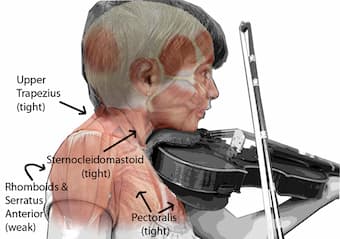
violin anatomy

© The Vital Gaitway, Center for Body Education

Musicians contribute so much to the personal and cultural well-being of the community and play music because they love it. Given that, it is a shame that for some, a career and/or long-term love of playing is associated with levels of stress and discomfort – sometimes a great deal of stress and discomfort. There are musicians who have become so injured as a consequence of their playing that they have been unable to continue with their beloved music making. Thankfully that is not everyone, but in the ranks of committed musicians, struggling with well-being while performing at their best is more common than you might realise.

That statement is supported by research into musicians’ wellbeing that is growing year by year1. As a result, physical and psychological struggles with playing, particularly high intensity playing, is being increasingly recognised as a professional problem that needs to be addressed.

This series of articles from BodyMinded in Australia aims to provide a practical guide to preventing and addressing playing related injury and stress, and in the process support development of musical potential at all levels of achievement.

If your focus is on performance, rather than dealing with injury, these articles will also provide support. Musicians move in order to make music, and as an embodied sense of how to cooperate with your own structure and your instrument takes hold, you will find your instrument becoming an integrated extension of the sense of yourself and the music will flow increasingly with ease, power and facility2.

And finally, after years of providing professional development training for music teachers, I’m aware of how deeply teachers take their responsibility for the well-being of their students. Creatively teaching safe body-use as a part of music lessons will help to prevent the kinds of difficulties that often arise when a musician becomes more serious and begins spending many more hours playing.

Treating the instrument as an extension of the self is common amongst long-term instrumentalists. I had a student in a workshop one day who, when I said “hello”, leant sideways to reply to me. Curious about that, I moved to the other side of the person and asked another question. Sure enough, he leant to the other side in order to answer! The next day he came to a musician’s class, with his instrument. A large tuba, which he sat with on his lap…
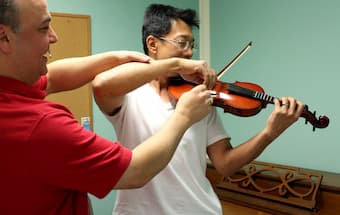
Addressing back pain for violinist

© K.C. Strings Violin Shop

Let’s get started with a practical illustration. Many instrumentalists experience shoulder and neck stiffness or discomfort, or experience heaviness in the arms after playing for a while. Here is a simple question: where do your arms attach to your body? Take a moment to point or touch that part of your body. Did you point to the outside of your shoulders? This is most usual representation.

Now feel your collarbones, at the top front of your chest. Feel along towards the centre until you find the bump where the collarbone attaches to the breastbone. This is the only bony joint where the arm bones attach to the rest of the skeleton. You can feel this by using one hand to feel how your collarbone moves as you lift the other arm. Can you feel it? When your arm moves the whole shoulder girdle (collarbone and shoulder blade) are involved. The arms are suspended from the spine, via those shoulder and neck muscles that are sometimes so uncomfortable. The shoulder blades are embedded in muscles that mean they can move a whole lot; up, down, forward, back, always in support of and following the movements of the arm.

This means that when you raise or use your arms for any purpose, your shoulder girdle is involved. The collarbones and shoulder blades are arm bones! See what happens if you try to keep your shoulder girdle held still or back while moving your arms, and then compare that to letting the shoulders move with and in response to movements of your arms. Can you feel the difference?

Arm Shoulder Girdle Movement  

Thinking about this a pianist comes to mind who complained of long-standing shoulder and arm discomfort while playing. Nothing had made a difference, and she had lived with that for a long time. After exploring how much her shoulder girdle can move the instruction became: “let your shoulders move when you bring your hands to the keyboard”. The result, so much relief she burst into tears.

This story illustrates how discomfort may be a consequence of simple misunderstanding about how things work. The BodyMinded process is to practise conscious cooperation with the way things work. This is sometimes stated as: Let everything move that needs to move in service of your activity.

Each article in this series will cover a specific example of BodyMinded thinking in practise, concluding with a general principle that applies to achieving and teaching good coordination as a musician. In this way I hope to assist you with your enjoyment and wellbeing in playing, and support those who are teaching others.

Making Fun of the Master Richard Wagner in Caricature

 by Maureen Buja  June 24th, 2023


Richard Wagner (1813–1883) was a revolutionary in German music and in opera. For opera-goers, the advent of Wagner onto their stages was cause for comment, particularly in the caricature sections. In images, the cartoonists could take aim at all they saw as false or inflated in the music and person of the composer.

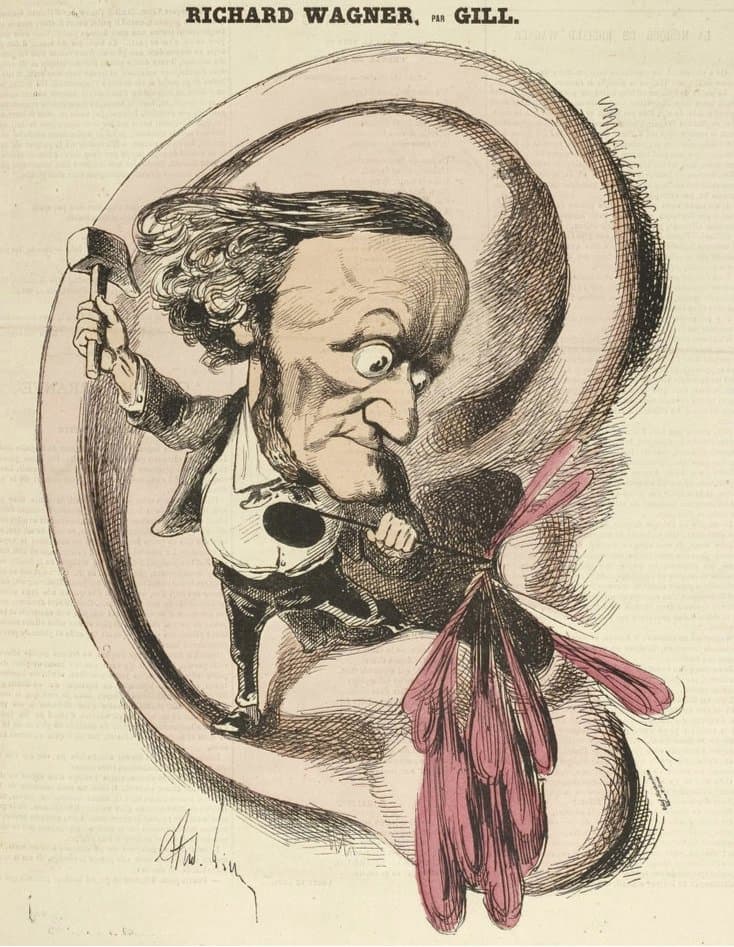
The French caricaturist André Gill (1840–1865) had a style that depicted enlarged heads on tiny bodies. He drew Wagner determinedly breaking a listener’s ear by hammering a note into place.

Gill: Wagner, 1868

Gill: Wagner, 1868

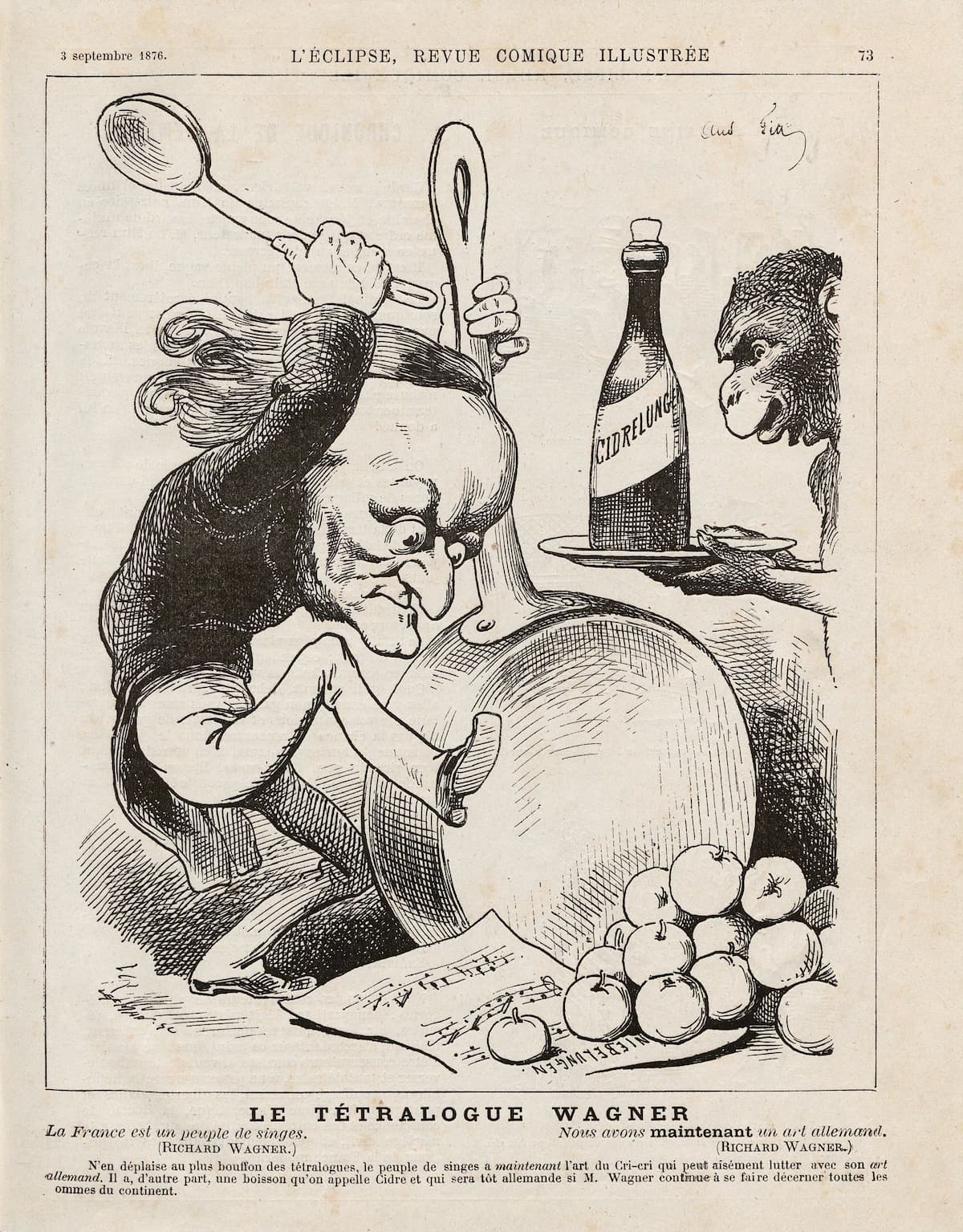
8 years later, Gill took on “The tetralogist” Wagner by showing him relentlessly banging a pot and being served apple cider by a monkey. Wagner, in the caption, dismisses the French “The French are a people of monkeys” and the cartoonist saying that the ape people now have the art of the scream, which will easily compete with Wagner. Wagner was quoting Voltaire, who called the French a mix of monkeys and tigers (Wagner: Art and Politics, 1868), but the French quickly took the quote out of context.

Gill: Le Tétralogue Wagner, 1876 (L’Eclipse, September)

Gill: Le Tétralogue Wagner, 1876 (L’Eclipse, September)

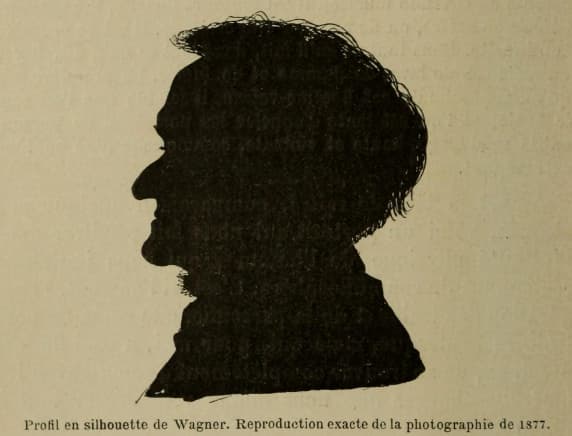
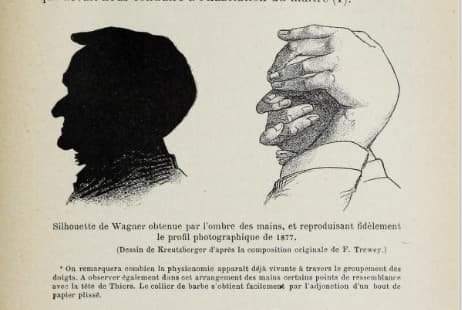
Another caricature helpfully shows how to create a shadow image of Wagner, although it does require holding your hands in seemingly impossible positions (and the note that the beard should be made with a piece of folded paper).

Trewey: Silhouette of Wagner, 1877

Trewey: Silhouette of Wagner, 1877


Kreutzburger: Silhouette de Wagner (after Trewey), ca. 1877

Kreutzburger: Silhouette de Wagner (after Trewey), ca. 1877

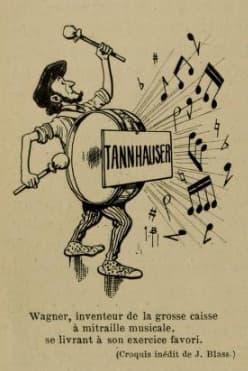
The overwhelming use of brass and percussion in Wagner’s scores led to several caricatures including this one showing Wagner beating his own drum for Tannhäuser.

Blass: Wagner, inventor of the bass drum with musical grapeshot, indulging in his favorite exercise

Blass: Wagner, inventor of the bass drum with musical grapeshot, indulging in his favorite exercise

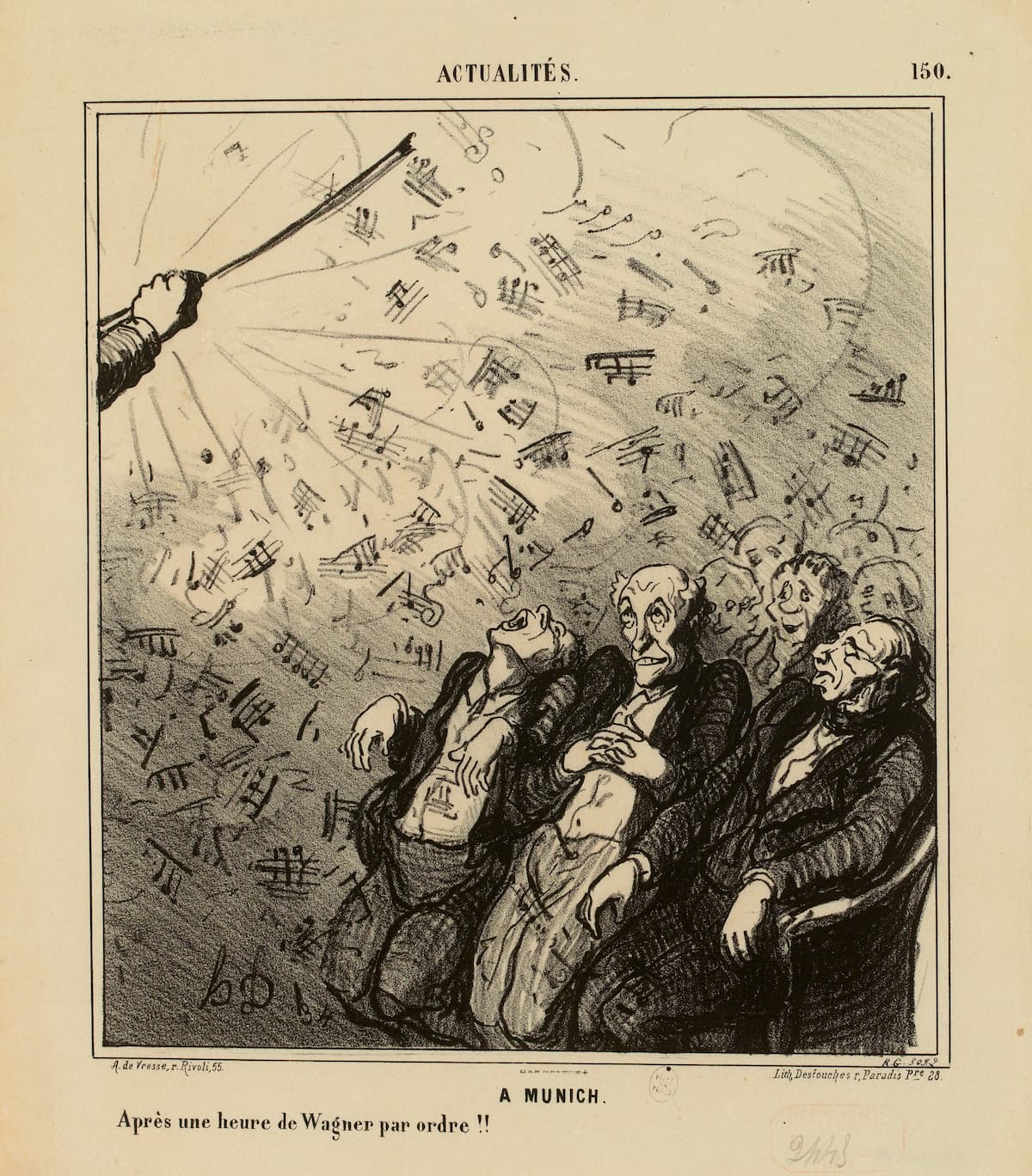
Honoré Daumier (1808–1879) depicts an audience that has been forced ‘par ordre’ to listen to an hour of Wagner. They slouch, they fall asleep, they endure, battered by a hail of notes, wielded by an authoritative hand.

Daumier: A Munich. Après une heure de Wagner par ordre!!, 1868 (Le Charivari, July 8, 1868)

Daumier: A Munich. Après une heure de Wagner par ordre!!, 1868 (Le Charivari, July 8, 1868)

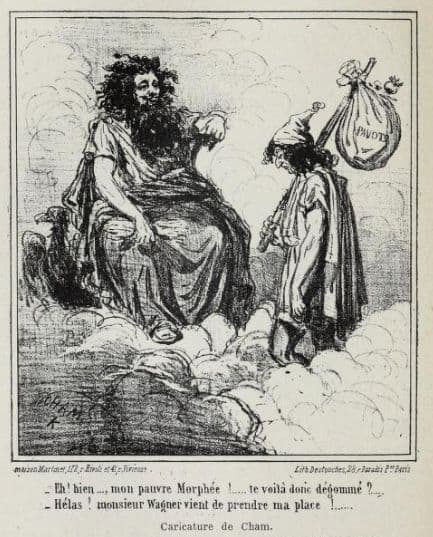
The downside of this is a complaint that Sleep (Morpheus) brings to Zeus – carrying his sack of poppies on his back, he’s out of job, replaced by Wagner.

Cham: Morpheus is out of a job, 1861

Cham: Morpheus is out of a job, 1861

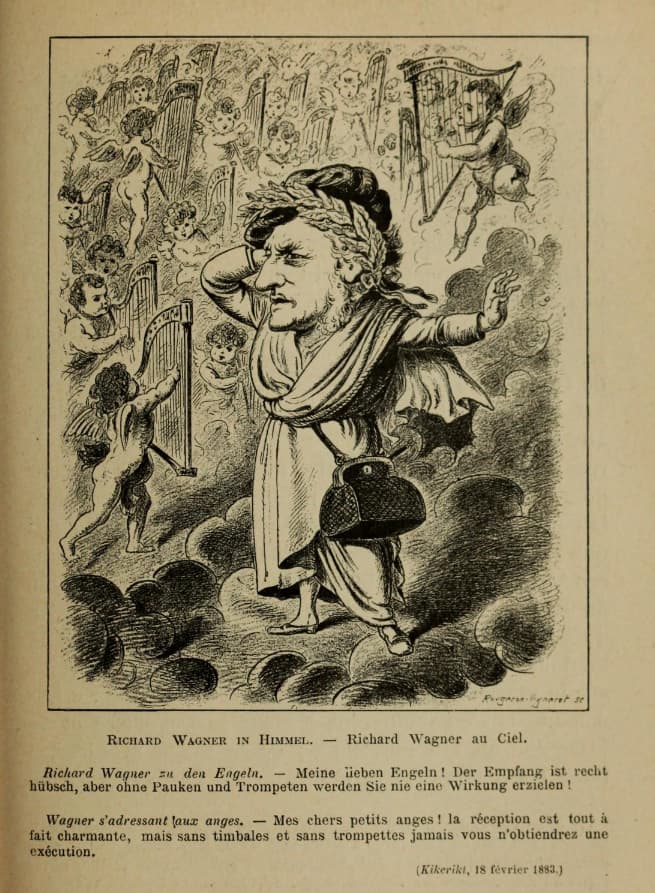
Another caricature, after the death of Wagner, shows him arriving in heaven and thanking the angels for the receptions but complaining that there aren’t enough trumpets and drums – you’ll never get a production without them!

Wagner in Heaven, 1883

Wagner in Heaven, 1883

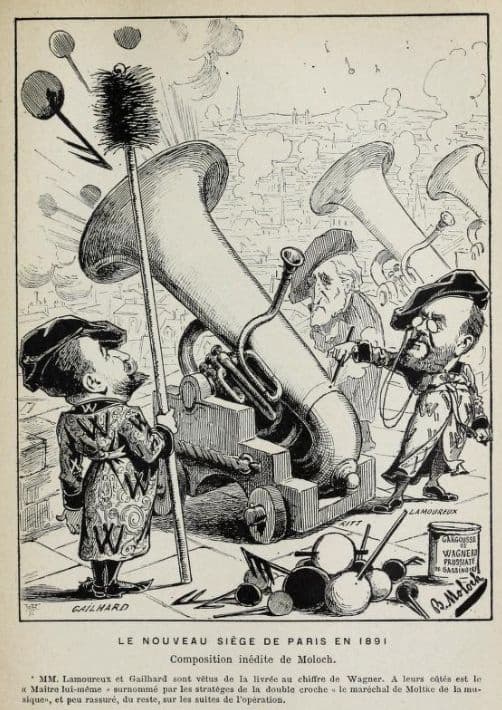
In a caricature after the death of Wagner, the theatre director Pierre Gailhard (1848–1918), director of the Paris Opera, and the French conductor Charles Lamoureux (1834–1899) bombarded Paris in 1891 with Wagner. They are dressed in ‘the livery of Wagner’, with ‘W’ embroidered everywhere. Wagner is depicted between the two mighty horns as a ghostly shadow. Written under the cannon is ‘Ritt’, director of the Paris Opera, for whom Gailhard worked.

B. Moloch: The New Siege of Paris in 1891.

B. Moloch: The New Siege of Paris in 1891

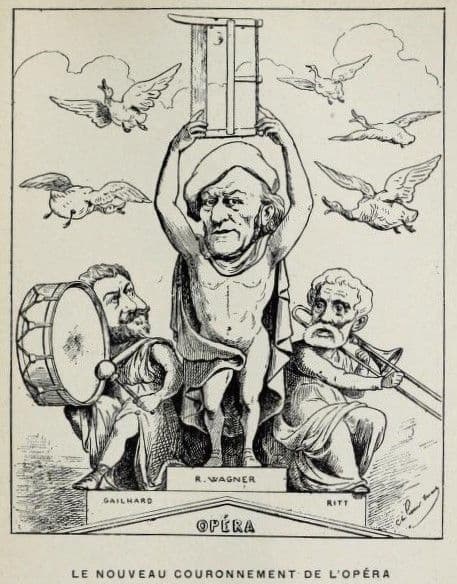
In another depiction of the Opera, Pierre Gailhard and Eugène Ritt (1817–1898) are shown on the peak of the Paris Opera holding a drum and a trombone (more brass and percussion!). Between them, holding a two-handed saw is Wagner. This caricature followed the premiere of Lohengrin at the Opèra.

Gilbert-Martin: Le Nouveau Couronnment de l’Opéra, 1891 (Le Don Quichotte, vol. 18, no. 399)

Gilbert-Martin: Le Nouveau Couronnment de l’Opéra, 1891 (Le Don Quichotte, vol. 18, no. 399)

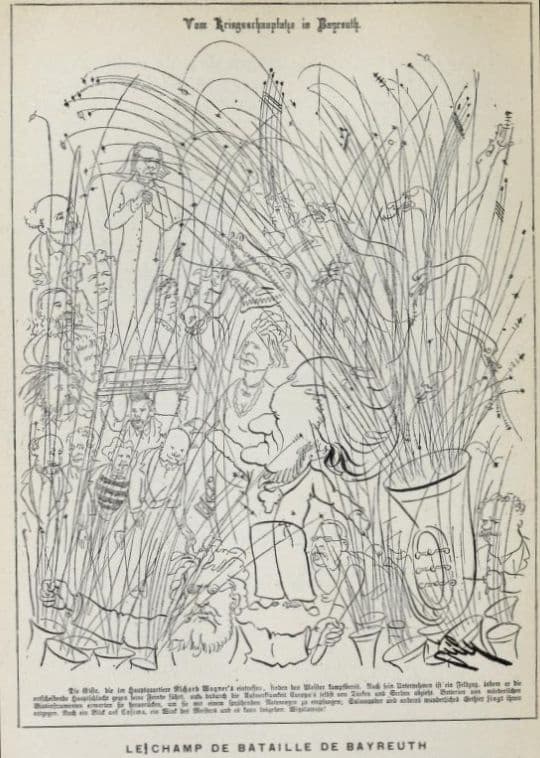
Another assault with brass, but this time depicting the field of battle as Bayreuth. Wagner is shown with the support of Hans Richter, in the foreground, the conductor at Bayreuth. Between Wagner and Liszt on the top left is Cosima Wagner. Below Wagner is Wilhelm Jahn, director of the Vienna State Opera, and the bass-baritone Emil Scaria, who sang in the premiere of Parsifal. We also have the dragon from Siegfried and Brunnhilde’s horse Grane just above Cosima. Other personalities down the left side include the German Emperor Louis II, the composer Johann von Herbeck, the Rhinemaiden Lili Lehman, actor Josef Lewinsky, and pianist Anton Rubinstein.

Klie: The Battle of Bayreuth, 1876

Klie: The Battle of Bayreuth, 1876

We’ll close with some of the greatest entry music of all time.

Friday, September 25, 2026

Nikolay Medvedev’s Fusions

 by Maureen Buja  September 21st, 2026


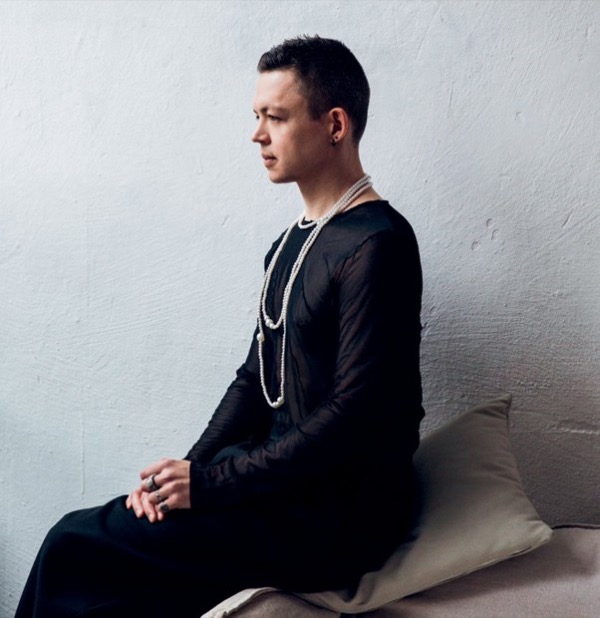
Nikolay Medvedev (photo by Dusia Sabol)

Nikolay Medvedev (photo by Dusia Sabol)

Medvedev opens with Nikolai Kapustin (1937–2020) and his Piano Sonata No. 2, and we can hear immediately how the composer fuses the classical form of the sonata with stylistic elements from jazz – this is not a classical-sounding piano sonata by any means! Although so much of his work sounds like it’s improvised at the keyboard, the composer fervently declared that music had to be written down: ‘All improvisation, as far as I am concerned, is written down, and it is all the better for that; it is allowed to mature’.

Nikolai Kapustin (photo by Schott Music / Peter Anderson)

Nikolai Kapustin (photo by Schott Music / Peter Anderson)


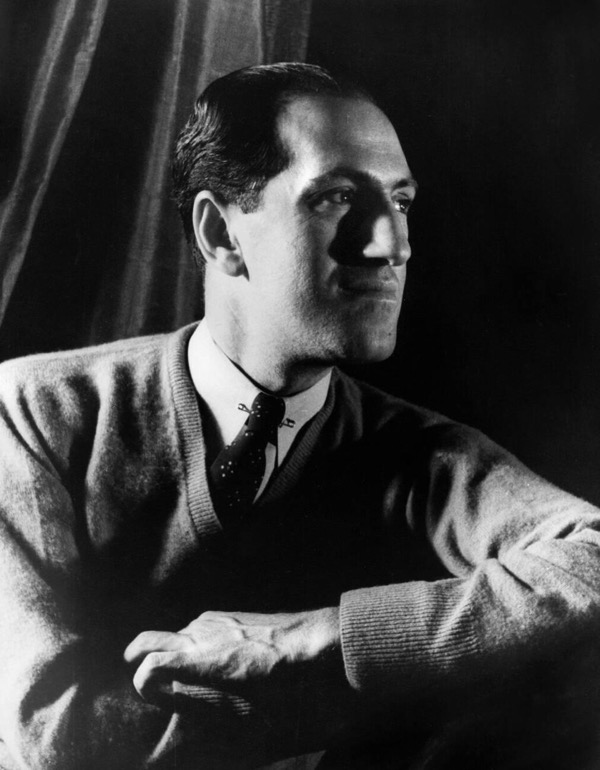
This is followed on the recording by George Gershwin’s Three Preludes. Gershwin (1898–1937), who wanted to write music for both popular theatre and the concert hall, had the dream of writing his own set of 24 Preludes for Solo Piano, as so many composers before him had done. His first Three Preludes were published in 1927; he wrote 5 other works intended to be part of his final 24, but by the time of his death in 1937, only the first three had been published as a set.

The Three Preludes were all part of Gershwin’s mix of classical and jazz that he first brought to the world in his Rhapsody in Blue.

Carl van Vechten: George Gershwin, 1937 (Library of Congress, LCCN 2004662906)

Carl van Vechten: George Gershwin, 1937 (Library of Congress, LCCN 2004662906)


A selection from Kapustin’s 8 Concert Études, Op. 40, again gives us Kapustin’s unique merging of the classical (the étude) and jazz. These were not intended to be played as a set, and so Medvedev gives us 5 of them. I. Prelude gives us Latin rhythms. II. Reverie is less international jazz than Ukrainian-influenced. VI. Pastorale puts the listener somewhere between Scott Joplin’s ragtime and Gershwin’s jazz from Porgy and Bess. VII. Intermezzo takes us into the world of stride piano, and the études close with VIII. Finale, a number full of fast drive and motion.

American pianist Earl Wild (1915–2010) made his name not only for his virtuoso performances but also for his piano transcriptions and arrangements of both jazz and classical music. For this recording, Medvedev has chosen Wild’s 7 Virtuoso Etudes after George Gershwin, published in 1954 and 1973, and both revised in 1975, for multiple fusions: jazz, the etude, and the paraphrase, combined with Gershwin in the hands of Wild.

Wild had heard Gershwin play both the Rhapsody in Blue and the Concerto in F, and when he created his Virtuoso Etudes, he used music from all facets of Gershwin’s career: the fun of I Got Rhythm and the heartbreak of The Man I Love.

Earl Wild

Earl Wild


The recording closes with one more work by Kapustin, his Variations, Op. 41, from 1984. Rather than a variation set, it’s more like an ongoing variation on a theme that never seems quite to end. It’s a delight of light pianism and requires virtuosic hands to keep it all in motion.

Nikolay Medvedev brings a technical skill to these works that raises them from popular to virtuosic. Particularly in the Wild pieces and the final Kapustin Variations, it would be easy to lose track of the essence of the work in the midst of all the fireworks, but Medvedev keeps it all together in style.

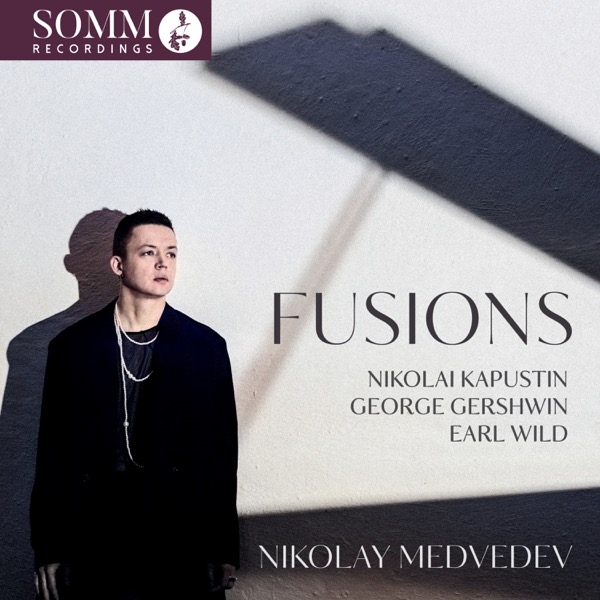
Nikolay Medvedev Fusions album cover

Fusions: Nikolai Kapustin, George Gershwin, Earl Wild

Nikolay Medvedev, piano
SOMM Recordings SOMMCD 0724

Official Website

For more of the best in classical music, sign up for our E-Newsletter

‘55’ Katia & Marielle Labèque


Katia and Marielle Labèque (Photo by Umberto Nicoletti)

Katia and Marielle Labèque (Photo by Umberto Nicoletti)

Their latest release, 55 (released in June 2026), celebrates an extraordinary 55 years of recording. It features a collection of 25 newly recorded tracks, including several world premiere recordings, plus 30 drawn from an impressive archive spanning 1970 to 2024. The result is not a conventional career retrospective, but a fascinating survey of the repertoire, composers, and ideas that have shaped the sisters’ artistic lives.

The story begins and ultimately comes full circle with Olivier Messiaen. Katia and Marielle were just 17 and 19 when Messiaen asked them to record his monumental two-piano work Visions de l’Amen, himself overseeing the recording. More than five decades later, the final track of 55 returns to that beginning with the work’s concluding Amen de la Consommation. It is an eloquent way to close the circle, reminding us how deeply contemporary music has been embedded in the Labèques’ artistic identity from the very start.

There are familiar works for piano duo and piano 4-hands – by Debussy and Ravel, Dvořák and Bizet, Brahms and Fauré – but alongside these sit the experimental and minimalist worlds of Luciano Berio, Arvo Pärt, Philip Glass, John Cage, Howard Skempton and Bryce Dessner, before returning, via Stravinsky, to Messiaen.

55 is organised in three sections – Wild is the Wind, Of a Bright Garden and Points of Light – moving freely across musical periods and styles; for example, Nina Simone‘s Wild is the Wind, heard in a transcription for two pianos and played with a relaxed expansiveness, sits alongside Margaret Bonds and Emahoy Tsegué-Maryam Guèbrou.  

It is gratifying to see a particular emphasis on women composers, including works by Hélène de Mongeroult, Grażyna Bacewicz, Dora Pejačević, Margaret Bonds and Lili Boulanger. For Katia and Marielle Labèque, bringing these voices into the collection is not merely an exercise in historical correction but part of the same spirit of curiosity that has always driven their music-making: a desire to seek out connections, contrasts and repertoire worth hearing.

Above all, 55 reveals remarkable artistic continuity. Across recordings separated by decades, one hears the qualities that have long distinguished Katia and Marielle Labèque: rhythmic vitality, clarity, colour, imagination and an almost instinctive understanding of one another at the keyboard. At the heart of this collection is the wonderful sense that these two musicians remain as inquisitive and adventurous as ever – still discovering music, still making connections and still asking where two pianos and four hands might take them next.

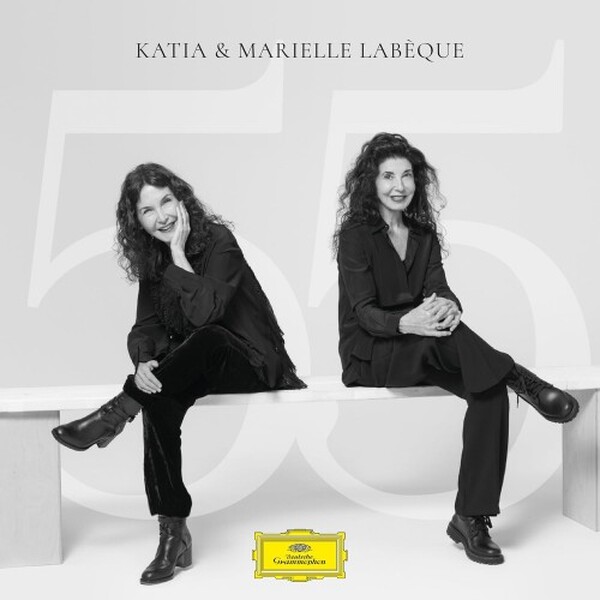
Katia & Marielle Labèque: 55 (album cover)

55 is available on Deutsche Grammophon.

Javier Perianes (Born on September 24, 1978) When Silence Speaks

 by Georg Predota  September 24th, 2026


Winning first prizes at the Concurso Internacional de Piano Premio Jaén and the Concurso de la Fundación Jacinto e Inocencio Guerrero launched his international career, and his Harmonia Mundi recordings have received critical acclaim.

To celebrate his birthday, let us take the opportunity to sample his recording of Música Callada by Catalan composer and pianist Federico Mompou.


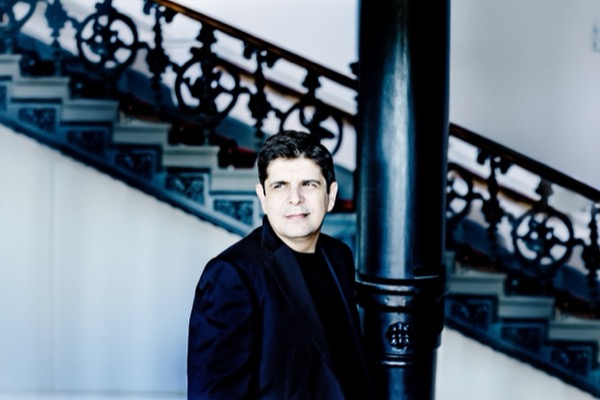
Javier Perianes

Javier Perianes

In an interview published by Miami Clásica on 10 October 2011, originally in Spanish, Perianes was asked how he approached Mompou’s Música Callada. “It is music based on silence, which is the great accomplice of musicians.” Mompou took the term from a poem by St. John of the Cross, and it basically means “music that does not sound.”

“To approach it, you need inner silence and to be free of prejudices. It seems easy, static, but the concentration of emotion is devastating. The recording was made in one day, in a single sweep, which is how I believe it should be approached.”

Mompou is best known for his solo piano music, characterised by elegance, direct melody, and the deep, haunting emotions of folk music. The meditative qualities of his music seem to conjure ritual and ancient mystery.

A Weak Heartbeat

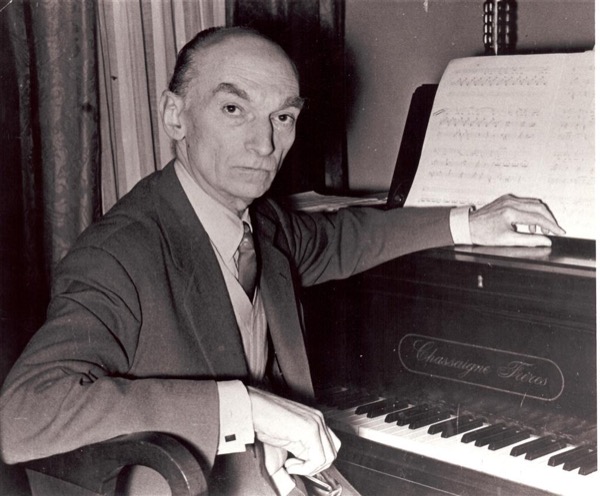
Federico Mompou, 1955

Federico Mompou, 1955

Música Callada, which roughly translates as “Music of Silence,” is a cycle of 28 short piano pieces organised in four books. Composed during the 1950s and 1960s, it was Mompou’s last work for solo piano, and the composer considered it a high point of his career.

A key to understanding this music is a poem by the Spanish-Christian mystic St John of the Cross (1542–1591), published in his Cántico Espiritual.

The quiet night,
before the break of dawn,
the music of silence,
the resounding solitude,
the meal that refreshes and awakens love.

De la Cruz provides commentary on the passage reading, “This is silent music, for it is quiet and still knowledge, without an audible voice; and thus, in it, one enjoys the sweetness of music and the tranquillity of silence. The soul says that the beloved is silent music.”

These thoughts are echoed by Mompou, who explained, “This music has neither air nor light. It is a weak heartbeat. One cannot ask it to travel more than a few millimetres through space, but it has the task of penetrating the deepest recesses of our soul and the most secret regions of our spirit.”

“This music is silent because it is heard inwardly. Restraint and reserve. Its emotion is secret and takes sonic form only in its resonances beneath the great cold vault of our solitude. I hope that my Música callada, this newborn child, will bring us closer to a new warmth of life and to the expression of the human heart, always the same and always renewing itself.” (Fundació Frederic Mompou)

Making Silence Audible

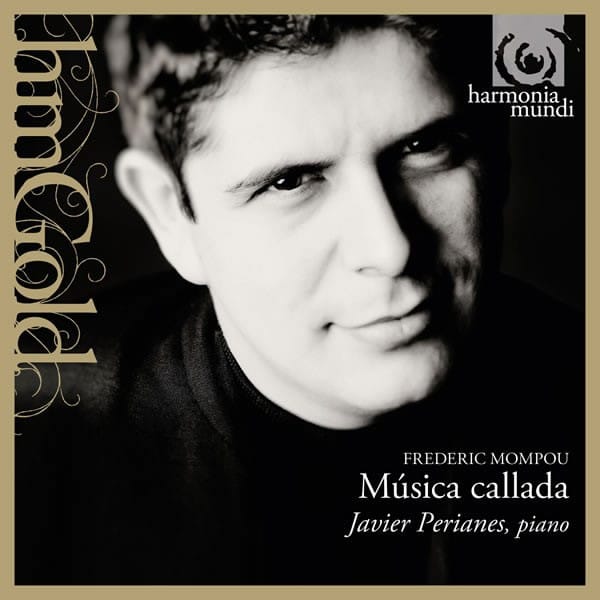
Javier Perianes, Música callada

Javier Perianes, Música callada

In his 2006 recording, Javier Perianes approaches this music with extraordinary delicacy but without grand sentimentality. His performance has an emotional directness that suits the ephemeral character and lets the poetry emerge silently.

It almost sounds like Perianes is making silence itself perceptible, as if making listeners aware of the space from which the sounds emerge. The clarity of his playing uncovers the tension beneath the surface. As such, it has been suggested that Perianes evokes the music’s spiritual dimension with great consistency.

Under Perianes’ hands, Música callada becomes purely contemplative music, aiming to convey the point of indifference between the music and the listeners.


7 Best Performances of Clair de Lune, According to YouTube

 by Emily E. Hogstad  September 19th, 2026


But which ones have actually captured the most listeners there? And which one is the most watched of all?

We ranked the seven most-viewed “Clair de Lune” performances on YouTube (as of 2026) and listed them in reverse order, saving the most popular for last.

The results may surprise you. The list includes a violin, a theremin, a classical guitar, and an audience of elephants.

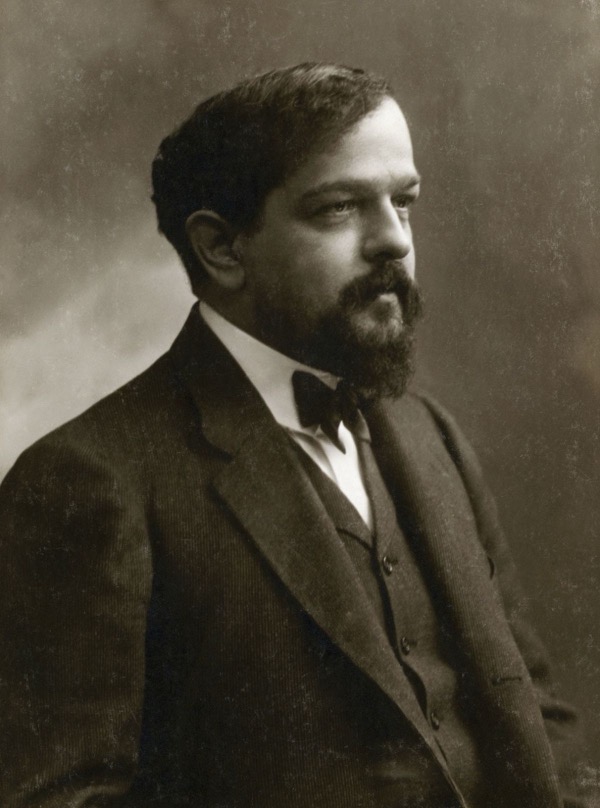
Claude Debussy, ca. 1908, photo by Félix Nadar

Claude Debussy, ca. 1908, photo by Félix Nadar

Only three of the seven performances are for solo piano. What they all share is the breathless beauty that makes “Clair de Lune” one of the most beloved – and ubiquitous – pieces of classical music ever written.

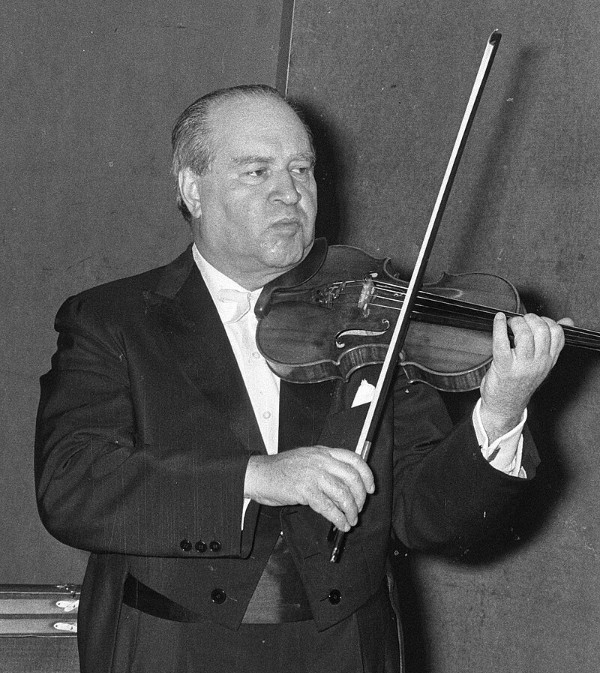
7. David Oistrakh

4.5 million views  

As we mentioned, not all of the performances on this list are for solo piano. One breathtaking example: this violin-and-piano performance by David Oistrakh, recorded in Paris in 1962 with Frida Bauer at the piano.

Oistrakh was one of the great Soviet Russian violinists of the 20th century, and everything that made him legendary is present here: the tonal warmth, the complete absence of ego, the sense that the music is simply passing through him rather than being performed.

David Oistrakh, 1972

David Oistrakh, 1972

The violin carries the melody with a breathy vocal quality that a solo piano can’t replicate.

This was one of the first great violin performances ever uploaded to YouTube (all the way back in September 2006), and it inspired and influenced an entire generation of violin lovers. It is a fitting performance to kick off this list.

6. Gregoire Blanc

5.9 million views  

The second performance on the list isn’t for the piano; it’s for the theremin. The theremin is a deeply odd instrument. Invented in 1920, it is played entirely without touch. Instead, the performer’s hands move through open air to shape pitch and volume.

Leon Theremin playing a theremin

Leon Theremin playing a theremin

The theremin’s tone meshes intriguingly with Debussy‘s liquid melody; both exist somewhere between the corporeal and ethereal.

Blanc plays with complete emotional commitment, never letting the instrument’s inherent strangeness become the point.

It’s also worth noting that in 2020, he pinned a frustrated comment:

Claravox Centennial | “Clair de Lune” Performed by Grégoire Blanc & Orane Donnadieu  

Whether you check out the original viral video or his updated version, take a listen. It’s spooky, a little comical, and deeply moving all at once – and proves that Debussy’s music can survive all kinds of adaptations and reinventions.

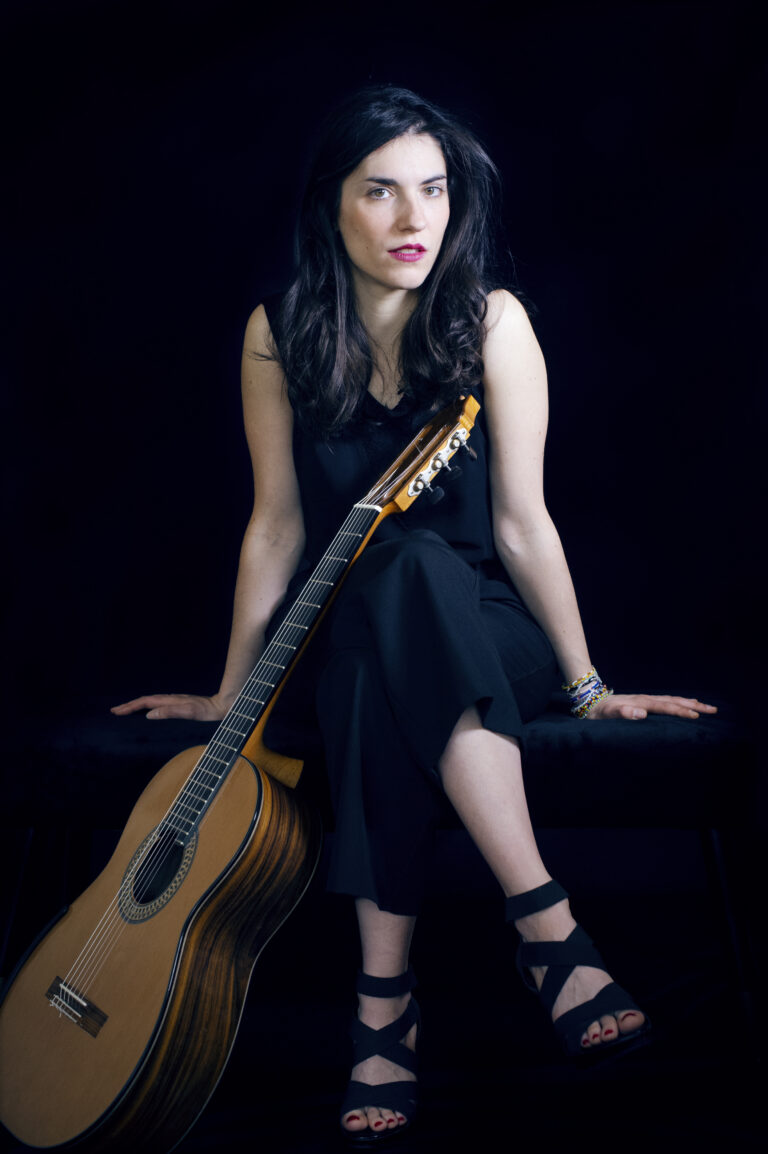
5. Roxane Elfasci

11 million views  

Roxane Elfasci studied business at the prestigious HEC Paris before switching careers and devoting herself to the guitar. Judging by this recording, it was a solid choice.

“Clair de Lune” is a difficult lift for guitarists. The original piano writing can be dense, and the voicing is spread across a wide range that the guitar was never designed to handle.

Roxane Elfasci

Roxane Elfasci

However, Elfasci makes the challenges sound easy. Her virtuosic approach to the arrangement creates an almost spectral shimmer.

Eleven million views later, this performance demonstrates decisively that a talented guitarist’s interpretation can rightfully earn its place beside pianists’.

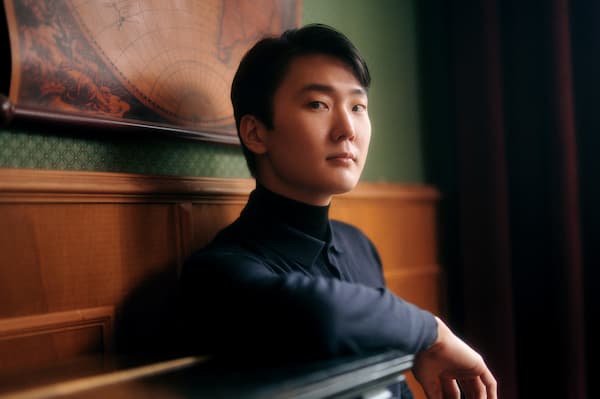
4. Seong-Jin Cho

11 million views  

Seong-Jin Cho is the first pianist on this list.

In 2015, he won the International Chopin Competition – arguably the most prestigious piano competition in classical music – and was signed by Deutsche Grammophon, home to many of history’s great pianists.

Seong-jin Cho (photo by Christoph Köstlin)

Seong-jin Cho (photo by Christoph Köstlin)

This recording comes from his 2017 Debussy album on DG, released on the eve of the composer’s death centenary.

It is an immediate argument for why a Chopin specialist makes an ideal Debussy interpreter: the touch is exquisite, the voicing luminous, the control of colour absolute.

The tempo is more relaxed than many interpretations. In 2018, he told YourClassical, “I listened again after I played it and my producer said, ‘Oh, you play a little bit slower than the others,’ and then I still felt this is the right tempo for me. Perhaps I will play differently in ten years, but for now I think this is the right tempo.”

This extra space allows every harmonic shift to breathe and settle. The result is a “Clair de Lune” that possesses an almost spiritual gravity.

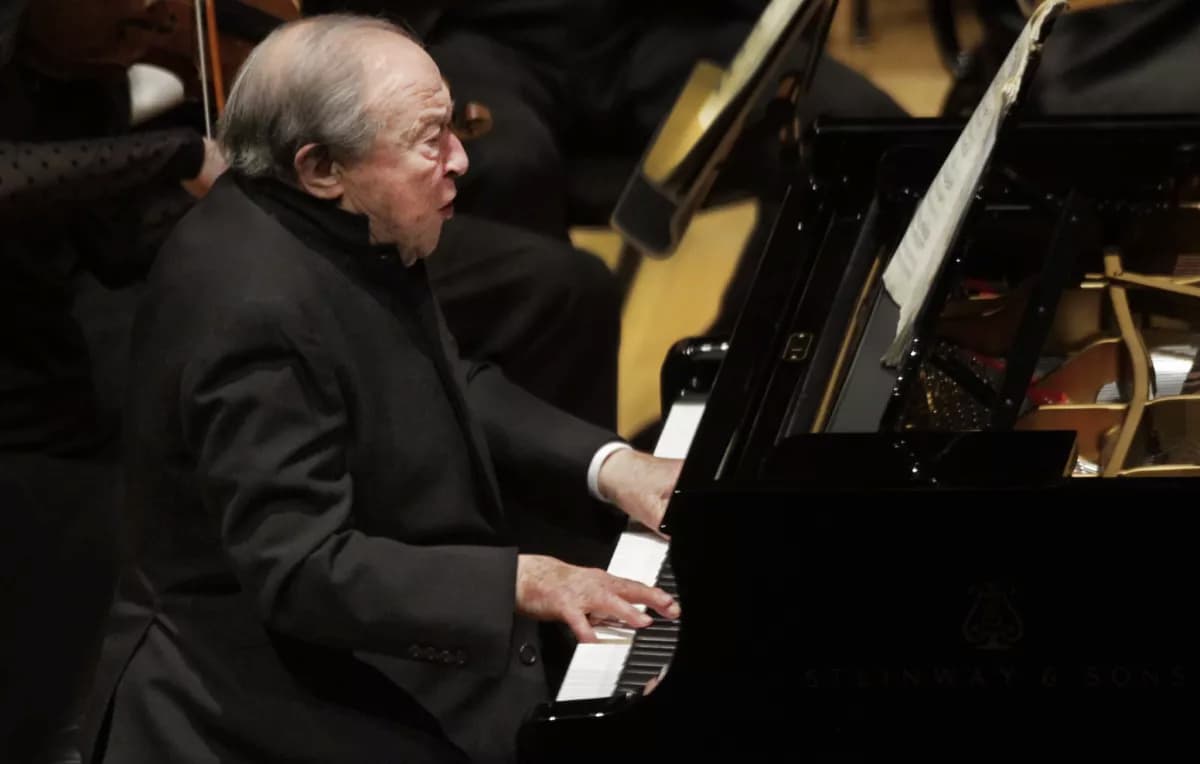
3. Menahem Pressler

12 million views  

Few pianists have lived as cinematic a life as Menahem Pressler.

He was born in Magdeburg, Germany, in 1923, fled the Nazis in 1939, and in 1946 won the Debussy International Piano Competition – a competition named after the same composer whose music he would return to again and again for the rest of his life.

This particular performance, made when Pressler was nearly 90, was filmed in Paris in 2012.

Legendary pianist Menahem Pressler

Menahem Pressler

His playing here conveys an overwhelming sense of love, generosity, profound empathy, and wisdom. This is someone who has lived with this music for decades; it has clearly become a kind of second skin for him.

After a long and celebrated career, Pressler died in 2023 at the age of 99.

2. Paul Barton

15 million views   

This is the only entry on this list where the audience matters as much as the performer.

Paul Barton studied art at the Royal Academy of Arts in London before pursuing a career as a concert pianist – a career he eventually set aside when he travelled to Thailand in the 1990s to teach piano.

While there, he became involved with Elephants World, a sanctuary for rescued logging and trekking elephants, and began bringing his piano to play for them.

Paul Barton

Paul Barton © bach-cantatas.com

In this video, his audience is Ampan, a gentle 80-year-old elephant with impaired sight. As soon as Barton begins playing, Ampan starts wagging her ears – an elephant’s way of saying, “I am intrigued by this.”

“Their breathing actually slows down when you play, which tells me they are relaxed and happy,” Barton has said.

“Clair de Lune” has moved many millions of humans over the past century-plus. It’s heartwarming to realise it has also delighted other animals, too.

1. Rousseau

69 million views  

At 69 million views, this is the most-watched performance on this list by a significant margin – and it belongs to someone who has never shown their face.

Rousseau is an anonymous American pianist who launched their YouTube channel in March 2018 and built one of the largest classical music audiences on the internet almost entirely through a single innovation: a reactive visualizer that accompanies each performance, lighting up keys as notes are struck.

The effect is somewhere between a piano recital and a meditation. The visualizer makes the architecture of the music visible, the voices separating into colour, the harmonies blooming across the keyboard.

Tens of millions have watched this performance of “Clair de Lune,” proving that the music itself and its visible structure are deeply intriguing to viewers.

Conclusion

Together, these seven performances have accumulated well over 128 million views – a number that says something significant about “Clair de Lune” itself. Few pieces are as beloved.

Whether it’s a 1962 violin recording, an anonymous pianist with a light show, or a concert pianist playing for an elderly elephant, the music retains its magic.

If there’s a takeaway from this list, it is that there is no single definitive “Clair de Lune.” Only the versions that find you at the right moment matter. We hope one of them has touched your heart.