Friday, August 21, 2026

5 Rare Classical Music Pieces by Famous Composers (And Why We Never Hear Them)

 by Emily E. Hogstad  August 17th, 2026


There are many reasons why. Some are just uninteresting. Some are written for instrument combinations that never came into vogue. Some are early student attempts that are overshadowed by later, greater achievements. There are as many stories as there are neglected works.

Today, we’re taking a look at five examples of the least-heard works of the great composers – and trying to figure out why they never achieved the fame their origins might lead you to expect.

Bach: O Mensch, bewein dein Sünde groß, BWV 622 (ca. 1712)   

The title of this organ prelude is “O Mensch, bewein dein Sünde groß” (“O man, bewail thy sin so great”).

The title comes from a sixteenth-century Lutheran chorale that Bach employs as his source material.

As is the case with many of Bach’s works, we don’t know exactly when this prelude was written. The only information we have is that it was written between 1708 and 1717, a period when Bach was working as an organist at the Weimar ducal court.
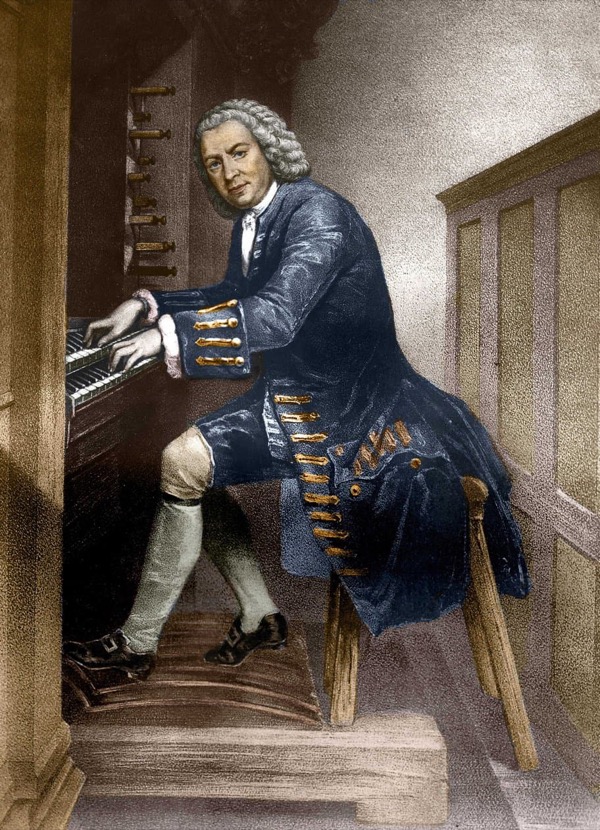
Johann Sebastian Bach playing the organ (c. 1881)

Johann Sebastian Bach playing the organ (c. 1881)

Many modern listeners haven’t delved into Bach’s works for solo organ.

This music was originally written for sacred purposes, and for an instrument that doesn’t exist in every modern concert hall – making it a tough sell for general secular audiences.

Mozart: Maurerische Trauermusik, K. 477 (1785)   

“Maurerische Trauermusik” translates into “Masonic Funeral Music.”

Back in Mozart‘s day, the Freemasons held a great deal of cultural clout. In 1784, a few years after Mozart moved to Vienna, he was admitted to a Viennese lodge. The following year, he was promoted to “Master Mason.”

This particular organisation was incredibly popular with the Viennese aristocracy, and being a part of it allowed Mozart valuable opportunities to hobnob with potential patrons.
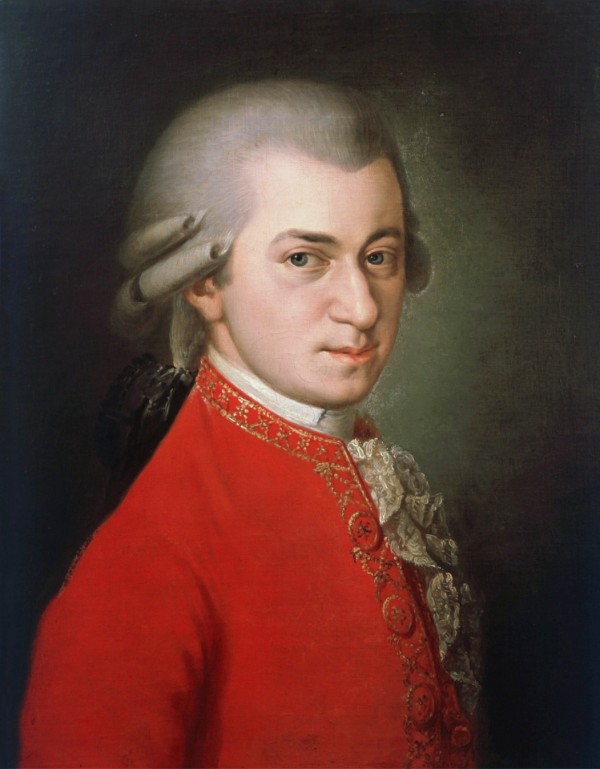
Barbara Krafft: W. A. Mozart, 1819 (Gesellschaft der Musikfreunde)

Barbara Krafft: W. A. Mozart, 1819 (Gesellschaft der Musikfreunde)

In 1785, Mozart wrote this piece for a Freemason funeral service.

However, fewer and fewer powerful people are Freemasons nowadays, meaning the general public has a limited appetite for music inspired by Freemasonry or used in its rituals.

This piece is still worth listening to, though. This is touching funeral music, and its C-minor drama verges on operatic.

Beethoven: 25 Scottish Songs, Op. 108 (1815-1818)   

When you hear the phrase “Scottish folk songs”, you probably don’t think of Ludwig van Beethoven.

However, Beethoven ended up writing more folk song arrangements than any other kind of music (by the time he died, he’d composed 179!).

Why? In the late 1700s and early 1800s, at the dawn of the Romantic Era, there was a push to gather, transcribe, and rearrange folk songs.
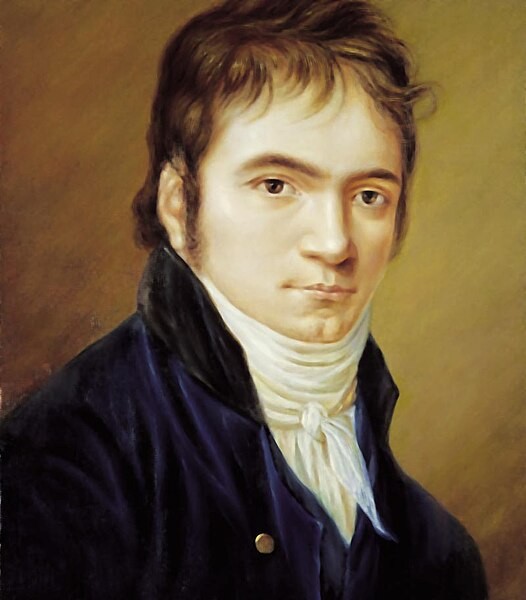
Christian Horneman: Ludwig van Beethoven, 1803 (Beethovenhaus Bonn)

Christian Horneman: Ludwig van Beethoven, 1803 (Beethovenhaus Bonn)

A civil servant from Edinburgh named George Thomson began collecting folk songs in the 1790s, contacting the best composers and commissioning arrangements from them.

The twenty-five Scottish songs that make up the Op. 108 are written for piano, violin, cello, and voices. It’s surprising to hear Beethoven’s settings of English texts.

Unfortunately, Thomson felt the arrangements were too difficult. As you can imagine, that didn’t go down well with Beethoven, who had a very prickly response to the complaint:

“I am not accustomed to retouching my compositions; I have never done so, certain of the truth that any partial change alters the character of the composition. I am sorry that you are the loser, but you cannot blame me, since it was up to you to make me better acquainted with the taste of your country and the little facility of your performers.”

Despite their attractiveness, and Beethoven’s conviction of their worth, these works are rarely performed today – possibly because assembling a pianist, violinist, cellist, and singers for a little-known musical curiosity is a tough ask.

Chopin: Prelude in C-sharp minor, Op. 45 (1841)  

Chopin wrote many preludes that became part of the standard repertoire, but this one has remained relatively obscure.

It was written in the summer of 1841, when Chopin was staying at the home of his lover, the writer Aurore Dupin (better known by her pseudonym George Sand).
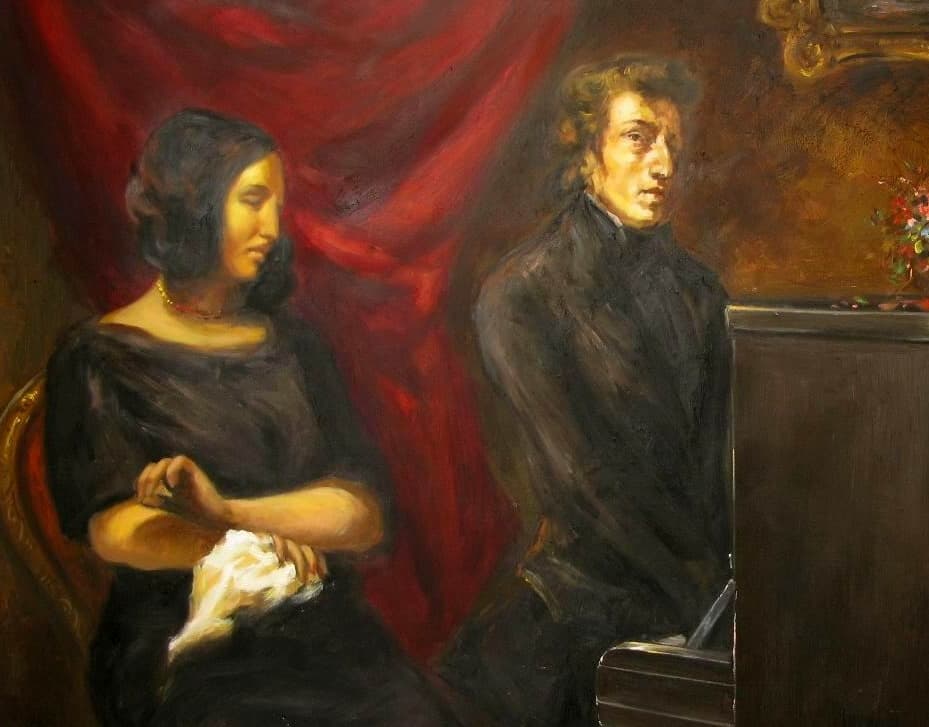
Portrait of Frédéric Chopin and George Sand by Eugène Delacroix

Portrait of Frédéric Chopin and George Sand by Eugène Delacroix

Although this prelude isn’t heard very often today, Chopin was pleased with it. When he was preparing it for publication, he wrote a note to the copier, commenting, “well-modulated!”

Chopin was famous for his transporting piano improvisations. In this gorgeously meandering work, we get a sense of what they might have sounded like.

The ever-shifting harmonies are especially atmospheric, evoking the effortless modulation of later French composers such as Debussy and Ravel.

One reason this work may never have taken off is its lack of a hummable melody; all of the drama happens in harmonies. This is a piece that rewards close listening rather than casual encounters.

Brahms: Variations on an original theme in D, Op. 21 No. 1 (1857)   

The 1850s were a whirlwind for Johannes Brahms. In the fall of 1853, when he was just twenty years old, he met and befriended both Robert Schumann and his wife Clara.

Almost immediately, Robert published an article declaring Brahms the saviour of German music and a successor to Beethoven. While flattering, the prophecy weighed on Brahms for the rest of his life.

Tragically, Robert’s mental health, never good, began deteriorating rapidly at the end of 1853 and into early 1854.

After attempting to kill himself by jumping into the Rhine River in February, Robert was sent to a mental hospital.

From that time forward, Brahms would see him rarely. Clara didn’t see him at all until shortly before his death, which happened in the mental hospital in the summer of 1856.
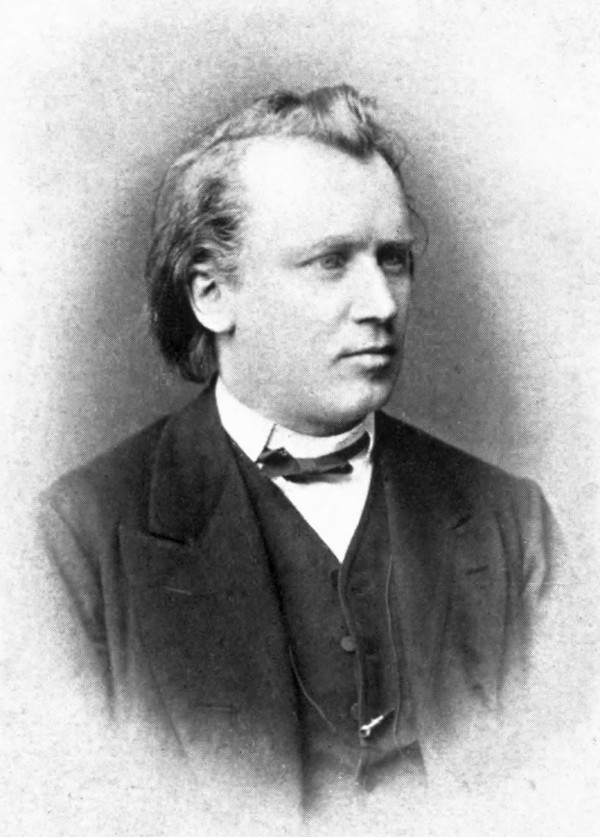
Johannes Brahms, c. 1872

Johannes Brahms, c. 1872

To comfort a distraught and pregnant Clara, Brahms often played piano for her and looked after the Schumann children. (He also fell in love with her – but that’s a story for another day!)

In the meantime, one of the ways Brahms tried to fulfill Robert’s prophecy was by writing sets of themes and variations, a genre that Beethoven was especially famous for.

These variations are not some dry technical exercise (although they are masterfully written). They’re deeply heartfelt, and a pure love letter to the art that he and the Schumanns shared – as well as a signal that, given time and practice, he would be capable of wearing Beethoven’s crown.

It’s unclear why they aren’t brought out more frequently today. Over the years, Brahms’s later solo piano works have had a greater impact – and themes and variations generally don’t have the prestige they once did.

Conclusion

The works on this list have one thing in common: they deserve more attention than they get.

Whether it’s the sacred origins of Bach’s organ music, the faded cultural power of Freemasonry, or the simple bad luck of an unfashionable genre, the reasons for obscurity are rarely about quality.

If you enjoyed this list, you might also enjoy our series Minors of the Majors, where we explore more rare and neglected works by the composers you love.

Here’s one about Schubert‘s Mass No. 1, written for a soprano he had a crush on: https://interlude.hk/minors-majors-franz-peter-schubert-mass-1-f-major-d-105/

Who Was Poldowski? The Shape-Shifting Composer Behind the Name


Poldowski is one of the more elusive figures in late Romantic music.

Over the course of her life and career, she was known by many names, including Régine Wieniawski, Irène Wieniawska, and Lady Dean Paul. However, she has entered music history under the genderless self-chosen moniker “Poldowski.”

Although more research remains to be done on her life, what we do know is striking.

Her mother’s family disapproved of her parents’ marriage. She never got to know her famous father. She became a professional composer as a teenager. She married a baronet and had three children: one who died tragically young, and two who led scandalous lives.

Her music is romantic and showy and a little bit emotionally elusive – a bit like the composer herself.

So who was the shape-shifter known as Régine Wieniawski – and why did she choose the name Poldowski?

The Love Story Between Poldowski’s Parents

Henryk Wieniawski

Henryk Wieniawski

Régine Wieniawski was born in Brussels in May 1879.

Her father was the Polish violin virtuoso Henryk Wieniawski, one of the most famous violinists of the nineteenth century.

Wieniawski had fallen in love with his British wife, Isabelle Hampton, in 1859.

According to legend, her parents were initially reluctant to support the marriage. Still, they relented after hearing Wieniawski’s lovely violin-and-piano piece, Légende, which he wrote specifically for her, and which every classical violinist knows today.

(That said, the charm of the music apparently had its limits: her father also insisted that the violinist take out a 200,000-franc life insurance policy ahead of the wedding.)  

The couple was married in Paris in 1860. The ceremony was a star-studded affair. Pianist and composer Anton Rubinstein walked Isabelle down the aisle; Henri Vieuxtemps played violin during the wedding ceremony; and Gioacchino Rossini served as a witness.

Between 1861 and 1879, Isabelle Hampton Wieniawski gave birth to seven children. She raised them largely on her own due to Henryk’s demanding touring schedule.

Régine was their youngest child, born in 1879. She would be the only one of the seven Wieniawski children to go into music professionally.

Tragically, her famous father died in 1880 after many months of poor health, so she never got to know him.

Poldowski’s Early Musical Training

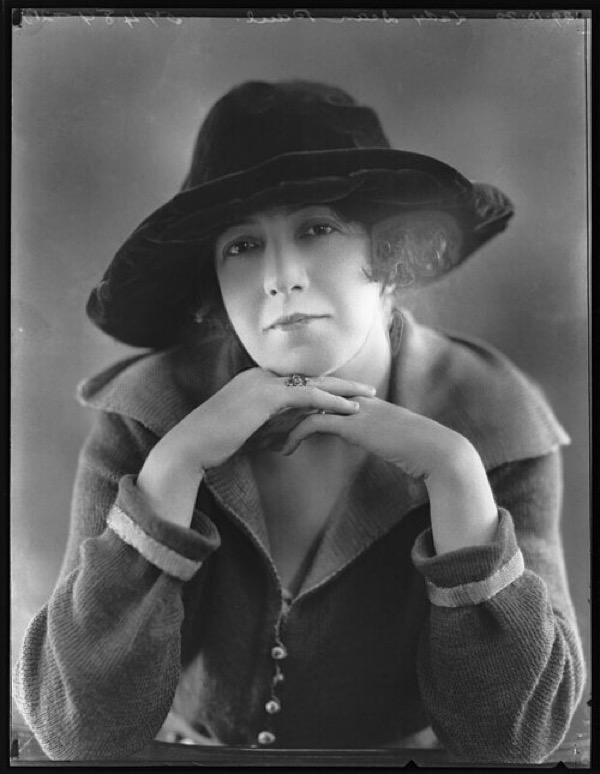
Poldowski

Poldowski

Poldowski demonstrated musical talent from an early age, beginning her studies at age 7. Two years later, she composed an “Oriental Suite.” (This has since been lost.)

She later claimed that in 1892, the year she turned thirteen, she enrolled at the Brussels Conservatory. However, her name doesn’t appear in the conservatory’s official records, so it is possible she just took private lessons from the teachers there.

We know that she studied composition with François-Auguste Gevaert, and piano with Pierre-Jean Storck. Both men have since fallen into complete obscurity.

In 1893, when she was fourteen, she began performing her own compositions in public.

In 1896, she and her mother moved to her mother’s hometown of London. There she studied composition with organist, composer, and conductor Percy Pitt, and piano with Michael Hambourg.

Around this time, she also began using the pseudonym Irène Wieniawska, adopting the feminised form of her famous father’s surname. She became a professional composer and began publishing her music while still in her teens.

Marriage, Motherhood, and Music

In October 1901, when she was twenty-two years old, she married Sir Aubrey Edward Henry Dean Paul. The couple had been introduced by Dame Nellie Melba, the most famous singer of the era.

The couple bonded over their mutual passion for music. Sir Aubrey was a talented amateur baritone, and during their marriage, Régine would often accompany his vocal performances.

They had their first child, also named Aubrey, a year later, in October 1902.

When her son was a year old, she went to Paris to study under composer André Gedalge, the man who taught both Enescu and Ravel.

However, her Parisian studies came to an early end. She got pregnant in the autumn of 1903. Then, a gut-punch of a tragedy: her toddler son Aubrey died in January 1904.

She left Paris after his death and returned to London, giving birth to her second son Brian a few months later, in May 1904.

The death of two-year-old Aubrey hit her hard. Her songs Soir (Evening) and Berceuse d’Armorique (Lullaby of Armorica), as well as her violin piece Berceuse pour l’enfant mourant (Lullaby for the Dying Child), all touch on the tragedy.

Around this time, she also chose a new pseudonym: Poldowski.

We don’t know for sure why she chose it, but it was a combination of her husband’s name and her father’s name, with all indicators of her female identity removed.

At some point between 1904 and 1907, she returned to Paris, this time to study with Vincent d’Indy at the Schola Cantorum, but departed after just one term. Contemporary reports suggest that she felt she learned more by teaching herself than by taking formal instruction.

She gave birth to her third and final child, Brenda, in the summer of 1907.

Poldowski’s Famous Songs

Poldowski’s early reputation, garnered during the Belle Époque, was built on the quality of the songs she wrote in her twenties. Like Debussy and Fauré, she was drawn to setting the mysterious, atmospheric verse of Paul Verlaine.

Her settings of Verlaine’s poetry share similarities with those of Debussy and Fauré: their lush beauty, their mercurial nature and surprising harmonies, and above all, their unmistakable French character.   

In the spring of 1908, she performed in a concert in London’s storied Bechstein Hall, featuring seven of her songs sung by tenor Gervase Elwes.

She also sang her own work at private British house concerts, a place where many talented musicians hobnobbed while performing for small, appreciative, influential audiences.

Publishers took notice. In 1911, the prestigious Parisian publishing house Durand published three of her songs. More followed.

The Premiere of the Poldowski Violin Sonata

In the summer of 1912, she gave a public concert at the Aeolian Hall in London, where she performed several of her songs.

She also offered an instrumental work that signalled an expansion of her musical palette: a dreamy, moody violin sonata.   

The London Times reviewed the concert favourably:

This music is most individual and has a very special motive for existing.

To hear a little of it is to be stung into fresh interest at every moment; to hear much of it would leave one callous to any new sensation.

It exercises the sort of spell which is worked by a brilliant talker when he exhibits all the facets of a truth he does not too seriously believe; the fascination lies in the interplay of the flashes of light, and the diamond might or might not be paste.

It is a work that is perhaps at times emotionally elusive – but that mystery, interwoven with its lush and restless beauty, is also part of its charm.

How Poldowski’s Career Hit New Heights

Poldowski’s musical ambitions continued to grow throughout her thirties.

A few months before the Aeolian Hall concert, Sir Henry Wood, the conductor of the Proms, programmed an unpublished Poldowski work for woodwinds.

He liked it so much that he commissioned music from her. She responded with her Suite miniature and Nocturne for orchestra. They met with mixed reviews, but proved she was more than capable of writing for larger ensembles.  

In 1919, she appeared at the Proms as a pianist, playing her own work for piano and orchestra, Pat Malone’s Wake.

Between 1919 and 1922, she lived and toured in the United States.

By this time, for reasons that historians have yet to uncover, her marriage had fallen apart; her mental and physical health had deteriorated; and her finances were in ruin.

She and her husband officially divorced in 1921, and she returned to Britain the following year.

Poldowski’s Later Life in Britain

After her divorce, Poldowski continued to make a musical life for herself, giving and organising concerts.

One of her notable accomplishments was organising a series of recitals at the Hyde Park Hotel, featuring Arthur Rubinstein and Jacques Thibaud, two of the greatest performers of their generation.

She also developed a passion for fashion. She opened a boutique and even designed some pieces for the royal family.

In her early fifties, she came down with a severe case of pneumonia that necessitated the removal of a lung.

She died of a heart attack in January 1932.

What Happened to Poldowski’s Children?

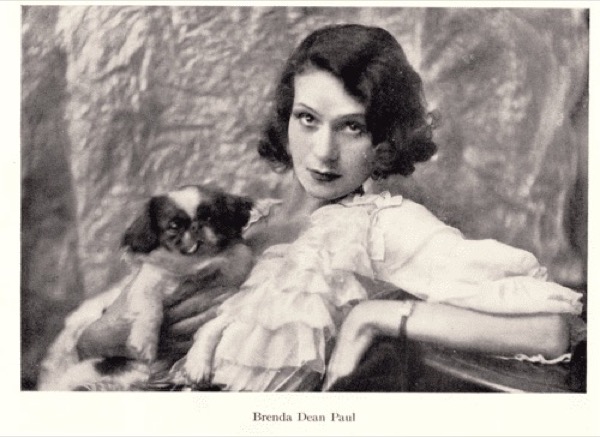
Brenda Dean Paul

Brenda Dean Paul

Many composers who enter the canon have spouses or children who help to popularise their music after their deaths. In Poldowski’s case, her two surviving children were unable to advocate for their mother’s music after her death, as both suffered from severe mental health issues and addictions.

Both became well-known members of the bohemian social scene of irresponsible young aristocrats who came to be known as the Bright Young Things. Both were queer, and both preferred to live at the edges of respectable British society.

Brian, the son born in 1904, earned the nickname “Napper” because he tended to fall asleep in doorways under the influence.

At various times in his life, he attempted to support himself by running a grill room and cabaret, writing poetry, interior designing – and even committing petty crimes.

His younger sister Brenda Dean Paul preferred to live on the fringes of conventional society. She attempted a career as a silent film actress, but never found sustained professional success. Instead, after a miscarriage and her ensuing addiction to morphine, she became one of the first celebrity drug addicts.

Her colourful criminal life constantly made the newspapers. After Poldowski’s death, her baronet father asked the police to monitor her closely.

Her condition deteriorated anyway. Just months after her mother’s death, she was sent to Holloway Prison for drug-related crimes. While there, she developed bulimia.

She remained addicted to various substances for the rest of her life, and died at the age of 52 in 1959 – the same age her mother had been when she died.

Poldowski’s Legacy

Poldowski died in January 1932, leaving behind a body of work as mercurial and hard to pin down as the woman herself.

She had spent her life slipping between identities – Régine, Irène, Lady Dean Paul, Poldowski. Without children able to champion her music, or the kind of institutional support that had secured the legacies of many of her male contemporaries, her name faded.

But the music didn’t disappear. And in recent years, scholars and performers have begun returning to it – drawn in, perhaps, by the same quality the London Times identified in 1912: that restless, flashing intelligence, that lush beauty with an edge of mystery underneath.

Poldowski resists easy categorisation. She always did. That’s exactly why she’s worth a listen, even today.

Saturday, August 15, 2026

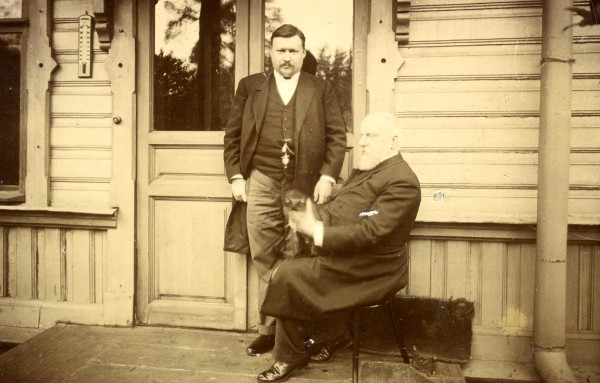
The Symphonies by Alexander Glazunov (Born on August 10, 1865)

A prodigious musical talent, Glazunov began his studies with Rimsky-Korsakov at age 15, and his teacher wrote, “His musical development progressed not by the day, but literally by the hour.”

After a short period of study, Glazunov completed his First Symphony at the age of 16. It is said that when Glazunov walked onto the stage to receive the audience’s cheers, the crowd was shocked to see a 17-year-old boy in a school uniform.

In all, Glazunov composed eight symphonies and left a ninth unfinished. A master of his craft, Glazunov blends Russian nationalist spirit with classical structure and brilliant orchestration. To celebrate his birthday, here is a beginner’s guide to his eight symphonies and the unfinished ninth.   

Symphony No. 1: Triumphant Debut

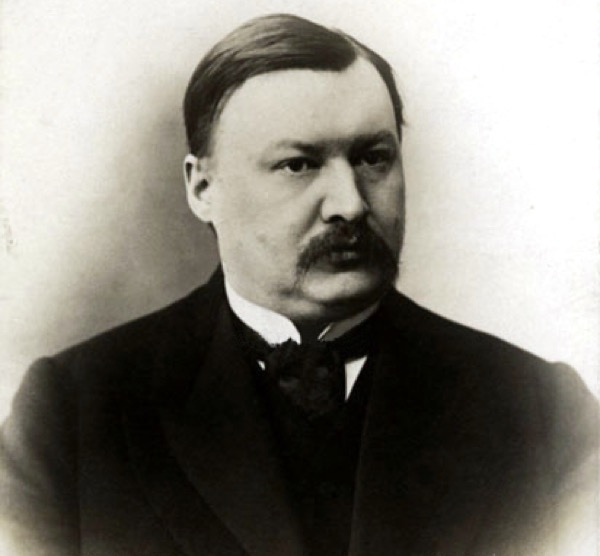
Alexander Glazunov

Alexander Glazunov

During a time when composers were indulging in all kinds of experiments, Glazunov continued the symphonic tradition of Tchaikovsky. He composed his first pieces at the age of 11, and Tchaikovsky immediately recognised a remarkable talent.

Nicknamed “Slavonic,” the Symphony No. 1 is a remarkable achievement for a teenager that impressed Balakirev, Rimsky-Korsakov, Liszt, and Belyayev. It is full of youthful energy and folk influences, including Russian and Polish elements, and radiates bright optimism.

Cast in a traditional four-movement structure with sonata-form outer movements, it also features a lyrical Adagio and a lively Scherzo. Critics were sceptical that such a work could have come from a mere boy, but Balakirev kept assuring the public that the symphony had indeed been written by the young composer.

For Rimsky-Korsakov, “this symphony was the first of a series of original compositions by the highly gifted artist and indefatigable worker, compositions which gradually spread also to Western Europe and came to be the finest adornments of contemporary musical literature.”

Symphony No. 2: A Lisztian Tribute

Alexander Glazunov with Mily Balakirev

Alexander Glazunov with Mily Balakirev

Glazunov completed his Symphony No. 2 in 1886, when he was 21 years of age. It is dedicated, like Saint-Saëns’s contemporaneous Third Symphony, to the memory of Franz Liszt.

The main theme, announced in a commanding unison statement at the beginning of the first movement, appears in all four movements in various guises. This marks a transition towards greater maturity in larger symphonic forms and exhibits great dramatic sensibility, particularly in the outer movements.

We find plenty of ear-catching tunes, as well as Lisztian brass climaxes and tender Romantic lyricism, all mixed with dramatic intensity. Glazunov was transitioning beyond pure nationalism and towards a more personal, European-influenced voice.

As Igor Stravinsky writes, “Glazunov reigned supreme in the science of the symphony. Each new production of his was received as a musical event of the first order, so greatly were the perfections of his form, the purity of his counterpoint, and the ease and assurance of his writing appreciated.”  

Symphony No. 3: Sunny Lyricism

The Symphony No. 3 in D Major dates from 1890 and is dedicated to Tchaikovsky. Often considered one of his most attractive early works, it is full of lyrical and sunny melodic writing. Yet, it took him some years to complete this work, having sketched ideas as early as 1883.

In this symphony, Glazunov was looking to break away from the nationalist style of the compositions of “The Mighty Handful,” then the most important musical influence in Russia. For Glazunov, symphonic composition went beyond localised influences and strove towards universal forms, moods, and themes.

In essence, the work looks back to Tchaikovsky’s internationalism and shows a growing confidence in thematic development and orchestration. The first performance took place in St Petersburg in December 1890, conducted, because of the composer’s illness, by Lyadov.

Tchaikovsky approved of Glazunov’s effort, and the work’s lyrical episodes are clearly influenced by him. Glazunov reports that he often played the symphony’s scherzo to Tchaikovsky on the piano. Apparently, the only weakness that Tchaikovsky found was “some longueurs and the lack of pauses.”   

Symphony No. 4: Cosmopolitan

Alexander Glazunov composed his Symphony No. 4 in 1893, and it represents a departure from his earlier three symphonies. For the composer, this symphony allowed him to give personal, free, and subjective impressions of himself.

It is dedicated to Anton Rubinstein, a fellow composer and pianist who was long considered persona non grata to Balakirev and his friends. Nikolai Rimsky-Korsakov conducted the premiere on 22 January 1894, and he found the orchestration cumbersome in places, particularly in the third movement.

The work is unusual because it features only three movements and lacks direct Russian folk influences in its thematic material. It almost seems to take its bearings from Tchaikovsky’s abstract ballet music. Interestingly, the Scherzo movement unfolds like a tone poem, supposedly depicting the painting “Diana’s Chase” by Symbolist painter Arnold Böcklin.

In essence, this symphony reconciles both the Nationalist and Cosmopolitan styles, and the work was very popular in Europe. Glazunov was looking for a way to artistically present a reconciled and open-minded musical Russia, something he achieved through impeccable craftsmanship and his powers of invention.    

Symphony No. 5: Heroic Masterpiece

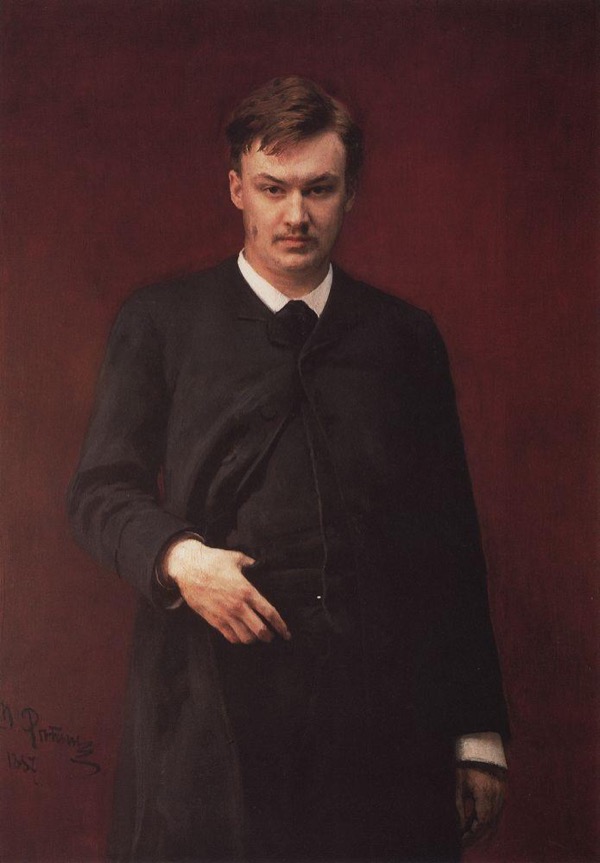
Alexander Glazunov by Ilya Repin

Alexander Glazunov by Ilya Repin

Glazunov’s Fifth Symphony is nicknamed the “Heroic Symphony,” and it is dedicated to his friend and fellow composer Sergei Taneyev. It might well be Glazunov’s most popular work, especially in America.

Glazunov frequently described this symphony as an architectural poem, with thematic transformation across the entire symphony guiding an unbroken continuity. The dance-like first subject grows from the opening maestoso, and the triumphant animato at the end of the final movement combines material used earlier in the work.

The delicate “Scherzo” was always an audience favourite, with the third movement exposing lush melodies that are constantly interrupted by brass chorales. With this monumental structure, Glazunov presents a wealth of details, shifting rhythms, and dazzling orchestration that all contribute to making this one of Glazunov’s finest symphonies.

Sadly, this symphony is rarely performed, as Shostakovich called it “old-fashioned.” At the end of the 19th century, music had to break boundaries relating to conventional harmony and tonality for it to be held in high regard. Today, we recognise it as his symphonic masterpiece.  

Symphony No. 6: Organic Whole

At the Hall of the Nobility in St. Petersburg, two world premieres took place on 15 March 1897. On offer were Glazunov’s Sixth Symphony and Rachmaninoff’s First, with both works conducted by Glazunov himself.

At this time Glazunov was enjoying overwhelming success on account of his Fifth Symphony and the ballet Raymonda, which were among the most popular works by a contemporary composer. On the other hand, Rachmaninoff’s symphony was a complete failure and the composer developed a profound neurosis.

Rimsky-Korsakov called Glazunov’s Sixth Symphony the highest point in his development. It is not as optimistic as the Third nor as confident as the Fifth, but it might be the most typically Russian of his symphonies. We find plenty of Tchaikovsky’s colourful woodwind writing in the central movements, and the powerful yearning quality characteristic of Russian symphonies at the turn of the century.

The Finale might well be one of Glazunov’s most successful closing movements, with the chorale theme introducing contrasting themes. He turns them into an organic whole, and the overall tone is powerful and very positive.   

Symphony No. 7: Pastoral Grace

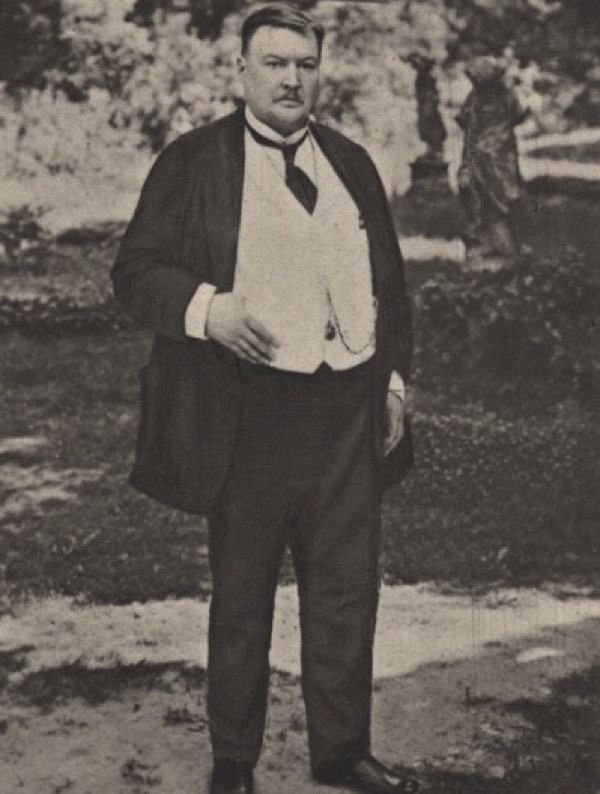
Alexander Glazunov at Bertramka, 1928

Alexander Glazunov at Bertramka, 1928

Alexander Glazunov composed his Symphony No. 7 between 1902 and 1903, when he was at the height of his reputation as both composer and conductor. At that time, his mature style had fully crystallised, with lyricism and structural clarity taking precedence over dramatic or nationalist statements.

It is dedicated to the City of St. Petersburg in celebration of its bicentennial in 1903, but in its association with the rustic sound of Beethoven’s own Pastoral, it musically harkens back to Germanic music and classical thought.

As Glazunov writes, “More by instinct than by premeditated intention I wanted to combine variation form, which latterly I have come to love passionately, with sonata and rondo forms and to build my music more on contrapuntal than harmonic bases.”

The work throughout favours a serene and classical balance over high drama. It certainly represents the composer’s ideal of the symphony as an uplifting and noble art form, and while it lacks the tension and release of the Sixth Symphony, it provides melodic richness and an atmosphere of confident maturity.  

Symphony No. 8: Majestic Summit

Glazunov’s Symphony No. 8, premiered on 21 December 1906, represents the summation of his career as a symphonist. It combines complete mastery of ideas with a darker, more unsettled mood, one that has been a feature of some of his finest works.

It was composed at a time of great political turmoil, as Russia’s defeat in the Russo-Japanese War was followed by a wave of protests, political assassinations, and strikes. The events of the day may well reflect the sombre tone of the work, but as always in Glazunov’s symphonies, there is no extramusical programme.

It was Glazunov’s final completed symphony, and the opening movement engages in a wistful and yearning melancholy. The second movement presents an ominous three-note motif throughout, and its despairing outbursts are unique for Glazunov. A lighter-hearted scherzo leads the symphony to a majestic finale.

Symphony No. 9: Unfinished Mystery

Glazunov started work on his Symphony No. 9 in D minor in 1910, but it was still unfinished by the time of his death in 1936. Glazunov had only sketched the first movement and had given the score to Rimsky-Korsakov’s son-in-law Maximilian Steinberg in 1928. It was then orchestrated in 1947 by Gavriil Yudin.

The movement grows from the first four notes played by the viola in the slow introduction, reaching a dynamic climax. This process is followed in the “Allegro,” with the clarinet introducing a meandering second theme. The movement returns to the slow introduction and gradually fades away.

The nine symphonies by Alexander Glazunov trace his evolution from folk-infused optimism through his confident mastery of form and orchestration to a more introspective personal voice. Together they represent a musical bridge between Tchaikovsky’s emotional directness and the future Russian symphonic tradition.

𝐌𝐎𝐙𝐀𝐑𝐓’𝐒 𝐒𝐘𝐌𝐏𝐇𝐎𝐍𝐘 𝐍𝐎. 𝟒𝟎 — 𝐓𝐇𝐄 𝐃𝐀𝐑𝐊 𝐇𝐄𝐀𝐑𝐓 𝐎𝐅 𝟏𝟕𝟖𝟖

Mozart’s 𝐒𝐲𝐦𝐩𝐡𝐨𝐧𝐲 𝐍𝐨. 𝟒𝟎 𝐢𝐧 𝐆 𝐦𝐢𝐧𝐨𝐫, 𝐊. 𝟓𝟓𝟎, completed on 25 July 1788, stands at the centre of one of the most astonishing bursts of creativity in the history of music. Within only a few weeks Mozart produced his final three symphonies: No. 39 in E-flat major, completed on 26 June; No. 40 in G minor on 25 July; and No. 41 in C major, the “Jupiter,” on 10 August.
The speed of composition can be misleading. Nothing about the Fortieth sounds careless or provisional. It is an extraordinarily concentrated work in which 𝐫𝐡𝐲𝐭𝐡𝐦, 𝐡𝐚𝐫𝐦𝐨𝐧𝐲 𝐚𝐧𝐝 𝐜𝐨𝐮𝐧𝐭𝐞𝐫𝐩𝐨𝐢𝐧𝐭 are made to serve an emotional argument of remarkable continuity.
Unlike many eighteenth-century symphonies, it does not begin with a ceremonial gesture or a grand orchestral proclamation. The listener seems instead to enter a drama already in progress.
𝐓𝐡𝐞 𝐬𝐮𝐦𝐦𝐞𝐫 𝐨𝐟 𝟏𝟕𝟖𝟖
Mozart was living in Vienna and experiencing considerable financial pressure. He repeatedly sought loans from his friend and fellow Freemason Michael Puchberg during this period. Yet it would be too simple to interpret the G-minor Symphony as a direct musical diary of personal misery.
Mozart's music rarely allows such straightforward biographical equations.
What can be said with certainty is that the symphony emerged during an extraordinary creative concentration. Mozart entered it in his own thematic catalogue on 𝐉𝐮𝐥𝐲 𝟐𝟓, 𝟏𝟕𝟖𝟖, giving us an unusually precise completion date.
The original orchestration called for flute, two oboes, two bassoons, two horns and strings. Mozart subsequently produced a second version that added 𝐭𝐰𝐨 𝐜𝐥𝐚𝐫𝐢𝐧𝐞𝐭𝐬, rewriting parts of the wind scoring accordingly. That revision is an important clue to the work's performance history: Mozart was not treating the score as an abstract testament intended only for posterity.
𝐀 𝐬𝐲𝐦𝐩𝐡𝐨𝐧𝐲 𝐭𝐡𝐚𝐭 𝐛𝐞𝐠𝐢𝐧𝐬 𝐢𝐧 𝐦𝐢𝐝-𝐬𝐞𝐧𝐭𝐞𝐧𝐜𝐞
The opening of the first movement, Molto allegro, is one of the most radical gestures in Mozart’s symphonic writing.
There is no slow introduction and no orchestral chord announcing the beginning. The violas establish an agitated accompaniment almost immediately, and above it the violins introduce the famous sighing theme.
The effect is extraordinary: 𝐭𝐡𝐞 𝐦𝐮𝐬𝐢𝐜 𝐬𝐞𝐞𝐦𝐬 𝐭𝐨 𝐡𝐚𝐯𝐞 𝐛𝐞𝐠𝐮𝐧 𝐛𝐞𝐟𝐨𝐫𝐞 𝐰𝐞 𝐬𝐭𝐚𝐫𝐭 𝐥𝐢𝐬𝐭𝐞𝐧𝐢𝐧𝐠.
Its restless repeated figures and falling semitones generate almost all the movement's tension. Mozart does not require huge orchestral forces. The drama comes instead from the manipulation of small motives, harmonic instability and an astonishing control of expectation.
The exposition eventually offers contrast in B-flat major, but the relief is never complete. The minor-mode atmosphere remains psychologically present beneath the apparent elegance.
The development intensifies fragmentation and modulation, while the recapitulation refuses to provide the kind of uncomplicated return that a listener might expect.
𝐓𝐡𝐞 𝐬𝐥𝐨𝐰 𝐦𝐨𝐯𝐞𝐦𝐞𝐧𝐭 — 𝐜𝐚𝐥𝐦 𝐰𝐢𝐭𝐡𝐨𝐮𝐭 𝐩𝐞𝐚𝐜𝐞
The Andante, in E-flat major, initially appears to offer repose.
Yet Mozart fills it with chromatic details, suspensions and quietly insistent rhythmic figures. Beneath its graceful surface there is continual motion.
This is characteristic of the entire symphony: 𝐞𝐯𝐞𝐧 𝐢𝐭𝐬 𝐜𝐚𝐥𝐦𝐞𝐬𝐭 𝐦𝐮𝐬𝐢𝐜 𝐧𝐞𝐯𝐞𝐫 𝐟𝐞𝐞𝐥𝐬 𝐜𝐨𝐦𝐩𝐥𝐞𝐭𝐞𝐥𝐲 𝐚𝐭 𝐫𝐞𝐬𝐭.
The movement is especially revealing when comparing the two versions of the symphony, because Mozart's later revisions of the wind writing suggest that he continued to reconsider instrumental colour after the initial composition.
𝐓𝐡𝐞 𝐌𝐢𝐧𝐮𝐞𝐭 — 𝐧𝐨 𝐥𝐨𝐧𝐠𝐞𝐫 𝐚 𝐜𝐨𝐮𝐫𝐭𝐥𝐲 𝐝𝐚𝐧𝐜𝐞
The third movement is formally a minuet, but almost nothing about it feels comfortably aristocratic.
Its accents are forceful, its phrases tense and its contrapuntal writing unusually concentrated.
The movement transforms a familiar social dance into something severe and almost combative.
The G-major Trio provides temporary relief, with warmer woodwind writing and a more pastoral character, but the return of the Minuet restores the darker world of G minor.
𝐓𝐡𝐞 𝐟𝐢𝐧𝐚𝐥𝐞 — 𝐌𝐨𝐳𝐚𝐫𝐭 𝐚𝐭 𝐡𝐢𝐬 𝐦𝐨𝐬𝐭 𝐫𝐚𝐝𝐢𝐜𝐚𝐥
The Allegro assai begins with a sharply rising figure followed by an answering descent.
At first the language seems conventionally Classical. But the development section contains one of the most startling passages Mozart ever wrote.
The opening idea is fragmented and hurled through a sequence of harmonic regions with an almost deliberately destabilizing effect. For a moment the music seems to dismantle the tonal system on which the symphony itself depends.
The remarkable point is that Mozart achieves this without abandoning Classical form. 𝐓𝐡𝐞 𝐯𝐢𝐨𝐥𝐞𝐧𝐜𝐞 𝐜𝐨𝐦𝐞𝐬 𝐟𝐫𝐨𝐦 𝐰𝐢𝐭𝐡𝐢𝐧 𝐭𝐡𝐞 𝐟𝐨𝐫𝐦, 𝐧𝐨𝐭 𝐟𝐫𝐨𝐦 𝐝𝐞𝐬𝐭𝐫𝐨𝐲𝐢𝐧𝐠 𝐢𝐭.
And unlike many later Romantic symphonies, there is no victorious transformation into the major mode.
The work ends in G minor.
There is 𝐧𝐨 𝐭𝐫𝐢𝐮𝐦𝐩𝐡𝐚𝐧𝐭 𝐫𝐞𝐬𝐨𝐥𝐮𝐭𝐢𝐨𝐧.
𝐖𝐚𝐬 𝐭𝐡𝐞𝐫𝐞 𝐚 𝐁𝐚𝐫𝐨𝐪𝐮𝐞 𝐢𝐧𝐟𝐥𝐮𝐞𝐧𝐜𝐞?
Yes — but it needs to be understood carefully.
Symphony No. 40 is emphatically a Classical symphony, not a return to Baroque style. Its sonata structures, orchestral balance and thematic organization belong squarely to late eighteenth-century Viennese Classicism.
However, by 1788 Mozart had absorbed important aspects of 𝐁𝐚𝐜𝐡 𝐚𝐧𝐝 𝐇𝐚𝐧𝐝𝐞𝐥.
Beginning around 1782, Mozart regularly attended the Sunday gatherings of Baron Gottfried van Swieten in Vienna, where the music of Johann Sebastian Bach, Carl Philipp Emanuel Bach, Wilhelm Friedemann Bach and Handel was studied and performed. Mozart even arranged or transcribed fugues for performance at these meetings.
This encounter had a lasting effect. Mozart did not simply imitate Baroque counterpoint; he gradually absorbed it into his own mature language.
That distinction is essential.
In Symphony No. 40 the Baroque inheritance is visible less in quotation than in 𝐜𝐨𝐧𝐭𝐫𝐚𝐩𝐮𝐧𝐭𝐚𝐥 𝐝𝐞𝐧𝐬𝐢𝐭𝐲, 𝐢𝐦𝐢𝐭𝐚𝐭𝐢𝐯𝐞 𝐰𝐫𝐢𝐭𝐢𝐧𝐠 𝐚𝐧𝐝 𝐭𝐡𝐞 𝐚𝐛𝐢𝐥𝐢𝐭𝐲 𝐭𝐨 𝐦𝐚𝐤𝐞 𝐬𝐦𝐚𝐥𝐥 𝐦𝐨𝐭𝐢𝐯𝐞𝐬 𝐠𝐞𝐧𝐞𝐫𝐚𝐭𝐞 𝐥𝐚𝐫𝐠𝐞 𝐬𝐭𝐫𝐮𝐜𝐭𝐮𝐫𝐞𝐬.
The Minuet provides especially clear examples of contrapuntal tension, while the finale demonstrates Mozart’s increasingly sophisticated ability to make several musical lines participate in the argument simultaneously.
The culmination of this Bach-inspired tendency comes even more spectacularly only sixteen days later in the contrapuntal finale of the “Jupiter” Symphony, K. 551.
So the answer is not that Symphony No. 40 “sounds Baroque.” Rather, 𝐌𝐨𝐳𝐚𝐫𝐭 𝐡𝐚𝐝 𝐚𝐛𝐬𝐨𝐫𝐛𝐞𝐝 𝐁𝐚𝐜𝐡’𝐬 𝐜𝐨𝐧𝐭𝐫𝐚𝐩𝐮𝐧𝐭𝐚𝐥 𝐭𝐡𝐢𝐧𝐤𝐢𝐧𝐠 𝐚𝐧𝐝 𝐫𝐞𝐜𝐫𝐞𝐚𝐭𝐞𝐝 𝐢𝐭 𝐢𝐧𝐬𝐢𝐝𝐞 𝐭𝐡𝐞 𝐂𝐥𝐚𝐬𝐬𝐢𝐜𝐚𝐥 𝐬𝐲𝐦𝐩𝐡𝐨𝐧𝐲.
𝐖𝐚𝐬 𝐢𝐭 𝐩𝐞𝐫𝐟𝐨𝐫𝐦𝐞𝐝 𝐢𝐧 𝐌𝐨𝐳𝐚𝐫𝐭’𝐬 𝐥𝐢𝐟𝐞𝐭𝐢𝐦𝐞?
For many years, a romantic legend claimed that Mozart composed his final three symphonies without ever hearing them performed.
Modern scholarship has made that view increasingly difficult to maintain.
No securely documented public premiere of Symphony No. 40 has been identified. That is important: 𝐰𝐞 𝐝𝐨 𝐧𝐨𝐭 𝐤𝐧𝐨𝐰 𝐭𝐡𝐞 𝐞𝐱𝐚𝐜𝐭 𝐝𝐚𝐭𝐞 𝐨𝐟 𝐢𝐭𝐬 𝐟𝐢𝐫𝐬𝐭 𝐩𝐞𝐫𝐟𝐨𝐫𝐦𝐚𝐧𝐜𝐞.
However, evidence strongly suggests that Mozart heard the symphony.
A letter discovered by scholar Milada Jonášová refers to a performance of the G-minor Symphony at Baron van Swieten’s home, with Mozart present; according to the account, the performance was so poor that Mozart left before it was finished.
There were also concerts in Dresden in April 1789, Leipzig in May 1789, Frankfurt in October 1790 and Vienna in April 1791 in which Mozart symphonies were performed, although surviving programs do not always identify which symphony by key or catalogue number.
The strongest practical evidence is Mozart's revision adding clarinets.
A composer normally does not undertake such substantial reorchestration unless 𝐚 𝐫𝐞𝐚𝐥 𝐩𝐞𝐫𝐟𝐨𝐫𝐦𝐚𝐧𝐜𝐞 𝐢𝐬 𝐞𝐢𝐭𝐡𝐞𝐫 𝐩𝐥𝐚𝐧𝐧𝐞𝐝 𝐨𝐫 𝐡𝐚𝐬 𝐚𝐥𝐫𝐞𝐚𝐝𝐲 𝐬𝐮𝐠𝐠𝐞𝐬𝐭𝐞𝐝 𝐜𝐡𝐚𝐧𝐠𝐞𝐬. Mozart scholar Neal Zaslaw has emphasized precisely this point.
𝐄𝐚𝐫𝐥𝐲 𝐫𝐞𝐜𝐞𝐩𝐭𝐢𝐨𝐧
The work did not immediately acquire the canonical status it possesses today.
Its emotional ambiguity created very different responses during the nineteenth century. Some listeners heard grace and refinement; others heard anxiety, tragedy or even terror.
This disagreement is revealing.
The symphony's expressive power lies precisely in the fact that 𝐢𝐭 𝐜𝐨𝐦𝐛𝐢𝐧𝐞𝐬 𝐂𝐥𝐚𝐬𝐬𝐢𝐜𝐚𝐥 𝐞𝐥𝐞𝐠𝐚𝐧𝐜𝐞 𝐰𝐢𝐭𝐡 𝐚 𝐥𝐞𝐯𝐞𝐥 𝐨𝐟 𝐞𝐦𝐨𝐭𝐢𝐨𝐧𝐚𝐥 𝐢𝐧𝐬𝐭𝐚𝐛𝐢𝐥𝐢𝐭𝐲 𝐭𝐡𝐚𝐭 𝐩𝐨𝐢𝐧𝐭𝐬 𝐛𝐞𝐲𝐨𝐧𝐝 𝐂𝐥𝐚𝐬𝐬𝐢𝐜𝐢𝐬𝐦.
Its G-minor world can certainly be related to the eighteenth-century Sturm und Drang tradition, although Mozart's mature harmonic and formal sophistication makes the Fortieth far more than a late example of that style.
𝐅𝐫𝐨𝐦 𝐌𝐨𝐳𝐚𝐫𝐭 𝐭𝐨 𝐁𝐞𝐞𝐭𝐡𝐨𝐯𝐞𝐧
The most important future consequence of the Fortieth lies in the way Mozart turns a short, restless motive into the driving force of a large symphonic movement.
That method would become central to 𝐁𝐞𝐞𝐭𝐡𝐨𝐯𝐞𝐧.
It would be simplistic to say that Beethoven merely copied Symphony No. 40, but the affinity is important: concentrated motives, dramatic developments, minor-key tension and the transformation of thematic fragments into structural forces all became defining features of Beethoven’s symphonic language.
In that sense Mozart's Fortieth stands at a historical threshold.
The symphony still belongs unmistakably to Haydn and Mozart’s Classical world, but 𝐢𝐭 𝐚𝐥𝐫𝐞𝐚𝐝𝐲 𝐩𝐨𝐢𝐧𝐭𝐬 𝐭𝐨𝐰𝐚𝐫𝐝 𝐁𝐞𝐞𝐭𝐡𝐨𝐯𝐞𝐧’𝐬 𝐜𝐨𝐧𝐜𝐞𝐩𝐭 𝐨𝐟 𝐭𝐡𝐞 𝐬𝐲𝐦𝐩𝐡𝐨𝐧𝐲 𝐚𝐬 𝐚 𝐬𝐮𝐬𝐭𝐚𝐢𝐧𝐞𝐝 𝐩𝐬𝐲𝐜𝐡𝐨𝐥𝐨𝐠𝐢𝐜𝐚𝐥 𝐝𝐫𝐚𝐦𝐚.
Later composers including Schubert, Mendelssohn and Brahms inherited a symphonic tradition in which Mozart's late works had become indispensable models of formal concentration and expressive depth.
There is a particularly beautiful historical irony here: Johannes Brahms later owned the autograph manuscripts of both versions of Symphony No. 40, before donating them to the Gesellschaft der Musikfreunde in Vienna.
𝐀 𝐬𝐲𝐦𝐩𝐡𝐨𝐧𝐲 𝐰𝐢𝐭𝐡𝐨𝐮𝐭 𝐜𝐨𝐧𝐬𝐨𝐥𝐚𝐭𝐢𝐨𝐧
Mozart’s Fortieth is sometimes described as “Romantic” before Romanticism.
That description is useful only if treated cautiously.
Its formal discipline is intensely Classical; nothing is allowed to become shapeless or merely confessional. But inside that discipline Mozart created an emotional world of unusual unease.
The first movement begins in agitation.
The Andante offers reflection but not complete serenity.
The Minuet transforms dance into struggle.
The finale drives forward with increasing instability and closes uncompromisingly in minor.
There is 𝐧𝐨 𝐚𝐩𝐨𝐭𝐡𝐞𝐨𝐬𝐢𝐬, 𝐧𝐨 𝐯𝐢𝐜𝐭𝐨𝐫𝐲, 𝐧𝐨 𝐜𝐨𝐧𝐯𝐞𝐫𝐬𝐢𝐨𝐧 𝐨𝐟 𝐝𝐚𝐫𝐤𝐧𝐞𝐬𝐬 𝐢𝐧𝐭𝐨 𝐥𝐢𝐠𝐡𝐭.
That may be its most modern feature.
In the summer of 1788 Mozart took the impeccable machinery of the Classical symphony, enriched it with a contrapuntal discipline partly nourished by his encounter with 𝐁𝐚𝐜𝐡 𝐚𝐧𝐝 𝐇𝐚𝐧𝐝𝐞𝐥, and made it express something far more unstable and troubling.
The result was not merely one of Mozart’s greatest symphonies.
𝐈𝐭 𝐛𝐞𝐜𝐚𝐦𝐞 𝐨𝐧𝐞 𝐨𝐟 𝐭𝐡𝐞 𝐜𝐫𝐮𝐜𝐢𝐚𝐥 𝐛𝐫𝐢𝐝𝐠𝐞𝐬 𝐛𝐞𝐭𝐰𝐞𝐞𝐧 𝐭𝐡𝐞 𝐂𝐥𝐚𝐬𝐬𝐢𝐜𝐚𝐥 𝐚𝐠𝐞 𝐚𝐧𝐝 𝐭𝐡𝐞 𝐬𝐲𝐦𝐩𝐡𝐨𝐧𝐢𝐜 𝐰𝐨𝐫𝐥𝐝 𝐭𝐡𝐚𝐭 𝐁𝐞𝐞𝐭𝐡𝐨𝐯𝐞𝐧 𝐰𝐨𝐮𝐥𝐝 𝐬𝐨𝐨𝐧 𝐭𝐫𝐚𝐧𝐬𝐟𝐨𝐫𝐦.
May be an image of text that says 'BACH ANDEI GROSSELA GROSSE SYMPHONIE Herra Walfgang WalfgangAmadé Amadé MOZART NATIONAI.HOPTHEATE NATIONALI WANACHOEHEATER fiadenim EATER W.A W.A.MOZART T Symphonie nG-mall K. K.550 550 Symphonie in Symph -moll N" 40 <.550 50 W. A. Mozart'