Friday, August 7, 2026

Bach’s influence on Jazz

 by Maureen Buja  August 2nd, 2026


Let’s look at his influence not on his contemporaries, not on his students, but on 20th-century composers.
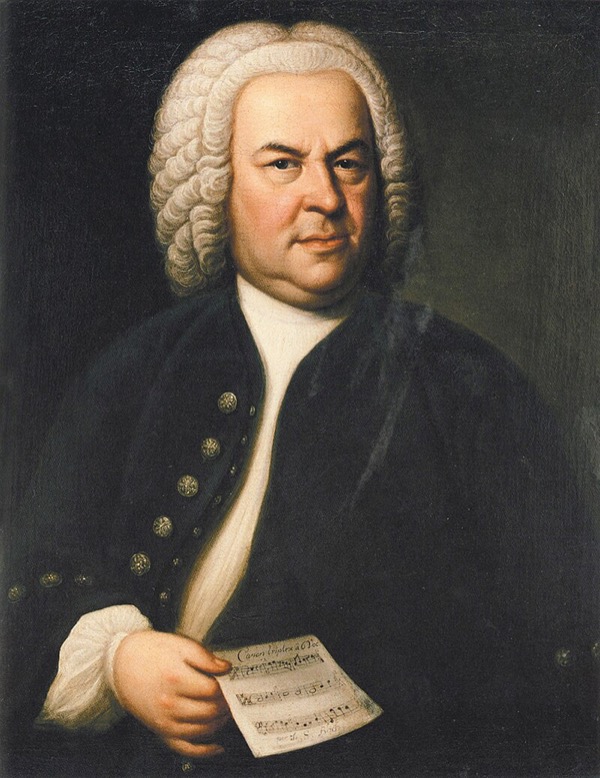
Elias Gottlob Haussmann: Johann Sebastian Bach, 1748 (Leipzig: Bach-Archiv)

Elias Gottlob Haussmann: Johann Sebastian Bach, 1748 (Leipzig: Bach-Archiv)

Jazz gives us the opportunity to swing a solid beat. And that beat is what Baroque music is known for – what is sometimes called ‘sewing machine’ music – you start it and off it goes until it unwinds at the end. For jazz artists, Baroque music can be a springboard for improvisation (which was also important in Bach’s era, especially for organists) and for bending that rhythmic line.

Henry Brant took the idea of a Baroque toccata (a virtuoso work for keyboard or plucked string instrument) and swings it more than a little bit. One of the earliest of the Bach-meets-Jazz pieces, dating from the 1940s, the Jazz Toccata on a Bach Theme mixes a bit of Bach with a bit of Art Tatum piano style.  

On the classical side of things, French pianist and composer Jacques Loussier (1934–2019) fell in love with Bach as a child. Starting with the Notebook for Anna Magdalena at age 11, he used it as a place to add his ‘own notes, expanding the harmonies, and playing around with that music’. When he started his fusion of jazz and Bach at the Paris Conservatoire in the 1950s, it was unique for its time. According to the story, at a competition at the conservatory, Loussier played a prelude by Bach, and when his memory failed, he improvised. He later said that he only followed a tradition, because musicians of the 18th century—including Bach—were great improvisers. It probably didn’t hurt that he was earning money on the side playing jazz in Paris bars at the time. Loussier, along with string bass player Pierre Michelot (who had played with Django Reinhardt and the Quintette du Hot Club de France) and percussionist Christian Garros, formed the Jacques Loussier Trio and took Bach on the road, using his music as a basis for their jazz improvisations.
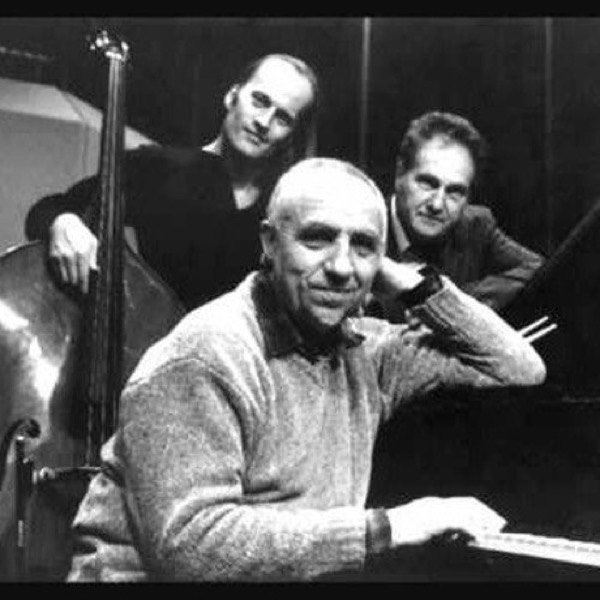
Jacques Loussier Trio

Jacques Loussier Trio


Bach’s Trio Sonatas for Organ, BWV 525–530, are considered formidable organ works, written as training pieces for Bach’s oldest son, Wilhelm Friedemann. In the hands of the Trio Michael Spors, Bach’s Trio Sonata No. 2, BWV 526, is taken apart, put back together, improvised on, and generally changed while still being Bach.
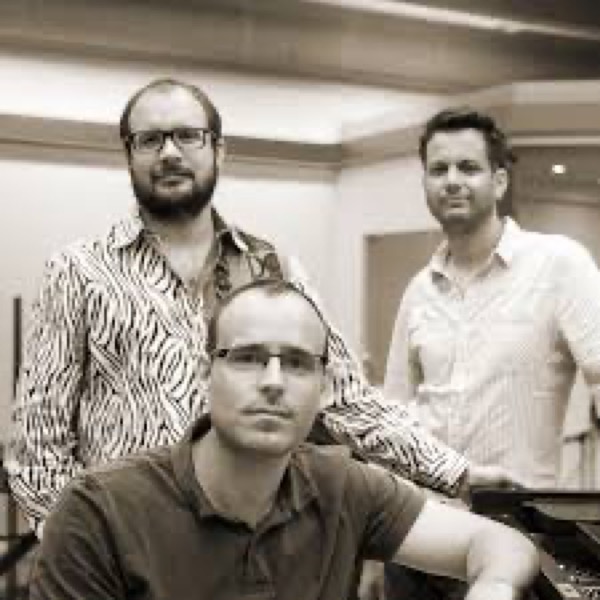
Trio Michael Spors

Trio Michael Spors


German keyboard player and composer David Timm (b. 1969) formed the JazzDuo Timm/Brockelt with saxophonist Reiko Brockelt in 1991. On their 2004 album Visions, they applied a number of different styles to Bach, including swing and samba adaptations to create a new jazz Bach world.

Their swing adaptation of the monumental Toccata and Fugue in D minor takes Bach to a loose and danceable 1940s feel. It’s an amazing amalgam of two distinct styles, emphasised by the different voices of the organ and saxophone.
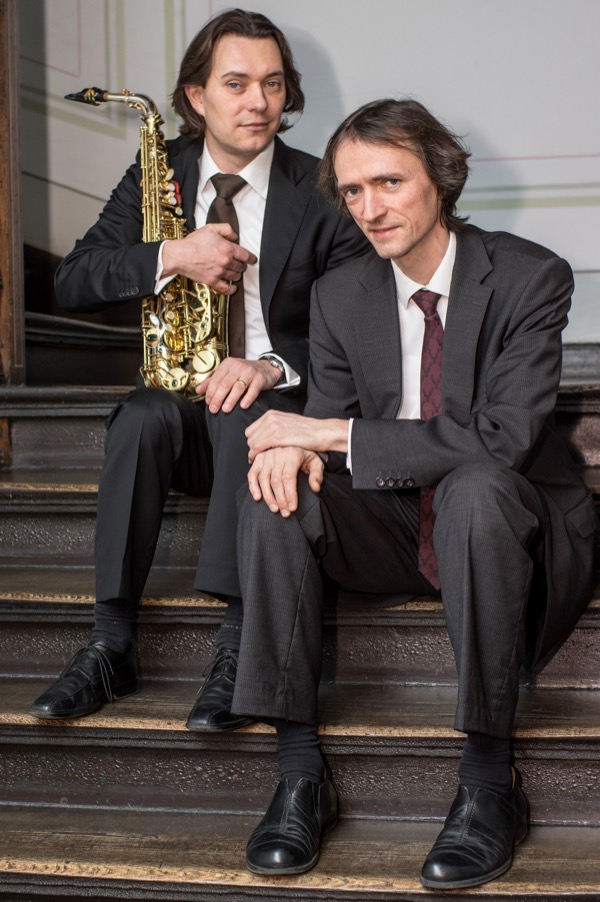
JazzDuo Timm/Brockelt

JazzDuo Timm/Brockelt


Dutch pianist and composer Lucie de Saint Vincent founded the Collectif Trytone to ‘break down the barriers between styles and traditions’. Their first album, Bach to Bach, was used by de Saint Vincent as a way of posing ‘questions about our humanity, the space between heaven and earth, and the relationship between our concrete existence and the realm of spirituality’. She draws on the idea of improvisation and how it contrasts with the modern idea of the set text. We can’t return to Bach’s sonic world, so why not bring him into ours?

The Collectif Trytone is directed by Lucie de Saint Vincent, with soprano Lucie Chartin, saxophonist Joao Driessen, bassist Mihail Ivanov, and Joan Terol Amigo on drums. Their musical synthesis brings together Baroque, Classical and jazz ideas.
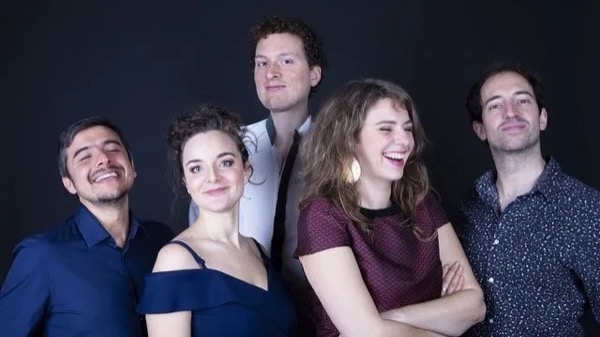
Collectif Trytone

Collectif Trytone


In their 2019 album Bach Today, flautist Stefan Keller and percussionist Beda Ehrensperger ‘play Bach and beyond’, as the cover says. The Bach of the title isn’t just J.S. Bach, but also his son C.P.E. Bach, and the two players create a new world of the ‘Baroque Classical’.

In 1959, a new wave of music came up from Brazil and changed jazz forever. This New Wave, or Bossa Nova sound, credited to Antônio Carlos Jobim (music) and Vinicius de Moraes (words), was based on samba, but without dance steps. It has syncopation but doesn’t swing like American jazz; it is most notable for each voice playing a different rhythm.

On his 1990 album WorldBeat Bach, clarinettist Richard Stoltzman took Bach and placed him in many different international musical styles, including samba, bossa nova, tango, West African, flamenco, calypso, bolero, and gospel. Although the melody is presented in a fairly straightforward manner, it’s always susceptible to that infectious beat below it.
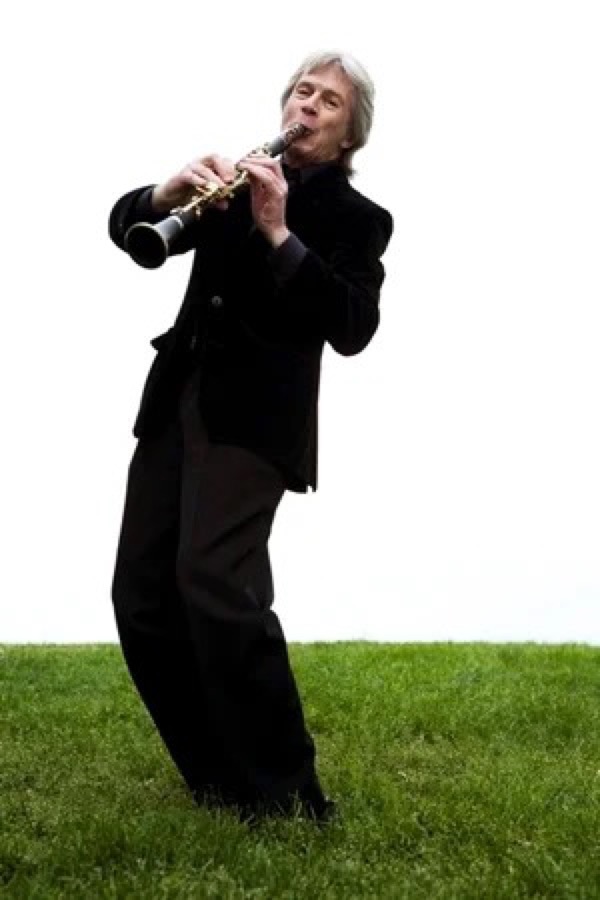
Richard Stoltzman (photo by Lisa Marie Mazzucco)

Richard Stoltzman (photo by Lisa Marie Mazzucco)


Composer Jeremy Wall takes a familiar work by Bach, Jesu, meine Freude, and gives it a slow tango feel.

American vocalist and jazz man Ward Swingle created his vocal group the Swingle Singers in France in 1962, first as session singers backing pop stars such as Charles Aznavour and Edith Piaf, and then they discovered Bach. As a sight-reading exercise, they vocalised Bach’s Well-Tempered Clavier and discovered Bach’s swing possibilities. Their first album Jazz Sébastien Bach started as a private gift for friends and ended up being awarded the 1964 Grammy for Best Performance by a Chorus and Best New Artist. This was followed 5 years later by Jazz Sébastien Bach Vol. 2. This first group was disbanded when Swingle moved from France to England, and reformed again when Swingle moved to the US in 1984. The group is still active and, with its distinctive sound, has featured in many films and TV shows.

Swingle Singers

Swingle Singers


Jazz pianist and composer Brad Mehldau (b. 1970) studied jazz and contemporary music in New York at The New School and was a member of saxophonist Joshua Redman’s quartet in the mid-1990s. Following commissions to write music inspired by Bach, he started touring with these in 2015.

In his piece After Bach, Mehldau plays with Bach’s metre: 3/8 time is turned into the infinitely more complex 20/16, and other time signatures. Odd-metre Bach, playing with the established rondo form, and shifts of tonality take Bach firmly into the 21st century.
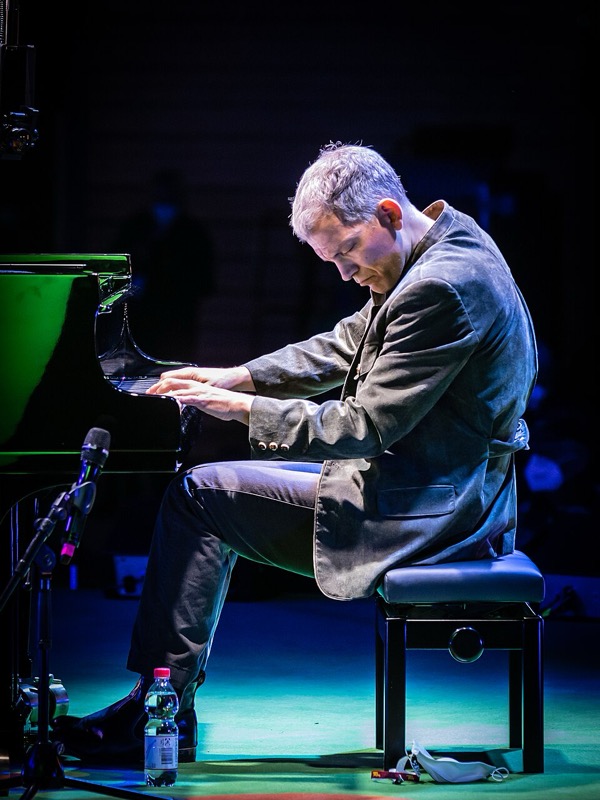
Brad Mehldau, 2021 (photo by Harald Krichel)

Brad Mehldau, 2021 (photo by Harald Krichel)


We’ll return to the Swingle Singers for our last bit of Bach. From their 2007 recording Beauty and the Beat Box, the Swingle Singers were joined by beatboxer Shlomo and the beatboxing choir, Vocal Orchestra. This truly takes Bach to the 21st century.

Bach hides in many places and he’s not only confined to classical music. Jazz, pop, rock and every other genre can see a bit of Bach everywhere. Where’s your favourite Bach?

Monday, August 3, 2026

The Music of my Life


Filipino music in general was introduced to me by my wife Rossana. What does music really mean to Filipinos? It simply tells them where they've been and where they could go. It tells a story that everyone can appreciate and relate to, which is why it's a big part of every Filipino culture.


During the 1980s, Rossana was the lead dancer of the Manisan Cultural Dance Troupe. I got to know about  gong music which can be divided into two types: the flat gong commonly known as gangsà and played by the groups in the Cordillera region and the bossed gongs played among the Islam and animist groups in the southern Philippines. The kulintang ensemble is the most advanced form of ensemble music with origins in the pre-colonial epoch of Philippine history and is a living tradition in southern parts of the country.

Very quickly, it pleased me another popular medium for light classical muse -  the rondalla. Its repertoire consists mainly of native folk tunes, ballroom music as well as arrangements of classical pieces such as opera overtures. Bayani de Leon and Jerry Dadap have written more serious music for the rondalla.  Rondalla is a traditional string orchestra comprising two-string, mandolin-type instruments such as the banduria and laud; a guitar; a double bass; and often a drum for percussion. The rondalla has its origins in the Iberian rondalla tradition and is used to accompany several Hispanic-influenced song forms and dances.

Tinikling and  Cariñosa inspired me more and more. The Tinikling is a dance from Leyte which involves two individual performers hitting bamboo poles, using them to beat, tap, and slide on the ground, in coordination with one or more dancers who step over and in between poles. It is one of the more iconic Philippine dances and is similar to other Southeast Asian bamboo dances. The Cariñosa (meaning "loving" or "affectionate one") is the national dance and is part of the María Clara suite of Philippine folk dances. It is notable for the use of a fan and handkerchief in amplifying romantic gestures expressed by the couple performing the traditional courtship dance. The dance is similar to the Mexican Jarabe Tapatío, and is related to the Kuracha, Amenudo, and Kuradang dances in the Visayas and Mindanao Area.

In the first few years of my life as an expat in the Philippines, it looked like I had forgotten about my classical music from Europe. I focused more and more on Himig ng Pilipinas - the  musical performance arts in the Philippines or by Filipinos composed in various genres and styles. The compositions are often a mixture of different Asian, Spanish, Latin American, American, and indigenous influences.

Notable folk song composers include the National Artist for Music Lucio San Pedro, who composed the famous "Sa Ugoy ng Duyan" that recalls the loving touch of a mother to her child. Another composer, the National Artist for Music Antonino Buenaventura, is notable for notating folk songs and dances. Buenaventura composed the music for "Pandanggo sa Ilaw".

The leading figures of the first generation of Philippine composers were Nicanor Abelardo, Francisco Santiago, Aontonio Molina, and Juan Hernandez. 

But one composer and his works fascinated me the most:  Francisco Buencamino. He belonged to a family of musicians. He was born in San Miguel de Mayumo, Bulacan, on November 5, 1883.  In 1930, he founded the Academy of Music of Buencamino. His musical styles were Kundimans and Sarzuela.

Francisco first learnt music from his father. At age 12, he could play the organ. At 14, he was sent to study at the Liceo de Manila. There, he took up courses in composition and harmony under Marcelo Adonay. He also took up piano-forte courses under a Spanish music teacher. He did not finish his education as he became interested in the sarswela.  Some of the sarswelas he wrote are: "Marcela" (1904), "Si Tio Celo" (1904) and "Yayang " (1905). In 1908, the popularity of the sarswela started to wane because of American repression and the entry of silent movies. Francisco Buencamino then turned to composing kundimans.  

For a time, Francisco Buencamino frequently acted on stage. He also collaborated on the plays written and produced by Aurelio Tolentino. One of his earliest compositions is "En el bello Oriente" (1909), which uses Jose Rizal's lyrics. "Ang Una Kong Pag-ibig", a popular kundiman, was inspired by his wife.  In 1938, he composed an epic poem which won a prize from the Far Eastern University during one of the annual carnivals. His "Mayon Concerto" is considered his magnum opus. Begun in 1943 and finished in 1948, "Mayon Concerto" had its full rendition in February 1950 at the graduation recital of Rosario Buencamino at the Holy Ghost College. "Ang Larawan" (1943), also one of his most acclaimed works, is a composition based on a Balitaw tune. The orchestral piece, "Pizzicato Caprice" (1948) is a version of this composition. Many of his other compositions were lost during the Japanese Occupation, when he had to evacuate his family to Novaliches, Rizal.  

I would say that the "Pizzicato Caprice" is my favorite. I was so lucky to experience it during an awesome performance with the Manila Symphony Orchestra. 

 In my opinion: outstanding groups include not only the Manila Symphony Orchestra, but also the Filipino Youth Symphony Orchestra, the U.P. Symphony Orchestra, the Manila Concert Orchestra, the  Quezon City Philharmonic Orchestra, the Artists’ Guild of the Philippines, the Philippine Choral Society, the U.P. Madrigal Singers, the U.P. Concert Chorus among others.

These are extraordinary treasures of Filipino culture which one hears and experiences far too little about these days.


denise-mendoza-powerpoint-f-buencaminowith-audio-2-638.webp

download.jpg
[Nicanor Abelador]

download (4).jpg
[Francisco Santiago]

download (6).jpg
400.jpg
[Juan Hernandez]

1074326_10202655491098758_315941122_o.jpg

Friday, July 31, 2026

The International Fryderyk Chopin Piano Competition Chopin’s Ultimate Challenge


Origins and Founding Vision

The competition was the vision of Polish pianist and pedagogue Jerzy Żurawlew. In 1925, troubled that Chopin’s music was being dismissed as overly romantic and enervating, Żurawlew conceived the idea of an international piano competition to promote it.

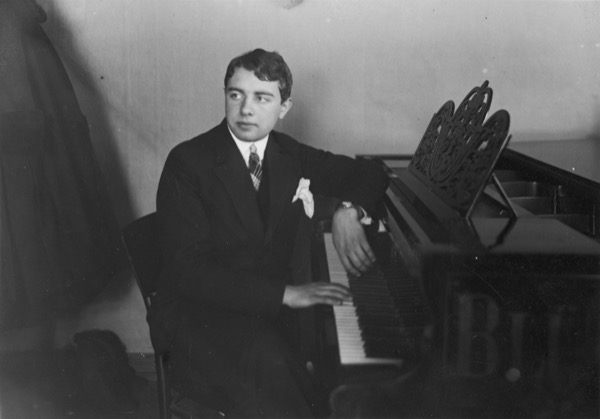
Funding nearly killed the project before it began, but it was rescued by the businessman Henryk Rewkiewicz, a music lover and board member of the Warsaw Music Society. With support from Polish President Ignacy Mościcki, the first competition got under way in 1927, and the exceptional Soviet pianist Lev Oborin, who subsequently became the permanent artistic partner of David Oistrakh, took first prize.

Lev Oborin

Lev Oborin   

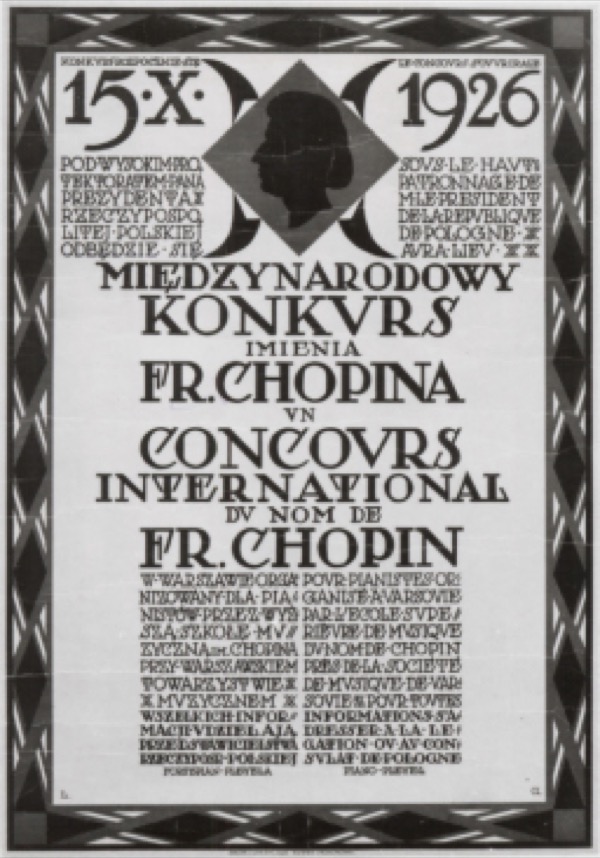
Poster of the 1st Chopin Competition

Poster of the 1st Chopin Competition


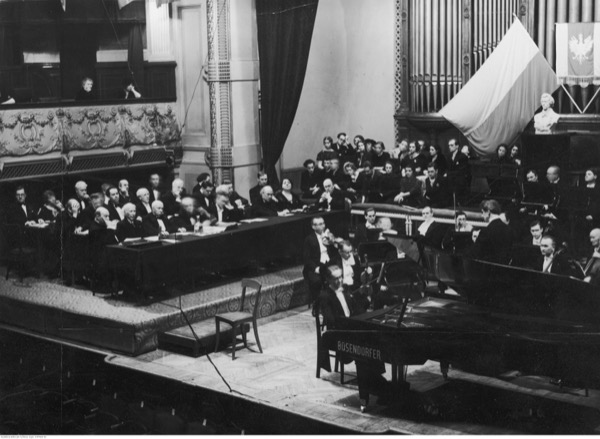
Chopin Competition, 1937

Chopin Competition, 1937

Post-War Revival

Subsequent editions took place in 1932 and 1937, and they resumed after World War II in 1949, with the two great pianists Halina Czerny-Stefańska and Bella Davidovich sharing first prize. Due to the reconstruction of the National Philharmonic, there was a six-year break until 1955, and the podium featured the three great pianists Adam Harasiewicz, Vladimir Ashkenazy, and Fou Ts’ong.

In 1957, it became a founding member of the World Federation of International Music Competitions. At that time, the competition was held near Chopin’s birthday in February, but because jurors and competitors often fell ill during this period, it was moved to October, the month in which Chopin died.

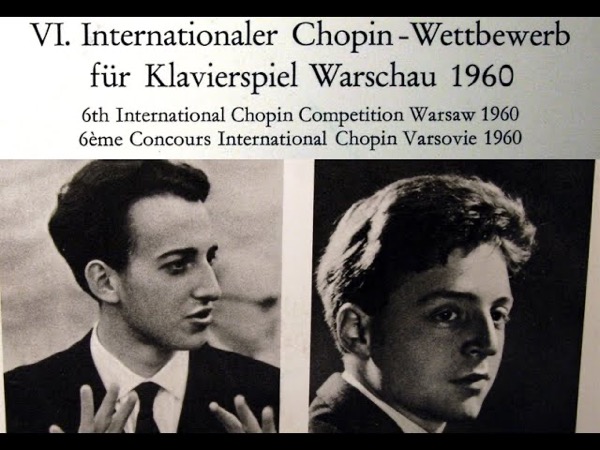
Chopin Competition, 1960

Chopin Competition, 1960   

Drama and Controversy

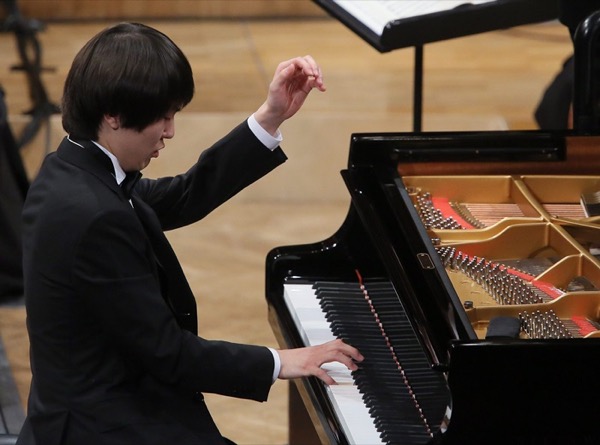
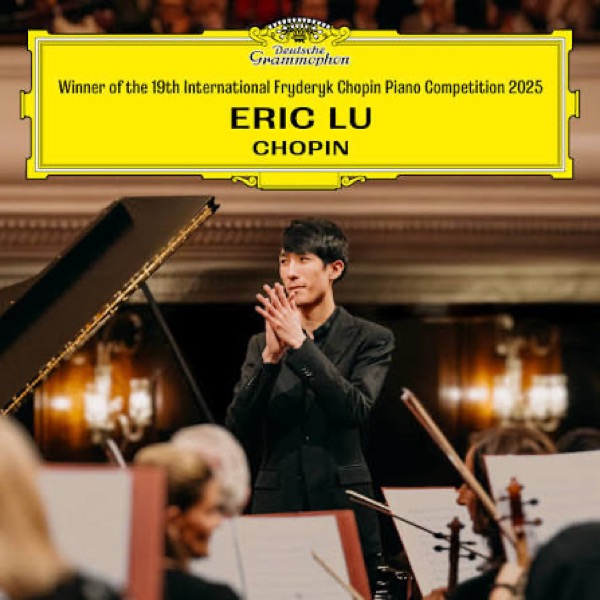
Like any great competition, it has had its share of drama. The 1980 edition was marked by the elimination of Ivo Pogorelich, whom juror Martha Argerich proclaimed a genius. When she quit the jury in an unprecedented act of protest, the controversy got properly started. First prize was withheld in 1990 and 1995, and it was not awarded again until Yundi Li won in 2000. The most recent winners include Seong-Jin Cho (2015), Bruce Liu (2021), and Eric Lu (2025).

Seong-Jin Cho

Seong-Jin Cho   

How the Competition Works

Chopin Competition, 2021

Chopin Competition, 2021

Behind the glittering success of its legendary winners, including Pollini, Argerich, and Zimerman, lies one of the most rigorous and demanding competitions in classical music. The competition unfolds in two main phases, with pianists submitting recordings of their performances, from which the Qualifying Committee selects approximately 160 pianists to take part in the Preliminaries.

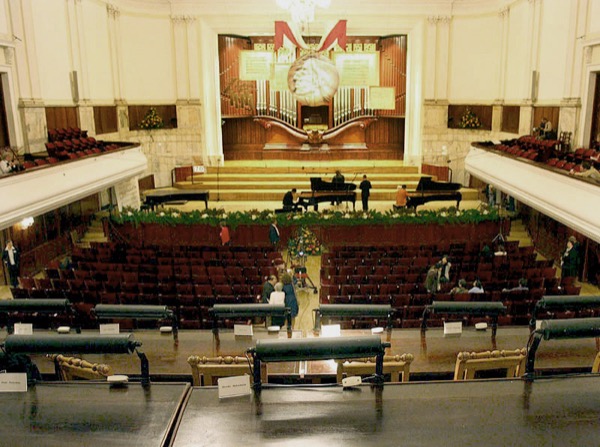
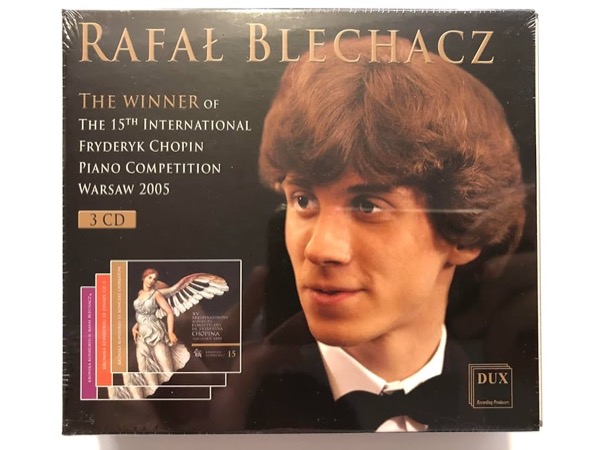
Chopin International Piano Competition, 2005

Chopin International Piano Competition, 2005


Chopin Competition, 2005

Chopin Competition, 2005

The Preliminaries are held roughly six months before the competition, and pianists perform a 30-minute recital. These Preliminaries are open to the public, and the Jury selects 80 of the best pianists who will take part in the main Competition.

The Competition itself is held in three stages and a final. Stage I involves the performance of selected etudes, a nocturne, and a ballad or a barcarolle or fantasia, and the field of 80 pianists is halved to around 40. In the second stage of the Competition, pianists perform a 40 to 50-minute recital, and the programme must include selected preludes and polonaises.

In Stage III, roughly 20 pianists present an hour-long recital comprising a selected sonata, a cycle of Mazurkas, and other Chopin compositions of their choice. The final test for the finalists is a performance of the Polonaise-Fantasie, Op. 61, and a selected piano concerto by Chopin, accompanied by the Warsaw Philharmonic Orchestra.   

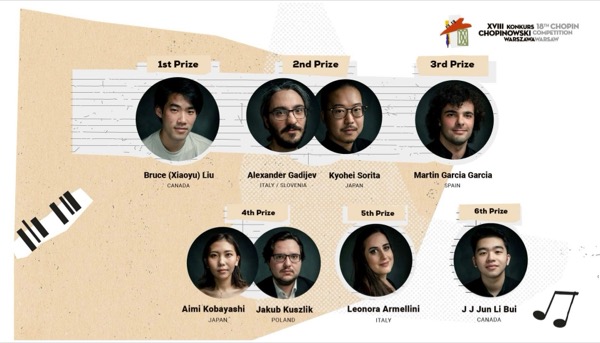
The six highest-ranked finalists receive main prizes and the title of laureate. The winner of the 1st prize will receive €60,000 and a gold medal, the 2nd prize winner €40,000 and a silver medal, and the 3rd prize winner €35,000 and a bronze medal. The winners of the 4th, 5th and 6th prizes will receive €30,000, €25,000 and €20,000 respectively. The remaining finalists will be awarded equal prizes of €8,000.

Traditional special awards at the competition include the Polish Radio prize for the best mazurka performance (since 1927), the Fryderyk Chopin Society in Warsaw prize for the best polonaise (since 1960), and the National Philharmonic prize for the best performance of a piano concerto (since 1980).

A Lasting Legacy

While the names of the 1st prize winners belong to the pantheon of world pianism, the competition has also paved the way for international careers for many other prize winners, including Mitsuko Uchida, Ingrid Fliter, Gabriela Montero, Ingolf Wunder, and Daniil Trifonov. Recipients of special prizes have included Ivo Pogorelich, Nelson Goerner, Angela Hewitt, Christian Zacharias, and Emanuel Ax.

The Chopin Competition is the most important musical event in Poland and one of the most important musical and cultural events in the world. It gives young artists a powerful launch toward international careers, and, perhaps more importantly, it reminds us all that classical music still matters.

Eric Lu

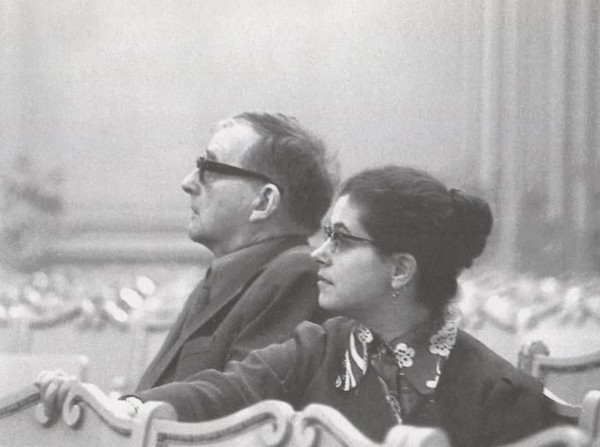
Dmitri Shostakovich’s Three Fascinating Wives

 by Emily E. Hogstad  July 2nd, 2025


He also had a tumultuous personal life. He was married three times to three very different women: Nina Varzar, Margarita Kainova, and Irina Antonovna Spunskaya.

The stories of these relationships provide valuable insight into Shostakovich’s psychology, work, and music. Today, we’re looking at the lives of all three women.

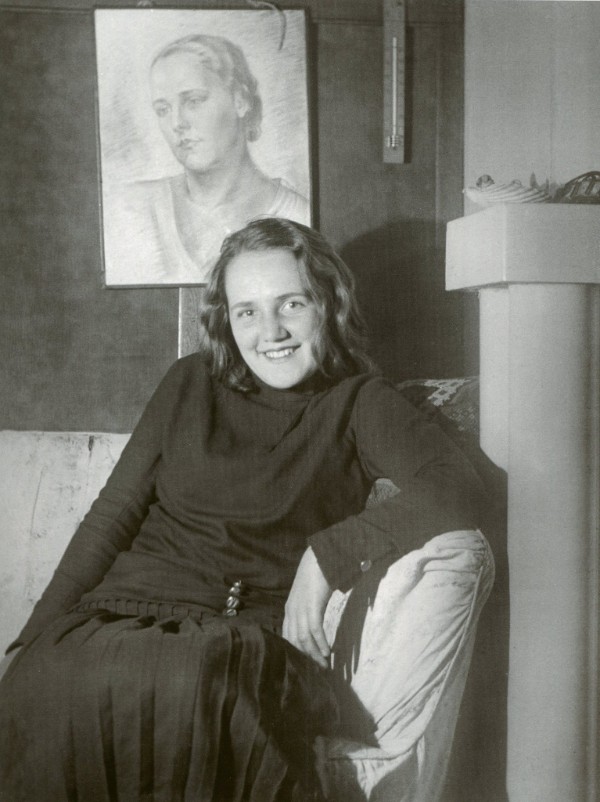
Nina Varzar

Nina Varzar Shostakovich

Nina Varzar Shostakovich

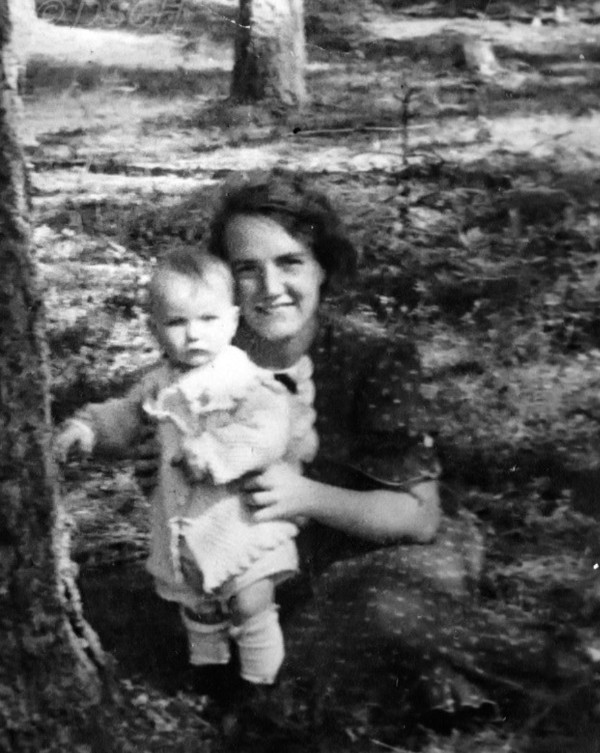
Nina Varzar was born in August 1908, the youngest of three daughters born to a lawyer father and an astronomer mother.

As a young woman, she enrolled as a student at the Physics and Mathematics Department of Leningrad University. After graduation, she became an experimental physicist.

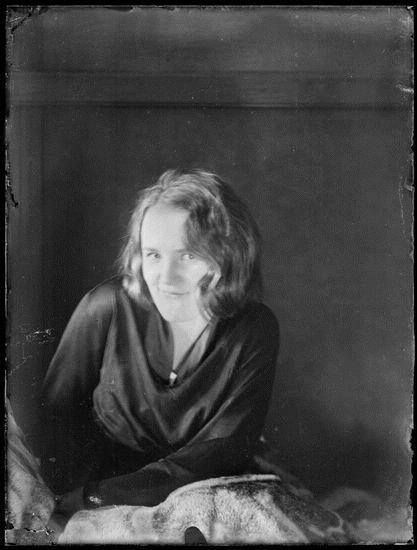
She met Dmitri Shostakovich while on vacation in 1927, the year she turned nineteen. She was athletic and musical, and interested in singing and dancing.

Nina Varzar Shostakovich

Nina Varzar Shostakovich

The two dated on and off over the next few years. (Shostakovich was famously flaky when it came to commitment, and Nina’s family wanted her to graduate from college before getting married.) After a cancelled ceremony, they finally wed in 1932.  

Shostakovich’s 24 Preludes, written between 1932 and 1933  

They didn’t tell either of their families about the wedding until after it happened. When they found out, Shostakovich’s family was horrified. Shostakovich’s sister wrote to their aunt, “I feel I cannot tell you properly what has happened – but what composed and made up our happiness has ended.”

Nina moved into the Shostakovich family apartment in May 1932. In December, Shostakovich finished his opera Lady Macbeth of the Mtsensk District. He dedicated it to Nina.

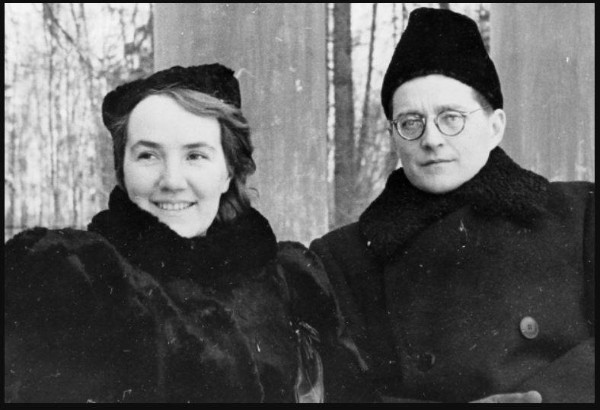
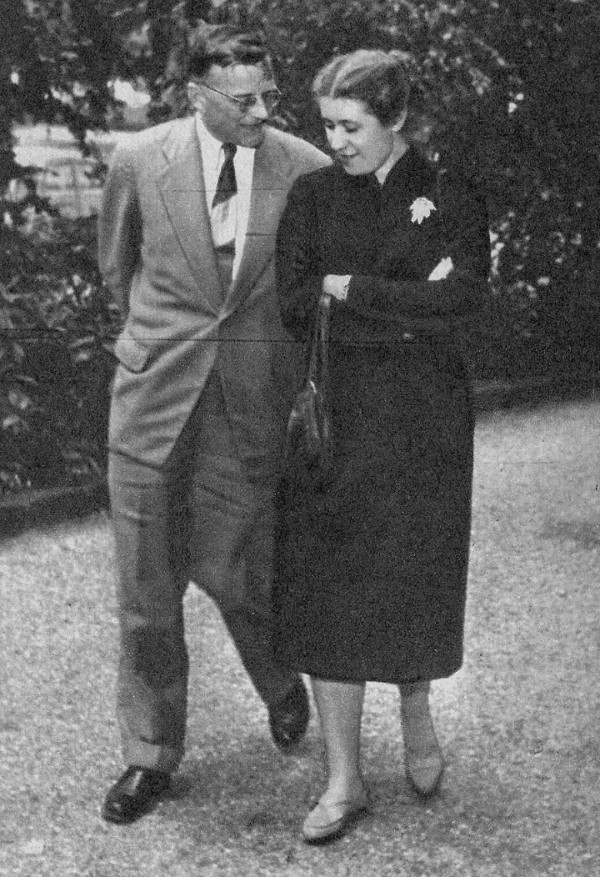
Shostakovich and Nina

Shostakovich and Nina

Unfortunately, their idyllic relationship wouldn’t last for long. In 1934, Shostakovich fell in love with a translator named Elena Konstantinovskaya, and he began appearing with her at social functions. Nina asked for a divorce, and Shostakovich agreed.

They were divorced and Shostakovich made plans to relocate to Moscow. However, while he was making arrangements to move, Nina told him that she was pregnant. They chose to remarry and raise the baby together.   


Halfway through her pregnancy, one of the most consequential – and dangerous – incidents of Shostakovich’s professional life occurred.

In January 1936, Joseph Stalin came to a performance of Lady Macbeth. He left with his entourage before the opera was over.

Nina Shostakovich and Galina

Nina Shostakovich and Galina

Shostakovich knew that Stalin’s disapproval meant terrible things for his life and career. When he took his bows at the end of the performance, he was white as a sheet.

Two days later, on 28 January, Pravda – the official newspaper of the Communist Party – denounced Lady Macbeth, labelling it “vulgar” and “formalist.” The Great Purge was beginning, Stalin was consolidating his power by wielding it over cultural figures, and Shostakovich became dangerous to associate with.

Dmitri and Nina’s daughter, Galina Shostakovich, was born in May 1936. Two years later, in 1938, they had a son named Maxim.

Having children together and enduring the stress and trauma of the Great Purge bonded the couple. In 1936, Shostakovich wrote to a friend, “There can be no question of a divorce from Nina. I have only now realised and fathomed what a remarkable woman she is, and how precious to me.”   

Over the years, the Shostakoviches had an open marriage; both pursued relationships with other people, but always returned to each other.

Nina continued her work as a physicist. She made annual visits to an Armenian research station that would last for several months at a time.

She also served as her husband’s secretary and household director, in addition to her role as mother. She helped to manage his time and ensure he had the privacy and support he needed to compose.

Unfortunately, tragically, in December 1954, while working in Armenia, Nina’s health took a sudden and unexpected turn. She underwent surgery for a colon tumour, fell into a coma after the surgery, and never woke up. She was buried on 10 December 1954. Play

Margarita Kainova

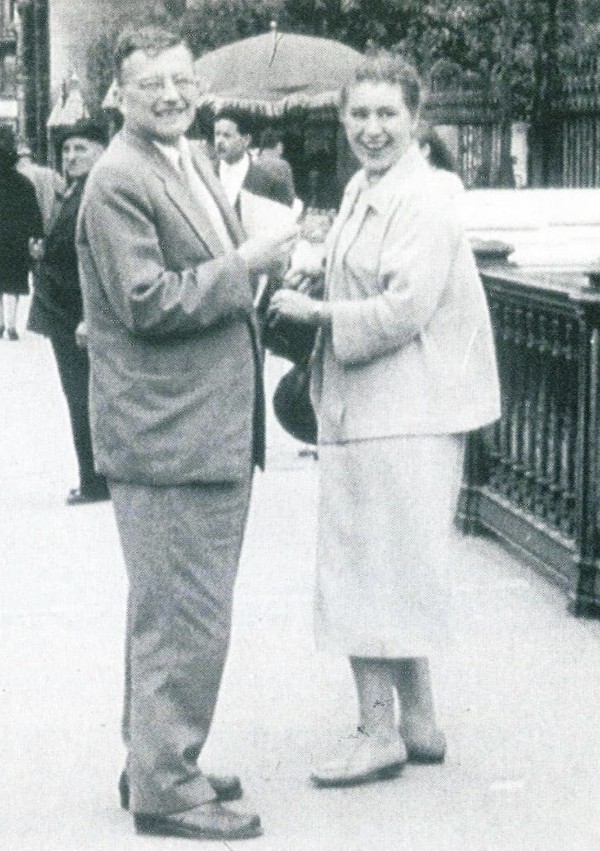
Shostakovich and Margarita Kainova

Shostakovich and Margarita Kainova

Shostakovich was deeply affected by the loss of his wife. He told his friend Edison Denisov, “If only you knew how hard my life is now.”

Early in the summer of 1956, Shostakovich saw a woman in her early thirties at the World Festival of Youth, a competition run by the Komsomol, the youth division of the Communist Party in the Soviet Union. She bore more than a passing physical resemblance to Nina. Her name was Margarita Kainova.

He was taken by her, but was too shy to introduce himself, so he bought two tickets to the opera and asked a friend, Lev Lebedinsky, to deliver the spare to her home. Shostakovich showed up at the opera the next day to find that his seatmate was a man – presumably her brother.

However, he did finally make contact with Margarita. He invited her to his home and, astonishingly, proposed to her. Perhaps even more surprisingly, she accepted.

Shostakovich and Margarita Kainova

Shostakovich and Margarita Kainova

They were married in secret and only told their friends and family after the fact. Everyone was incredulous.   

From the start, the two proved to be incompatible. Kainova openly disliked Shostakovich’s more complex music, and she didn’t get along well with his friends or his children.

Shostakovich’s friend Flora Litvinova wrote:

“She is terribly uninteresting, and there is something horse-like about her. She tries terribly hard to please everybody, from the guests to the children, and to adopt the right tone. But goodness, how vapid and unpleasant she is – particularly after Nina.”

At one point, sick of her complaints about his family, Shostakovich made a dark joke to her: “Why don’t we kill the children? Then we can live happily ever after.” She thought he was serious.

The relationship was doomed. They began divorce proceedings in 1959.

In 1960, he wrote his seventh string quartet and dedicated it to the memory of Nina…a potential acknowledgement that he’d never gotten over her.  

Irina Antonovna Spunskaya

Shostakovich and Irina Antonovna Spunskaya

Shostakovich and Irina Antonovna Spunskaya

In 1961, Lev Lebedinsky introduced him to a young employee named Irina Supinskaya. She was an editor of song lyrics and libretti.

Irina’s background was tragic. She was orphaned as a child, losing family during the Great Purge, siege of Leningrad, and World War II. She was married to an older man when she met Shostakovich, but he pursued her anyway.

Initially, he was concerned about their age difference (Shostakovich was fifty-five and she was twenty-seven). However, the relationship blossomed anyway.

In June 1961, Shostakovich wrote to a friend:

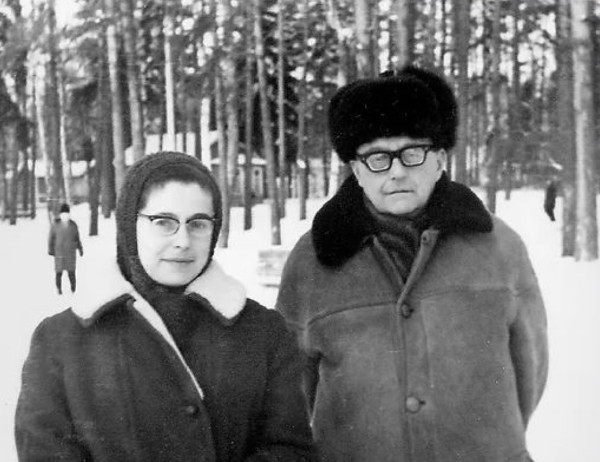
“An event of great importance has happened in my life… My wife is called Irina Antonovna. She has one small defect: she’s only twenty-seven years old. In every other respect, she is sweet, clever, gay, simple, and lovable. She wears glasses and can’t pronounce her l’s and r’s.”

Shostakovich and Irina, 1974

Shostakovich and Irina, 1974

Lebedinsky was leery about the match:

“Irina took it upon herself to establish a new order in the Shostakovich household. As their life became more bourgeois, their home became open to a different class of guests, which didn’t exclude officials. For this reason, our meetings became rarer, and eventually I decided to terminate our friendship, rather than give in to compromise.”

That said, Lebedinsky also admitted that Irina became a stabilising influence.

Soprano Galina Vishnevskaya wrote about Irina:

“It was with her that Dmitri Dmitriyevich finally came to know domestic peace… Surely, she prolonged his life by several years.”   

Irina stayed by Shostakovich’s side as he dealt with a variety of health issues, including three heart attacks, two broken legs, and an injured right hand. He once wryly wrote to a friend:

“Target achieved so far: 75% (right leg broken, left leg broken, right hand defective). All I need to do now is wreck the left hand, and then 100% of my extremities will be out of order.”

After Shostakovich’s first heart attack, Irina left her editing job and devoted herself full-time to supporting Shostakovich. She copied his scores and wrote his letters. She even learned how to drive so that he didn’t have to (driving made him nervous). In return, she was often the first person that Shostakovich played works for.

In addition to his neurological issues, he also had heart failure and lung cancer. He died on 9 August 1975 in Moscow with Irina at his side.

As of 2025, Irina Shostakovich is still alive. She has spent her long widowhood supporting her husband’s legacy.

The Most Beautiful String Writing In Classical Music History


The string section has always been the heart of the orchestra.

From creating intimate chamber-like textures to cathedral-scale climaxes, composers have relied on stringed instruments for centuries to communicate grief, devotion, joy, radiance, and transcendence.

Today, we’re looking at some of the most beautiful orchestral string writing ever composed – and why each piece of writing is so effective.   

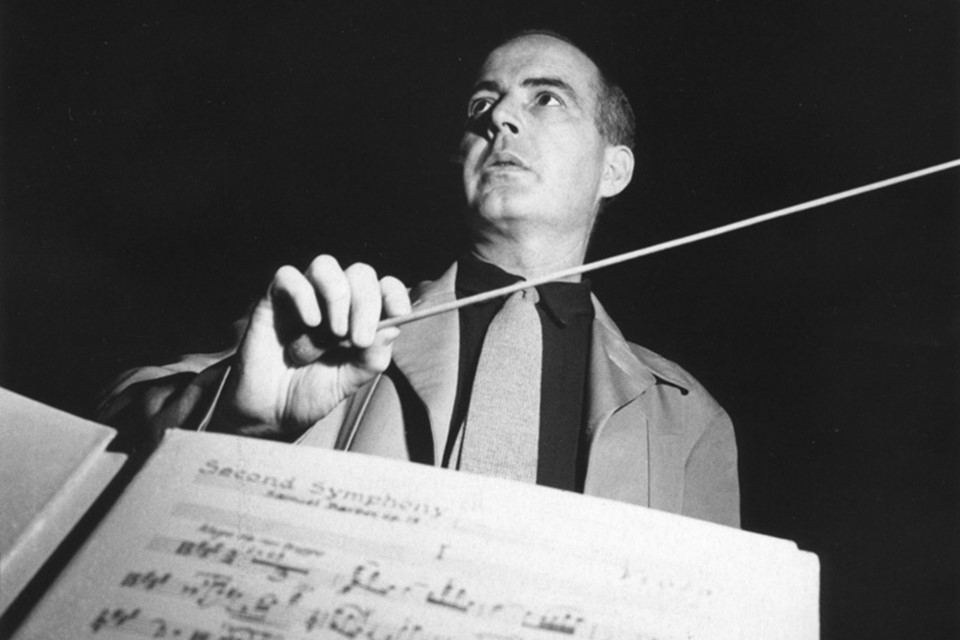
Samuel Barber‘s famous Adagio was originally the slow movement of his String Quartet in B minor.

In 1938, he arranged it for string orchestra and sent the score to legendary conductor Arturo Toscanini, who premiered it with the NBC Symphony Orchestra.

Samuel Barber

Samuel Barber

It quickly became one of the defining American works of the 20th century, and an unofficial anthem of national mourning, performed after the deaths of President Roosevelt, President Kennedy, and even Samuel Barber himself.

The beauty of its writing is due to its simplicity: one long, arching violin line climbs in incremental steps, before reaching a shattering dissonance and collapsing into silence.

It is also extremely exposed for the players – a quality that heightens its intimacy and vulnerability.

Gustav Mahler – Symphony No. 5, Adagietto  

Mahler composed his Fifth Symphony during a period of personal upheaval and transformation, shortly after surviving a near-fatal haemorrhage and during his courtship of his future wife, Alma.

The Adagietto, scored for strings and harp, is often interpreted as a wordless love letter to Alma.

It has also become synonymous with elegy and mourning ever since conductor Leonard Bernstein programmed it at the funeral of Senator Robert F. Kennedy.

Clearly, this is poignant string writing that can express both love and grief.

The harp supports the strings subtly from below, creating a luminous cushion of sound on which the string writing floats.

For long stretches, phrases hover just at the edge of resolution, requiring extraordinary bow control.

The resulting ache of restraint is palpable – whether you interpret the music as a love letter or a eulogy.

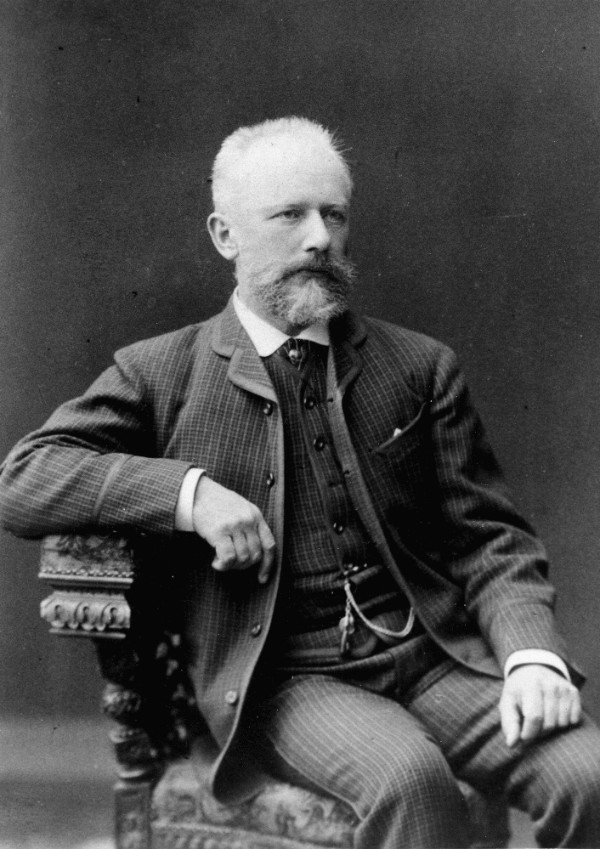
Pyotr Ilyich Tchaikovsky – Symphony No. 6, Finale   

Premiered just nine days before Tchaikovsky‘s death, the “Pathétique” Symphony broke convention by ending not in triumph, but in tragedy.

Given the proximity of the symphony’s premiere and Tchaikovsky’s death, the two events are inextricably linked in music lovers’ minds.

Another reason why it leaves such an indelible impression is the intensity of its string writing. The finale, marked Adagio lamentoso, entrusts its most emotionally charged material to the strings.

Pyotr Ilyich Tchaikovsky

Pyotr Ilyich Tchaikovsky

Descending sighs, throbbing lower strings, and increasingly fragile, fractured textures combine to create a heavy sense of exhaustion and resignation.

By the last bars, the music seems to lose its strength entirely.

Claude Debussy – La Mer  

Debussy began composing La Mer (The Sea) while living in Burgundy, far from the ocean that inspired it.

Premiered in 1905, the work initially puzzled audiences accustomed to traditional symphonic form.

The strings in La Mer rarely carry long Romantic melodies. Instead, Debussy uses divided sections, tremolos, harmonics, and shifting textures to imitate the colour and motion of water. The effect is iridescent – less about narrative, more about atmosphere.

Ralph Vaughan Williams – Fantasia on a Theme by Thomas Tallis   

Premiered at the 1910 Three Choirs Festival in Gloucester Cathedral, Vaughan Williams‘s Fantasia marked a turning point in English music.

Drawing on a 16th-century hymn tune by Thomas Tallis, Vaughan Williams divided the string orchestra into separate groups to take full advantage of the Gloucester Cathedral’s acoustics. The call and response between the parts is deeply moving.

This string writing glows from within, suggesting a sacred character. Meanwhile, the modal harmonies somehow come across as both ancient and modern.

Richard Strauss – Metamorphosen   

Strauss wrote Metamorphosen in the final months of World War II after witnessing the destruction of German cultural centers, including the Munich Opera House.

Scored for 23 solo strings, the work is dense, contrapuntal, and deeply introspective.

Near the end, Strauss quotes the funeral march of Beethoven‘s third symphony – a gesture many listeners interpret as a funeral march for an entire era in European culture.

The string writing is intensely personal. Each player has an individual line, but all are woven into a single lament.

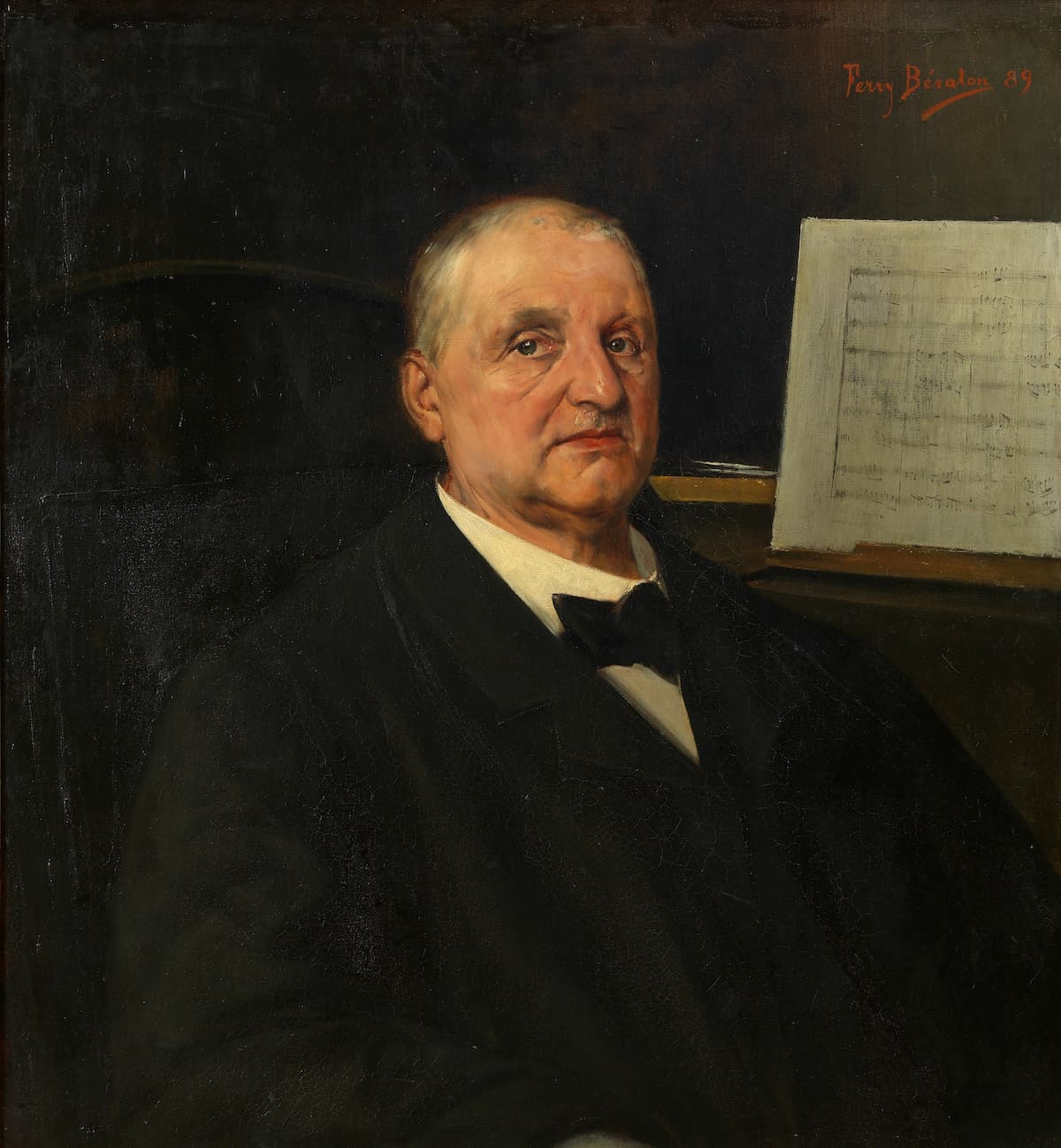
Anton Bruckner – Symphony No. 8, Adagio   

Bruckner struggled for years with his Eighth Symphony, revising it extensively after early criticism. Its adagio ended up being one of his greatest compositional achievements.

Anton Bruckner, 1889

Anton Bruckner, 1889

The movement unfolds in vast, patient arcs. High violin lines shimmer above deep harmonic foundations provided by the brass, building toward monumental climaxes.

It is music that calls to mind both sacred architecture and faith. It is transcendent.

Antonín Dvořák – Serenade for Strings    

Dvořák composed the Serenade as a young man, shortly after receiving support from Johannes Brahms and a crucial Austrian state stipend that helped launch his international career.

Unlike the tragic intensity of some works on this list, the Serenade radiates warmth and a sense of lyric generosity. The melodies flow naturally, and the inner string voices are crafted with affectionate care.

The beauty here is human and grounded, proving that strings don’t need to be playing angsty music to be incredibly memorable.

Conclusion

From Barber’s exposed lament to Debussy’s iridescent textures and Dvořák’s warmth, the greatest orchestral string writing demonstrates just how expressive the section can be.

Strings can convey sorrow, joy, and everything in between with unmatched subtlety. They are capable of both monumental grandeur and fragile intimacy.

It is no accident that composers so often entrust their most beautiful music to the strings: they are – and always have been – the heart and soul of the symphony orchestra.