Friday, July 17, 2026

The Most Hauntingly Slow Pieces in Classical Music


The works below aren’t ranked by beats per minute, and aren’t necessarily the slowest. Instead, they’re famous pieces in which composers deliberately mark a slow and steady tempo, asking listeners to linger, reflect, and feel.

Some are consoling. Others are devastating. Taken together, they explore emotions like ritual, grief, and even transcendence.

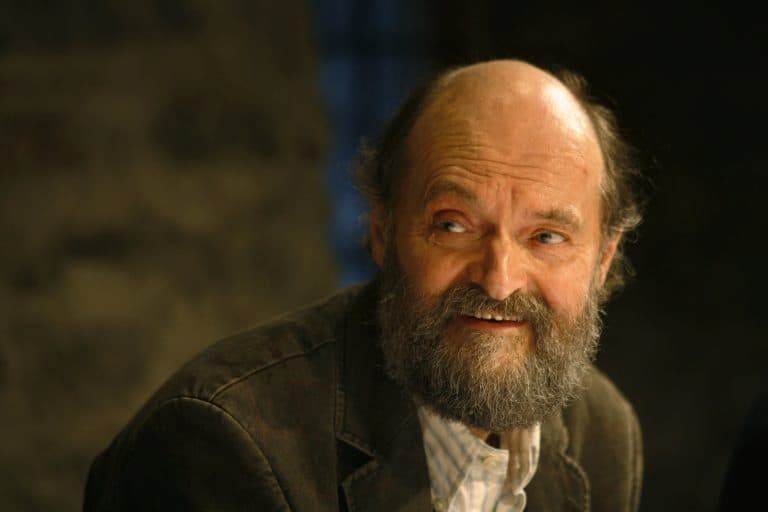
Arvo Part – Spiegel im Spiegel   

One of the most recognisable slow classical pieces of the late 20th century, Spiegel im Spiegel (Mirror in the Mirror) moves at a steady but glacial pace.

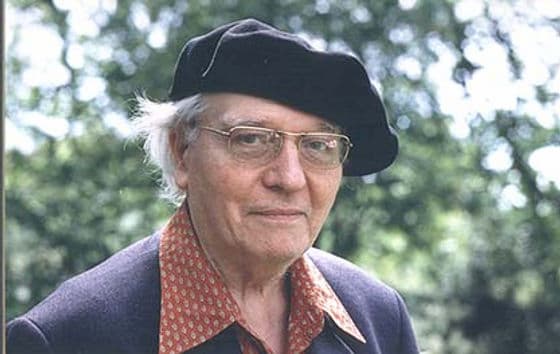
Arvo Pärt

Arvo Pärt

Its repeating piano figures and long-breathed melodic lines create a feeling of suspended calm, as if time has slowed to match a listener’s breathing and heartbeat.

Nothing rushes; nothing presses forward. The music simply exists.

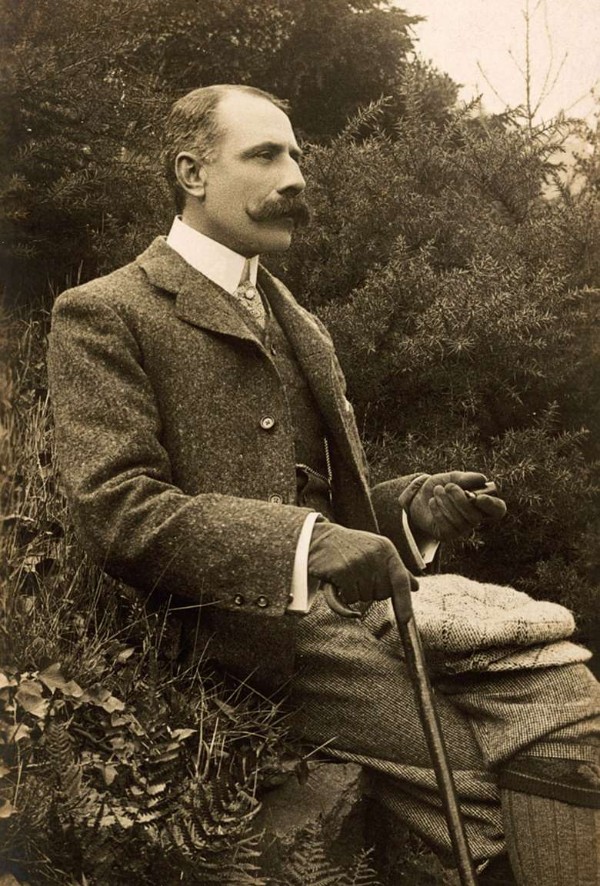
Edward Elgar – Nimrod from the Enigma Variations   

Marked Adagio, “Nimrod” may not be extreme in tempo on paper. But when conductors give a particularly expansive or weighty interpretation, it can feel very slow. (Leonard Bernstein‘s interpretation was especially famous for this.)

This is dignified, almost ceremonial slowness. Emotional layers build on top of each other and accumulate with each step forward.

Edward Elgar

Edward Elgar

“Nimrod” has been a popular tribute piece for orchestras to play after national tragedies. Maybe this connotation has led to the slow speed that many conductors prefer.

Samuel Barber – Adagio for Strings   

Barber’s Adagio for Strings unfolds in one long, aching arc, with slow phrases seemingly stretched to their breaking point.

The excruciating slowness leads to an unforgettable climactic dissonance and a hushed collapse afterwards.

The music moves slowly, not because the notes are particularly long, but because the harmonies build on one another in such a heartbreaking way.

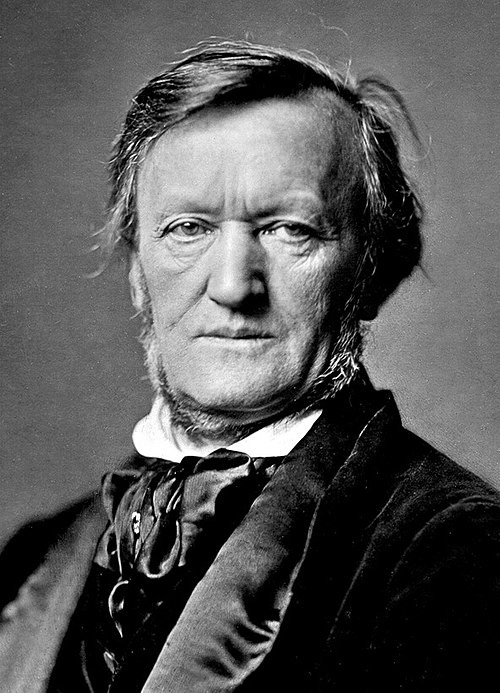
Richard Wagner – Parsifal Prelude   

Wagner‘s final opera opens with music that barely seems to move.

Marked Sehr langsam (“very slowly”), the Prelude from Parsifal sounds more like a ritual than a narrative device, establishing a sacred atmosphere in which time feels ceremonial and suspended.

Richard Wagner

Richard Wagner

Forward motion exists only to sustain a state of religious reverence, making it the perfect introduction to Wagner’s final opera, devoted to themes of spirituality and transcendence.

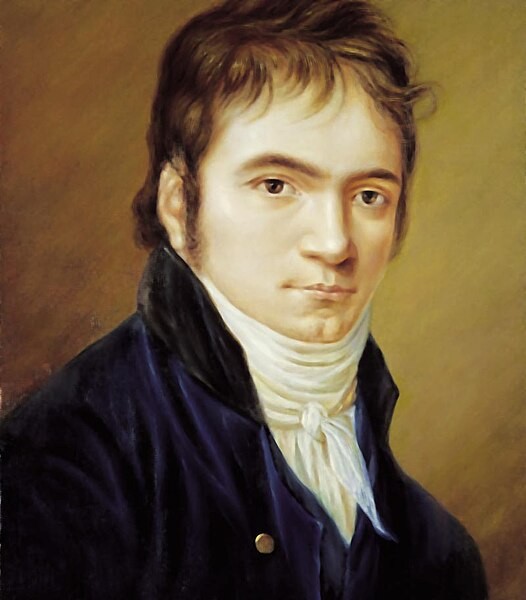
Ludwig van Beethoven – String Quartet No. 15 in A-minor, Movement 3   

One of the most profound slow movements ever written, the Heiliger Dankgesang (“Holy Song of Thanksgiving”) was composed after Beethoven experienced a major health scare involving intestinal issues that he feared might prove fatal.

It alternates between austere, hymn-like slowness and moments of gentle motion marked “Neue Kraft fühlend” (“feeling new strength”), when time becomes something to be contemplated.

Christian Horneman: Ludwig van Beethoven, 1803 (Beethovenhaus Bonn)

Christian Horneman: Ludwig van Beethoven, 1803 (Beethovenhaus Bonn)

This slowness isn’t sorrowful or static; like the Parsifal Prelude, this music is spiritual.

Olivier Messiaen – Louange à l’Eternité de Jésus from Quartet for the End of Time  

Written in a German prisoner-of-war camp, this movement plays with the idea of time in multiple ways.

In the fifth movement, the cello’s endlessly sustained melody floats above softly pulsing chords, creating music that seems detached from time.

French composer Olivier Messiaen

Olivier Messiaen

It can easily send a listener into a trancelike state. The reverent tempo becomes theology, reflecting Messiaen‘s steadfast Catholic faith: the slow motion seems to portray the infinite and the divine.

Gustav Mahler – Symphony No. 9, Movement 4   

Mahler‘s final completed movement is a farewell stretched to its absolute limit.

The music – written for a massive orchestra – moves slowly, then more slowly still, fragmenting as it goes.

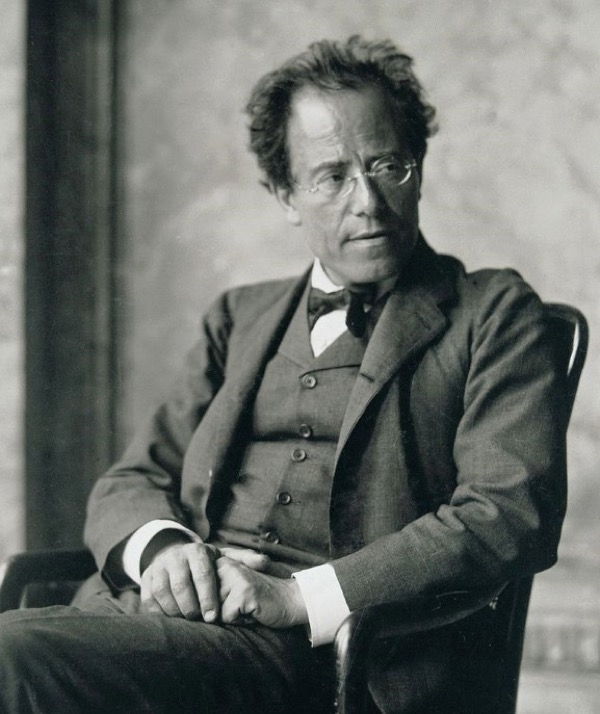
Gustav Mahler

Gustav Mahler

Rather than resolving clearly and cleanly, after nearly half an hour, it just dissolves, the strings tapering to nothing, leaving behind silence that feels both earned and irreversible. Time doesn’t stop; it just fades away.

Morton Feldman – Rothko Chapel   

Pulse is barely perceptible in Morton Feldman‘s Rothko Chapel. Sounds appear, linger, then vanish without clear direction.

In fact, Feldman removes the sense of progression almost entirely, creating music that exists for a particular duration rather than expands on a narrative. Listening feels less like following a path and more like inhabiting a space.

For good measure, here’s one last bonus piece that might be classified less as slow classical music and more as a sound experiment:

John Cage – Organ²/ASLSP (As SLow aS Possible)    

This is the outer limit of musical slowness.

Cage’s Organ²/ASLSP asks its performer to play, as the title’s acronym suggests, “as slow as possible.”

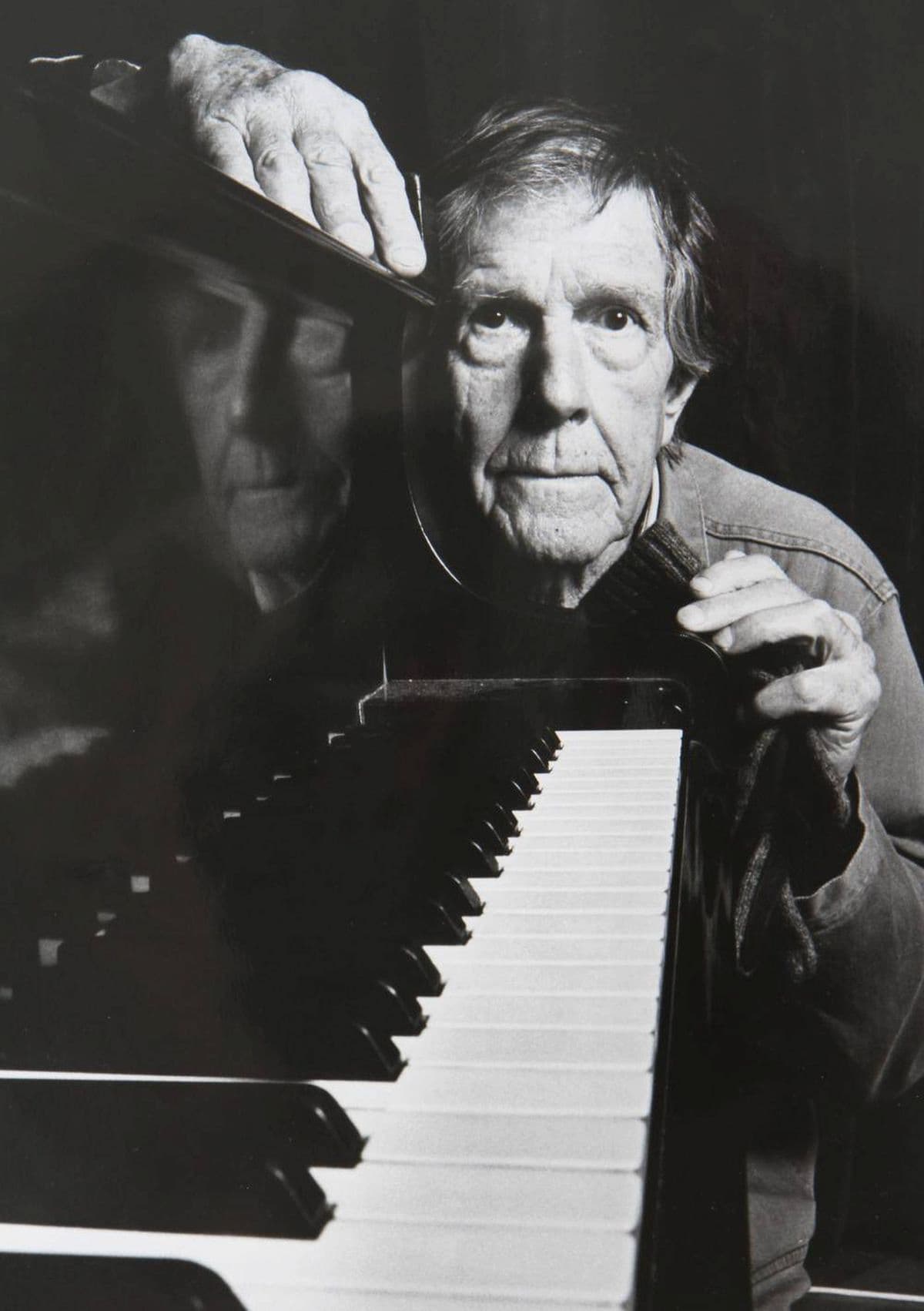
John Cage

John Cage

It is currently being performed in a church in Halberstadt, Germany. That performance began in 2001 and is only scheduled to end in 2640.

Here, each note is so long that tempo ceases to function as a musical parameter at all.

Conclusion

Across eras and styles, these works reveal a shared impulse: to use slow tempos to portray a reflective mood and to ask big questions about grief, faith, and memory. Maybe the most moving music doesn’t need to go very far at all.

In their own ways, each of these pieces invites listeners to get lost in time: to be present and experience each musical moment as it comes.

Carl Czerny (Died on July 15, 1857) Beyond the Exercises

 by Hermione Lai  July 15th, 2026

Carl Czerny was an incredibly industrious musician, teaching Franz Liszt and Theodor Leschetizky and thereby training the two most important piano teachers of the 19th century. He gave as many as ten or twelve lessons a day, yet he still found time to compose an enormous amount of music.

To commemorate his passing on 15 July 1857, let us look beyond Czerny’s familiar exercises and studies by exploring some of his finest piano concertos.

How Czerny Composed

Carl Czerny wrote an astonishing amount of music. He authored over a thousand works, including nine symphonies, string quartets, chamber music, and piano concertos. I’ve read reports that Czerny had four music desks set up in his studio.

According to an often-repeated anecdote, there was a different composition on each desk, in the process of being completed. Czerny would work on one until the end of the page, then move on to the next composition to do the same.

By the time he had finished the bottom of the page on the fourth desk, the ink on the first page was dry. He could then turn the page and continue with the composition. At any rate, true or embellished, it’s a good story.

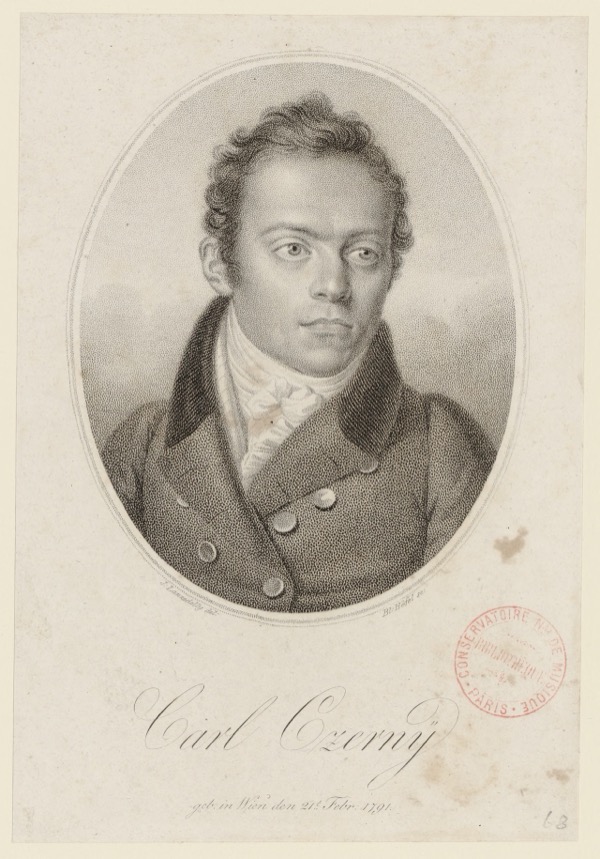
Carl Czerny as a young man

Carl Czerny as a young man

Between Admiration and Neglect

Since Czerny was also a deeply religious man, he also wrote a great deal of liturgical music, including cantatas, hymns, and eleven Masses. Franz Liszt wrote to Otto Jahn in 1852 that it is a pity that, by his super-abundant productiveness, Czerny has necessarily weakened himself.

This idea is echoed in a number of dictionaries that state that the host of lesser works has involved the really good ones in undeserved forgetfulness. Czerny was also admired by Brahms, particularly for his insights into Beethoven and the performance of these works. “There should be more respect for this excellent man,” Brahms writes to Clara Schumann.

Carl Czerny, it seems, was well-respected as a pedagogue and as a pianist. However, he was very modest by nature and never prone to self-promotion. As a student of Beethoven, Czerny tirelessly promoted Beethoven’s music above his own.

In addition, Czerny was very popular with publishers, who couldn’t get enough of his countless potpourris, fantasies, and teaching pieces. However, his serious piano pieces were considered extremely difficult to play, and there probably wasn’t a great market for them.

Czerny’s Most Famous Concerto

The Piano Concerto in A minor, Op. 214 is probably his most famous composition in this genre. It dates from 1829 and was published the following year in Leipzig. It is dedicated to the French composer, pianist, and music critic Amédée Méreaux, today remembered for his 60 Grandes Etudes, Op. 63.

Scored for strings, two flutes, two oboes, two clarinets, two bassoons, two horns, two trumpets, and timpani, Op. 214 occupies a stylistic position between the late Classical concerto tradition and the emerging Romantic virtuoso concerto.

The opening “Allegro moderato” is the longest and most substantial movement of the concerto, with a solemn orchestral introduction establishing a dramatic atmosphere. The piano enters with a dazzling display of virtuosity, which has been described as “a true compendium of the technical difficulties that pianists of the time were likely to address.”

Some commentators hear a possible Austrian folk tune in the “Adagio,” but above all, it highlights Czerny’s ability to write extended, graceful melodies that are reworked several times. The concluding “Rondo” is a cheerful dance movement with pianistic effects designed to astonish audiences.

For listeners who know Czerny only through his exercises, this concerto can be a genuine surprise. It is a large-scale and attractive concerto with flowing melodies and virtuoso demands.


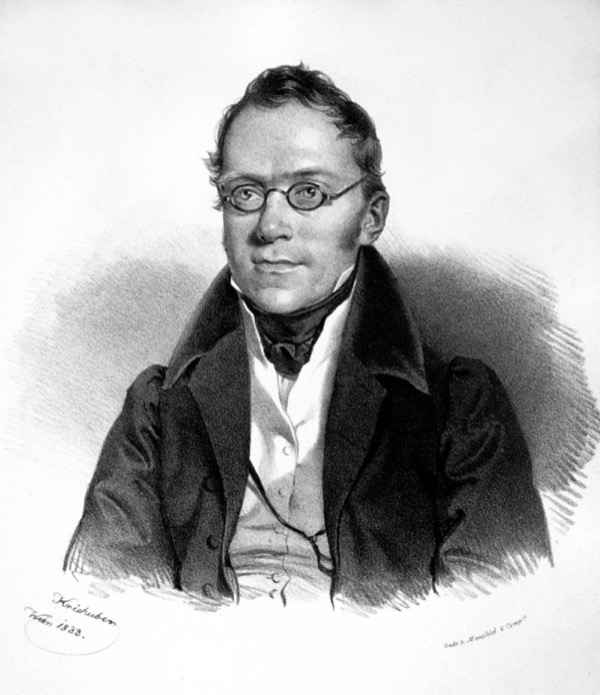
Carl Czerny, 1833

Carl Czerny, 1833

Beethoven’s Influence

Although Op. 214 is often titled “Concerto No. 1,” it is hardly Czerny’s first effort in this genre. Only recently discovered, the Piano Concerto in D minor dates from 1812 and was written when Czerny was only twenty years old. It predates his famous Op. 214 by almost two decades.

This concerto bears the stylistic signature of a student deeply influenced by his teacher. Czerny began his studies with Beethoven around 1801, and by 1812, their relationship had evolved into profound admiration and respect.

Czerny openly acknowledged his indebtedness to Beethoven, and the opening “Allegro molto” unfolds as a turbulent landscape with the piano taking on the role of dramatic protagonist.

As listeners, we are treated to conversational dialogue, extended, flowing melodies, and a good deal of counterpoint. It also explores chromatic harmonies and heightened dramatic tension, with the piano anticipating the dazzling virtuosity later associated with Franz Liszt.

A surprisingly concise slow movement unfolds as a lyrical cantilena, creating a pastoral atmosphere, while the exuberant finale reveals that Czerny was more than a mere composer of exercises.

A Work of Adaptation

In this context, we might also mention the Piano Concerto in F Major, Op. 28. However, this is not an original piano concerto by Czerny, but a piano arrangement of the Third Guitar Concerto, Op. 70, by Mauro Giuliani.

The reason I have included this work as part of my blog on Czerny’s piano concertos is that it reveals yet another aspect of Czerny’s craft. Besides being a revered teacher and highly respected composer, he was also an accomplished transcriber.

In this work, Czerny transformed the solo guitar part into a highly idiomatic piano part. He retains Giuliani’s original structure, but expands the solo writing to suit the piano. He adds pianistic figuration and exploits textures impossible on the guitar.

With this arrangement, Czerny might have responded to market demands, and it was published in the early 1820s in Vienna and Paris. And since an original arrangement appears to have been crafted by Johann Nepomuk Hummel, the Czerny version is dedicated to him as well.

Concerto for Four Hands

Dating from around 1825, and first performed in public probably in 1828 at the Gesellschaft der Musikfreunde in Vienna, Czerny’s Concerto for piano four-hands and orchestra in C Major, Op. 153, might well be one of his most attractive compositions.

This work adds yet another side to Czerny’s craft, as he experiments with a highly unusual concerto medium. We know the two-piano concertos by Felix Mendelssohn and Max Bruch, but Czerny predated them by decades.

A substantial “Allegro” features an energetic orchestral introduction, immediately followed by sparkling passagework in the piano. The music seems to probe the possibilities of four-hand playing, and Czerny also pays meticulous attention to each section of the orchestra.

A graceful “Adagio” provides the lyrical contrast, with plenty of trills and flourishes emphasising a mournful theme. The orchestra is reduced in spots, providing an almost chamber-like quality to the music.

The concluding “Rondo alla Polacca” uses the same title as Beethoven’s Triple Concerto, and this exuberant polonaise is enlivened by dazzling keyboard figuration and playful dialogues. The two pianists weave a tapestry of surprising complexity, yet they never get in each other’s way despite the virtuoso nature of the score.

In the featured concertos, we find Czerny far removed from his narrow image as an “exercise composer.” He was a musician of real imagination, drawing on Beethovenian drama and Viennese elegance to lead music into the emerging virtuosity of the 19th century.

Thursday, July 16, 2026

“In The Zone” — How Performers Do It

 by Janet Horvath  February 28th, 2015


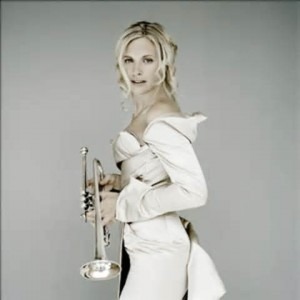
Alison Balsom

Alison Balsom

You can hardly believe it when you experience that rare, perfect moment when your gestures, feelings, senses and your mind are in perfect harmony. When everything “gels” you sound like you do in your mind— like Heifetz, Rubinstein, James Galway, or Alison Balsom! You’ve had an out-of-body experience and your elation at the simplicity, focus and depth renders you whole, complete and joyful. Athletes speak of searching to recreate that feeling of being “in the zone”— entirely concentrated and focused yet at ease with what they are doing. It’s a high in itself!

Similarly when we musicians meld perfectly into oneness with our instrument body and mind, music and the creative process can be experienced viscerally. The freedom to express the music comes so naturally that everyone— you and your listeners feel the flow.

Being in the zone takes practice on many levels. First of course, like an athlete, who must perfect their ‘moves’ and train incessantly, a musician has to put in the time to learn and study the music in order to master the works physically and intellectually, and to convey the interpretation emotionally. This takes careful practice—noticing, listening and correcting with clear goals in mind. In time, with consistent practice we learn something extremely difficult—to be critical while also being nonjudgmental about our playing.

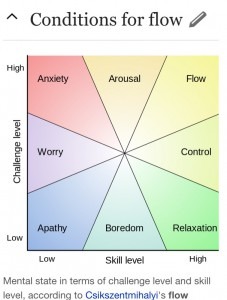
FLOWBut “knowing” our piece isn’t enough. It is essential to practice mindfulness before we are able to convey the music effectively to others.

What do we mean by mindfulness? We all have experienced being “on auto-pilot,”—our chattering, wandering minds take us out of the moment and the activity that we are doing. Trouble brews when we start to think during the concert about the dinner or beer waiting for us! Suddenly we wake up. Terrified and lost, we have a memory slip or make a gaping error. It takes intentional practice to learn how to concentrate and focus.

It is equally important to learn how to think positively about our performance. The music can flow through us only when we can develop trust in our ability enough to relax and let go. In flow, our emotions are not just channeled. They are so positively energized, and aligned with the task at hand, that there is a feeling of spontaneous joy while performing. Our ego is sublimated. There is nothing but the music. Flow, control and relaxation sublimate anxiety, worry or apathy.

Practicing mindfulness should be part of your everyday practice schedule. Breathing fully is a good start. Sit quietly in your practice space, close your eyes and focus on full and slow breathing. Relax your body from the tips of your toes to the top of your head, searching for any tension in your muscles and bringing in breath to those tight places.

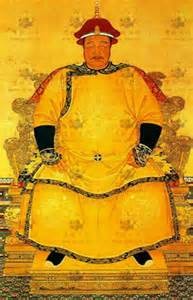
Yellow Emperor

Yellow Emperor

When you become proficient at totally immersing yourself in your breathing and relaxation, try visualizing the music, or the stage of the upcoming venue while mindfully breathing. See yourself in your mind’s eye playing well with ease and expression. Silence that negative chatterbox in your head by focusing on positive thoughts in the present tense, “I sound great; I feel calm, I am playing with ease and expression.” Focus on quieting your mind and being the best you.

Getting immersed in your performance, according to research, entails several things— intensely focused concentration on the present moment, merging action and awareness, losing self-consciousness, gaining a sense of personal control and the sense that time seems to stand still. The experience of the performance itself becomes intrinsically one of meaning and purpose. In other words, you need to know what to do, how to do it, how well you are doing and feel that what you are doing is challenging enough for you. At the same time you need to know that your skills are up to the task.

Chinese character "Music"

Chinese character “Music”

Studies of musicians who have attained the flow state show that their heart rate and blood pressure actually decreases and the major facial muscles relax. The study proves that ‘flow’ is a state of effortless attention. Think of charismatic performers like Yo Yo Ma who always seems to exude joy. This is what he says about music:

“Chinese culture has always talked about music in a very special way. It’s reflective of something very powerful and has a spiritual influence on people. For music, sound is energy, and energy is like touch, and we know how powerful touch is in healing. Even when someone can’t speak and you hold their hand, that’s very comforting… The Chinese character “Yao“ (medicine) is made of the character “Yue“ (music). The creation of the character for music is based on a legendary story about Huangdi, the Yellow Emperor, who used music to heal and to call back the souls of dead soldiers in a war. Music, the arts and all creativity have a large role in humanity… I think the whole purpose of any of the arts is to express something that has deep meaning, that’s bigger than yourself.”*

When a musician reaches the zone they can unleash their true potential and be the vehicle to draw the listeners into a shared intimacy. When it works there is no experience that compares.

* (From The Epoch Times an interview by Pamela Tsai.)

Lauren Bernofsky: A Master Composer


composer Dr. Lauren Bernofsky

Dr. Lauren Bernofsky © Sandee Milhouse

Hi Lauren, would you like to introduce yourself to our readers? What is your first instrument?

Hi, everyone! I am a professional composer, and I’ve been at it for about 25 years. My first experience playing music was in an early childhood music class at Yamaha Music School (which was a very basic introduction to music), and when I turned 8, my parents started me on violin lessons. That has been my primary instrument, and I even did a performance degree on violin in college. Being an instrumentalist has had a profound impact on my attitude as a composer.

WILD RIDE ON A BROOMSTICK by Lauren Bernofsky   

Your composition includes a wide variety of genres and instrumentations. Do you have one or two genres or instrumentations that you enjoy writing the most?

That’s an easy one – I love writing for voice, and I love stories, so my favorite genre to write in is opera (which is what I’m doing right now – I am composing a full-length opera called THE MENSCH.)   

What and where do you find inspiration for writing music?

It depends on the kind of piece – if I’m writing a solo piece commissioned by a performer, I derive inspiration from their requests for what kind of a piece and also their personality. The opera I’m writing is inspired by a story from history; I am writing the libretto (the story and lyrics), and the emotion I am trying to convey in an aria will determine the mood of the music I write. And lyrics have, of course, distinct rhythms implied by the words, so this inspires the actual rhythmical aspect of the music.

Lauren Bernofsky: The Secret Philosopher   

I am interested in knowing more about two of your operas, Boom and Mooch the Magnificent. Both of them seem to target younger audiences. Can you please tell us a little bit about both works?

I really enjoy writing for audiences of all ages. In the case of BOOM, the commission was for a piece singable by untrained children’s voices, children who didn’t read music (and would therefore learn the music by rote.) I used catchy, easy-to-memorize, repetitive tunes for the kids to sing, and I used the instrumental parts to add more complexity to the piece. I made easy-to-follow musical cues so the kids would know when to enter (since it was a staged musical with no conductor.) MOOCH THE MAGNIFICENT was actually written for adult voices. It, too, is intended for young audiences, but I add enough sophisticated elements that make the show appealing to adults as well. MOOCH THE MAGNIFICENT was recently translated into Spanish for performances in Ecuador! It was a real hoot hearing it in a different language and hearing the reactions of the kids — the Ecuadorean kids were extremely vocal, calling out a collective “ahhh” when the lighting changed on stage, or loudly laughing at some of the antics of the characters – it was a thoroughly delightful experience to sit in the audience for those performances!  

What were the inspirations that you wanted to write works performed by children? How was your experience working with them on preparing for the performance?

Especially after I became a parent myself, I developed a concern for good music that makes a child WANT to play. One of my own kids was a bit stubborn about practicing, so I tried to find music that would make him excited about playing. A few of my pieces that I wrote for him or his cello class I later made into string orchestra pieces, for instance, my Double Trouble.

As I started getting a reputation for writing this sort of music, I got more and more commissions and requests from my publishers. Because I’d taught violin lessons, I had a pretty good understanding of the various levels of technical development of young string players, so I was well-positioned to write pieces that would work well for players at various technical levels (and getting your pieces published is ALL about staying consistent to a certain difficulty level of that piece. And writing a piece that’s musically satisfying, too, of course.) I get a special kind of joy from working with students – I find that they are often exuberant, and I really appreciate that they are honest! I can tell if they’re bored with a piece or excited about it. And I often learn from THEM! Sometimes they will show me techniques I can use in a piece, or the suggestion of a title. And their feedback directly relates to how I write. Once a high school bass player came up to me after a rehearsal and thanked me for the interesting bass part. From then on I kept in mind that my string orchestra pieces should always have fun and rewarding bass parts!  

Are there any performances of your works that are coming up?

I have around 300 performances a year of my works (performances I know about, anyway!) The one I’m most excited about is coming up on September 6, 2023 – a performance of Act 1 of THE MENSCH (the opera I mentioned earlier.) I’m bringing in Joshua Horsch, a conductor from Maryland, and Angelo Pollak, a tenor from Vienna, and ten other wonderful singers. I haven’t heard the music sung by actual performers yet, and there’s nothing like the excitement of a first run-through!

Besides composing and music making, can you tell us three things that you love in life?

Just three, eh? Okay: my family, my cats and dog (I’ll count them together), and chocolate.

I wish Lauren all the success in the premiere of The Mensch. If you want to learn more about Lauren and the performance of her works, please visit her website.

Wednesday, July 15, 2026

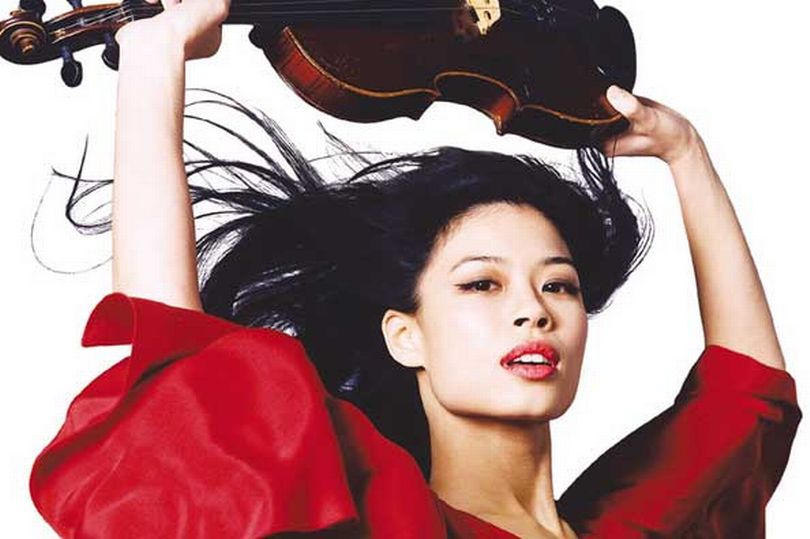
The Dangers of being a Musical Prodigy Vanessa Mae: Slapped around by Tiger Mum


Vanessa Mae

Vanessa Mae

The “Tiger mom phenomenon,” a term coined by Yale law professor Amy Chua in 2011, describes an age-old system of strict authoritarian motherly control that is supposed to propel children towards excellence. Advocates suggest that it produces an exceptionally high proportion of top performers in a variety of academic and musical areas. Skeptics blame the system for inflicting a host of chronic mental health and psychiatric problems, including a high suicide rate amongst Asian children aged 5 to 12! As you might well imagine, the musical universe is full of ambitious parents who will do whatever it takes to see their sons or daughters succeed. But you don’t have to take my word, just ask Singaporean-born British violinist and alpine skier Vanessa-Mae, who openly confessed that her mother Pamela Tan-Nicholson frequently used serious physical violence and humiliation to improve her violin playing. “She regularly hits me violently across the face and body for less than perfect performances. Everything was geared towards focusing me on my violin career,” Mae has said. “If I didn’t play a piece perfectly, my mother–and often my music teacher also—would resort to slapping me.”  

Vanessa-Mae-Cover-1Vanessa also revealed that she was tightly controlled, and not permitted to leave her house unchaperoned until the age of 20. “I had faced thousands of people on stage and millions on TV, but I didn’t know how to cross the road,” said Vanessa. Physical force was looked upon as a reflection of parental devotion, and little Vanessa spent a good amount of time kneeling on the floor and asking for forgiveness, while her mom kept pulling her ears. Unashamedly, one could say almost proudly, Pamela Tan-Nicholson told a newspaper reporter, “I hit her often to instill discipline and restricted her life outside of music. Maybe some would say she would have done better with an even stricter mum who didn’t give her so much freedom. Perhaps others would consider Mae lucky she had a Tiger Mum, everything is relative.” Vanessa does credit her strict upbringing with her ability to freely speak her mind. However, mother and daughter have not spoken in person since Vanessa sacked her as her manager, a day before her 21st birthday, in 1999!

The Insecurity of Love: Carmen 1875

 by Maureen Buja  May 12th, 2026


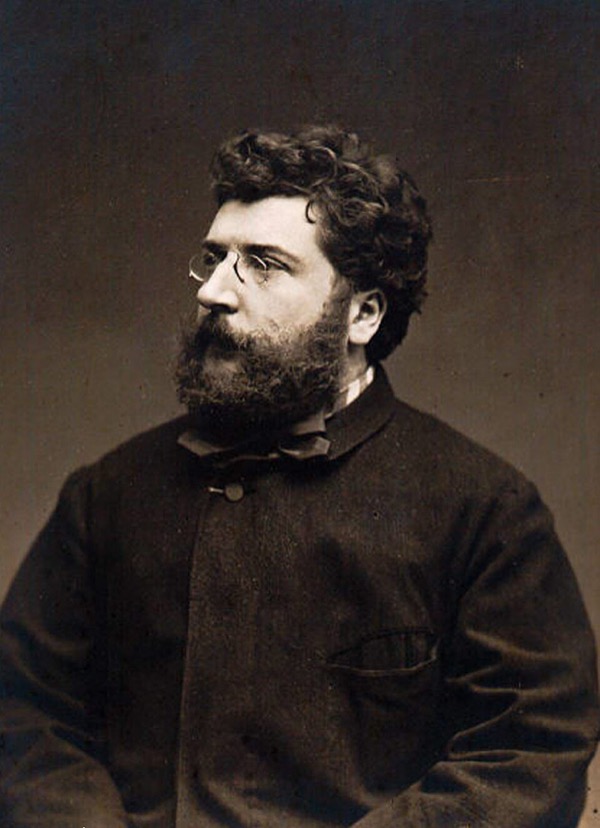
Georges Bizet, 1875 (Photo by Étienne Carjat)

Étienne Carjat: Georges Bizet, 1875

And then there was Carmen. Initially delayed in its premiere because of fears about the themes of betrayal and murder, it was given its premiere on 3 March 1875. Bizet died three months later, at age 36, convinced it, too, had failed. As predicted, audiences were shocked and scandalised, but fascinated. Carmen has continued as a staple on the stage and, more to the point, songs from the opera have escaped into popular culture. Carmen’s Habanera, the Seguidilla from the first act, and the Toreador song in the second act continue to find fans.

Greek National Opera, in coordination with the Palazzetto Bru Zane, recently staged the Fondation’s 1875 Carmen. This is a historical staging of the opera as presented in 1875. There is ample documentation of the stage scenery, the costumes, and even the ‘staging manuals’ to enable a modern production to move back in time. But, as Alexandre Dratwicki, the Artistic Director of the Palazzetto Bru Zane, says in his notes in the programme book, this is not a slavish reconstruction: there’s no requirement for period instruments in the orchestra, the October 1875 version with recitatives is being used rather than the March 1875 one with spoken dialogue; some of the musical cuts made over time have been retained, etc. The point of this reconstruction is to show that even 150 years later, a modern opera house can use this version. Even if their house orchestra only knows the later versions or the singers only know the standard version, the Bru Zane version has relevance for a modern production.  

The key to the reconstruction of the past has been the staging manuals, or livret de mis-en-scène, which were initially designed to capture all the elements for the stage manager: who had entrances stage right or stage left, where the scenery was to be placed, etc. Not only a reminder for the current production, the livret was invaluable for any revivals. The researchers at Bru Zane found out that some of the original 1875 livrets were still being used as late as the 1930s.

Some elements of the opera at the premiere, such as the spoken dialogue, were dropped when the opera was staged later in 1875 outside France. It was feared by the French that foreign language speakers wouldn’t be able to speak the dialogue correctly, and so they were replaced by more standard recitatives (one can, of course, sing French, but speaking it was clearly a different thing entirely!).

The story started with a novella by Prosper Mérimée, Carmen, first published in the Revue des deux mondes in October 1845; parts 1-3 appeared in the magazine, a final part of scholarly remarks on the gypsies only appeared in the book version in 1846. The opera comes entirely from part III of the original story. This tale of the liar and thief, who was Carmen, was cleaned up to be the story of a free-spirited character who declares more than once in the opera that she never lies. Don José, in Mérimée’s story, is no good boy from the village either. He joined the Seville dragoons when he fled Navarre after having killed a man in a fight. Other murders he commits, such as of his lieutenant and later of her husband, are removed from the opera storyline. After he kills her husband, Carmen marries Don José – again, not in the opera. In the original story, the matador Escamillo is only the picador Lucas, much lower in the bullfighter ranks.
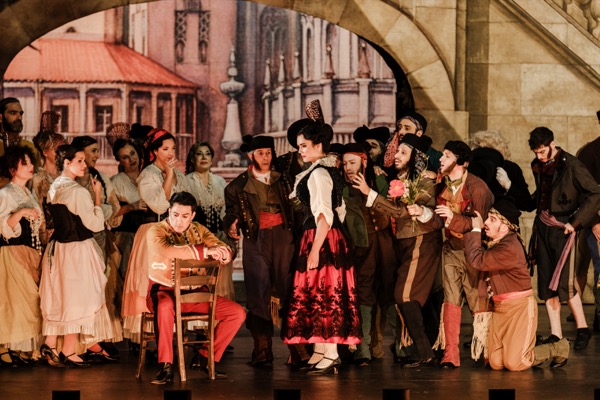
Carmen (Gaëlle Arquez) attracted by the uncaring José (Charles Castronovo) who is thinking of Michaëla, 2026 (Greek National Opera) (Photo by Giannis Antonoglou)

Carmen (Gaëlle Arquez) attracted by the uncaring José (Charles Castronovo) who is thinking of Michaëla, 2026 (Greek National Opera)
(Photo by Giannis Antonoglou)

No matter what was removed from the original story, the libretto created by Ludovic Halévy and Henri Meilhac was still going to be a difficult sell to the Opéra-Comique. Their chorus was used to standing still and singing, filling in the background. This opera required that they enter…gasp…smoking….and joking with the men in the square, and fight. They have to get physical with the dragoons in the square. And Carmen, who gets killed at the end, would be the first heroine to die on the Opéra-Comique stage. If you want to compare the two heroines, the Opéra-Comique would be Michaëla: innocent, chaste, and ignorant of the rougher ways of the world. Carmen, as a character, was the shocker. She changed lovers at will and was faithful only to herself.

One of the nice discoveries was the source of Bizet’s Habanera. The source was already known – the song El arreglito (The Little Arrangement) by Sebastián de Iradier – and Bizet thought it was a folksong, so he used it as the basis for his heroine’s song.

This song is a dialogue between Pepito and his girlfriend. She says she doesn’t trust him. He says, ‘If you want me, softly say it, and in a little while, I will be your little arrangement’. She responds that she will adore only him if he’s faithful. Which, of course, he swears to be.  

Once you hear where he started, it gives a new appreciation for what Bizet brought to the opera stage. The addition of the strong habanera rhythm, the change of direction of the song to be more direct, and it’s a statement and a warning from Carmen: L’amour est un oiseau rebelle / Love is a rebellious bird that cannot be tamed. She likes strong, silent men. Next, Love is a gypsy child who can be held to no laws. Her key line comes in here: If I love you, be on your guard!  

When Bizet learned that his claimed ‘folksong’ was actually written in 1863 by a composer who had died in 1865, he added a note about its source in the first edition of the vocal score. Although the libretto as a whole is credited to Meilhac and Halévy, the words for this song were written by Bizet.

The production at the Greek National Opera, with such an amazing amount of research and work behind it, was astonishing. In a sense, the audience didn’t quite know what to do with the amazing scenery and how the curtain comes up on a set piece, everyone in place, rather than a gradual buildup of people on stage. Unexpected elements were the use of footlights (lights placed on the front edge of the stage to cast light back), as they would have had in the 19th century. At times, this had the effect of lighting everyone in front from below, so it looked quite like a melodrama at some points.

The role of Carmen on opening night was taken by Gaëlle Arquez (Anita Rachvelishvili and Marina Viotti have it on other nights). Her Carmen wasn’t high-spirited as much as vicious. She seemed to enjoy picking on the men in the first scene too much. This made it difficult to see why Don José was willing to throw over everything for her. She was mean! When the final act arrives, however, the character goes from strength to someone who’s powerless. She awaits her fate, rather than fighting it as she has through the entire opera, and it was a disappointing come-down.

The role of Michaëla was sung by Vassiliki Karayanni as a lovely ingenue (Maria Mitsopoulou sang it later). She was particularly effective in the third act, when she ventures up into the mountains to tell José that his mother was not only mourning his departure from the straight life, but (shades of melodrama again) was dying and wanted to see her boy one last time. Michaëla wears her pretty light coloured best village clothes while surrounded by the rough and ready smugglers, and the contrast between the life José could have had and the one he chose couldn’t be more evident.

Don José always has a hard character to define. He has to be adamant and changeable, desired and reviled, desirous and murderous all over the course of the opera. The role was sung by Charles Castronovo (Andrea Carè later) who put all the inconsistencies of the character to fine show. In the final act, when he decides to demand Carmen return to him, he has to have an uncharacteristic strength we haven’t seen before.

The toreador, Escamillo, played by Dionysios Sourbis on opening night and by Tassos Apostolou and Nikos Kotenidis on other nights, also carried off the role well. On two different occasions, he has to insert himself into the middle of the bad guys to get Carmen’s attention, and both times he is successful. In his final appearance before the bullfight, he’s triumphant. He’s gotten the girl, and his boys will help him get the bull. As played on a different night by one of GNO’s leading stars, the bass Tassos Apostolou, he was even more triumphant. Apostolou stands a good head and shoulders above the rest of the cast and, from that vantage point, carries a greater presence and sense of command.  

The children’s choir had two appearances, in the first and fourth acts, and was just the perfect noisy, imitative, annoying presence.
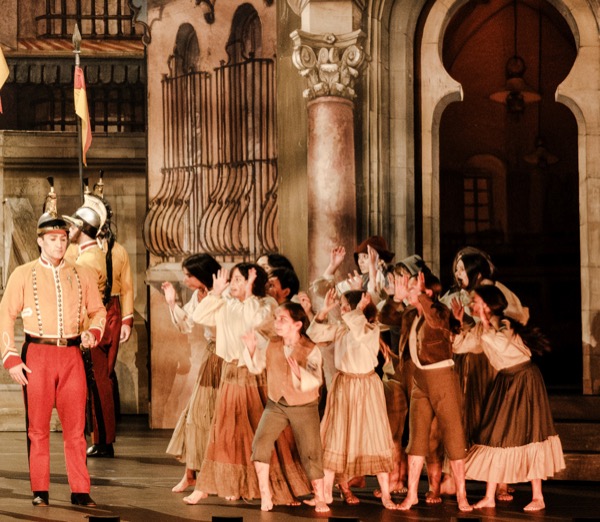
Carmen, Act I: Children’s chorus teasing a dragoon, 2026 (Greek National Opera) (Photo by Giannis Antonoglou)

Carmen, Act I: Children’s chorus teasing a dragoon, 2026 (Greek National Opera) (Photo by Giannis Antonoglou)

The pieces you didn’t expect were the funny business that has largely been cut from or downplayed in modern productions. In the first act, the dragoons comment on the problems of an old man with a young wife, and we watch the notes her young lover passes to her, and it’s like a whole commentary on love going on through the whole act.

In the second act, there’s a scene with Carmen and her two girls, Frasquita and Mercedes, with Le Remendado and Le Dancaïre of the smugglers about the indispensability of women when planning deceitful acts. This comes back again in the third act in the smuggler’s hideout when some sentries need to be seduced away from their posts, and the women smugglers say, in essence, ‘leave them to us’.
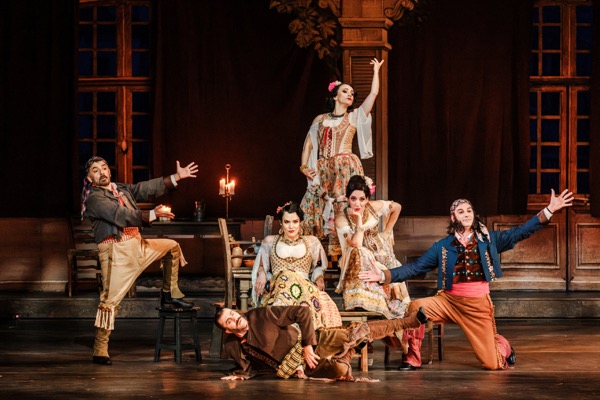
Carmen, Act I:’Women are indispensable’ with Le Remendado and Le Dancaïre and the innkeeper, and Carmen (centre front) with Frasquita and Mercedes, 2026 (Greek National Opera) (Photo by Giannis Antonoglou)

Carmen, Act I:’Women are indispensable’ with Le Remendado and Le Dancaïre and the innkeeper, and Carmen (centre front) with Frasquita and Mercedes, 2026 (Greek National Opera) (Photo by Giannis Antonoglou)

The final scene is, of course, where all the drama, melodrama, and action come together. A point is made in the notes by Étienne Jardin (Director of Research and Publications, Palazzetto Bru Zane) that the imagery of that last scene was always regarded as important.  

In the black and white poster created by Prudent-Louis Leray for the premiere, Carmen lies dead in Don José’s arms while Escamillo approaches from the bull ring. The fatal knife lies on the ground.
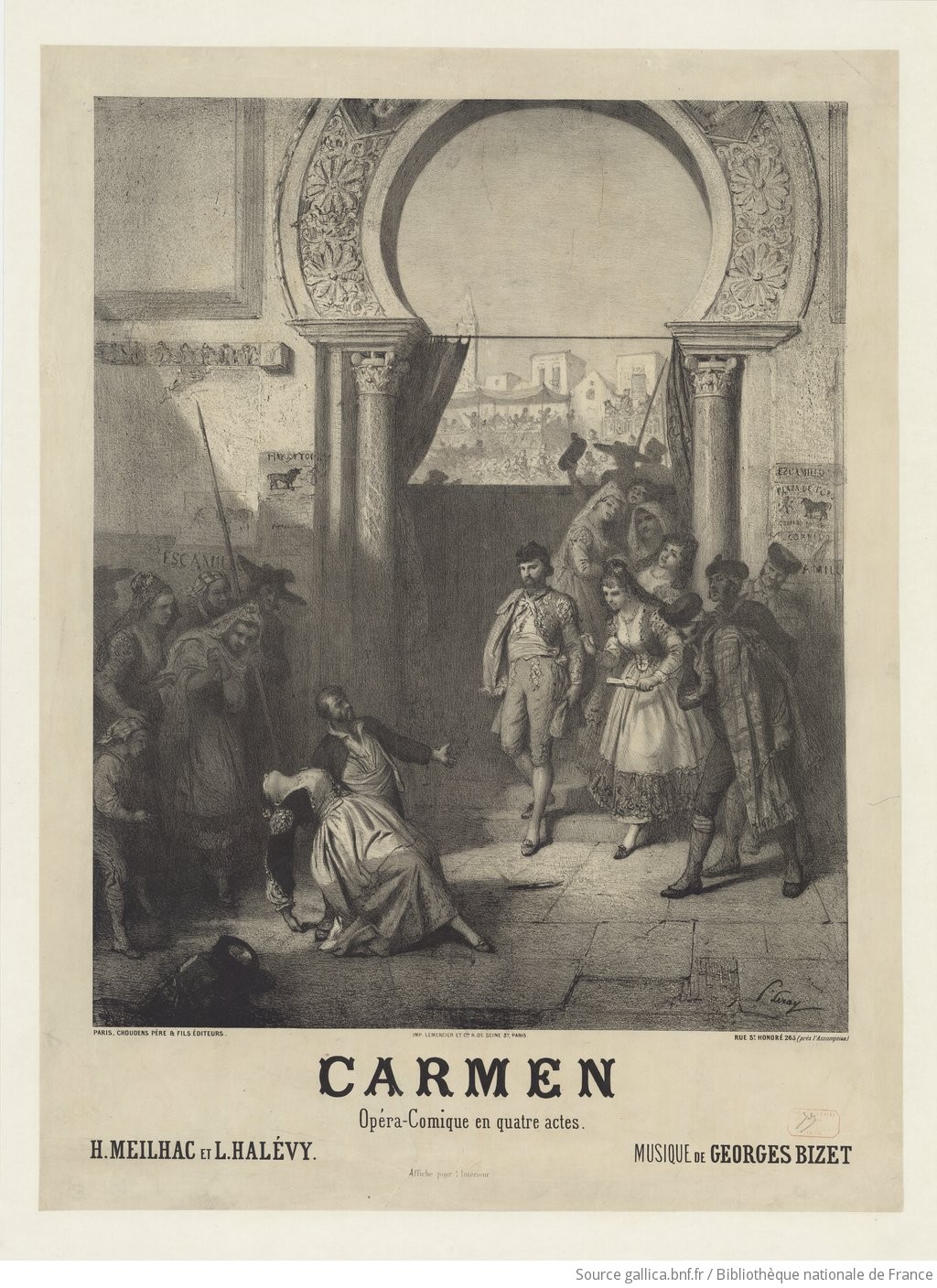
Prudent-Louis Leray: Carmen. Opéra-comique en quatre actes de H. Meilhac et L. Halévy. Musique de Georges Bizet (Gallica: btv1b53187276q)

Prudent-Louis Leray: Carmen. Opéra-comique en quatre actes de H. Meilhac et L. Halévy. Musique de Georges Bizet (Gallica: btv1b53187276q)

Matching this image with what happen on stage is interesting.
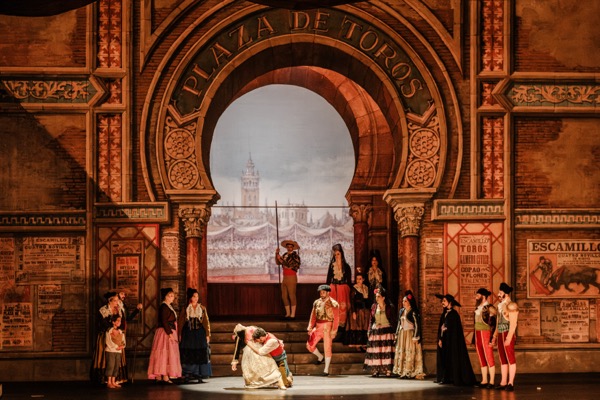
Carmen, Act IV, final scene: Carmen (Gaëlle Arquez) lies dead in the arms of José (Charles Castronovo) while Escamillo (Dionysios Sourbis) approaches, 2026 (Greek National Opera) (Photo by Giannis Antonoglou)

Carmen, Act IV, final scene: Carmen (Gaëlle Arquez) lies dead in the arms of José (Charles Castronovo) while Escamillo (Dionysios Sourbis) approaches, 2026 (Greek National Opera) (Photo by Giannis Antonoglou)

When we return to the concept of the livret, we discover that all of this is choreographed.

Carmen, frightened, takes a few steps backwards and rushes towards the entrance to the bullring. José seizes her on the steps and stabs her, with his back to the audience, and she falls close to the curtain, her head stage right. José kneels beside her.

At the end of the offstage reprise of the chorus, the curtains of the bullring open again, and the crowd rushes onto the stage, mostly going stage right.

Since the chorus is singing at this point, this last entrance is only made by the minor characters and extras.

The dragoons line the back of the stage, and the Alcade and his two alguazils are on the steps.

Escamillo enters last.

And so, the audience of the Opéra-Comique had their nice middle-class ending. The bad girl gets hers in the end, and the man she’s led astray will die for her murder (José’s prison story formed parts I and II of Prosper Mérimée’s original Carmen novella). But yet we know that with the death of Carmen, all life has gone out of the world.

Throughout the whole opera, characters are concerned with Love – do you love me? Do I love you? I don’t love you! Or even, how can you love him when you said you loved me? For everyone, it seems to have a different meaning. Michaëla’s caught by José in a fervent kiss, and then he’s pursuing Carmen. If you fall in love with Carmen, it will be the death of you. José’s last words couldn’t be more ironic: ‘Ah! Carmen! My beloved Carmen!’