Friday, June 26, 2026

Music at the World’s End – Iceland’s Classical Music Scene and a Review


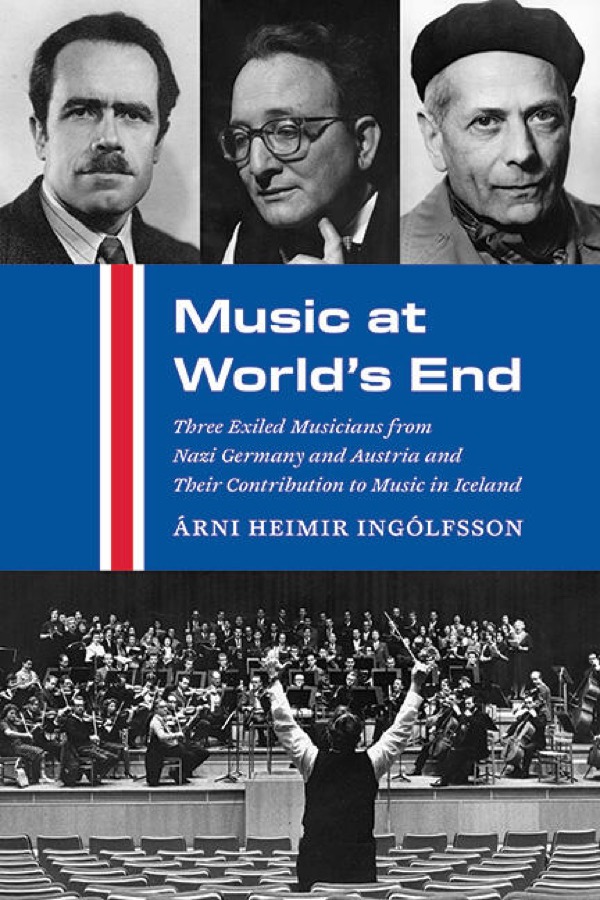
Music at World's End by Árni Heimir Ingólfsson (book cover)

Music at World’s End by Árni Heimir Ingólfsson (book cover)

Iceland’s music scene is thriving with such outstanding Icelandic artists as pianist Vikingur Ólafsson, who has appeared worldwide. Pianist Ólafsson sings on the instrument.

Víkingur Ólafsson

Víkingur Ólafsson

https://www.vikingurolafsson.com/videos

Composers Jón Leifs, Haflidi Hallgrimsson, Anna Thorvaldsdottir and others are making their mark in Iceland and elsewhere. The latter’s cello concerto was recently performed in Iceland with the German cellist Johannes Moser.

But the Icelandic classical music scene is just out of its infancy. In fact, author, scholar, lecturer, and pianist Árni Heimir Ingólfsson maintains in his new book Music at World’s End,

“Iceland has one of the shortest Western classical music traditions of any European country. This remote island in the North Atlantic, settled by Norwegians in the ninth century CE, has long prided itself on its literary heritage, however its musical culture was far more humble. The first performance in Iceland by a full symphony orchestra took place as late as 1926 when the visiting Hamburg Philharmonic gave a momentous series of concerts in the nation’s capital, Reykjavik.”

With a very strong tradition of choral singing, folklore shapes the music of Iceland. The distinctive choruses that often sing a cappella, resound with the unique structure of parallel fifths. Listen to this remarkable chorus of Jón Leifs from his Elegies Op. 35.    

In the 1930s, Iceland began to test the waters of classical music at a time when Jewish musicians desperately fled Nazi Germany. Despite rigid and xenophobic immigration policies in Iceland, as in most countries of Europe, three musicians were allowed to settle in Iceland—in a country where “Jews were virtually unknown.” Ingólfsson delves into this forgotten history of Robert Abraham, Heinz Edelstein, and Victor Urbancic, carefully relating their remarkable escapes from the clutches of the Nazis, their groundbreaking contributions in Iceland, and ultimately their exclusion in a culture determined to uphold isolationism and nationalism in their hiring practices.

The author mentions several prominent musicians denied visas to Iceland, for example, Viktor Ullmann, an outstanding composer and pianist who studied with Arnold Schoenberg, and who perished at the hands of the Nazis—a loss to Icelandic culture and mankind. Certainly, we cannot know the contributions and discoveries that might have come from the many millions who perished during those horrendous years.

The three musicians whose history we learn about in Music at World’s End came from the major cultural centers in Central Europe: Victor Urbancic from Vienna, Austria, Róbert Abraham from Berlin, Germany, and Heinz Edelstein from Freiburg, Germany. When they arrived, it was not only to a “remarkably homogeneous country” but also to a dark, barren landscape and brutal climate.

“The conditions were extremely primitive, but at least they had something to do here and could clearly see they were making a difference. This was key in how they built a new identity for themselves in Iceland. They felt like pioneers, leading the music scene up the mountain, so to speak.”

Urbancic, Edelstein, and Abraham presented first performances of numerous classical masterpieces in Iceland, a country at that time with only 200,000 inhabitants. Symphonies, choral works, and solo and chamber music, such as works of BachBeethoven, and Stravinsky, had not been heard in Iceland and were played in makeshift venues. In fact, the artists often had to spend hours handwriting the sheet music parts or reworking segments when there was no one proficient on certain instruments. Each of the musicians was dedicated and active as teachers— privately in schools, with choruses, which they founded, and training orchestral musicians, in addition to conducting and performing.

“The Reykjavík Music School was only a few years old, still finding its footing in Hljómskálinn. The Reykjavík Orchestra was underdeveloped, a quasi-amateur chamber group, and choirs were scarce, primarily men’s choirs. They just built it up from scratch, rolled up their sleeves, and got started…Urbancic and Edelstein arrived with a contract in hand with the Reykjavík Music School. They had jobs waiting here and entered roles that were available to them. Róbert Abraham, on the other hand, had no such support, no job.”

Their freedom came at a price, depending on the country’s reception. Many Icelanders were reluctant to embrace outside influences, and these challenges were compounded by the ever-present risk that their visas might be revoked upon expiration.

“The exiles could also encounter hostility and distrust in a professional context since local musicians had diverse opinions on immigrants and the overall situation on the continent. The well-known Icelandic songwriter Jón Múli Árnason was a member of the men’s choir Kátir félgar (Gleeful Mates) recruited to perform with the Reykjavík Orchestra at Urbancic’s first large-scale concert in December 1938… Árnason recalls in his memoirs:

‘…a few nationalists declared that they weren’t eager to let refugees from the continent tell them what to do. It would be more apt, they said, to send them back home again…others in the choir balked at such talk and wanted nothing to do with such political nonsense…'”

But Urbancic, Edelstein, and Abraham approached their task with ambition and grit that soon won them many admirers.

The challenges they faced cannot be underestimated, with the language, a thorny one to learn, and the foods and surroundings so completely foreign to the families of these three artists.

Urbancic was an excellent pianist, composer, and conductor who championed new Icelandic music. Edelstein, a fine cellist, focused his attention on teaching music to children, making a huge impact at the Reykjavík Music School. Music education, he thought, “carried the fundamental potential of each human being.” Today, in a superb music program integrated into the school system throughout Iceland, children receive twice-weekly lessons, and a band is widely available.

Robert Abraham took the name Róbert Abraham Ottósson and adapted to his life in Iceland. He was a choral pioneer and became the leading scholar of early Icelandic liturgical music. He composed stunning arrangements of traditional Icelandic folk songs. Listen to this beautiful arrangement about 1:05’minutes into the following interview.  

Today, the population of Iceland is still only 400,000 people, but the music and culture are flourishing in several genres. Some of you will be familiar with the well-known Icelandic singer, songwriter, composer, and multi-instrumentalist Jófríður Ákadóttir, known as JFDR. Here is one of her hits Spectator.  

And in the classical sphere, especially with the recent appointment of conductor and singer Barbara Hannigan as chief conductor and artistic director of the Iceland Symphony Orchestra, classical music is also flourishing.
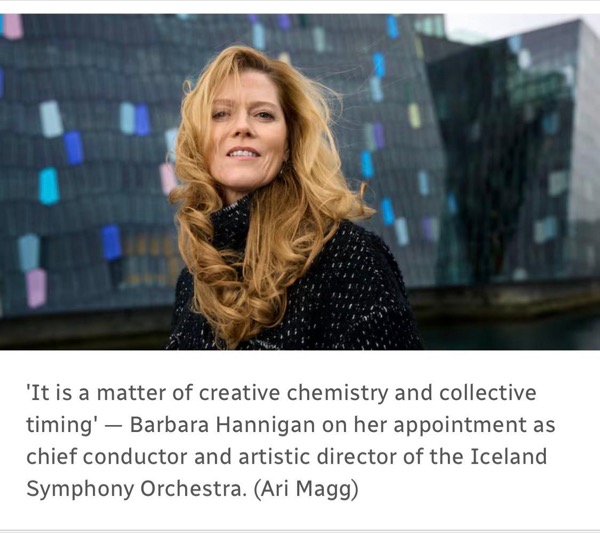
Barbara Hannigan

Barbara Hannigan

Hannigan, known for her stellar performances of avant-garde music, begins her tenure September 3rd, 2026, with Charles Ives From the Steeples and the Mountains; Hugi Guõmundsson Undark (world premiere), John Cage 4’33” (that’ll be interesting, I’m sure) and Gustav Mahler Symphony No. 1 in the striking Harpa Concert Hall in Reykjavik.
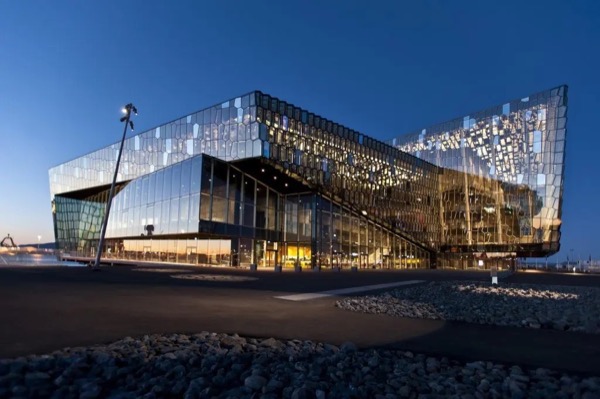
Harpa Concert Hall, Reykjavík
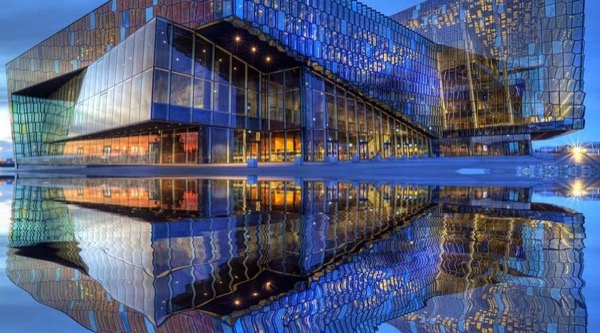
Harpa Concert Hall, Reykjavík


Harpa Concert Hall, Reykjavík

Harpa Concert Hall, Reykjavík

Árni Heimir Ingólfsson has written a fascinating, thorough, and impeccably researched account of the overlooked development of classical music in Iceland, the immeasurable influence of Robert Abraham, Heinz Edelstein, and Victor Urbancic, and lessons learned with regard to the effects of isolationism. Ingólfsson sums it up:

“I feel that it tells an important story that resonates strongly with the world we live in today.”

The 10 Strangest Instruments Composers Wrote For


Long before experimental music became a genre, composers were already employing unexpected objects on the concert stage: tools, machines, noisemakers, and more.

Here are some of the strangest instruments composers have written for – and the surprisingly serious music they appear in. Some of these instruments appear briefly; others dominate entire movements. All challenge our expectations of what belongs in a concert hall.

strange music instruments (600 x 314 px)

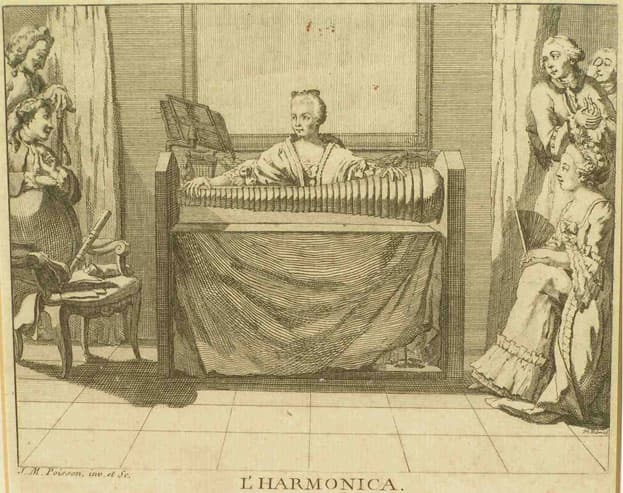
Glass Harmonica   

Invented in the 1760s and once believed to cause depression and anxiety, the glass harmonica produces an eerie, floating sound by rotating glass bowls touched with wet fingers.

The instrument fascinated Enlightenment thinkers, but eventually unnerved Romantic-era music lovers.

Glass harmonica

Glass harmonica

In the music journal Allgemeine musikalische Zeitung, a musicologist warned that the glass harmonica “excessively stimulates the nerves, plunges the player into a nagging depression and hence into a dark and melancholy mood, that is an apt method for slow self-annihilation.”

Late in his life, Mozart embraced the instrument, writing the Adagio and Rondo in C minor, K. 617 – one of the most haunting chamber works of the Classical era.

The glass harmonica’s pale, disembodied tone gives the piece an almost supernatural stillness. Its timbre is still unsettling, even today.

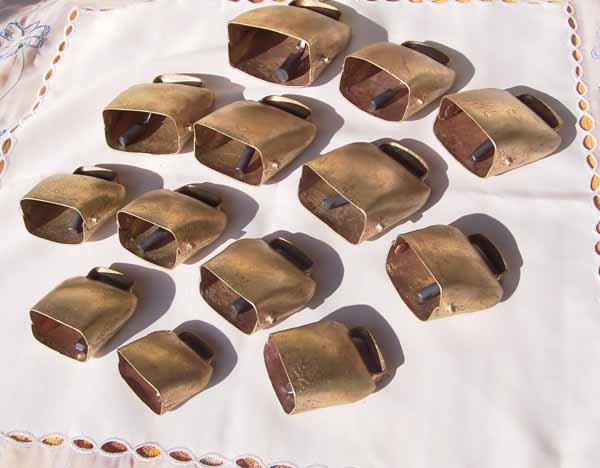
Cowbells 

Cowbells might seem rustic or even comical, but in the hands of late-Romantic composers, they evoke ideas of distance, memory, and the natural world.

Gustav Mahler famously used cowbells in both his sixth and seventh symphonies, instructing that they be played offstage.

That offstage effect is uncanny: a reminder of alpine landscapes and emotional isolation, ringing out from a misty, mysterious place beyond the orchestra.

A set of tuned cowbells.

A set of tuned cowbells

Cowbells were also employed in Richard Strauss‘s An Alpine Symphony, written about ten years after Mahler’s two symphonies. They help evoke the vastness – and perhaps indifference – of the mountains.

Typewriter   

Likely the most charming office equipment ever to appear in a concert hall, the typewriter became a star thanks to composer Leroy Anderson.

His short orchestral novelty piece “The Typewriter” turns clacks, dings, and carriage returns into a rhythmic solo part backed by an orchestra.

A woman using typewriter

A typewriter

The piece is witty, impeccably timed – and far harder to perform than it looks!

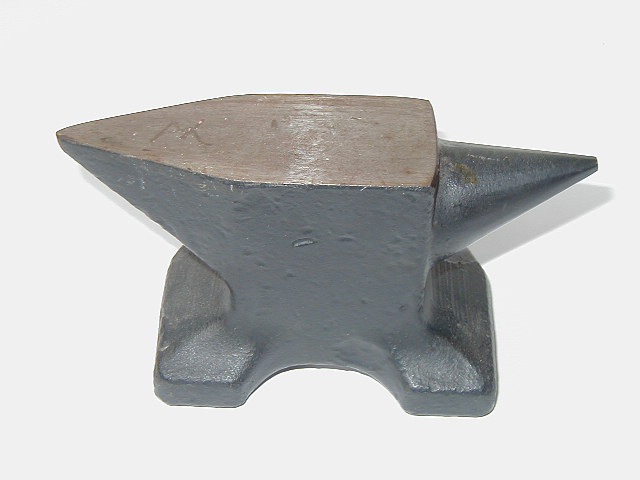
Anvil    

The anvil entered classical music as a symbol of labour – and of the Romantic era’s transition from agrarian life to industrialisation.

In Giuseppe Verdi‘s opera Il trovatore, the famous “Anvil Chorus” uses real anvils struck onstage, anchoring the music in physical work and communal rhythm.

Small anvil

Small anvil

Richard Wagner went even further in his opera Das Rheingold, where multiple anvils create the thunderous soundscape of the hellish underground Nibelheim forge.  

Before sound effects went digital, composers had to invent them.

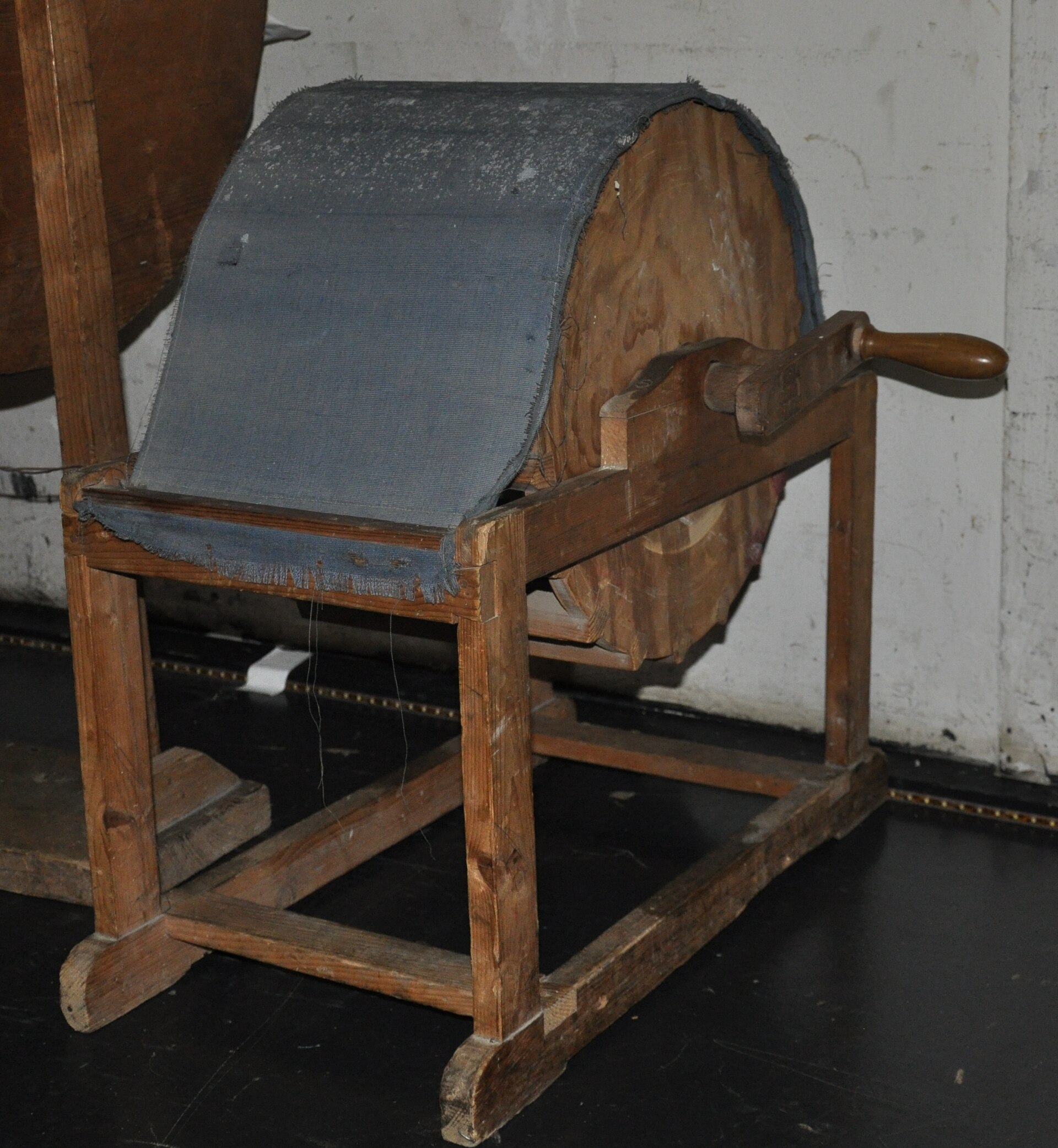
The wind machine – a rotating drum covered in fabric – appears prominently in Strauss’s Alpine Symphony, where Strauss depicts storms, altitude, and exposure with cinematic realism.

A historical wind machine (c. 1900) at the Konzerthaus in Ravensburg, Germany

A historical wind machine (c. 1900) at the Konzerthaus in Ravensburg, Germany

It also shows up in Giacomo Puccini‘s La fanciulla del West, heightening the drama of the American frontier with howling wind.

Alphorn    

The alphorn, a long wooden horn associated with Swiss mountain traditions, has occasionally been featured in classical repertoire.

Swiss composer Jean Daetwyler (1907–1994) wrote multiple serious works for alphorn, integrating its raw, open intervals into orchestral and chamber contexts.

The sound is simultaneously noble and primitive, and unmistakably tied to the rural landscape.

Giant Hammer     

By the early 20th century, unusual instruments were no longer just evoking landscapes; they were being asked to represent fate itself.

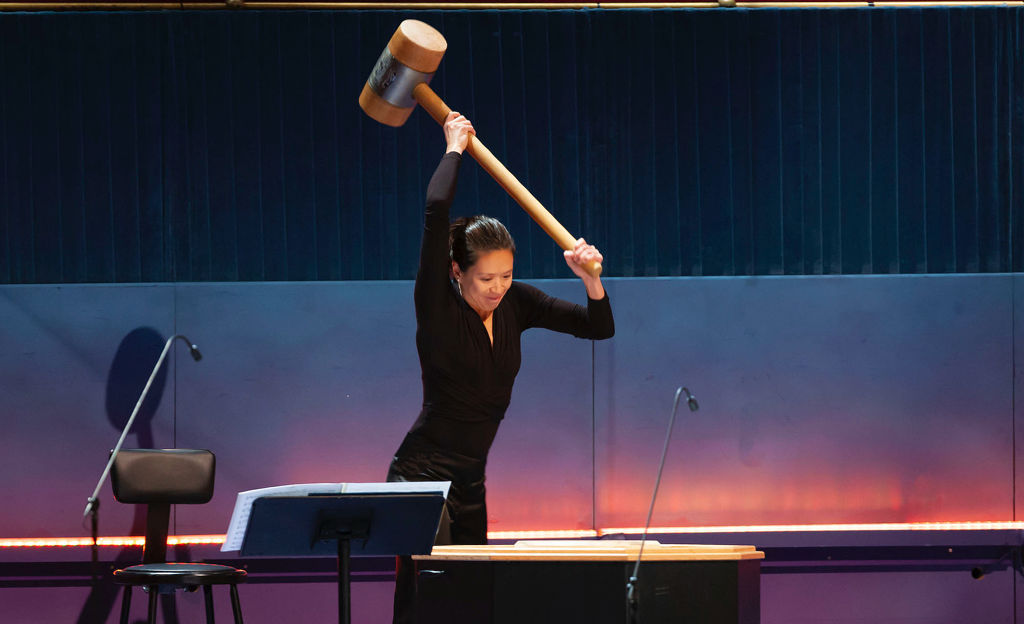
Few instruments in classical music carry as much symbolic weight as the hammer in Mahler’s Symphony No. 6.

During a 2008 tour stop at London's Royal Albert Hall, Cynthia Yeh, principal percussion, wields the hammer of fate as the Chicago Symphony Orchestra performs Mahler's Symphony No. 6. Todd Rosenberg Photography

During a 2008 tour stop at London’s Royal Albert Hall, Cynthia Yeh, principal percussion, wields the hammer of fate as the Chicago Symphony Orchestra performs Mahler’s Symphony No. 6. Photo credit: Todd Rosenberg

Mahler called for a massive wooden hammer striking a resonant box, each blow representing a catastrophic stroke of fate.

Performances in this segment vary widely, with orchestras building custom hammers to achieve the right balance of force and resonance.

In the context of the symphony, it’s way more than a sound effect; it’s a catalyst of existential terror.

Theremin  

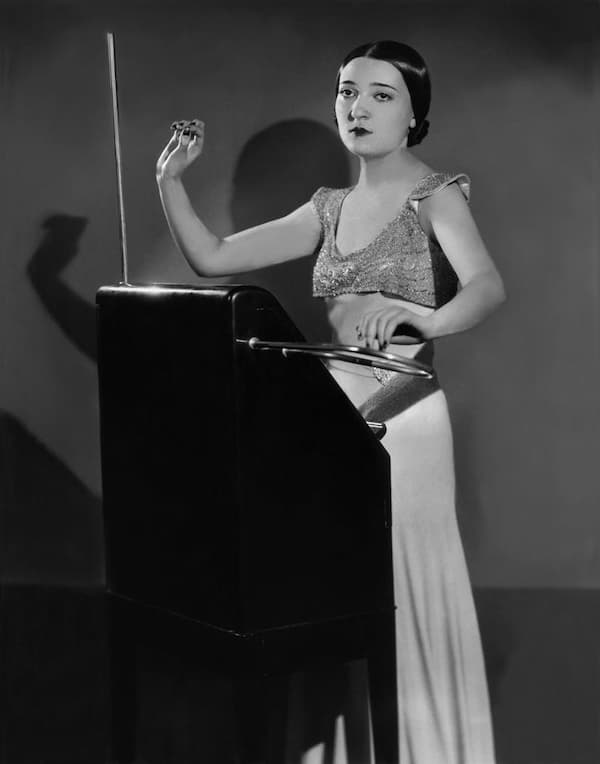
One of the earliest electronic instruments, the theremin, is played without physical contact, using hand movements to control pitch and volume.

Its wavering, voice-like tone would later become associated with science fiction soundtracks, but in early 20th-century concert music, it carried a stark, modernist intensity.

Clara Rockmore playing the theremin

Clara Rockmore playing the theremin

Bohuslav Martinů wrote a Fantasia that incorporated the theremin into a work both lyrical and modernist.

Ping Pong Table   

During the 21st century, experimental instruments have fully entered the mainstream.

In 2017, composer Andy Akiho wrote a Concerto for Ping Pong, Percussion, Violin, and Orchestra, turning paddles, balls, and tables into legitimate solo instruments.

In this sense, Akiho’s concerto belongs to a long lineage of composers redefining what counts as an instrument.

The result is virtuosic, theatrical, and unexpectedly expressive.

We wrote all about it here.

Sirens (Mechanical or Hand-Cranked)

Sirens – a sound borrowed from factories and civil defence – became powerful symbols of modernity in early 20th-century music.

Arthur Honegger’s Pacific 231, named after a train, uses mechanical effects to evoke the sheer mass and motion of a steam locomotive.

Varèse also employed sirens in Amériques and Ionisation, where they cut through dense percussion textures like alarms from an industrial future.

The effect is jarring and metallic: a deliberate intrusion of the modern world into the concert hall.

Conclusion

These strange instruments aren’t gimmicks. They reflect composers pushing against the limits of orchestral sound, searching for realism, symbolism, or entirely new sonic worlds.

Classical music has always been experimental. Sometimes it just needs a hammer, a typewriter, or a ping pong table to prove it.

Tuesday, June 23, 2026

Brilliant and lovely


May be an image of piano
Symphony of Grace:
rpeoSntdso420fugmc 12l5:1fa8 Yuja Wang, Royal Festival Hall, London, review: No other pianist can marshal huge fistfuls of notes at hurtling speed with such insouciant confidence.
The pianist who rose to prominence as a teenager is a tour de force worthy of her standing ovation even if she did fly too fast through Brahm’s Handel Variations, Op 24

Friday, June 19, 2026

Numbering a Symphony: Schubert’s Great, D. 944


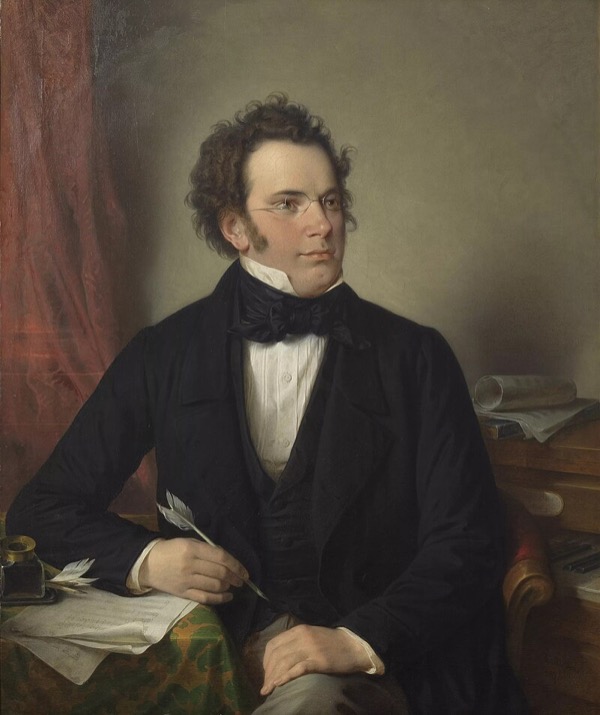
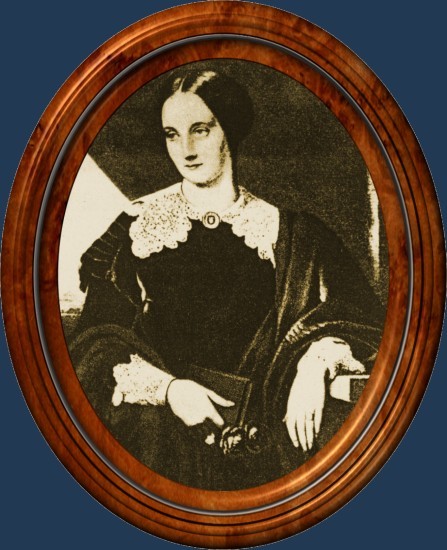
Wilhelm August Rieder: Franz Schubert, 1875 after 1825 watercolour (Vienna Museum)

Wilhelm August Rieder: Franz Schubert, 1875 after 1825 watercolour (Vienna Museum)

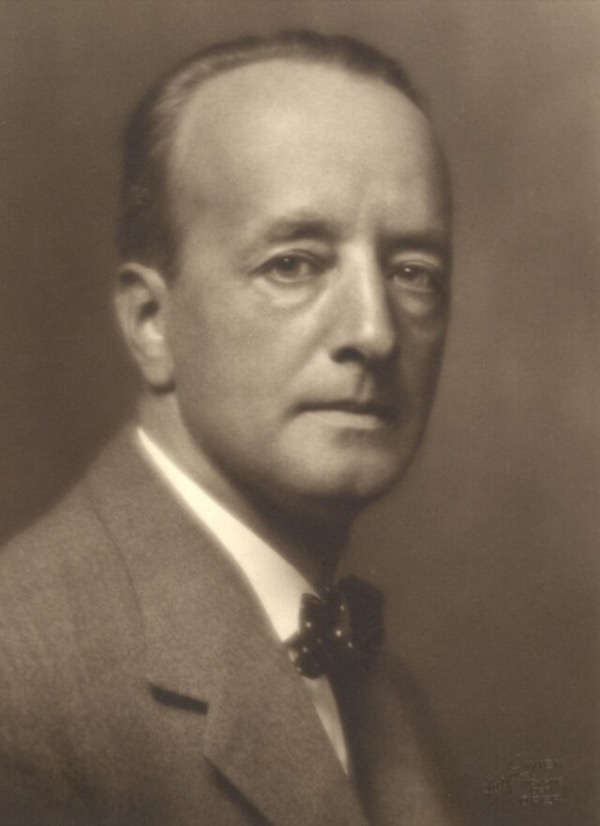
Knowing the D. numbers is important here! D. stands for Otto Erich Deutsch (1883–1967), an Austrian musicologist who created the first comprehensive catalogue of Schubert’s works (just as Bach‘s works have BWV numbers and Mozart‘s have K. numbers, the D. numbers are for Schubert’s works).

George Fayer: Otto Erich Deutsch, 1927

George Fayer: Otto Erich Deutsch, 1927

The problem stems from two places: Only one of Schubert’s last symphonies was truly completed, and, as publishers started to publish the works, they didn’t want gaps in the numbering.

Symphony No. 7 in E minor, D. 729, written August 1821, never went beyond a draft. It was never completed by Schubert, who sketched out the entire work but abandoned it in the middle of scoring the first movement. It showed a radical change from his earlier symphonies, which were very much based on Haydn and Mozart. D. 729 was originally not given a number, but when later scholars and performers started to make editions of it, it received a number, bumping D. 759 and the following symphonies.

With the addition of the now-completed D. 729, the earlier numbered Symphony No. 7 in B minor, D. 759, we now know as Symphony No. 8, with the nickname of ‘The Unfinished’ because there are only two completed movements of it (a third movement only exists in sketches). It was written in October 1822 and sent by Schubert to his friend, Anselm Hüttenbrenner, as a thank-you to Hüttenbrenner’s Graz Music Society, which had given Schubert an honorary diploma.

There’s a hypothetical D. 849 symphony that was written between June and September 1825, which was referred to in Schubert’s letters. It has been nicknamed the Gmunden-Gastein Symphony after the place where Schubert was located when he wrote his letter.

There’s a Symphony D. 936a that exists only in sketches and might have been written in mid-1828. This is now known as Symphony No. 10.

Then there’s the symphony in C major, D. 944. Now known as Symphony No. 9, this is the only symphony among his late works that Schubert actually completed. No matter what the number of the symphony might be, keeping track of the D. numbers will help you sort them all out!

Although originally thought to have been written in Schubert’s last year (1828), we now know that it was begun when he was in Gmunden-Gastein. D. 849, as numbered by Deutsch, actually does not exist. The Great C major, D. 944, was begun in 1824 (as evidenced by the letter dated March 1824, and as evidenced by the use of paper from that time). It was completed in the spring or summer of 1826, and it was sent to the Gesellschaft der Musikfreunde. Schubert couldn’t afford to have the orchestral parts copied, so he dedicated the work to the Gesellschaft. In response, they gave him a small payment, had the parts copied, and did a trial run-through sometime in 1827. They never did a public performance of the work, though, as they thought it too long and difficult for the orchestra on hand. It wasn’t until Robert Schumann saw the manuscript in 1838, 10 years after Schubert’s death, that a public performance took place. He brought a copy of the score, given to him by Schubert’s brother Ferdinand, back to Leipzig, where it was given its premiere at the Leipzig Gewandhaus on 21 March 1839, with Felix Mendelssohn conducting. Robert wrote an article of celebration for the work in his magazine, the Neue Zeitschrift für Musik, where he praised its ‘heavenly length’. When Mendelssohn took the symphony to Paris and London, orchestras refused to perform it because of its length and difficulty.

The work is considered Schubert’s finest work for orchestra, and the Scherzo movement is one of particular joy. The symphony is important in changing Schubert’s style from working solely on thematic development (as he learned from Beethoven) and focusing more on melody. The work is full of optimism and grand statements, starting from its opening horn call. The ‘joyous alfresco dance’ of the Scherzo develops from its opening statement to form a movement that is more monumental than scherzo movements were expected to be.

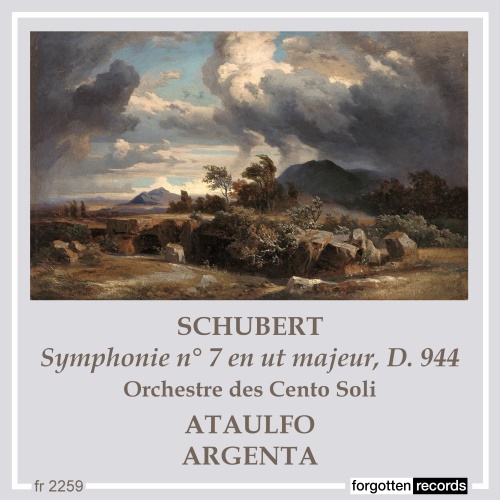
This recording was made in November 1957 in the Salle Wagram in Paris, with the Orchestre des Cento Soli under the direction of Ataúlfo Argenta.

The Orchestre des Cento Soli was a French classical orchestra based in Paris that began recording in 1953.

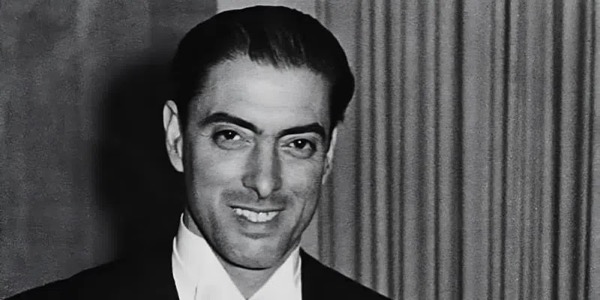
Ataúlfo Argenta

Ataúlfo Argenta

Spanish conductor Ataúlfo Argenta (1913–1958) studied at the Madrid Royal Conservatory and held his first positions with the Orquesta Nacional de España (Spanish National Orchestra), becoming the second conductor in November 1946 and, by January 1947, joint director. By 1950, he began conducting the Paris Conservatory Orchestra, appearing with them until his accidental death in 1958. He also started appearing with the Orchestre de la Suisse Romande from 1954. This recording brings out his energetic approach to Schubert’s music.

Schubert-Symphonie n° 7 en ut majeur, D. 944-Ataulfo Argenta album cover

Performed by
Ataulfo Argenta
Orchestre des Cento Soli

Recorded in 1957

Official Website

For more of the best in classical music, sign up for our E-Newsletter

Featured Post

The Most Overtly Erotic Works in Classical Music

  by  Emily E. Hogstad    May 28th, 2026 Western classical music is often thought of as cerebral or abstract, but throughout its history, co...