Friday, June 19, 2026

Debunking the Top 5 Myths About Mozart


Over the past two centuries, popular culture has transformed Mozart’s legacy into a series of legends: the genius who never revised, the giggling fool, the composer of “easy” music, the enemy of Salieri, and the penniless prodigy whose body was tossed into a pauper’s grave.

Many of these stories are compelling, dramatic, and endlessly repeated – but they also don’t hold up under historical scrutiny.

Today, we’re looking at five of the most persistent myths about Mozart, separating romantic fiction from what historians, letters, manuscripts, and modern research actually tell us about his life and music.
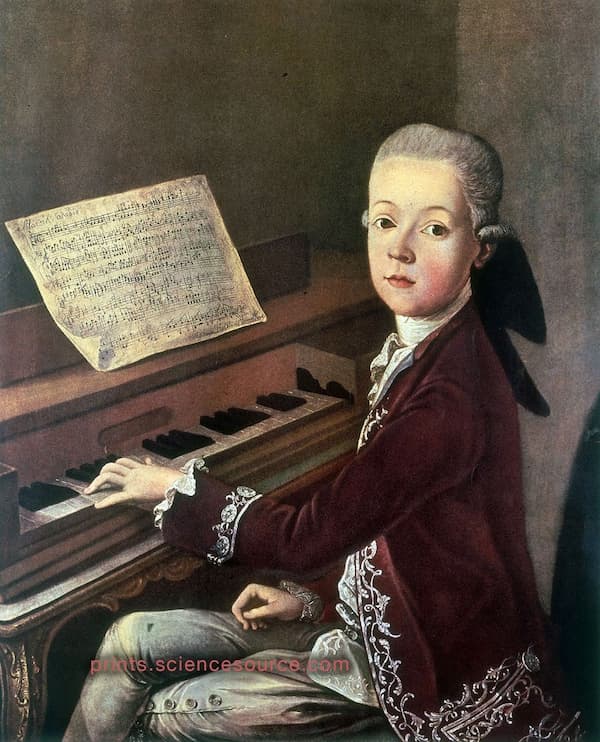
Mozart at the piano

Mozart at the piano

1. Myth: Mozart wrote music effortlessly, without revision.  

The concept of perfect music pouring out of Mozart without the need for revisions is a romantic myth.

It’s true that Mozart’s final scores often look clean, with few erasures, but that’s because he did much of his experimenting on scratch paper or in his mind before writing the final copy.

He liked having a keyboard at hand to try out new ideas, and occasionally set perplexing passages aside to revisit later.

He even described a set of six string quartets that he dedicated to Haydn as “the fruit of long and laborious effort.”

So why did this legend take hold? One reason was a letter that surfaced in 1815 in which the author described composing in his head without using an instrument. But in the 1850s, that letter was proven to be a forgery. Unfortunately, by that point, it had already contributed to the Mozart mythology.

It’s also important to note that Mozart’s wife, Constanze, burned many of his sketches after his death, leaving us a potentially misleading picture of his process.

In short, Mozart’s easy brilliance was also coupled with industriousness. His music was the product of astonishing inborn talent plus decades of hard work – not effortless magic.
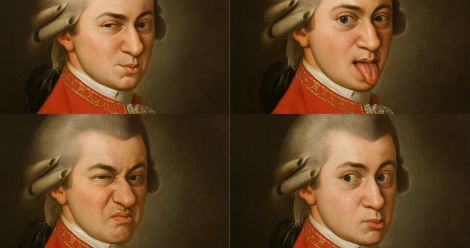
Mozart meme images

Image created by ChatGPT

2. Myth: Mozart was a childish, giggling simpleton.  

The popular 1984 film Amadeus created the image of Mozart as a juvenile, shrieking, giggling buffoon – but historians say this caricature is misleading.

It is true that Mozart did have a bawdy sense of humour, and he made lots of scatological jokes in his letters, but this was not unique to him. Crude jokes of this kind were actually relatively common in 18th-century middle-class Vienna.

But far from being a buffoon, Mozart was highly intelligent and emotionally astute. By his teens, he had a deep understanding of human emotion, as his music attests. His psychological insight is especially evident in the sophisticated characters and emotions portrayed in his operas and Requiem.

He also handled complex business negotiations, taught students, joined the Freemasons, and wrote letters about finances and family matters – hardly the behaviour of a clueless simpleton.

In sum, Mozart was a multifaceted genius: playful and jovial at times, yes, but also serious, diligent, and, contrary to the mythology, emotionally perceptive.

3. Myth: Mozart’s music is “easy.”  

Mozart’s music has a reputation for sounding graceful and effortless, which leads some to think it’s simple or easy to perform.

But ask any trained musician, and they’ll quickly dispel that notion. The simplicity of Mozart’s melodies and textures is deceptive; in reality, his compositions demand flawless technique and deep musicality.

A famous quote often attributed to pianist Artur Schnabel sums it up: “Mozart’s music is too easy for children, and too difficult for adults.”

In other words, while a beginner might manage to pick out the notes of a Mozart piece, playing it well is extraordinarily challenging.

And as composer Gabriel Fauré observed, in Mozart’s music “the slightest mistake stands out like a black spot on white.” There’s no room to hide sloppy playing behind thick chords or pedal effects.

It’s true that a few of Mozart’s early works and simple tunes are accessible to students. But his masterworks – the late symphonies, concertos, operas, string quartets – are intricate and demanding.

In short, the graceful simplicity of Mozart’s music is an illusion. Underneath it lies a complexity and difficulty that challenge even the best performers.
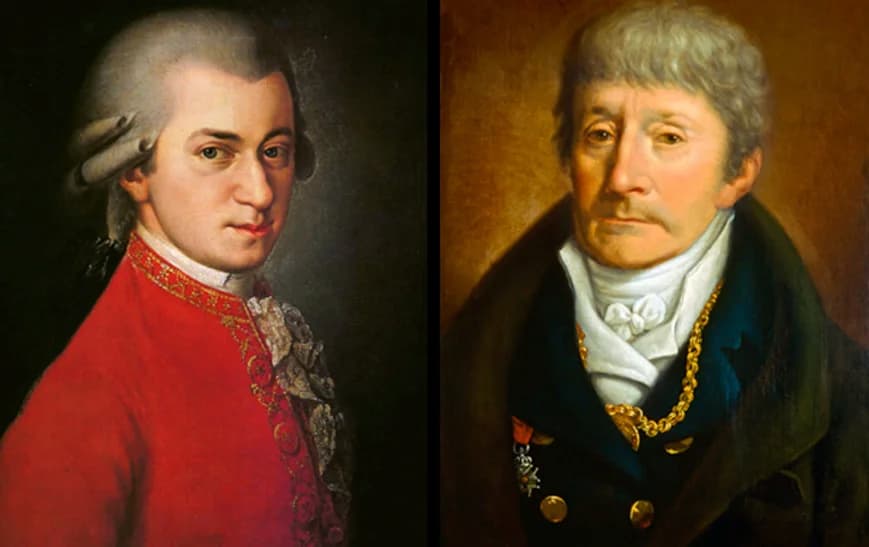
Wolfgang Amadeus Mozart and Antonio Salieri

Wolfgang Amadeus Mozart and Antonio Salieri © slavicwritings.com

4. Myth: Mozart hated Salieri  

The idea that Wolfgang Amadeus Mozart and Antonio Salieri were bitter enemies – to the point of Mozart “hating” Salieri or vice versa – is mostly a creation of gossip and later dramatisations. (We’re looking at you, Amadeus.)

The kernel of the myth originated in the 1780s, when Wolfgang and his father, Leopold, grumbled to each other in letters that Italian composers were being given better commissions and jobs at the Viennese court than Austrian composers were.

Eventually, however, the two composers enjoyed a more cordial relationship.

They even collaborated on a piece in 1785: a short cantata called “Per la ricuperata salute di Ofelia” for a singer they both admired.

One of Mozart’s last surviving letters from October 1791 describes how he brought Salieri to a performance of The Magic Flute, and how Salieri applauded enthusiastically and shouted “Bravo!” after every aria he liked.

After Mozart’s death, his widow even hired Salieri to teach their son composition.

There is no evidence that Salieri sabotaged Mozart’s career in a significant way, or that he ever harmed Mozart physically. The famous murder plot – Salieri poisoning Mozart out of envy – is pure fiction, made famous by an Alexander Pushkin play and, later, the movie Amadeus.

Tragically, in his old age, Salieri suffered from mental health issues and reportedly believed he had poisoned Mozart. But historians universally agree these thoughts were likely dementia-related delusions, not facts.

In sum, Mozart and Salieri were competitors who respected each other and worked together. The dramatic tale of hatred and poisoning may be an entertaining story, but the historical record reveals a much more mundane – albeit rather heartwarming – truth.
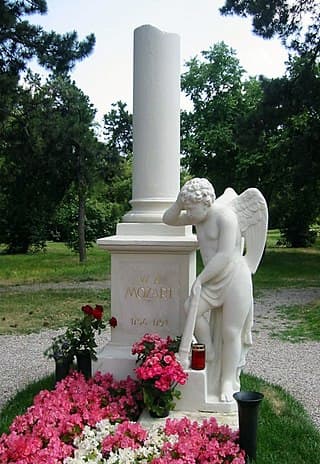
Austria, Vienna, St. Marx Cemetery, The gravestone of Wolfgang Amadeus Mozart

Austria, Vienna, St. Marx Cemetery, The gravestone of Wolfgang Amadeus Mozart

5. Myth: Mozart died poor and was buried in a pauper’s grave.  

The image of Mozart dying in squalor and being dumped into a pauper’s mass grave is an exaggeration that became popular in the 19th century.

It is true that Mozart wasn’t particularly wealthy when he died. He had incurred debts, and his income dipped in the late 1780s due to a number of factors, including fewer concerts during the Austro-Turkish War.

But earlier in the 1780s, he’d actually made a very comfortable living. Modern research shows that during those years, he earned substantial sums – possibly in the top 5% of Viennese incomes for some years – thanks to concerts, teaching, and the support of royal patrons. His problem was cash flow and spending, not lack of money outright.

Consequently, when Mozart died in 1791, he was buried in a standard common grave in Vienna’s St. Marx Cemetery.

His wife, Constanze, and patron, Baron van Swieten, actually paid for his coffin and funeral, so we know he wasn’t buried at state expense or in a charity grave. His body was sewn into a linen shroud (not the cheap sack customarily used for paupers) and placed in a coffin for the funeral.

After the temporary marker disappeared, the grave was unmarked, but this was a customary practice for everyone who wasn’t royalty or a member of the aristocracy – not a reflection of a lack of respect.

So, although it’s tragic that we don’t know exactly where Mozart’s remains ended up, this wasn’t a particularly unique tragedy; it was simply the fate of most citizens who died in Vienna at the time.

Thanks to her savvy promotion and publication of her late husband’s works, Constanze actually was able to pay off his debts within a few years, adding weight to the idea that Mozart was better off than we tend to think of him.

The enduring image of a penniless genius buried in a pauper’s grave may be a popular narrative, but the truth is much less dramatic: he was a prolific working composer who had intermittent cash flow issues, extravagant spending habits, and a totally ordinary burial for his time.

Conclusion

Mozart’s enduring popularity may owe a lot to the powerful myths that surround him, but those same myths often obscure the more interesting truths.

Far from being an effortless savant, Mozart was a hard worker, revising carefully and thinking deeply about his craft. He was playful but perceptive, witty but emotionally intelligent. His music may sound graceful, but it demands extraordinary precision and insight to perform well. His relationship with Salieri was competitive yet respectful, not murderous. And while he struggled financially at times, he did not die abandoned or buried as a pauper.

These myths of effortless genius, childishness, simplicity, rivalry, and poverty may all collapse under scrutiny – but what remains is far more compelling. The real story of Mozart’s life paints a richer, more credible portrait of one of history’s greatest musical minds, and helps us to appreciate the human triumph that is his music better than ever.

6 Classical Music Masterpieces That Were Overnight Successes


But every so often, a single piece can shatter that trajectory.

During the 19th and early 20th centuries, a handful of composers experienced legendary overnight successes: times when a single piece exploded onto the scene, instantly transforming an unknown or underappreciated composer into a household name.

Here are six extraordinary cases where one composition’s premiere changed everything: six moments when years of training and ambition crystallised into sudden, unforgettable musical fame.

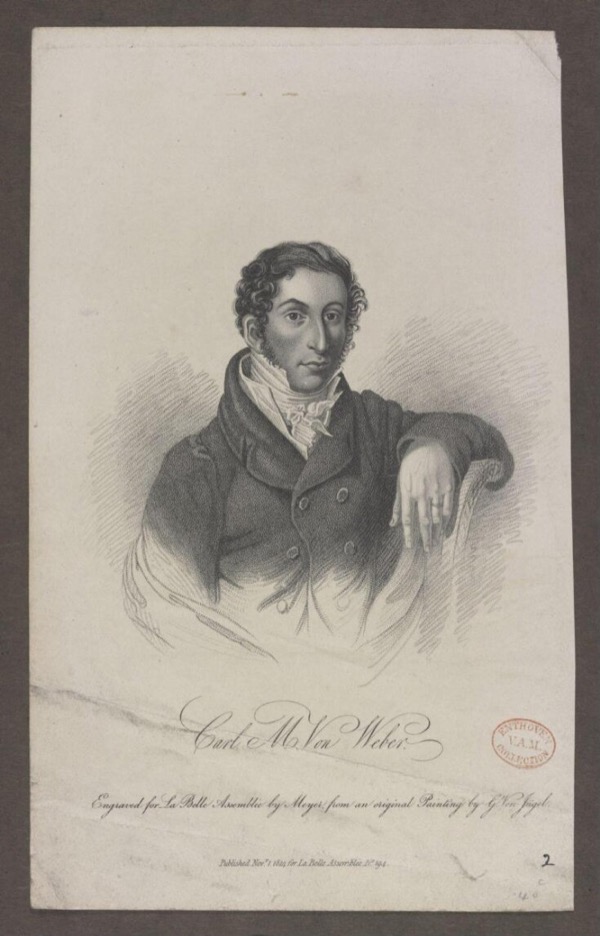
Carl Maria von Weber – Der Freischütz (1821)  

In 1821, Carl Maria von Weber was a respected 35-year-old Kapellmeister in Dresden, but, despite having written a handful of operas, he hadn’t yet achieved a true breakout hit.

Consequently, when Weber’s new opera Der Freischütz (The Marksman) was chosen to inaugurate Berlin’s brand-new Schauspielhaus theater, it was a bold gamble.

Carl Maria von Weber

Carl Maria von Weber

Opening night – 18 June 1821 – became legendary for its enthusiastic audience response. Weber noted in his diary that out of seventeen numbers, fourteen were “uproariously applauded.”

The opera soon swept like wildfire across the German-speaking world – and beyond. By the end of 1822, at least 30 theaters had staged it, and Berlin alone saw its 100th performance within five years. Virtually overnight, Weber became the standard-bearer of German Romantic opera.

This ghostly folk-infused opera proved to be the defining masterpiece of Weber’s career.

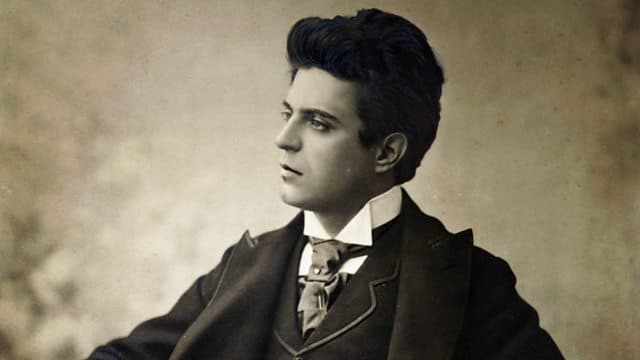
Pietro Mascagni – Cavalleria rusticana (1890)  

In 1889, Pietro Mascagni was an obscure 26-year-old composer scraping by in provincial Italy. He’d dropped out of conservatory and spent years conducting touring companies and teaching music in a small town.

However, opportunity knocked when music publisher Edoardo Sonzogno announced a competition for a one-act opera.

Photo of Pietro Mascagni

Pietro Mascagni

Mascagni seized the chance. He chose to dramatise a gritty Sicilian love-triangle story, Cavalleria rusticana, based on Giovanni Verga’s novella and play about passion, betrayal, and a fatal duel on Easter Sunday.

An inspired Mascagni composed at a feverish pace; the score poured out of him in about two months.

But when it came time to submit it, the insecure young composer lost his nerve and stuffed the manuscript in a drawer. Only thanks to his wife, who mailed it in, did Cavalleria make the competition deadline.

To Mascagni’s astonishment, his opera was selected to premiere at Rome’s Teatro Costanzi. The debut on 17 May 1890 was a sensation, and he won first prize in the competition.

Mascagni was called back for forty curtain calls. Word of the opera spread rapidly, and within weeks, Cavalleria was the hottest ticket in Italy.

Mascagni kept composing, but no later work of his ever matched this sudden, shocking triumph.

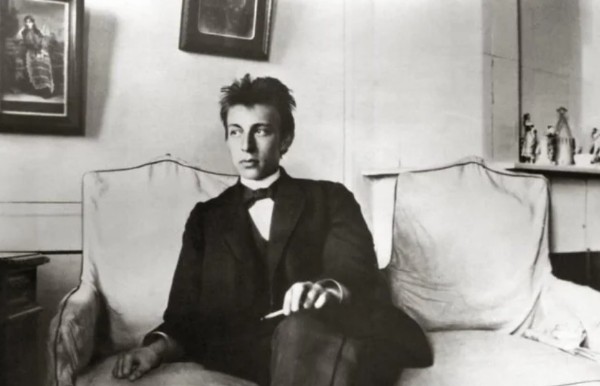
Sergei Rachmaninoff – Prelude in C-sharp minor (1892)  

In the autumn of 1892, a tall, dark-haired 19-year-old pianist-composer named Sergei Rachmaninoff gave a recital at an industrial exhibition in Moscow. On the program was a little piano piece he’d just written: a brooding Prelude in C-sharp minor.

Rachmaninoff had composed the prelude shortly after graduating from the Moscow Conservatory in the spring of 1892. Legend has it he conceived the piece in a flash of inspiration. “One day the Prelude simply came, and I put it down,” he later said. “It came with such force that I could not resist it.”

Sergei Rachmaninoff

Sergei Rachmaninoff

After its premiere at the industrial exhibition in Moscow, publishers began printing the prelude (often without paying the young composer any royalties).

Within a few years, the prelude was being transcribed, arranged, and performed all over Europe and America.

Its fame spread via family connections: Rachmaninoff’s cousin, pianist and conductor Alexander Siloti, helped introduce it to Western audiences in 1898 by featuring it on tour.

For Rachmaninoff, the Prelude in C-sharp minor became both a blessing and a curse. It certainly made his name known – perhaps too well known. The prelude became so popular that audiences would clamour for it at all his concerts.

The composer eventually grew weary of his own overnight hit. “Many, many times I wish I had never written it,” Rachmaninoff confessed with exasperation in 1912.

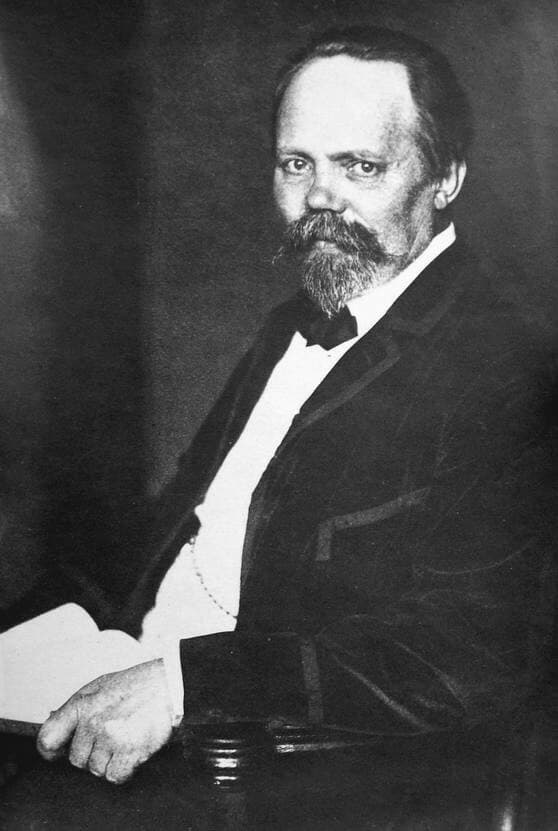
Engelbert Humperdinck – Hansel and Gretel (1893)   

Engelbert Humperdinck was nearing 40 and earning his living as a music teacher when an idea sparked by a family Christmas play changed his life.

In 1890, Humperdinck’s poet sister asked him to write a few simple settings of poems she’d written based on the fairy tale of Hansel and Gretel. Humperdinck obliged with some charming tunes for the kids to sing.

But soon the project took on a life of its own: those songs grew into a singspiel, and then into a full-length opera.

Engelbert Humperdinck

Engelbert Humperdinck

By 1893, the score of Hänsel und Gretel was complete, and the composer sent a copy to his friend Richard Strauss. Strauss was so enthusiastic that he personally conducted the world premiere on 23 December 1893.

Hänsel und Gretel was an instant and overwhelming success. The crowd in Weimar was enchanted by the opera’s mix of cosy folk melodies and Wagnerian orchestral lushness.

Such scenes repeated across Europe: within a year, Gustav Mahler had mounted Hänsel und Gretel in Hamburg. One report from a Vienna performance noted it was “a great success… The composer was called 16 times by the enthusiastic audience.”

By the 1894–1895 season, the opera was playing in cities from London to New York, winning the hearts of children and adults alike.

Although he wrote other works, none ever rivalled Hänsel und Gretel‘s fame. It remains one of opera’s greatest overnight successes.

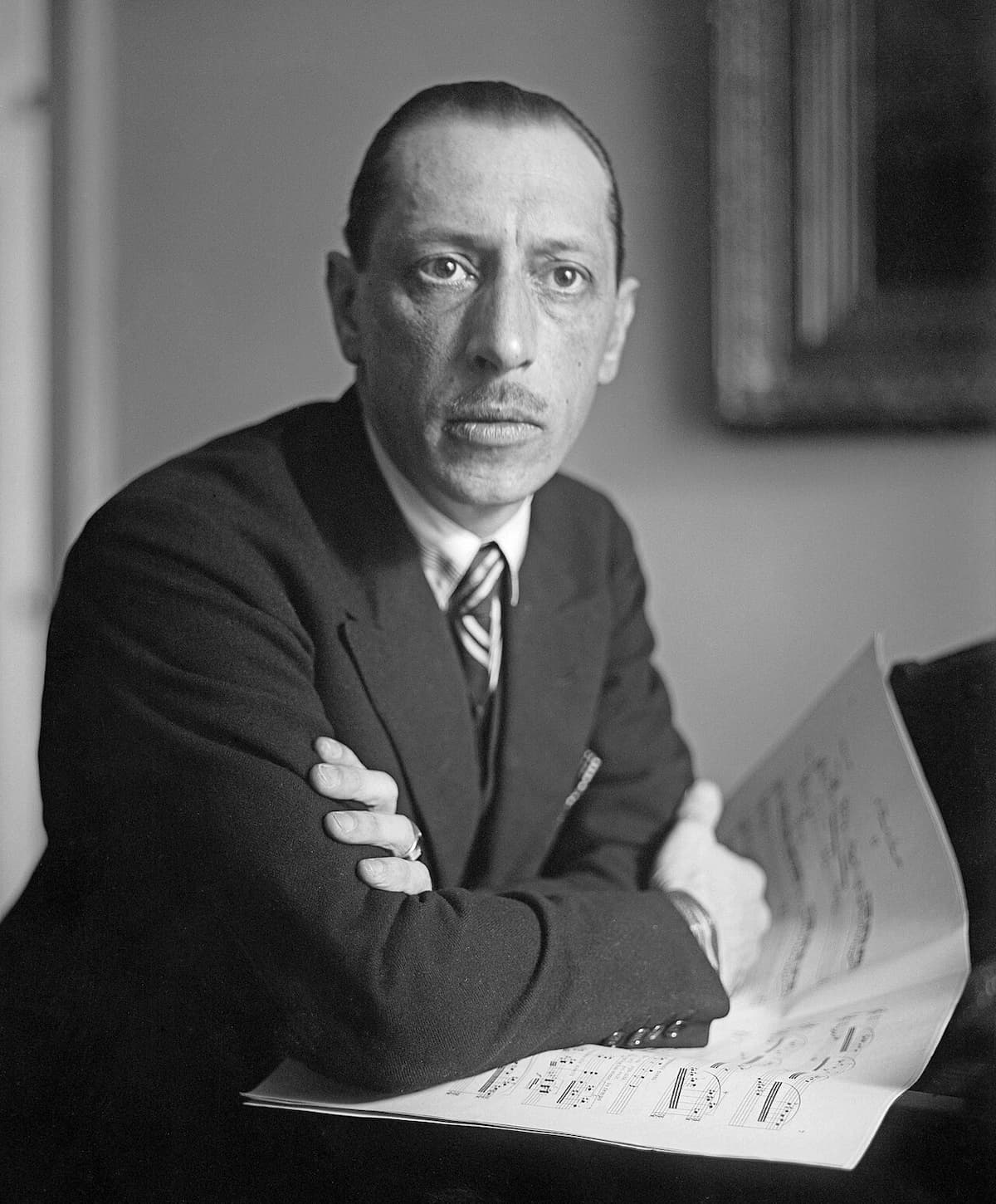
Igor Stravinsky – The Rite of Spring (1913)   

By the spring of 1913, Igor Stravinsky was a rising young composer in the artistic hotbed that was late Belle Époque Paris.

His earlier ballets for Sergei Diaghilev’s Ballets Russes – the shimmering Firebird (1910) and quirky Petrushka (1911) – had put him on the map as a talented new voice steeped in Russian folklore.

Igor Stravinsky

Igor Stravinsky

But nothing could prepare the world for Le sacre du printemps (The Rite of Spring), Stravinsky’s bold ballet about pagan ritual sacrifice in prehistoric Russia.

The premiere took place on 29 May 1913 at Paris’s Théâtre des Champs-Élysées, a brand-new modern theater packed with fashionable society and artists.

What unfolded that evening has since become the stuff of legend: the most infamous opening night in musical history.

The Rite quickly erupted into a veritable barrage of jagged rhythms and grinding dissonances that crashed against the genteel sensibilities of the sophisticated Parisian audience.

The music, combined with the choreography, caused pockets of the crowd to start booing and catcalling.

Viewers shouted insults at the stage; some laughed nervously while others answered back with shushes, and soon, spectators were yelling at each other. Fistfights even broke out in the aisles.

At one point, the clamour grew so loud that the dancers could not hear the orchestra, and the performance nearly fell apart.

Backstage, Stravinsky was so furious at the hostile reaction that he reportedly slipped out of the theater in a rage before the performance ended.

However – the next day, everyone in Paris was talking about The Rite of Spring. For Stravinsky, this infamous premiere of his brilliant score made him a household name across the musical world.

Dmitri Shostakovich – Symphony No. 1 (1924–1925)   

In 1925, a teenage student at the Leningrad Conservatory named Dmitri Shostakovich stunned his professors by completing an impressive symphony as his graduation project. It would go on to propel him to instant stardom.

A child prodigy in a time of political turmoil, Shostakovich had entered Petrograd Conservatory at 13 and endured years of hardship – practicing piano in unheated rooms, barely eating during a famine, even playing piano accompaniment for silent films to help support his family after his father’s death.

The premiere took place the year after it was written, on 12 May 1926, with the Leningrad Philharmonic conducted by Nikolai Malko.

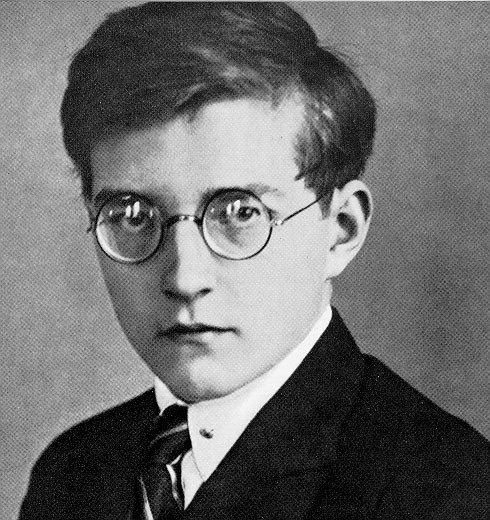
Dmitri Shostakovich, 1925

Dmitri Shostakovich, 1925

The performance was a spectacular success, and the news spread quickly in musical circles: a conservatory student had written a symphony that could stand toe-to-toe with seasoned professionals.

The piece’s fame did not stay confined to Leningrad. Shostakovich’s teacher, composer Alexander Glazunov, helped send the score abroad, complete with his recommendation.

Within a year, Shostakovich’s symphony was being performed in cities across Europe and America, with esteemed maestros like Bruno Walter and Leopold Stokowski taking up the work. It was the start of his global fame.

Conclusion

Overnight success in classical music is the exception, not the rule – which makes all of these premieres so noteworthy.

Although musical mastery is achieved over a period of years or even decades, musical success can sometimes turn on the events of a single night.

As we’ve seen, the impacts of those nights continue to reverberate for listeners today, every time we hear now-beloved classics like the Rite of Spring, the C-sharp minor Prelude, and Cavalleria rusticana.

10 Classical Music Facts That Sound Fake But Are True


But scratch the surface, and the past turns out to be far stranger.

Behind some of the most revered composers in Western music are stories that sound like modern internet myths: fan hysteria bordering on mass delusion, obscene jokes set to immaculate counterpoint, creative breakdowns cured by hypnosis, murder plots abandoned at the last minute, and lifelong obsessions with things like trains and numerology.

Remarkably, these stories aren’t apocryphal. In many cases, they’re documented in letters, memoirs, contemporary reports, and firsthand accounts.

Here are ten classical composer facts that sound fake – but are completely true.

1. Franz Liszt caused celebrity hysteria.   

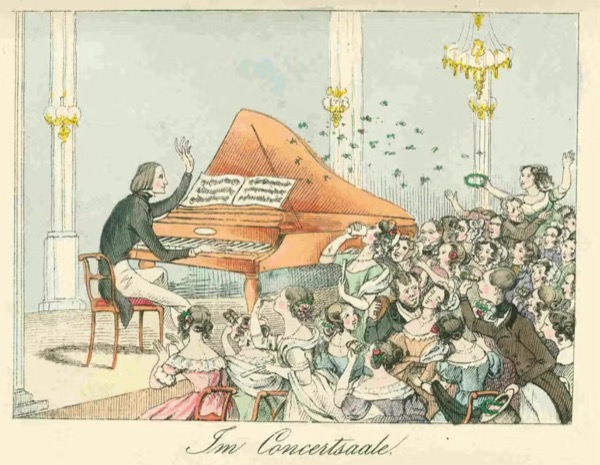
During the 1840s, Franz Liszt inspired a phenomenon that writer Heinrich Heine famously dubbed Lisztomania, which can be compared to the Beatlemania of the twentieth century.

Audiences screamed, fainted, and picked up his cigar stumps in the street.

Liszt concert cartoon

Liszt concert cartoon

Lisztomania even had an impact on fashion: women wore cameos with his portrait, made his piano strings into bracelets, and collected his discarded gloves and handkerchiefs.

Thanks to his virtuosity, Liszt became an international celebrity decades before visual mass media, creating a template for the fame of musical superstars of the future.

2. Wolfgang Amadeus Mozart wrote a canon whose text is literally “lick me in the arse.”   

Mozart‘s scatological humour is well documented, and one of his canons bears the unforgettable title Leck mich im Arsch (K. 231) (“Lick me in the Arse”).

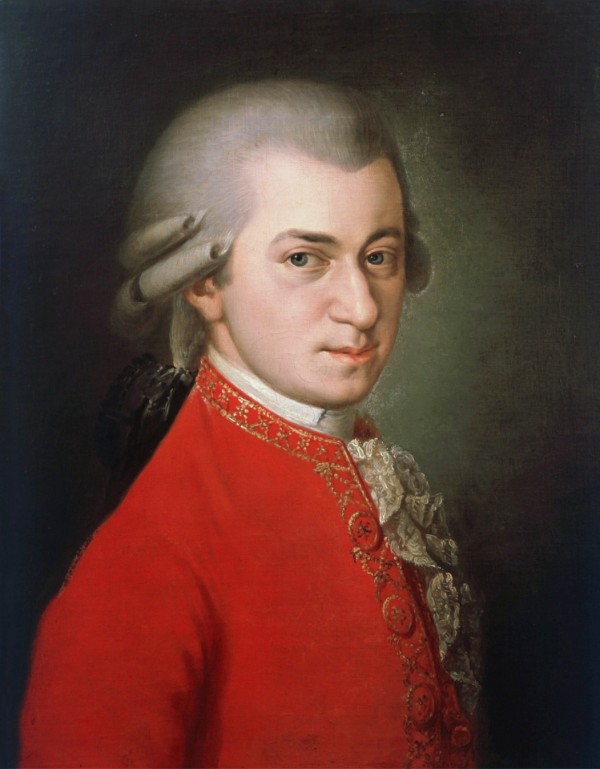
Barbara Krafft: W. A. Mozart, 1819 (Gesellschaft der Musikfreunde)

Barbara Krafft: W. A. Mozart, 1819 (Gesellschaft der Musikfreunde)

Historians have surmised that it was a party piece for a group of friends to sing together.

The canon is harmonically correct, neatly constructed – and unapologetically vulgar.

After Mozart’s death, when his remaining work was being catalogued and published, the publisher changed the lyrics to “Let Us Be Glad!” The original text was rediscovered in 1991.

3. A full performance of Erik Satie’s Vexations can last 18 to 24 hours.  

Satie‘s Vexations consists of a short, eerie piano phrase with the instruction that it be repeated 840 times.

When taken at a slow, meditative tempo – as Satie may have intended – a complete performance can last nearly an entire day.

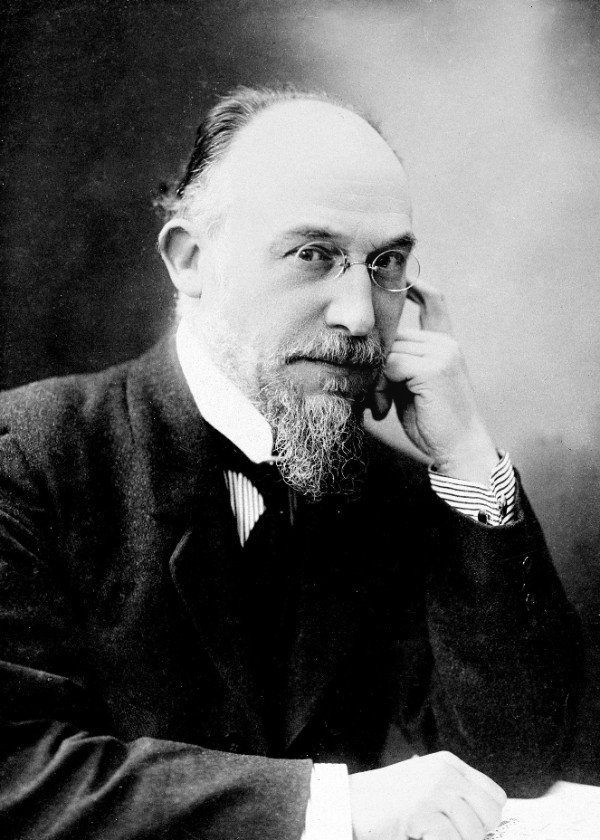
Erik Satie

Erik Satie

The first full performance took place in 1963 and was organised by composer John Cage. It involved multiple pianists rotating in shifts, with audience members coming and going throughout the night.

That performance lasted for eighteen hours. One audience member heard the entire thing.

4. Johann Sebastian Bach once walked 250 miles just to hear an organist.

Bach – Passacaglia in C minor BWV 582 – Smits | Netherlands Bach Society   

In 1705, the 20-year-old Johann Sebastian Bach walked roughly 250 miles from the town of Arnstadt to the town of Lübeck to hear the legendary organist Dieterich Buxtehude.

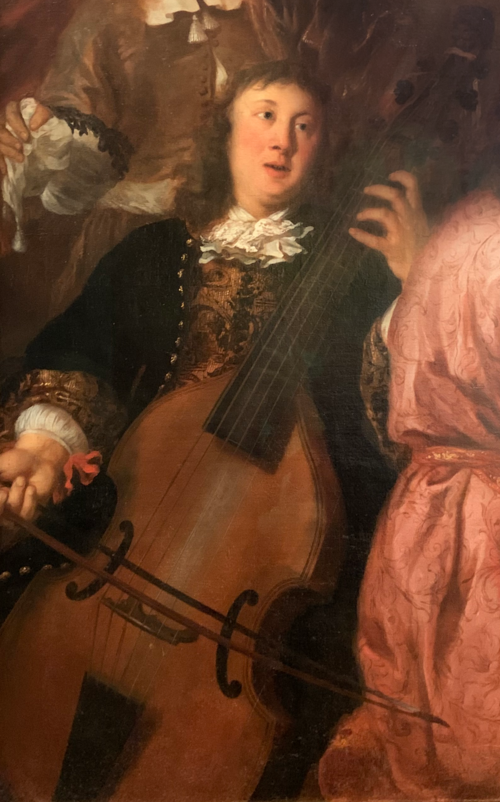
Depiction of the Danish baroque composer Dieterich Buxtehude in the painting "The Musical Party" 1674 by Johannes Voorhout

Depiction of Dieterich Buxtehude in the painting “The Musical Party” 1674 by Johannes Voorhout

That year, Buxtehude was scheduled to lead weekly performances of his music during the Advent season. At least one performance included a 25-member violin section, a brass section, and multiple choirs, so it’s easy to see why Bach would be so interested in hearing it.

Bach was granted a short leave from his job to experience this event, but he overstayed it by several months, studying Buxtehude’s playing and compositional style.

The journey would have permanently shaped Bach’s approach to music, expanding his idea of what was possible.

5. Hector Berlioz, composer of the Symphonie fantastique, once planned a triple murder.   

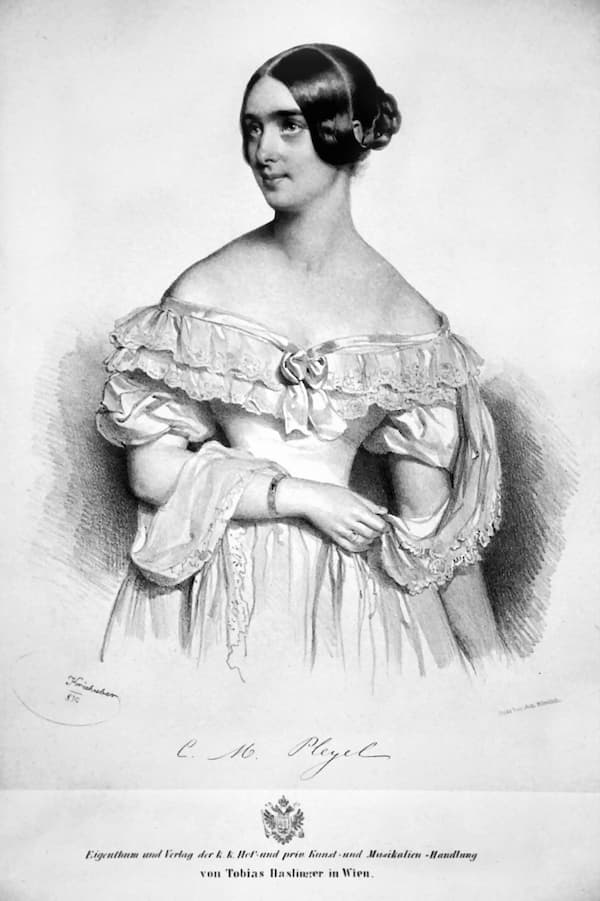
After composing his famous Symphonie fantastique, based on his fixation with actress Harriet Smithson, Hector Berlioz turned around and fell in love with a virtuoso pianist named Camille Marie Moke, and the two became engaged.

Marie Pleyel

Marie Pleyel

Around the same time, Berlioz won the prestigious Prix de Rome and, as part of his prize, travelled to Rome to live and compose.

One day, he got a letter letting him know that Moke had married a wealthy piano manufacturer instead of him.

Blinded by rage, he devised a detailed plan to murder Moke, her mother, and her husband before killing himself. He even acquired poison and a disguise (a maid’s costume).

Fortunately, the plan collapsed before it could be carried out. He wrote in his memoir that he didn’t follow through because he didn’t want to deprive the world of his music.

It’s one of the more disturbing pieces of trivia in the history of classical music.

6. Sergei Prokofiev died the same day as Stalin.

Prokofiev: Symphony No. 7 / Gergiev · London Symphony Orchestra  

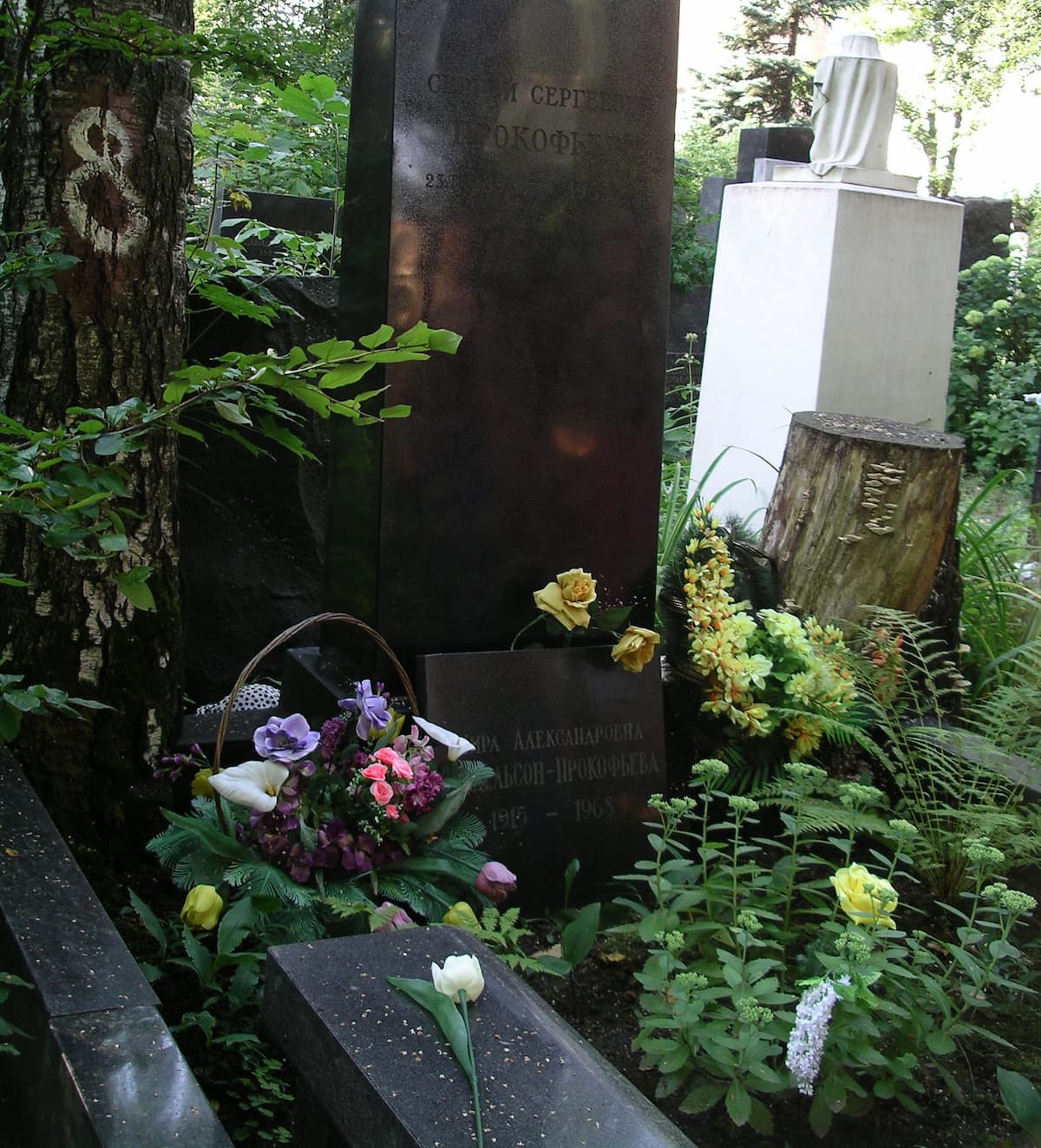
Prokofiev died of a cerebral haemorrhage on March 5, 1953 – the exact same day as Joseph Stalin.

Grave of Sergei Prokofiev

Grave of Sergei Prokofiev

The dictator’s death dominated Soviet media, leaving Prokofiev’s passing largely unnoticed. (In fact, one Soviet music periodical didn’t include a notice of his death until page 116; all preceding pages were devoted to Stalin.)

Prokofiev’s funeral only drew thirty mourners, including his sometimes-rival Dmitri Shostakovich.

Prokofiev’s ex-wife Lina – who was living in a Siberian gulag at the time – only heard about her husband’s death months later, via the radio.

7. Arnold Schoenberg was terrified of the number 13.

Arnold Schoenberg: Verklärte Nacht  

Schoenberg suffered from severe triskaidekaphobia (i.e., a fear of the number thirteen).

Throughout his life, he did things like avoiding hotels with 13 floors and altering the title of his opera from Moses und Aaron to Moses und Aron to avoid writing an opera with 13 letters.

His anxiety became worse as he aged. He was especially despondent when he turned 76, because seven plus six equals thirteen.

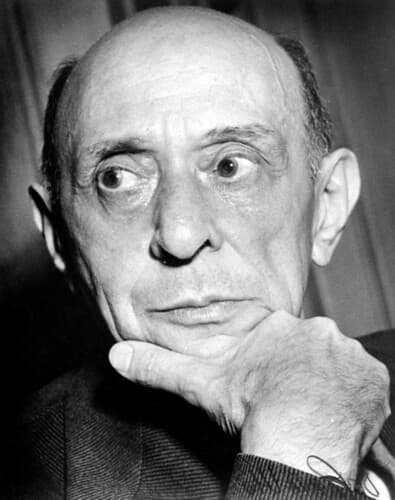
Arnold Schoenberg

Arnold Schoenberg

That said, maybe his fear was justified. He died on 13 July 1951 – just 13 minutes before midnight – having reportedly spent the entire day in terror. He was 76.

8. Wolfgang Amadeus Mozart could memorise and recreate entire works after one hearing.

Miserere mei, Deus – Allegri – Tenebrae conducted by Nigel Short  

At age 14, Mozart attended a performance of priest and composer Gregorio Allegri’s Miserere in the Sistine Chapel: a piece whose score was closely guarded and forbidden to copy.

After hearing it once, Mozart wrote the entire work down from memory. He later returned to correct minor details.

The Vatican ultimately praised the feat rather than punishing him.

9. After the disastrous premiere of his first symphony, Sergei Rachmaninoff needed hypnosis to write again.  

The premiere of Rachmaninoff‘s First Symphony in 1897 was a catastrophe, partly due to a poorly rehearsed and inebriated conductor.

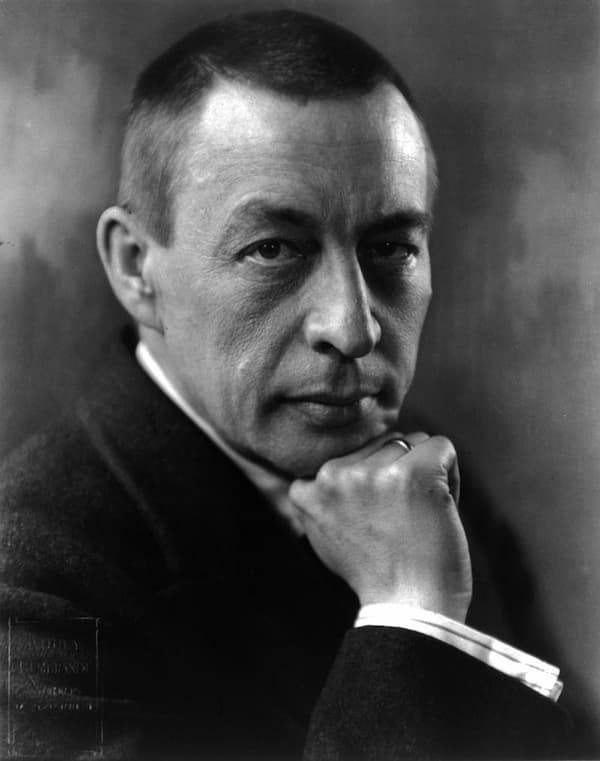
Kubey-Rembrandt Studios: Sergei Rachmaninoff, 1921

Kubey-Rembrandt Studios: Sergei Rachmaninoff, 1921

The failure plunged the composer into a deep depression and creative paralysis that lasted several years.

Rachmaninoff eventually underwent hypnotherapy, which helped restore his confidence, leading directly to the composition of his wildly successful Piano Concerto No. 2. Today, that concerto is one of the most popular ever written.

He even dedicated the score to his therapist in gratitude for the help.

10. Antonín Dvořák had a hyperfixation with trains.  

Antonín Dvořák was intensely fascinated by trains.

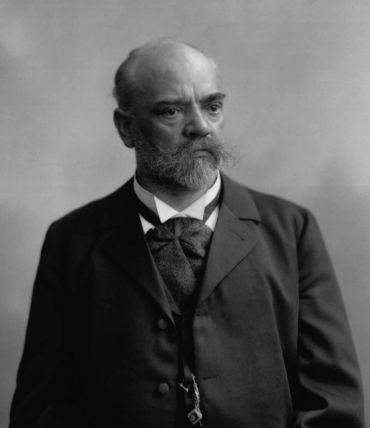
Antonín Dvořák, 1904

Antonín Dvořák, 1904

He memorised timetables, kept a journal of his train travels, spent hours at stations watching engines arrive and depart, and could identify individual trains by sight and sound.

He even once famously remarked that he would have given up all of his symphonies to have invented the locomotive.

Conclusion

Taken together, these stories reveal something essential about classical music history: it is far messier, funnier, darker, and more human than the myths suggest.

The same figures who wrote sacred masses, symphonies, and operatic tragedies were also capable of crude jokes, obsessive fixations, emotional collapses, and spectacular lapses in judgment.

History doesn’t need embellishment to be fascinating. Sometimes, the truth is already stranger than fiction.

Tuesday, June 16, 2026

𝐋𝐢𝐜𝐞𝐨 𝐌𝐮𝐬𝐢𝐜 𝐏𝐫𝐨𝐟𝐞𝐬𝐬𝐨𝐫'𝐬 𝐂𝐨𝐦𝐩𝐨𝐬𝐢𝐭𝐢𝐨𝐧 𝐑𝐞𝐜𝐞𝐢𝐯𝐞𝐬 𝐖𝐨𝐫𝐥𝐝 𝐏𝐫𝐞𝐦𝐢𝐞𝐫𝐞 𝐢𝐧 𝐆𝐞𝐫𝐦𝐚𝐧𝐲

Prof. Niño Cesar B. Tiro of the Liceo de Cagayan University Conservatory of Music achieved another international milestone as his original piano composition, "First Light," received its world premiere in Bonn, Germany on June 14, 2026.
The work was performed by acclaimed German concert pianist Susanne Kessel at the historic Pantheon Theater as part of Freiheit! ("Freedom"), a major international composition project commemorating the upcoming 200th anniversary of Ludwig van Beethoven's death in 2027. The initiative brings together contemporary composers from around the world to explore contemporary concepts of freedom through music.
A composer, arranger, pianist, and educator, Tiro serves as a faculty member of the Liceo Conservatory of Music. He is the sole Filipino invited to participate in the Freiheit! project, a distinction that mirrors his participation in an earlier Beethoven commemorative initiative marking the composer's 250th birth anniversary.
His contribution to that global project earned him the prestigious Ani ng Dangal Award for Music, conferred by the National Commission for Culture and the Arts (NCCA) in recognition of outstanding artistic achievements by Filipinos on the international stage.
Composed in response to the project's theme of freedom, "First Light" reflects hope, renewal, and human possibility through music.
The composition is also slated for publication in a forthcoming international anthology by Editions Musica Ferrum, a contemporary music publishing house based in London, United Kingdom. The publication will allow the work to reach wider audiences, performers, and institutions across the globe.
This achievement highlights the growing international presence of the Liceo Conservatory of Music and underscores Liceo de Cagayan University's commitment to excellence in the arts, creative scholarship, and global engagement.
May be an image of piano and text that says 'LICEODECAGAYAN DE LICEO UNIVERSITY Take a step closer to your DREAMS! LICEONEWS NEWS UCEO Liceo Music Professor's Composition receives World Premiere in Germany www.liceo.edu.ph 0936-270-8196 0955-401-3434 admssions@liceo.edu.ph'


Featured Post

The Most Overtly Erotic Works in Classical Music

  by  Emily E. Hogstad    May 28th, 2026 Western classical music is often thought of as cerebral or abstract, but throughout its history, co...