The Ultimate Vivaldi Quiz
Antonio Lucio Vivaldi: an Italian composer, virtuoso violinist and impresario of Baroque music. You may know his most famous work, but how much do you know about his life, family and death?
Antonio Lucio Vivaldi: an Italian composer, virtuoso violinist and impresario of Baroque music. You may know his most famous work, but how much do you know about his life, family and death?
Best known for The Lark Ascending, Ralph Vaughan Williams wrote nine symphonies, operas, film scores and was an avid collector of English folk songs.
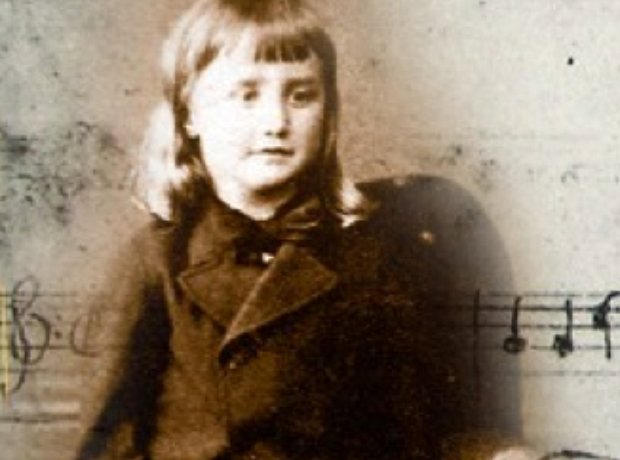
Born in the village of Down Ampney, Gloucestershire, Ralph Vaughan Williams was related to Charles Darwin (Ralph's great-uncle) and the ceramics giant Josiah Wedgwood (his great-great-grandfather). Young Ralph studied piano and violin and collected traditional folk songs from an early age. These tunes went on to inspire many of his subsequent works.
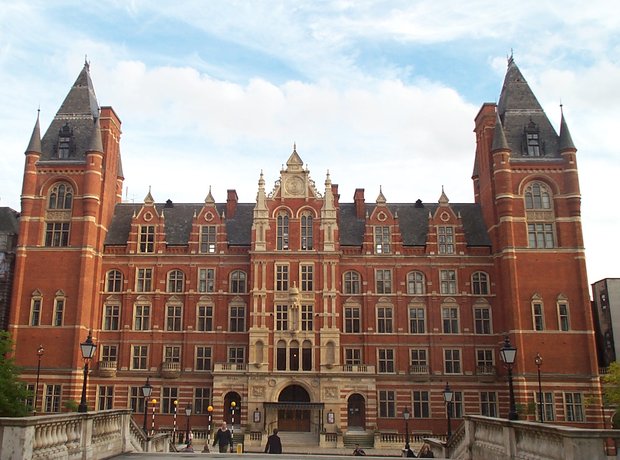
Vaughan Williams studied at the Royal College of Music in London, pictured, alongside Gustav Holst and Leopold Stokowski. He also spent a short time continuing his studies in Berlin with Max Bruch.
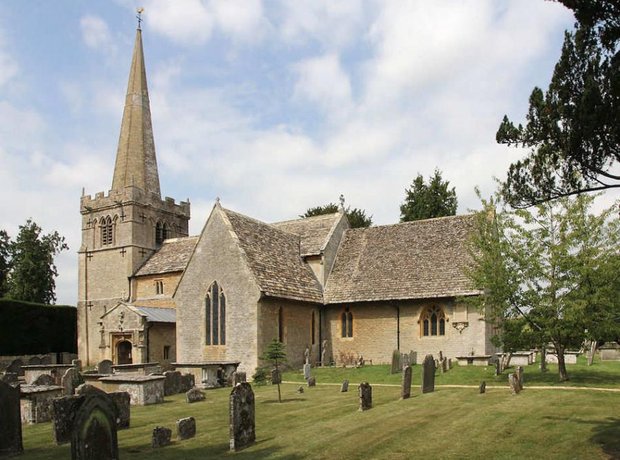
The composer's father Arthur was ordained vicar of All Saints church in Down Ampney, pictured. Despite being agnostic, Vaughan Williams edited The English Hymnal in 1904, composed some stunning Christian choral music, and wrote an opera of The Pilgrim’s Progress.
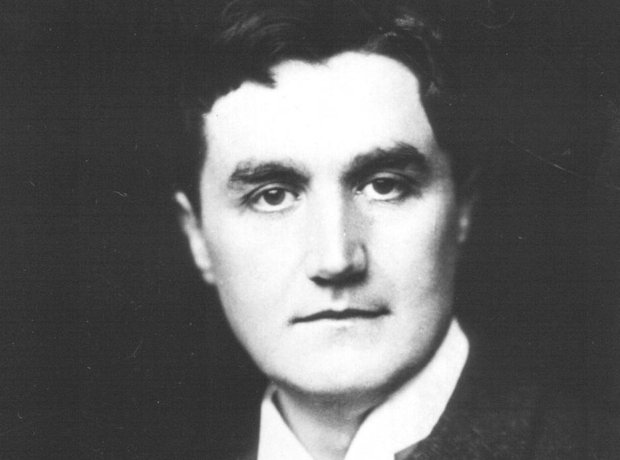
The composer never took his privileged background for granted and worked all his life for democratic and egalitarian ideals. He viewed music as being part of everyone’s everyday life, rather than being the preserve of an elite.
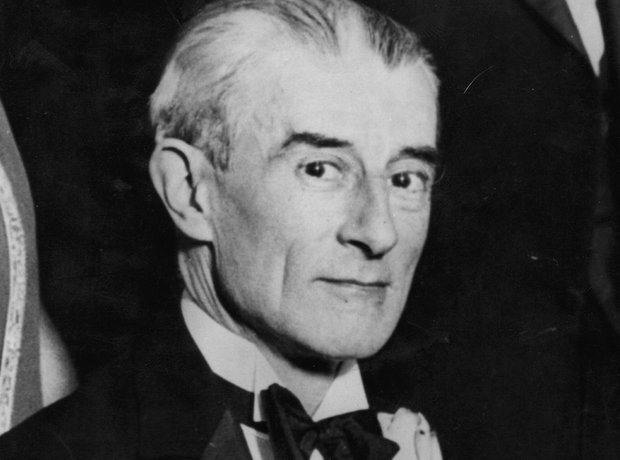
In 1907-1908, Vaughan Wiliams studied orchestration in Paris with Ravel. It inspired one of his most fruitful periods of composition. 1910 saw the premieres of his A Sea Symphony and the Fantasia on a Theme of Thomas Tallis.
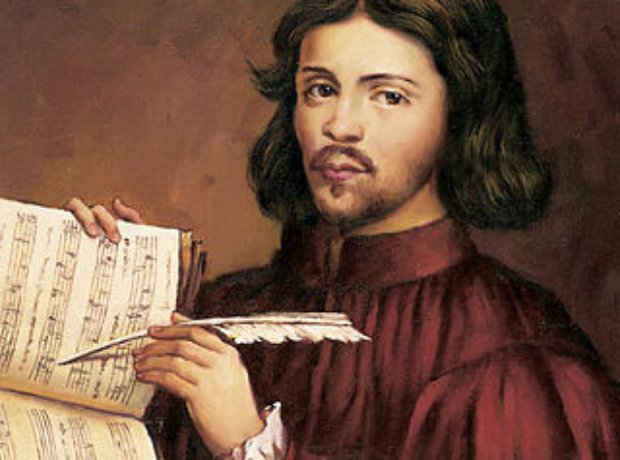
The theme from Fantasia on a Theme of Thomas Tallis, pictured, was discovered by Vaughan Williams when he was commissioned to put together the 1906 edition of the English Hymnal. His orchestration of it resulted in an unmistakably British sound and has remained one of his most popular pieces.

Vaughan Williams’ most popular piece, The Lark Ascending, was written in 1914 but the outbreak of World War I meant he had to put its premiere on hold. It was given in 1921 by the violinist Marie Hall – the woman for whom Vaughan Williams had written it.
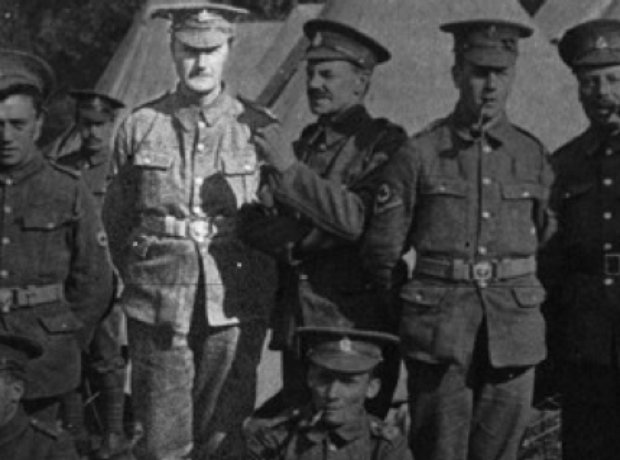
Aged 41 when World War I began, Vaughan Williams served in France and Salonika. Prolonged exposure to gunfire began a process of hearing loss that eventually caused severe deafness in his old age.
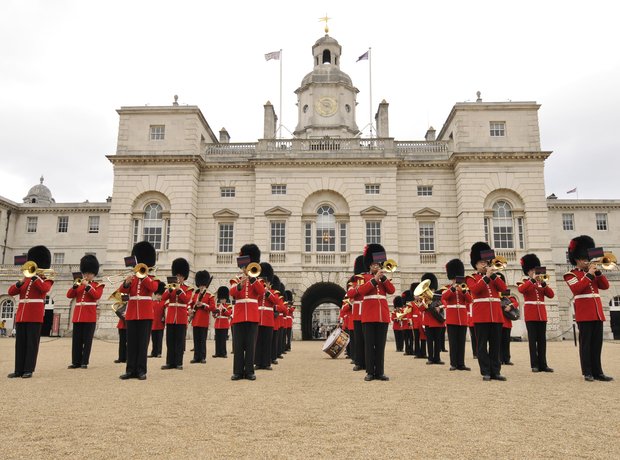
Vaughan Williams was rather sentimental about military bands which he recognized as being crucially important to the UK’s cultural and community life. So in 1923 he composed English Folk Songs Suite for them.
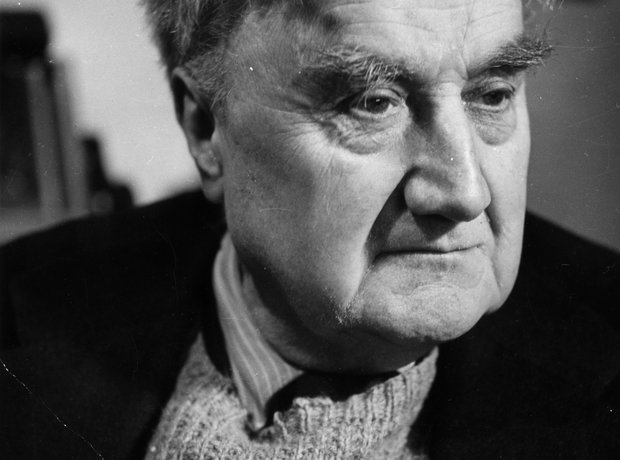
The composer conducted the London Philharmonic Orchestra in the premiere of his Symphony No.5, dedicated to Sibelius, on 24 June 1943. It offered calming relief from the rigors of London life during the Second World War. As he was already 70, many considered the symphony to be his swan song but Vaughan Williams entered another period of experimental compositions.
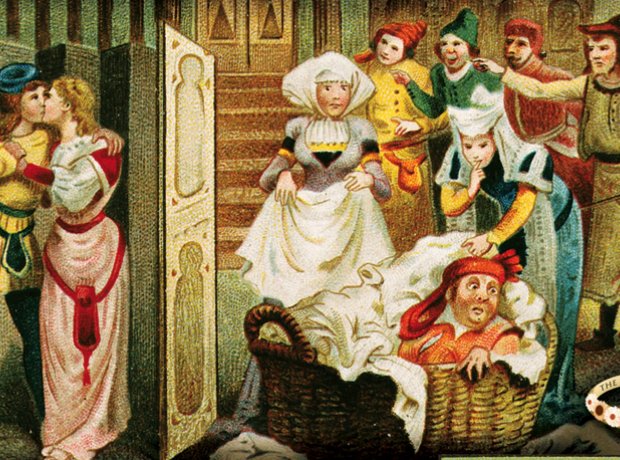
The four-minute long Fantasia on Greensleeves appeared originally in Vaughan Williams's 1928 opera Sir John in Love. The piece also incorporates a folk song called ‘Lovely Joan’ which Vaughan Williams came across in Sussex.
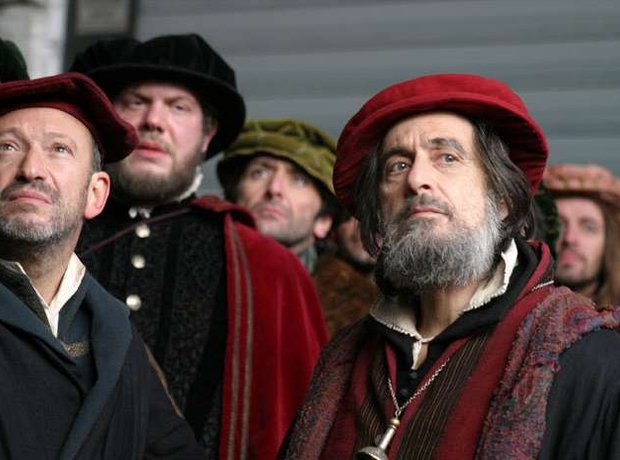
Vaughan Williams' Serenade to Music for 16 vocal soloists and orchestra was composed in 1938. The text is adapted from a discussion about music and the music of the spheres in Act V of Shakespeare’s The Merchant of Venice, pictured.
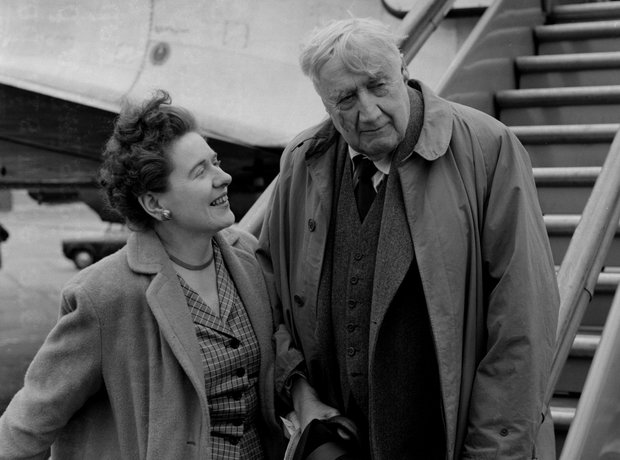
Vaughan Williams was married first to Adeline Fisher. After her death in 1951, he married poet Ursula Wood, pictured, who worked on the libretti for his choral work The Sons of Light as well as the opera The Pilgrim's Process and a Christmas cantata, Hodie.
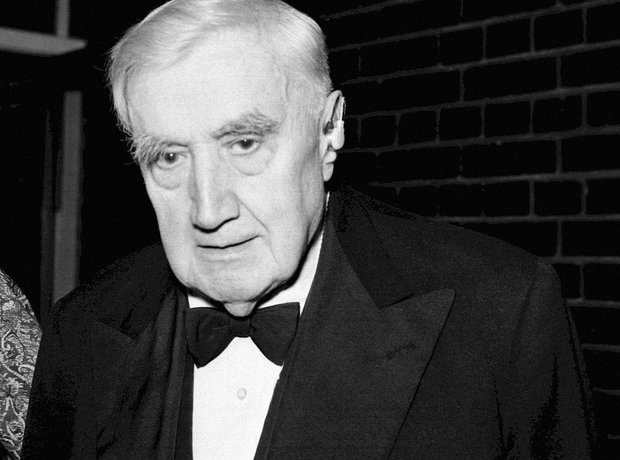
Vaughan Williams was still composing great music into his 80s. At the age of 85, he was set to supervise the first recording of his Ninth Symphony with Sir Adrian Boult conducting. But his death on 26 August 1958, the night before the recording sessions were to begin, prompted the conductor to announce to the musicians that their performance would be a memorial to the composer.
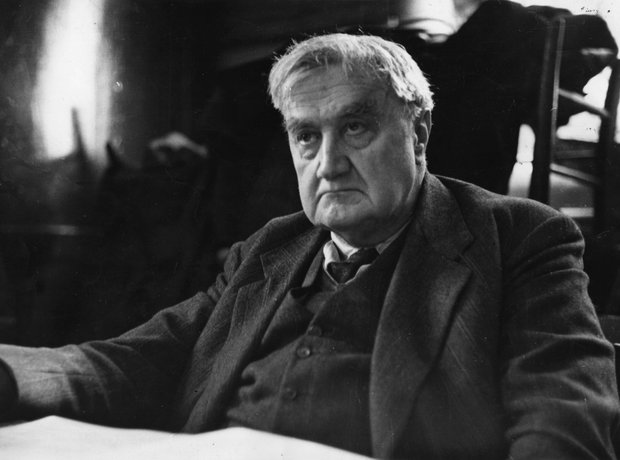
Since Classic FM began broadcasting in 1992, the popularity of Vaughan Williams has grown steadily each year with The Lark Ascending often topping the annual Hall of Fame poll from 2007 onwards.


Richard Rodgers' contributions to the musical theatre of his day were extraordinary, and his influence on the musical theatre of today and tomorrow is legendary. His career spanned more than six decades, and his hits ranged from the silver screens of Hollywood to the bright lights of Broadway, London and beyond. He was the recipient of countless awards, including Pulitzers, Tonys, Oscars, Grammys and Emmys. He wrote more than 900 published songs, and forty Broadway musicals.
Richard Charles Rodgers was born in New York City on June 28, 1902. His earliest professional credits, beginning in 1920, included a series of musicals for Broadway, London and Hollywood written exclusively with lyricist Lorenz Hart. In the first decade of their collaboration, Rodgers & Hart averaged two new shows every season, beginning with Poor Little Ritz Girl, and also including The Garrick Gaities (of 1925 and 1926), Dearest Enemy, Peggy-Ann, A Connecticut Yankee and Chee-Chee. After spending the years 1931 to 1935 in Hollywood (where they wrote the scores for several feature films including Love Me Tonight starring Maurice Chevalier, Hallelujah, I'm a Bum starring Al Jolson and The Phantom President starring George M. Cohan), they returned to New York to compose the score for Billy Rose's circus extravaganza, JUMBO.
A golden period followed -- golden for Rodgers & Hart, and golden for the American musical: On Your Toes (1936), Babes In Arms (1937), I'd Rather Be Right (1937), I Married An Angel (1938), The Boys From Syracuse (1938), Too Many Girls (1939), Higher And Higher (1940), Pal Joey (1940), and By Jupiter (1942). The Rodgers & Hart partnership came to an end with the death of Lorenz Hart in 1943, at the age of 48.
Earlier that year Rodgers had joined forces with lyricist and author Oscar Hammerstein II, whose work in the field of operetta throughout the '20s and '30s had been as innovative as Rodgers' own accomplishments in the field of musical comedy. OKLAHOMA! (1943), the first Rodgers & Hammerstein musical, was also the first of a new genre, the musical play, representing a unique fusion of Rodgers' musical comedy and Hammerstein's operetta. A milestone in the development of the American musical, it also marked the beginning of the most successful partnership in Broadway musical history, and was followed by Carousel (1945), Allegro (1947), South Pacific (1949), The King And I (1951), Me And Juliet (1953), Pipe Dream (1955), Flower Drum Song (1958) and The Sound of Music (1959). The team wrote one movie musical, State Fair (1945), and one for television, Cinderella. (1957). Collectively, the Rodgers & Hammerstein musicals earned 35 Tony Awards, 15 Academy Awards, two Pulitzer Prizes, two Grammy Awards and 2 Emmy Awards. In 1998 Rodgers & Hammerstein were cited by Time Magazine and CBS News as among the 20 most influential artists of the 20th century and in 1999 they were jointly commemorated on a U.S. postage stamp.
Despite Hammerstein's death in 1960, Rodgers continued to write for the Broadway stage. His first solo entry, NO STRINGS in 1962, earned him two Tony Awards for music and lyrics, and was followed by Do I Hear a Waltz? (1965, lyrics by Stephen Sondheim), Two by Two (1970, lyrics by Martin Charnin), REX (1976, lyrics by Sheldon Harnick) and I Remember Mama (1979, lyrics by Martin Charnin and Raymond Jessel).
No Strings was not the only project for which Rodgers worked solo: as composer/lyricist he wrote the score for a 1967 television adaptation of Bernard Shaw's Androcles and the Lion for NBC; contributed songs to a 1962 remake of State Fair; and to the 1965 movie version of The Sound of Music. He composed one ballet score (Ghost Town, premiered in 1939), and two television documentary scores -- Victory at Sea in 1952 and The Valient Years in 1960 (the former earning him an Emmy, a Gold Record and a commendation from the U.S. Navy.)
Richard Rodgers died at home in New York City on December 30, 1979 at the age of 77. On March 27, 1990, he was honored posthumously with Broadway's highest accolade when the 46th Street Theatre, owned and operated by the Nederlander Organization, was renamed The Richard Rodgers Theatre, home to The Richard Rodgers Gallery, a permanent exhibit in the lobby areas presented by ASCAP which honors the composer's life and works.
by Emily E. Hogstad May 28th, 2026 Western classical music is often thought of as cerebral or abstract, but throughout its history, co...