Thursday, May 11, 2023

Lang Lang & Nicole Scherzinger perform at The King's Coronation Concert ...
The world-renowned pianist Lang Lang and international superstar Nicole Scherzinger captivated the audience with a breathtaking performance of ‘Reflection’ from Disney’s Mulan at The King’s Coronation.
This historic concert which took place at the prestigious Windsor Castle showcased a fusion of Lang Lang’s unparalleled piano artistry and Nicole Scherzinger’s powerhouse vocals, against a ‘real-life fairytale’ backdrop creating an unforgettable musical experience for all in attendance.
At the heart of this extraordinary collaboration, Lang Lang showcased his virtuosity on the legendary Steinway Model D piano. Known as the “king of pianos,” the Steinway Model D is renowned for its impeccable craftsmanship, rich tonal palette, and unparalleled precision.
The instrument’s resonant soundboard and exceptional responsiveness provided Lang Lang with the perfect canvas to paint this masterpiece in celebration of His Majesty King Charles III and Queen Camilla – Marking a historic milestone in the nation’s history.
Monday, May 8, 2023
Sunday, May 7, 2023
Friday, May 5, 2023
Tears (Concerto)
Tears (Concerto) · Ernesto Cortazar
Concertos Vol. IV
℗ 2014 Piano Drops Music & Publishing
Ways of Listening
By Frances Wilson, Interlude
 “Art is not what you see, but what you make others see.”
This quote from the French artist Edgar Degas could be paraphrased for music – Music is not what you hear, but what you make others hear.
In other words, the role of the performer – like the artist – is to create images, narratives and meaning for the audience through the music they perform. Their own interpretation or concept of the music may not necessarily be easily audible to the listener: we will each perceive and interpret the music in our own way, and what sounds like pleasing music to one person may sound like noise to another! But if a performance evokes a mood or scene, provokes emotions or creates a meaningful experience for the listener, then it can be considered successful in its ability to communicate – in effect, “to make others hear”.

© Tim Robberts/Stone/Getty Images
I’ve selected ‘Dawn’ from Benjamin Britten’s Sea Interludes from Peter Grimes (in an arrangement for organ by Anna Lapwood) to illustrate this point. The composer gives us some help in the title of the piece, but it is down to the performer (Anna Lapwood) to illustrate in sound the “story” of the music to us. I think she does this very successfully, in the restrained opening section, suggesting the gradual increase of light as dawn breaks.
Equally, the finale of Prokofiev’s Piano Sonata No.7 is said portray German tanks invading Stalingrad. Certainly, the music, a savage toccata, has an unrelenting energy, but the intended imagery may not be obvious to every listener – and that’s fine because ultimately, the listening experience should be whatever you get from it! What makes a “good” performance is also in the ear of the beholder, to a greater or lesser extent. An ill-prepared performance, riven with errors and mishaps, will surely be obvious to even the most ingenue listener, but “good” or “great” performance is harder to define because our listening is so subjective and individual, and is inherently biased due to our personal tastes, insight and experience.
The best performers have a clear mental and aural picture of the music, the result of meticulous work not just during physical practicing but in time spent studying the score away from the instrument. In addition, a greater understanding of the music comes from wider knowledge of the composer’s oeuvre, the music of his or her contemporaries, the social and historical context in which the music was written, and comparative listening. Thus the performer can build a detailed, personal vision of the music which they hope will be communicated to their audience. We cannot read the performer’s mind (nor indeed the composer’s!), so it is down to the performer to “tell the story” of the music as best they can, to bring it alive for us through their performance.
One of the most enjoyable aspects of concert-going – and one which I have missed over the long months of the pandemic when opportunities to hear live music have been sparse – is attending a concert with a friend or group of friends and discussing what we have heard during the interval or after the concert. The range of views can sometimes be startling, from “I loved it!” to “I really couldn’t stand it!”, which reveal just how personal our listening experience is.
Music is about communication and expression. It has a special ability to connect, inspire and move us beyond the realms of everyday life.
“The feelings that we get from listening to music are something we produce, it’s not there in the notes. It comes from emotional insight in each of us, the music is just the trigger”. – Dr David Cope
Thursday, May 4, 2023
The secrets of the world’s most famous symphony - Hanako Sawada
Discover what makes Ludwig van Beethoven’s Symphony Number Five a musical masterpiece, and uncover the story behind its inception.
--
Eight ferocious notes open one of the most explosive pieces of music ever composed. Ludwig van Beethoven’s Symphony Number Five premiered in 1808, and quickly won acclaim. Its central motif and raw emotionality have continued to resound through the ages. So what exactly makes Beethoven’s Fifth so captivating? Hanako Sawada uncovers the story behind this musical masterpiece.
Lesson by Hanako Sawada, directed by Yael Reisfeld.
Subscribe to:
Posts (Atom)
Featured Post
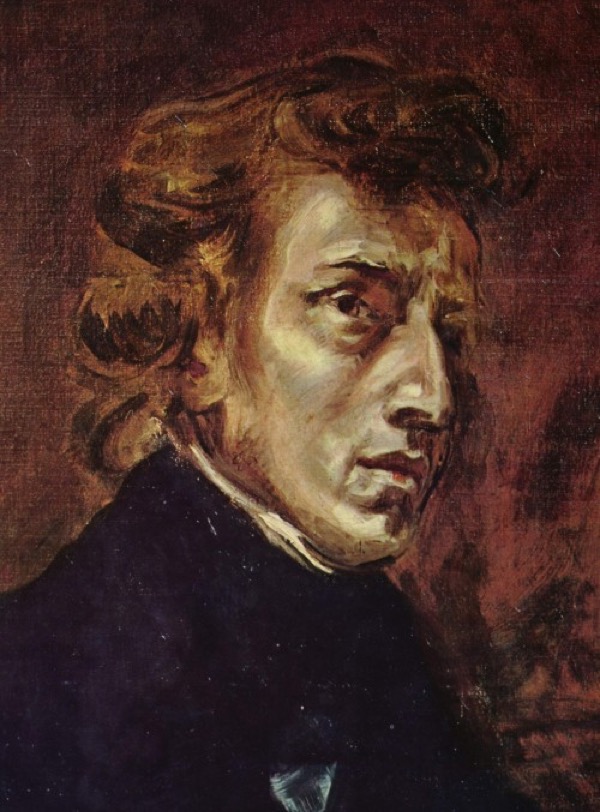
Debunking the Top 5 Myths About Chopin
Over time, selective anecdotes, early biographies, and nineteenth-century ideals of the “suffering artist” have hardened into familiar cli...
-
The BoholTimes MUSIC can raise someone’s mood, get them excited, or make them calm and relaxed. Music also – and this is important – allow...
-
2,261,443 views May 15, 2019 SUNTORY HALL Munich Philharmonic conducted by Valery Gergiev, Tokyo Suntory Hall Dec 1, 2018 00:05 - 15:5...
-
Yes, this first piano concerto by Tschaikowsky still brings tears into my eyes. Tchaikovsky (or Tschaikowsky) was the second of six survi...


