Friday, January 25, 2013

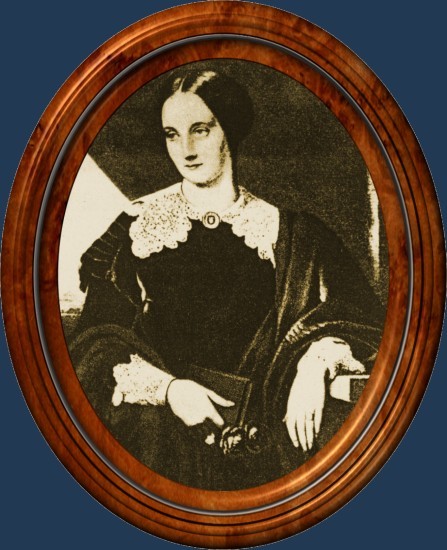
Otto Nicolai - His Music and Life


Born on June 9, 1810 in Königsberg, Germany/Poland, Otto Nicolai passed away in Berlin on May 11, 1849.

At the age of 16, he left his parental house because he thought he mind find his personal fulfilment and luck by travelling to foreign countries.

A generous sponsor facilitated a music study with Karl-Friedrich Zeller (1758-1832) in Berlin. In 1833, Otto Nicolai became organist at the German Legation of Rome. He started composing operas following the typical Italian style. "Il Templaro" (1840) became his greatest success.

The premiere of "The Merry Wifes from Windsor" ("Die lustigen Weiber von Windsor" - 1849) impressed all classical music lovers with wonderful melodies and grateful opera parts. Nicolai could enjoy an over-whelming  appreciation only for two months (!), because he passed away surprisingly.

During the 1930s a rebirth of his music works has been without success. What a pity!

Wednesday, January 23, 2013

Modest Mussorgski - His Music and Life

The Russian Modest Mussorgski was born on March 21, 1839 in Karewo/Pskow. He passed away in Saint Petersburg on March 28, 1881.

His ancestors have been Russian princes and their relatives. He was appointed to start an officer's cadet career. In 1856, Mussorgski joined a guard regiment. He became acquainted with Alexander Dargomischski, Cesar Cui and Mily Balakirew.

Modest, meanwhile an alcoholic, didn't know how to convert his incredible music talent into a successful classical music composer career. A genius finder talent let him rush centuries in advance in subscribing incredible composer talents. He developed a unique expressionism and impressionism of unknown Russian music reality.

"Pictures at an Exhibition" and "A Night on a Bald Mountain" as well as "The Dances of the Deaths" belonged to Russian classical music jewels.

Friday, January 11, 2013

Karl Milloecker - His Music and Life


Austrian Karl Millöcker was born on April 29, 1842 in Vienna and died in Baden near Vienna on December 31, 1899.

Instead of taking over is father's goldsmith workshop, the discontented Millöcker decided to start a career as flautist.

Already at the age of 16 he became a member of the well known Vienna State Opera Orchestra. One of his patrons has been the great Franz von Suppe (1819-1895 - "Poet and Peasant").

In 1878, Millöcker walked off with "The Enchanted Castle". "Countess Dubarry" (actually from 1879) received worldwide appreciation after a new arrangement by Theo Mackeben in 1931.

Millöcker's masterpiece "The Begging Student" (1882) is known up to these days. Melody abundance and "clean composition master craftsman's intelligence" remained as equal and evenly matched to Johann Strauss.

The following operettas showed a slacken composition readiness and became sadden flops.

"Gasparone" by Carl Millöcker - Introduction and Erminio's Song - Sung b...

Featured Post

The Most Overtly Erotic Works in Classical Music

  by  Emily E. Hogstad    May 28th, 2026 Western classical music is often thought of as cerebral or abstract, but throughout its history, co...