Total Pageviews

Saturday, January 13, 2024

Sweetest Harmony

Harmony

For me personally, it’s such an uplifting thought that countless people, particularly in the arts and music, are trying to promote peace and harmony through shared performances. Take for example, the “Harmony of Nations Baroque Orchestra,” a period-instrument group of young musicians from all over Europe. The 20-founding members are from 14 different Nations, including England, France, Germany, Greece, Hungary, Italy, Norway, Poland, Portugal, Spain, Sweden, Switzerland, and Wales.
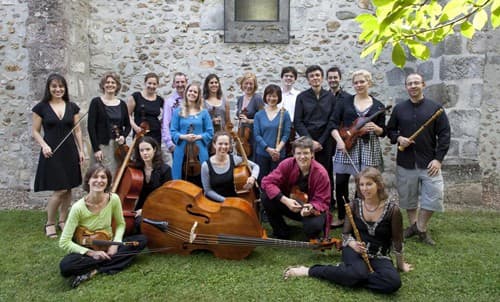
Harmony of Nations Orchestra

Harmony of Nations Orchestra

They speak different languages and celebrate an incredible diversity of cultural heritage. Many have lived and studied in countries other than their own, but what unites them is a common musical heritage and a desire for social harmony. And it is easy to hear the delicious result in their delight in producing the sweetest harmonies. 

In 1695, the composer Georg Muffat wrote, “Weapons of war and their use are something I am unable to engage with. I busy my time with notes, strings, and sounds. I work in the cause of harmony, mixing the sounds of France, Germany, and Italy and attempting thus to prevent wars and to serve the cause of peace among nations and their striving for peace.’’
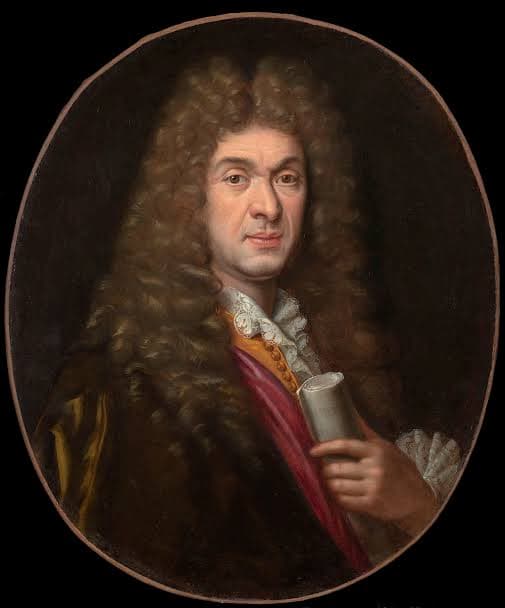
Georg Muffat

Georg Muffat

Muffat’s words are as relevant today as they were over 300 years ago. He was among the most cosmopolitan composers of the seventeenth century, growing up in the Duchy of Savoy and Alsace, regions subject to political ambitions of France and the Holy Roman Empire.

His “Florilegium Secondum” (Second Garland of Flowers) of 1698 contains dances in what he calls “a more sweet harmony.” Here, the composer takes us on a musical tour of European national musical styles and conventions, all the way from Spain to Holland, England, Italy, and France. 

The Austrian composer, violinist, and silvologist—a biological scientist studying the natural ecosystems of forests and woodlands, Carl Ditters von Dittersdorf was born in 1739. He was a prolific and versatile contemporary of Haydn and Mozart, and he already knew that engagement and dialogue were the most important elements in establishing harmony among nations.
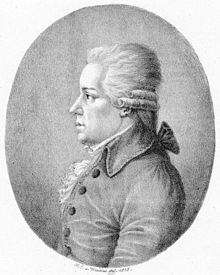
Portrait of Carl Ditters von Dittersdorf by Heinrich Eduard Wintter

Portrait of Carl Ditters von Dittersdorf by Heinrich Eduard Wintter

National musical differences have long stimulated the creative interest of artists. For his “Symphony in the Style of Five Nations” Dittersdorf presents a fairly predictable line-up. We find the Germans, the Italians, the French, the English and the Turks. But Dittersdorf adds a little twist. He actually composes parodies of musical tastes and perhaps characters.

The Germans get things started, and all with a good bit of earnestness and determination. The Italians are portrayed as bombastic, the French as courtly and old-fashioned, the English as musically naïve, and the Turks with vigorous rhythmic intensity. The point of parody is not to insult but to invite dialogue about differences. Stand-up comedians do this all the time. In the end, Dittersdorf brings everybody together in a Finale that represents a kind of musical equivalent of the European Union. 

If you ask me personally, the two biggest factors in achieving sweet harmony among nations are education and enlightenment. The sheer amount of misinformation floating around us today is pretty staggering. Education won’t give you the answers, but it will teach you how to ask meaningful and enlightened questions about any subject.
Orchestra of the Age of Enlightenment

Orchestra of the Age of Enlightenment

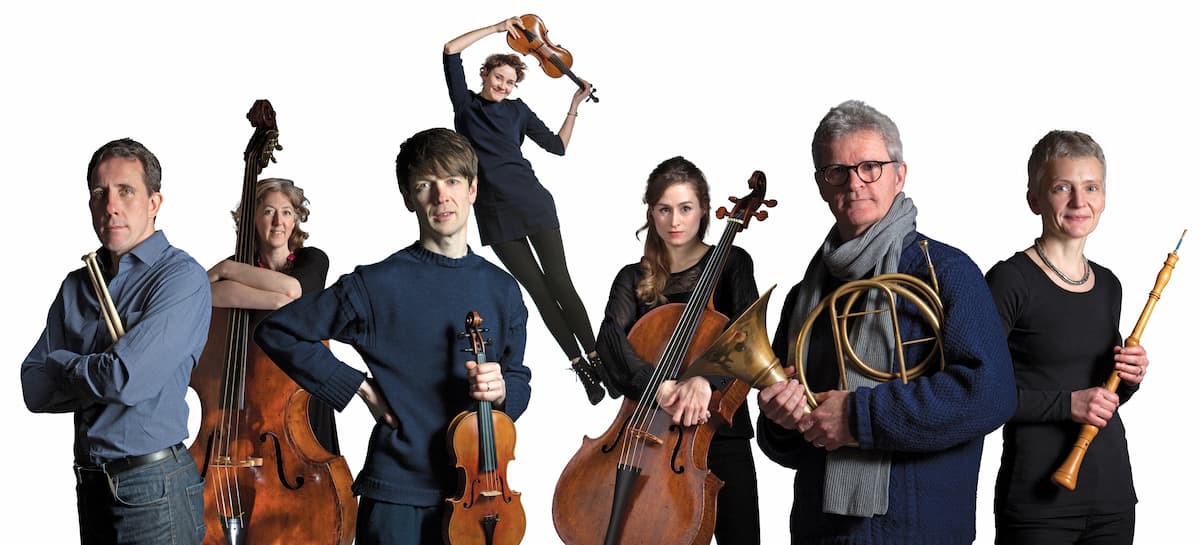
Taking a long and hard look at what constituted an “orchestra” led to the formation of the OAE, the Orchestra of the Age of Enlightenment, in 1986. They threw out the rulebook on conducting and specializing in repertoires of a particular area. They picked up period instruments and kept questioning, adapting, and inventing.

The real challenge was to turn eccentric idealists into a coherent group. So, they agreed on how to organise and remain experimentalists. They welcomed new talents and kept on exploring performance formats, rehearsal approaches, and musical techniques. If only we could get politicians to approach their responsibilities in such an enlightened manner. 

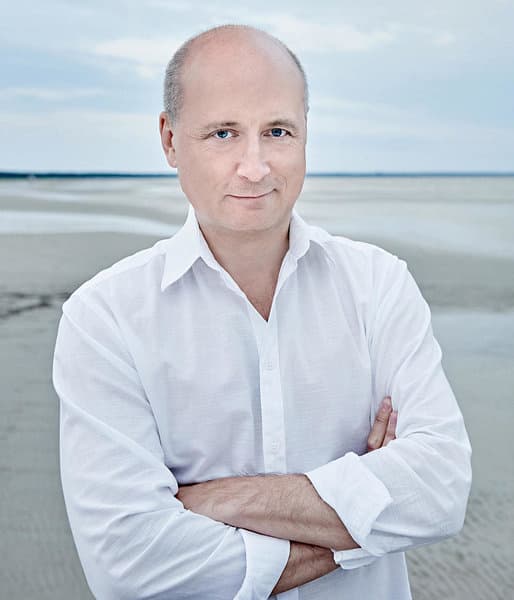
If you believe that music cannot bring people together, think again. Just ask Maestro Paavo Järvi and the Deutsche Kammerphilharmonie Bremen. The orchestra is considered at the forefront of interpreting the Classical and Romantic repertoire. Committed to colourful and transparent performances, the ensemble has captivated audiences around the world.
Maestro Paavo Järvi

Maestro Paavo Järvi

But here is the unusual part. All 41 members of the orchestra enjoy brilliant and highly successful solo careers. From the very beginning, the musicians wanted to break new musical grounds and make key decisions on all musical issues, including performance repertory, via a democratic process. Every member of the orchestra is also a vested shareholder, and they are jointly responsible for the economic success of the business as a whole.

Collaborating with the Grammy Award-winning conductor Paavo Järvi, the result has been called sensational. The orchestra is responsive, virtuosic and alert, and Järvi’s readings are energetic, often thrilling and thoughtful, yet also driving and objective. Based on mutual respect, artistic chemistry and a profound and intuitive understanding between conductor and orchestra, isn’t it amazing that so many highly skilled individuals come together to produce the sweetest harmony in complete agreement—after much deliberation and discussion, I am sure. 

Classical music is not locked-up in history but as relevant as ever because it deals with fundamental human issues. And harmony amongst nations and people is an eternal, and sometimes it seems hopeless quest. But that doesn’t mean that musicians, artists, and thinkers aren’t continuing to promote peace and harmony.
Daniel Barenboim

Daniel Barenboim © Peter Adamik

The pianist and conductor Daniel Barenboim is simultaneously a citizen of Argentina, Israel, Palestine, and Spain. In 1999, he teamed up with the Palestinian American academic, literary critic, and political activist Edward Said. Together they established the West-Eastern Divan orchestra as an attempt to promote understanding between Israelis and Palestinians. Bringing together young classical musicians from Israel, the Palestinian territories, and Arab countries to study and perform, this initiative advocates a peaceful and fair solution to the Arab-Israeli conflict.

Barenboim stated, “The Divan is not a love story, nor a peace story. It has very flatteringly been described as a project for peace. It isn’t. It’s not going to bring peace, whether you play well or not so well. The Divan was conceived as a project against ignorance… I am not trying to convert members of the Divan to a certain point of view, but create a platform where the two sides can disagree and not resort to knives.”

Well, Barenboim was correct, as the West-Eastern Divan Orchestra has certainly not brought peace to the region. In fact, Barenboim is now being viciously attacked for trying to advocate peace, harmony, and understanding. As elsewhere, however, the voices of reason, enlightenment, and knowledge will never be silenced when it comes to art and music.

Vivaldi’s Four Seasons and the Impact of Climate Change

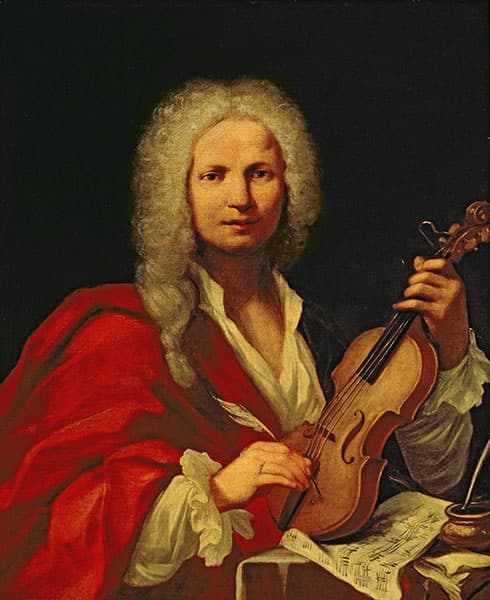
The Four Seasons, the fabulous collection of four violin concerti by Antonio Vivaldi have topped the Classical Music charts for decades on end. It has become part of modern culture, and the music is reshaped and arranged into different musical styles and adapted for solo instruments other than violin.

Portrait of Antonio Vivaldi

Portrait of Antonio Vivaldi

Vivaldi gave each concerto the title of a specific season, and his music imitates the sounds of barking dogs, warbling birds, the icy paths across frozen water, and even the blazing temperatures of summer. It’s a delightful and charming nature painting in music. The music was composed roughly 300 years ago, but times are changing, and so is the climate. 

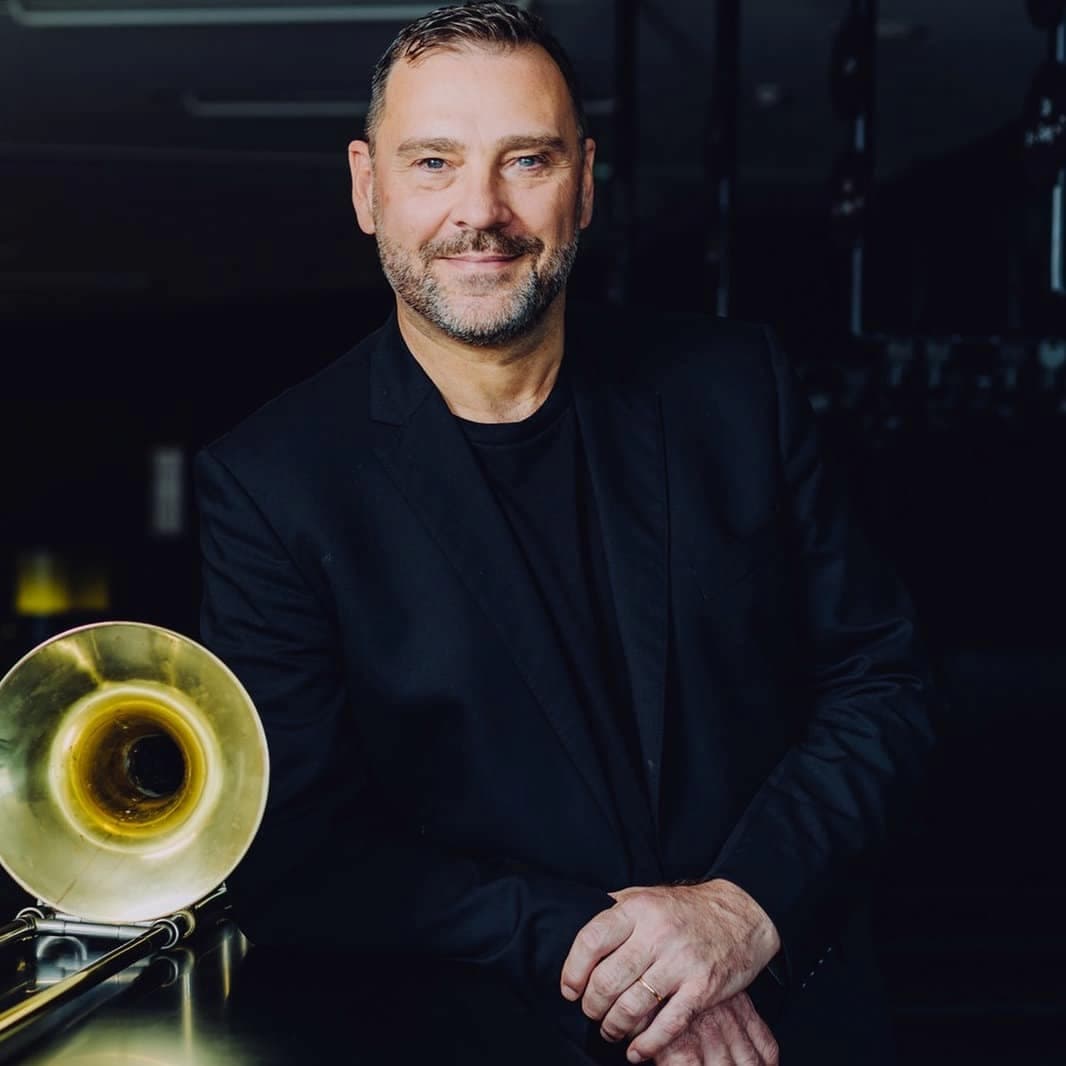
Simone Candotto, the solo trombonist of the Hamburg Elbphilharmonie Orchestra, was born in a town near Venice, Vivaldi’s place of work. And we all know that Venice is gradually sinking into the sea because of the consequences of climate change. As such, Candotto decided to let people hear the consequences of climate change by re-composing The Four Seasons using climate data.

Simone Candotto

Simone Candotto

He engaged a team of software developers and music arrangers, and with the aid of a specific algorithm, he modified the source material to reflect the consequences of climate change. Much of that algorithm is based on 300 years of climate data, incorporating the increase in greenhouse gas carbon dioxide over the past centuries to the present day.

You can hear these changes very clearly in the music, as the summer motif already sneaks into the score in the spring. The seasons are clearly changing, and the rise of the global CO2 curve results in the notes becoming longer. Candotto explains, “It’s a big deal because I think it has an impact. But above all, there are the themes from the other seasons that come in so imperceptibly. That gives the impression that things are no longer the same as they used to be.” 

Since there are 15 percent fewer birds chirping in the trees than in the time of Vivaldi, the algorithm uses 15 percent less of the bird motifs to indicate the extinction of species. Extreme weather is sharply increasing, and Vivaldi arrives in the present.

You can hear the solo violin continuing to play part of the Vivaldi “Winter” concerto while the orchestra sinks into dissonant lethargy. It’s almost like a metaphor, with people continuing to live as before while nature sinks into chaos due to man-made climate change.

The idea of using climate data to recompose Vivaldi’s “The Four Seasons” has also been taken up by composer Hugh Crosthwaite and Monash University’s Climate Change Communication Research Hub. This creation looks to portray a future where the world has failed to act on global warming. 

This reworking also features AI algorithms based on climate predictions for the year 2050. It is a musical design system “that combines music theory with computer modelling to algorithmically generate countless local variations of the Vivaldi composition.” That is, it can model climate predictions for every location on the planet.

Looking at climate data, the algorithm alters the musical score to account for predicted changes in rainfall, biodiversity, sea-level rise, and extreme weather events for the location of performance. In some locations, storms will be more intense, the sea level will be dangerously rising, and wildlife will disappear.

Climate change

There is no doubt that climate change is unravelling our seasons, and Spanish music director Hache Costa has adopted Vivaldi’s most famous work to reflect the grim reality of global warming. “If someone were to compose The Four Seasons from an absolutely realistic perspective,” the composer writes, “the music would be much more aggressive and grittier.” 

Costa projects the effects of global warming by adding prominence and drama to the summer concerto while shortening the other three. This re-composition is accompanied by projected images of wildfires and other effects of climate change, including drought. As Costa explained, “I would love the audience to feel really bothered at some point by becoming truly aware of what is happening.”

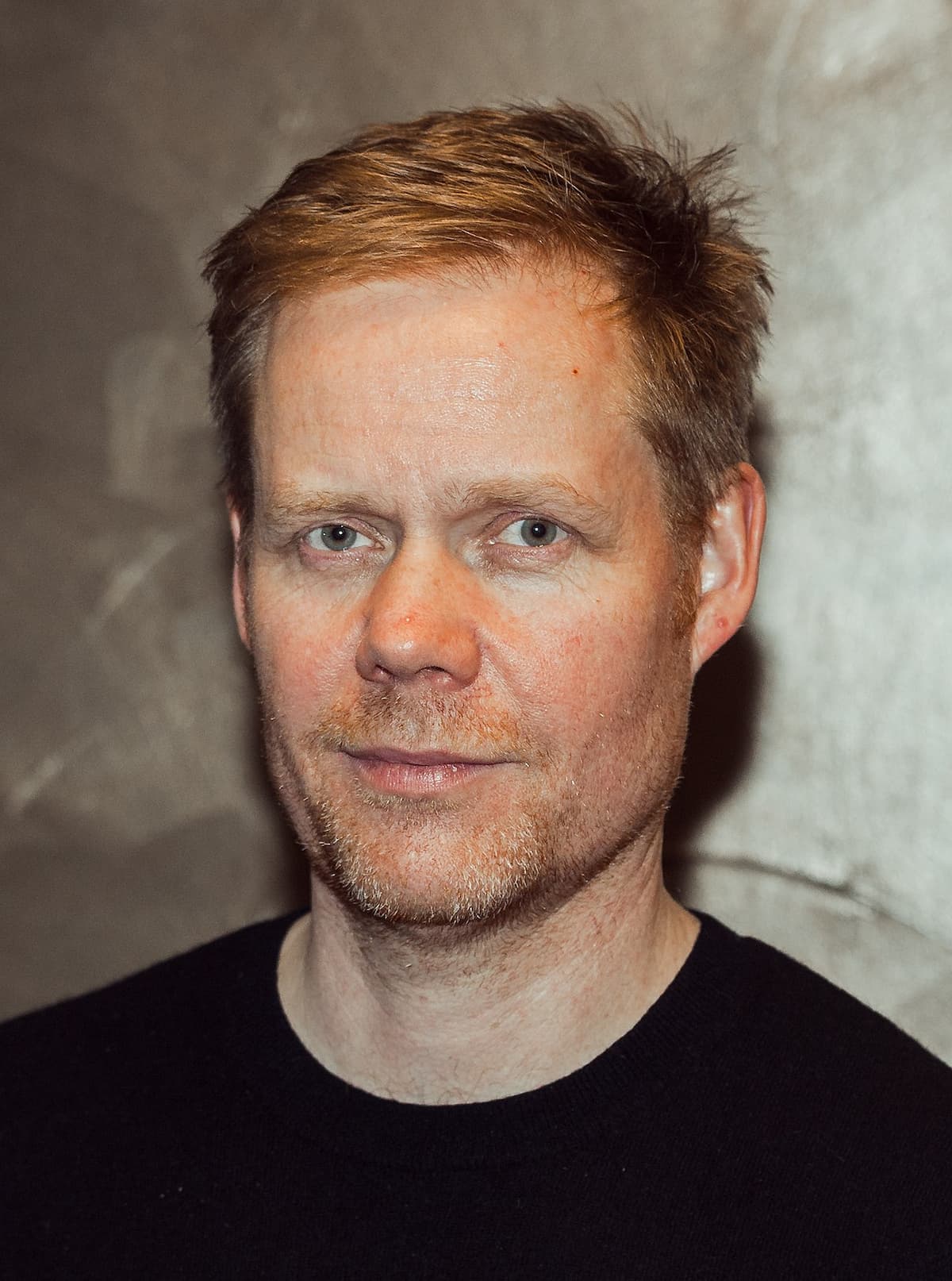
Max Richter

Max Richter

Award-winning composer and pianist Max Richter is not attempting to shock his audience, but he is actually advocating dialogue instead. Classically trained, Richter graduated in composition from the Royal Academy of Music and studied with the legendary Italian composer Luciano Berio. He loved the Vivaldi original as a child, but hearing the music abused for various reasons and causes, “it becomes an irritant.”

So, he decided to recompose the music, and his “New Four Seasons” weaves and loops the music to become a conversation between instruments and also a dialogue between the two composers. “There are sections where I’ve left Vivaldi alone,” he explains, “and other bits where there is basically only a homeopathic dose of Vivaldi in completely new music.” When it comes to climate change, we need a global dialogue with everybody pulling at the same string, and hopefully, Vivaldi can bring us all together.

Thursday, January 11, 2024

Barenboim - "El amor brujo" (Danza ritual del fuego) Falla


Daniel Barenboim conducts Manuel de Falla's "El Amor Brujo" (Danza ritual del fuego) with the Chicago Symphony Orchestra from the Kölner Philharmonie (Germany)

FILIPINO CLASSIC SONGS - Winning Piece By Harvard Westlake Choir


FILIPINO CLASSIC SONGS - Winning Piece By Harvard Westlake Choir.. Ginalingan Eh! Paru-Parong Bukid is a traditional Filipino folk song which originated from "Mariposa Bella", a Filipino song in Spanish originated in the 1890s. The song "Mariposa Bella" was composed during the time of American invasion of the Philippines. During American occupation of the Philippines in 1898, the Spanish speaking Filipinos commenced including the song itself. In 1938, "Mariposa Bella" was totally forgotten when "Paru-Parong Bukid" was released as a soundtrack of a film of the same title. The Tagalog rendition was composed by Felipe De Leon. PARU-PARONG BUKID LYRICS: Paruparong bukid na lilipad-lipad Sa gitna ng daan papaga-pagaspas Isang bara ang tapis Isang dangkal ang manggas Ang sayang de kola Isang piyesa ang sayad May payneta pa siya — uy! May suklay pa man din — uy! Nagwas de-ohetes ang palalabasin Haharap sa altar at mananalamin At saka lalakad nang pakendeng-kendeng. May payneta pa siya — uy! May suklay pa man din — uy! Nagwas de-ohetes ang palalabasin Haharap sa altar at mananalamin At saka lalakad nang pakendeng-kendeng. Paruparong bukid na lilipad-lipad Sa gitna ng daan papaga-pagaspas Isang bara ang tapis Isang dangkal ang manggas Ang sayang de kola Isang piyesa ang sayad May payneta pa siya — uy! May suklay pa man din — uy! Nagwas de-ohetes ang palalabasin Haharap sa altar at mananalamin At saka lalakad nang pakendeng-kendeng. May payneta pa siya — uy! May suklay pa man din — uy! Nagwas de-ohetes ang palalabasin Haharap sa altar at mananalamin At saka lalakad nang pakendeng-kendeng. Source: Musixmatch Songwriters: Traditional

Wednesday, January 10, 2024

Frank Sinatra - The World We Knew (1967)


Lyrics : Over and over I keep going over the world we knew Once when you walked beside me That inconceivable, that unbelievable world we knew When we two were in love And every bright neon sign turned into stars And the sun and the moon seemed to be ours Each road that we took turned into gold But the dream was too much for you to hold Now over and over I keep going over the world we knew Days when you used to love me And every bright neon sign turned into stars And the sun and the moon seemed to be ours Each road that we took, it turned into gold But the dream was too much for you to hold Now over and over I keep going over the world we knew Days when you used to love me Over and over I keep going over the world we knew

Tuesday, January 9, 2024

Aaron Copland - his music and his life


Aaron Copland managed the difficult feat of becoming a popular classical composer while retaining the respect of critics and the ‘serious musical establishment'.

Born in a humble street in Brooklyn, the son of Lithuanian immigrants, Copland is generally regarded as the first indisputably great American composer. The piano came easily to him and, after he’d graduated from the local high school, he had lessons in harmony and counterpoint from the eminent (though conservative) teacher and composer Rubin Goldmark. His first published piece, The Cat and the Mouse, appeared in 1920.

He was able to scrape together enough to go to Paris to study with the doyenne of European teachers, Nadia Boulanger. Here, during his four years at the New School for Americans at Fontainebleau (1921-25), Copland was introduced to an enormous range of musical influences, all of which he was encouraged to absorb: jazz, the neo-classicism of Stravinsky and the whimsicality of Les Six made a particularly strong impression on him and colour the first period of his mature compositions. With a thorough grounding in composition and orchestration under his belt, he returned to America where he became involved in a wide range of musical activities, working as a pianist in a hotel, as a lecturer and as an organiser of various musical societies, as well as composing.

Conductor, publisher and patron of music Serge Koussevitzky became an influential champion of his music throughout his tenure as conductor of the Boston Symphony Orchestra, an incalculable boost to Copland’s growing reputation. Between 1930 and 1936 he entered a phase of experimental and dissonant writing (Variations and the Piano Sonata, for instance, are difficult works) before discovering the power of American folk idioms. Here his music is as essentially American as Mussorgky’s or Stravinsky’s is Russian – El Salón México, the ballets Billy the Kid, Rodeo and Appalachian Spring are as American as apple pie. His Lincoln Portrait, using texts from Lincoln’s speeches and letters, has been performed (for better or worse, but generally worse) by world leaders. His patriotic Fanfare for the Common Man (1942) has been used for the opening of every type of formal ceremony. Some of Copland’s film music (The Red Pony, for example, Our Town and Of Mice and Men) is among the most distinguished ever written (he won an Oscar in 1950 for the score of The Heiress). In a nutshell, Copland managed the difficult feat of becoming a popular classical composer while retaining the respect of critics and the ‘serious musical establishment’. In his later works, Copland reverted to serial techniques, writing in a far less approachable, more austere manner.

Whatever one thinks of his virtually unknown middle- and late-period music, Copland has to be admired for his steadfast independence and unwillingness to court popularity for its own sake.

YESTERDAY WHEN I WAS YOUNG - Shirley Bassey (Lyrics)


Aging is not lost youth but a new stage of opportunity and strength. There is a fountain of youth: it is in your mind, your talents, the creativity you bring to your life and the lives of the people you love. When you learn to tap this source, you will truly have defeated age. For those who struggled through, never be a prisoner of your past. The past is where you learned the lesson and the future is where you apply that lesson. Leave your past behind and give your life to Jesus who makes all things new. _ _ _ _ _ _ _ _ _ _

Franz Lehar- "Gold und Silber",Walzer (Springtime In Vienna 98)


Vladimir Fedosejev conducting the Wiener Symphoniker Re-processed for better audio performance,personnel preference for best audio quality listening is by setting the video setting option to 480p.

Iosif Ivanovici - Waves of the Danube


"Waves of the Danube" (Romanian: Valurile Dunării) is a waltz composed by Iosif Ivanovici in 1880, and is one of the most famous Romanian tunes in the world. The song has many variations throughout the piece, reminiscent of the music of Johann Strauss. Through the Viennese style variations, there is still a distinct Slavic style. In the United States, it is frequently referred to as "The Anniversary Song", a title given by Al Jolson when he and Saul Chaplin released an adaptation of the song in 1946.

Sinead O'Connor died of 'natural causes', UK coroner rules


AT A GLANCE

  • The Grammy award-winning singer, best known for her 1990 cover of "Nothing Compares 2 U", was found unresponsive at her south London home last July. She was 56.


Sinead O' Connor (AFP) .png
Sinead O' Connor (AFP) 

LONDON (AFP) - Irish musician Sinead O'Connor died last year of "natural causes", a London coroner announced Tuesday.

The Grammy award-winning singer, best known for her 1990 cover of "Nothing Compares 2 U", was found unresponsive at her south London home last July. She was 56.

London police said at the time that officers were not treating it as suspicious as an autopsy was carried out to determine the cause of her death. 

A short statement by Southwark Coroner's Court in south London said: "This is to confirm that Ms O'Connor died of natural causes. The coroner has therefore ceased their involvement in her death."

O'Connor's death prompted an outpouring of sympathy from her legions of fans including other musicians and celebrities around the world, particularly in her homeland of Ireland.

Hundreds lined the route of her cortege in Bray, the Irish town 20 kilometres (13 miles) south of Dublin that she called home for 15 years, on the day of her funeral last August.

The willingness of the musician, who rose to international fame in the 1990s, to criticise the Catholic Church in particular saw her vilified by some and praised as a trailblazer by others. 

O'Connor's agents revealed she had been completing a new album and planning a tour as well as a movie based on her autobiography "Rememberings" before she died.

The musician had also spoken publicly about her mental health, telling the US television host Oprah Winfrey in 2007 that she struggled with thoughts of suicide and had been diagnosed with bipolar disorder.

More recently she had shunned the limelight, in particular following the death of her son Shane from suicide in 2022 aged 17.

Sunday, January 7, 2024

Yusuf / Cat Stevens – Morning Has Broken (Official Lyric Video)


Featured on the classic 'Teaser and the Firecat' album, Morning Has Broken was adapted from a traditional hymn with words by Eleanor Farjeon. The song's message beautifully reflected Cat's growing spiritual awareness in the early 1970s; a sense of wonderment, awe and gratitude for the miracle of creation is expressed through praise for the coming of the new day. Cat arranged the song, giving it his own inimical sense of style and passion and invited Rick Wakeman of YES to record the now legendary piano part.

Lea Salonga and Simon Bowman: The Last Night of the World (1990)


Lea Salonga and Simon Bowman perform 'The Last Night of the World' from the London Palladium in 1990, in the 'Gala Night of 100 Stars,' broadcast in December 1990.

Berube & LaDeur: Romanze in C major (Joseph Joachim)

REGINE VELASQUEZ - WRITTEN IN THE SAND - Millennium Y2K


Inspired by the thought that my song would be heard in more than 70 countries around the world to welcome the new millennium on BBC's 2000 TODAY, I took composing the melody for Agnes Caballa's WRITTEN IN THE SAND to heart. With REGINE VELASQUEZ tapped to perform the song, I couldn't even conceive how monumental that was. BBC's 2000 TODAY was viewed by 800 million people. Billy Crawford, fresh from his success in Europe, sang the Reprise with Regine Velasquez. WRITTEN IN THE SAND Music: Danny Tan Lyrics: Agnes Caballa Musical Arranger: Marvin Querido Vocal Arranger: Annie Nepomuceno Producer: Danny Tan Performer: Regine Velasquez Back Up Vocals: Annie Nepomuceno, Edward Granadosin, Gelo Francisco Mixing Engineer: Angelo M. Rozul Executive in Charge of Production: Wilma V. Galvante Production Unit Manager: Darling de Jesus Bodegon Stage & TV Director: Al Quinn Thank you Ms. Agnes S. Caballa for this video.

Friday, January 5, 2024

Brahms Piano Concerto No. 1

 Brahms Piano Concerto No. 1

In my previous article I wrote about the Ogdon-Stokowski recording of Brahms’ first piano concerto. Here, I would like to write about the performance of the concerto with consideration to the original score.

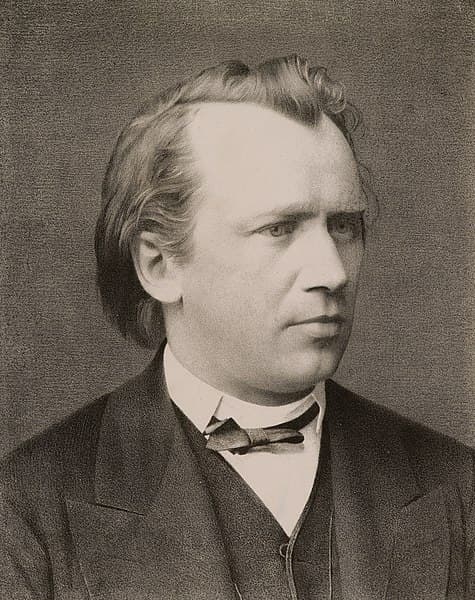
Johannes Brahms in 1865

Johannes Brahms in 1865

The concerto, Op. 15, was finished in 1857; but it began rather earlier and had taken forms such as a symphony and a double piano sonata before finally becoming a piano concerto. Unfortunately, there were no known surviving copies of the earlier forms as Brahms was very obsessed with destroying draft copies of his own work as well as his compositions that he deemed unworthy.

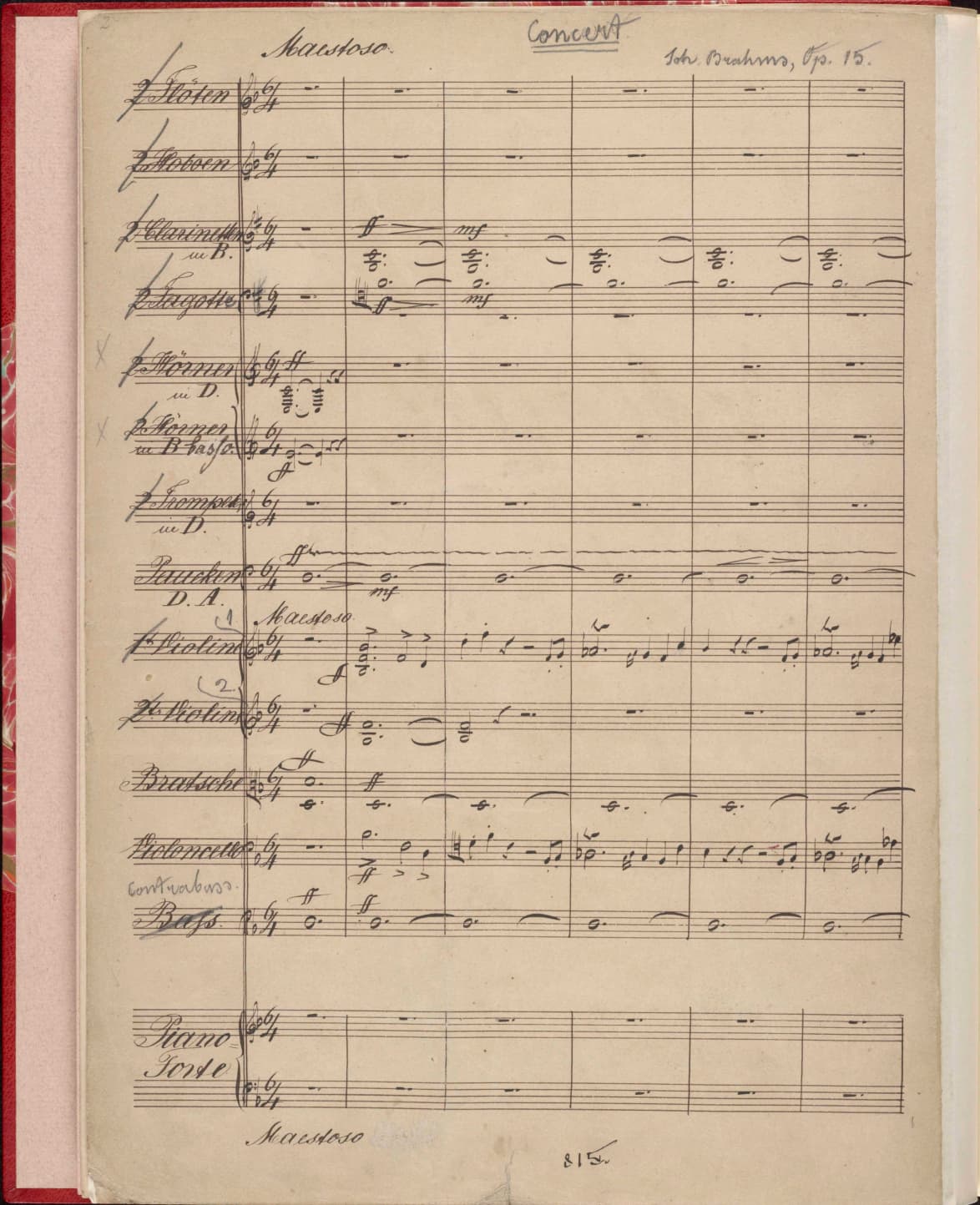
Driven by curiosity, I decided to look for the manuscript of the concerto. With the direction from the Johannes-Brahms-Gesellschaft (Brahms Society), I located Margrit McCorkle’s book ‘Johannes Brahms: Thematic Bibliographical List of Works’, in the Cambridge University Library, one of the six legal deposit libraries in the U.K. and Ireland. (A legal deposit library houses at least a copy of virtually every book published.) There I found that the Staatsbibliothek zu Berlin (German State Library in Berlin) keeps the autograph version given by the Joseph-Joachim family in 1917. In fact, it is the only orchestral full score manuscript of the piece (there are two-piano transcriptions). I made an appointment with their Musikabteilung (Music Department) and went to Germany to see the microfiche.

Brahms's Piano Concerto No. 1, Op. 15 copyist's manuscript

Brahms’s Piano Concerto No. 1, Op. 15 copyist’s manuscript © The Morgan Library Museum

There are many very interesting features that can only be revealed by the manuscript. For instance, the way the piano part was written suggested that the staves did not reflect whether the notes should be played by the left hand or the right. There are also places that are different from popular printed version of the piece. One most intriguing observation is the beginning of the second movement, where between the two full-rested piano staves lies a line of writing taken from the Eucharistic Sanctus, Benedictus qui venit in nomine Domini, with hyphens between some of the syllables such that the words and the phrasing of the strings agree. At the recapitulation, however, the words do not reappear, nor is the instrumental phrasing the same. It has been suggested that the movement may have been intended for a requiem, or related to Schumann’s death, but there is insufficient evidence linking them together.

In terms of performance practicality, arguably the most significant marking is the metronome marking for the first movement, of 58 to the dotted minim (MM=58), which is not seen in popular editions. Brahms performed the piece himself on multiple occasions, including the rather disastrous premier. As a touring concert pianist, he would likely have sent the orchestral parts ahead of time for the orchestra to rehearse. Therefore, the metronome marking most probably reflects at least the approximate speed that he preferred. Of course, one could always argue that the same Brahms might have preferred a dramatically different tempo on a different day or later in his long career, just as many have observed that Rachmaninoff, who lived well into the recording era, did not follow many of his own markings. Nevertheless, there are other evidences that show, in my opinion, that Brahms’ played his own music considerably faster than recent generations of musicians have been playing.

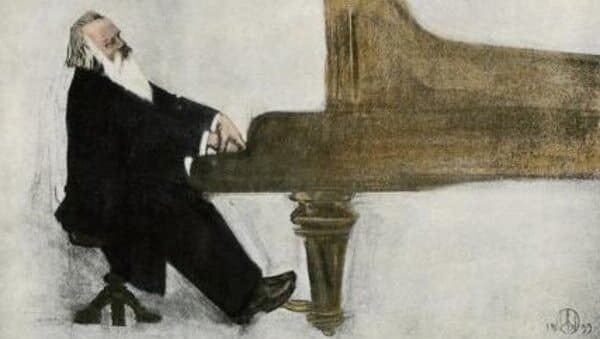
Painting of Johannes Brahms at the piano

Brahms at the piano

In Brahms’ days, tempi chosen must have been, ironically, rather faster than they are in the fast-paced modern days. If we consider the tempo MM=58, it would theoretically give the 485 bars (there are only 484 bars in the piece, but two have a time signature of 9/4 instead of 6/4) of the first movement a duration of well under 17 minutes. This is remarkable in that even if we add 30% to this timing to account for agogics, rubato, etc., it will still be considerably faster than many recordings one can find today. In fact, the ducal orchestra of Meiningen, with which Brahms had worked closely, was known to have given concerts with programmes such as Beethoven’s Leonore Overture no. 3 and the seventh symphony, together with Brahms’ first piano concerto and second symphony – all in a single evening. This would have been a pretty long evening if they were played at the tempi common nowadays!

Brahms the conductor also performed the piece. C V Stanford, a pianist who had performed under Brahms’ baton, observed that Brahms conducted the 6/4 as an uneven four-beat. In this way, the beating would agree with a slow-feeling compound duple and give a good deal of lilt. Indeed, in a letter to Clara Schumann, Brahms described the first movement’s 6/4 as ‘slow’. It is not hard to imagine that, for the same tempo to be beaten in six, it would feel uncomfortably fast. I also suspect, given the fact that Brahms was a keen walker, his andante must be fairly brisk too. But did Brahms slow down when he aged?

As his age comes into question and as we are reconstructing the performance practice of Brahms through hints from his manuscript, it is perhaps important to recall that the piece was composed in his early twenties. There is an often overlooked connection between the year of composition and the image of Brahms. It is common to hear people emphasise a rich, substantial bass backed by the argument that Brahms is a big beard, well-sized German, as though he was always so. Although the emphasis itself is most probably correct, as we do know that Brahms favoured orchestras with a large cello and double bass section, the young Brahms in his twenties was thin, kept no beard, and looked almost androgynous. There must be a certain element of youthful energy, enthusiasm, and daringness in Brahms and his music at that age, such that he knocked on Schumann’s door in 1853 unannounced.

Although there may never be answers to how Brahms’ music should be performed definitively (even if Brahms were still alive, there remains the question of which Brahms: Brahms the composer, Brahms the conductor, Brahms the performer, the young Brahms, the aged Brahms…), research into the performance practice of his era and the background of the composition is nonetheless relevant.

Rising Hope: Ralph Vaughan Williams’ The Lark Ascending

by Maureen Buja, Interlude

For the listener on the ground, the song seems to come from nowhere – we’re not in a forest but in open ground. At 100 meters, the little bird is only a dot in the sky.

Skylark (Alauda arvensisO (Photo by Margaret Holland)

Skylark (Alauda arvensisO (Photo by Margaret Holland)

This being the bird kingdom, the remarkable ability to hover and sing seems to be one of those sexual tests that nature provides: can hover and sing, therefore in good fitness and good parent material. In real life, a lark’s song can last as long as 20 minutes before it returns to earth to rise again. We don’t hear the melody that Vaughan Williams used – the lark’s song is sweet and piercing but very repetitive.

On the other hand, we’re not the recipients of the lark’s song – that’s for the female lark to interpret.

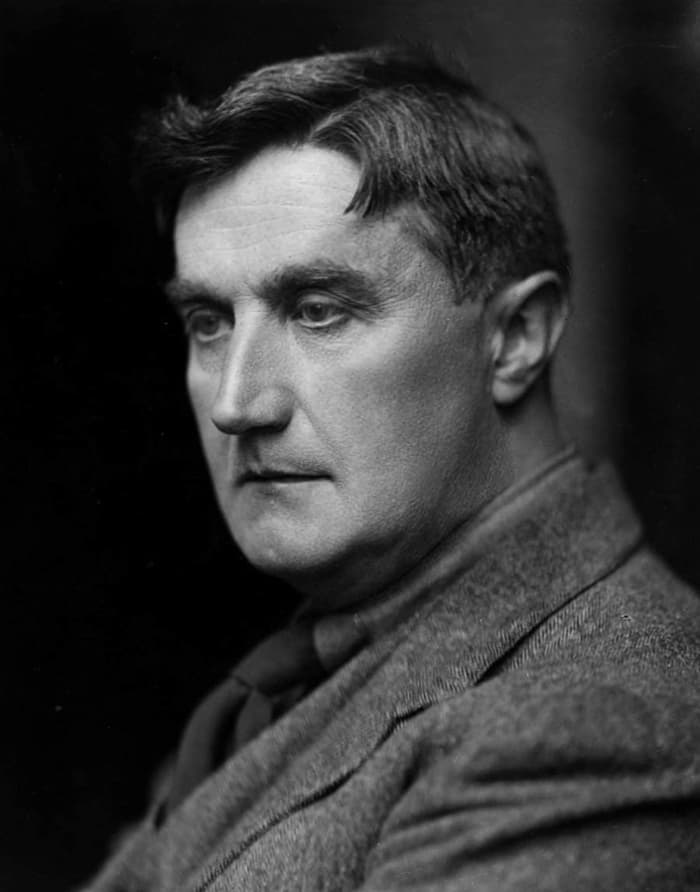
E.O. Hoppé: Vaughan Williams, 1920

E.O. Hoppé: Vaughan Williams, 1920

Ralph Vaughan Williams (1872–1958) wrote the first version of his remarkable pastoral romance, The Lark Ascending in the dark days of 1914, first as a version for violin and piano before setting it aside for war service. Returning to composition in 1919, it was the first work he took up, creating the orchestral version. The violin and piano version received its premiere on 15 December 1920, with Marie Hall, the dedicatee, as soloist. She reprised her solo part in the orchestral premiere in London on 14 June 1921. As an occasional piece, it has remained one of the most enjoyable pieces for violin soloists and orchestras of the 20th century.

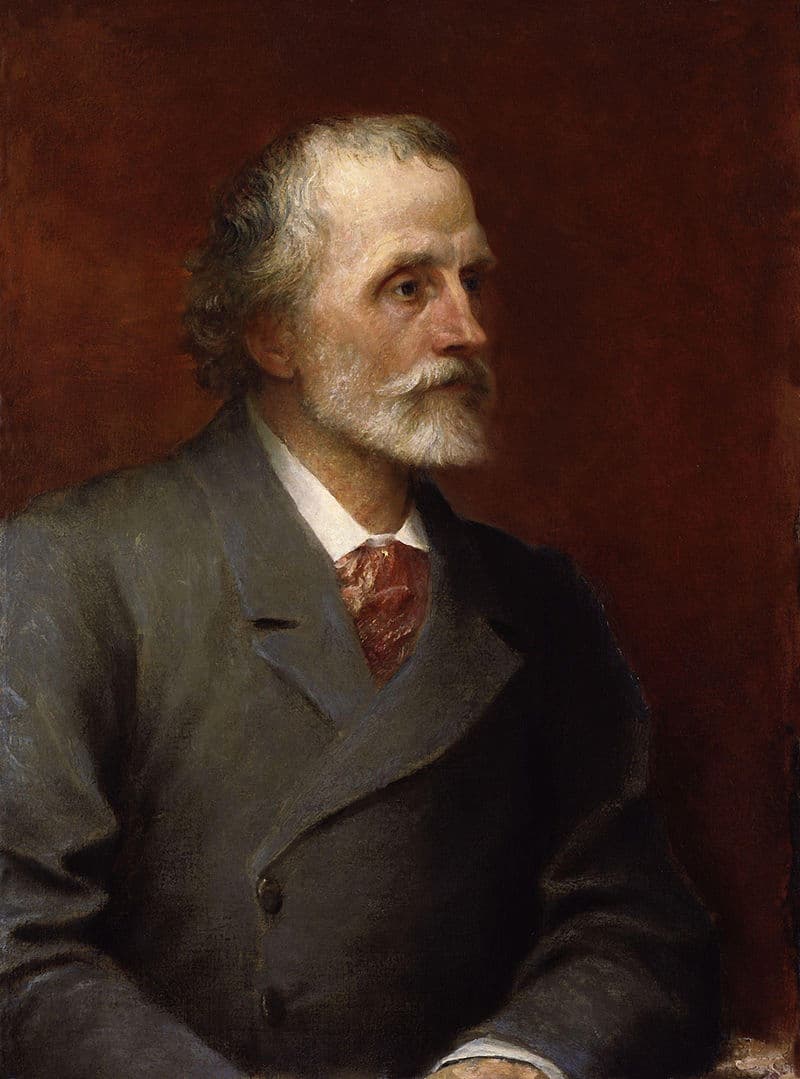
In his manuscript, Vaughan Williams quotes lines from the eponymous poem by George Meredith (1828–1909), taking lines from different sections of the 122-line poem: lines 1–4, 65–70, 77–79, and then the closing couplet.

G.F. Watts: George Meredith, 1893 (London: National Portrait Gallery)

G.F. Watts: George Meredith, 1893 (London: National Portrait Gallery)

He rises and begins to round,
He drops the silver chain of sound
Of many links without a break,
In chirrup, whistle, slur and shake,

For singing till his heaven fills,
’T is love of earth that he instils,
And ever winging up and up,
Our valley is his golden cup,
And he the wine which overflows
To lift us with him as he goes:

He is, the dance of children, thanks
Of sowers, shout of primrose-banks,
And eye of violets while they breathe;

Till lost on his aërial rings
In light, and then the fancy sings.

In those 15 lines, Vaughan Williams gives us his image of the lark, rising into the air and dropping his melody to the earth below. It’s the song of heaven, the love of the earth, and all the hope for tomorrow and tomorrow’s children that are encapsulated in the little bird’s sound.

The work unfolds in one continuous movement, with each new theme introduced and linked by the violinist’s ‘eloquent soliloquies’. In the end, the violin returns to its opening phrases, and the sound drops away, ‘lost on his aerial rings’ as he flies higher and higher.

Meredith describes the song as linking ‘chirrup, whistle, slur and shake’ in an unbroken line. Yet it’s all the other elements that contribute to the effectiveness of Vaughan Williams’ setting: the calmness of the scene, the contented happiness of the lark, and the prospect of only good.

Why do we hear this as not only a song of nature but also as one of hope? The bird must sing his song and never knows on whose ears it will fall. When it falls on ours, we can only look up in awe at this sound descending from the sky above. It draws us up into the lark’s world, and in Vaughan Williams’ setting, which creates melody from just suggestions from the bird, we are carried on wings of song to a better tomorrow.

The Hymn of Hope

Emily Dickinson’s “Hope” is the thing with feathers

by 


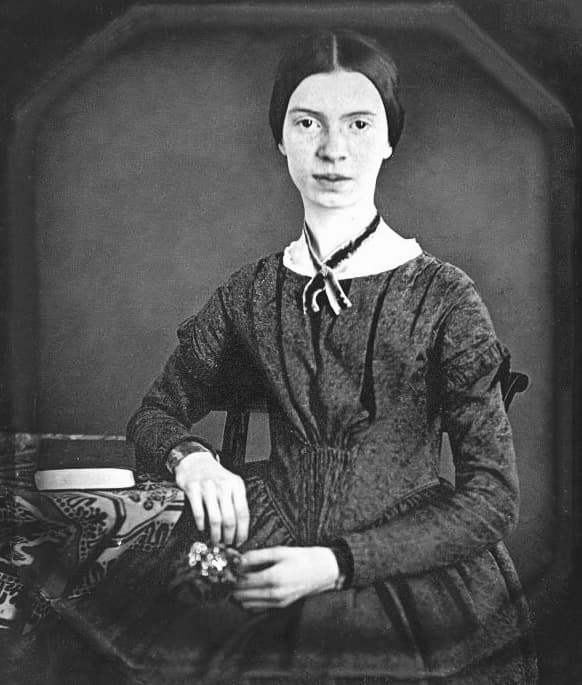
American poet Emily Dickinson’s three-stanza lyrical poem ‘”Hope” is the thing with feathers” gives us the idea of a mysterious singing being. Invisible to the eye, singing songs without words, the being can be heard through the most difficult times and its song keeps the listener warm. It gives hope to the poet and yet asks nothing in return, not even to be fed. It can be imagined as a bird (it perches, it sings) yet there’s an extraordinary quality about it that removes it from regular bird-dom.

HOPE

“Hope” is the thing with feathers
That perches in the soul,
And sings the tune without the words,
And never stops at all,

And sweetest in the Gale is heard;
And sore must be the storm
That could abash the little bird
That kept so many warm.

I ‘ve heard it in the chillest land,
And on the strangest sea;
Yet, never, in extremity,
It asked a crumb of me.
Emily Dickinson

Emily Dickinson, daguerrotype, 1848

Emily Dickinson, daguerrotype, 1848

As with many of her early poems, the style is influenced by hymnody: the 12-line poem is in three 4-line quatrains and alternates three beats and four beats in each stanza. In the poem, originally just entitled “Hope”, and now known by its entire first line, each line in a stanza changes between iambic tetrameter (4 beats) and iambic trimeter (3 beats). Composers have taken up this most popular of Dickinson’s poems and made works of true beauty.

We will look at the setting by 4 modern composers, each of whom approaches the poem in a different fashion.

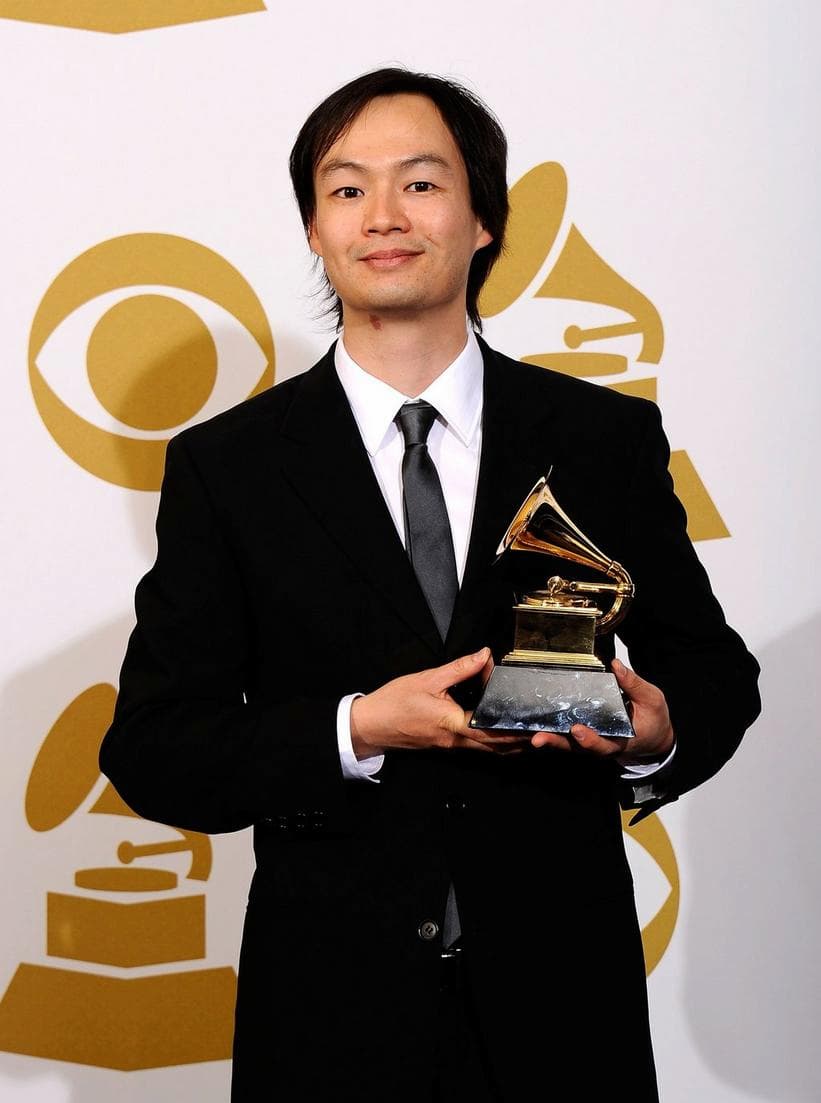
In his tribute to the lost birds of the world, both physical and metaphorical, composer Christopher Tin brings Dickinson’s poem to life, sending it out over the sea to return to comfort the listener.

Christopher Tin winning a Grammy for Best Instrumental Arrangement Accompanying Vocalist(s), 2014)

Christopher Tin winning a Grammy for Best Instrumental Arrangement Accompanying Vocalist(s), 2014)


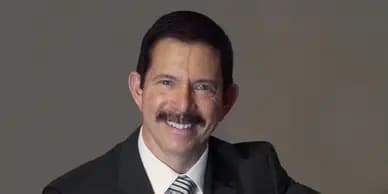
American pianist and composer James Adler, setting the song for solo voice, uses the cello and piano to provide a solid background that both supports the voice and makes their own comments on the text in music.

James Adler

James Adler


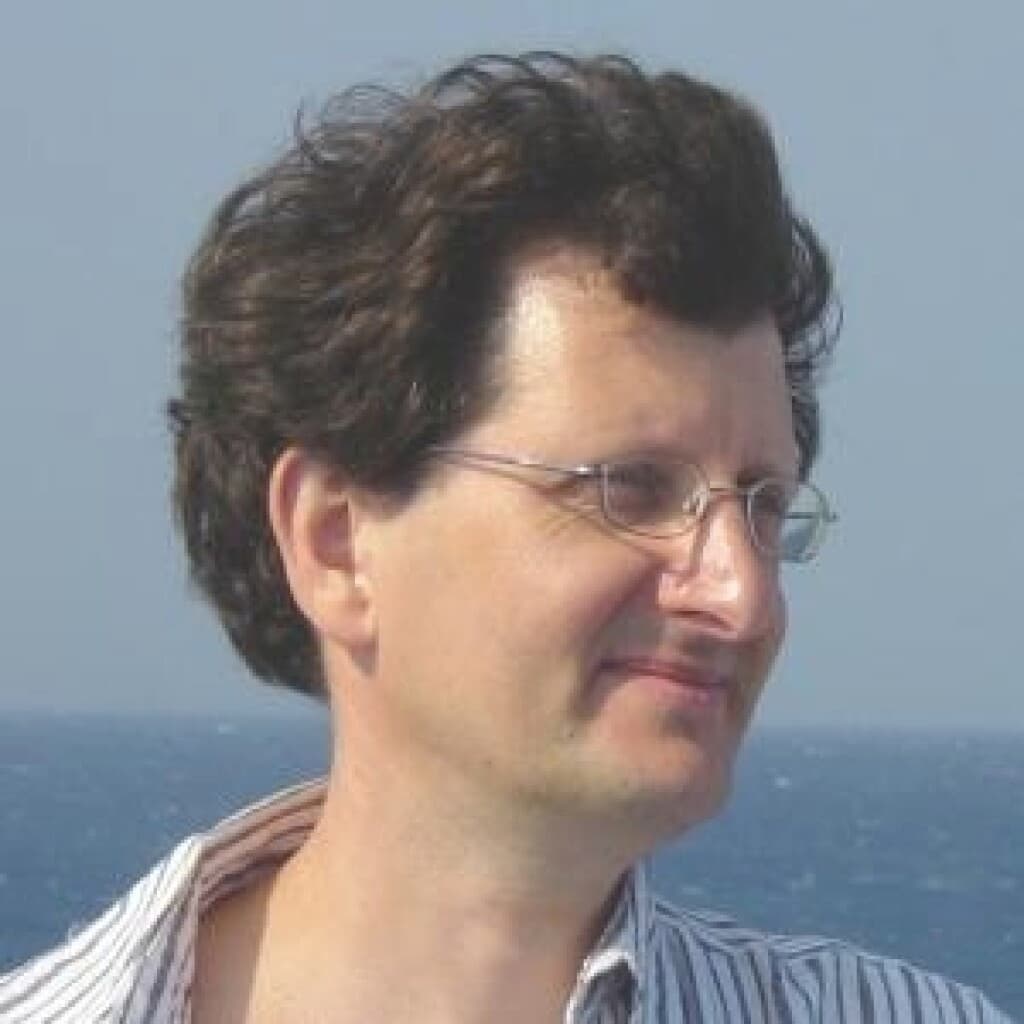
The text has been used for songs about surviving AIDS and about surviving our latest epidemic, COVID. Here, Italian composer Ivo Antognini (b. 1963) dedicates his choral setting to the choral director Dario Piumatti, who came down with COVID during those early fatal days, but survived, perhaps because of ‘thing with feathers.’

Ivo Antognini

Ivo Antognini


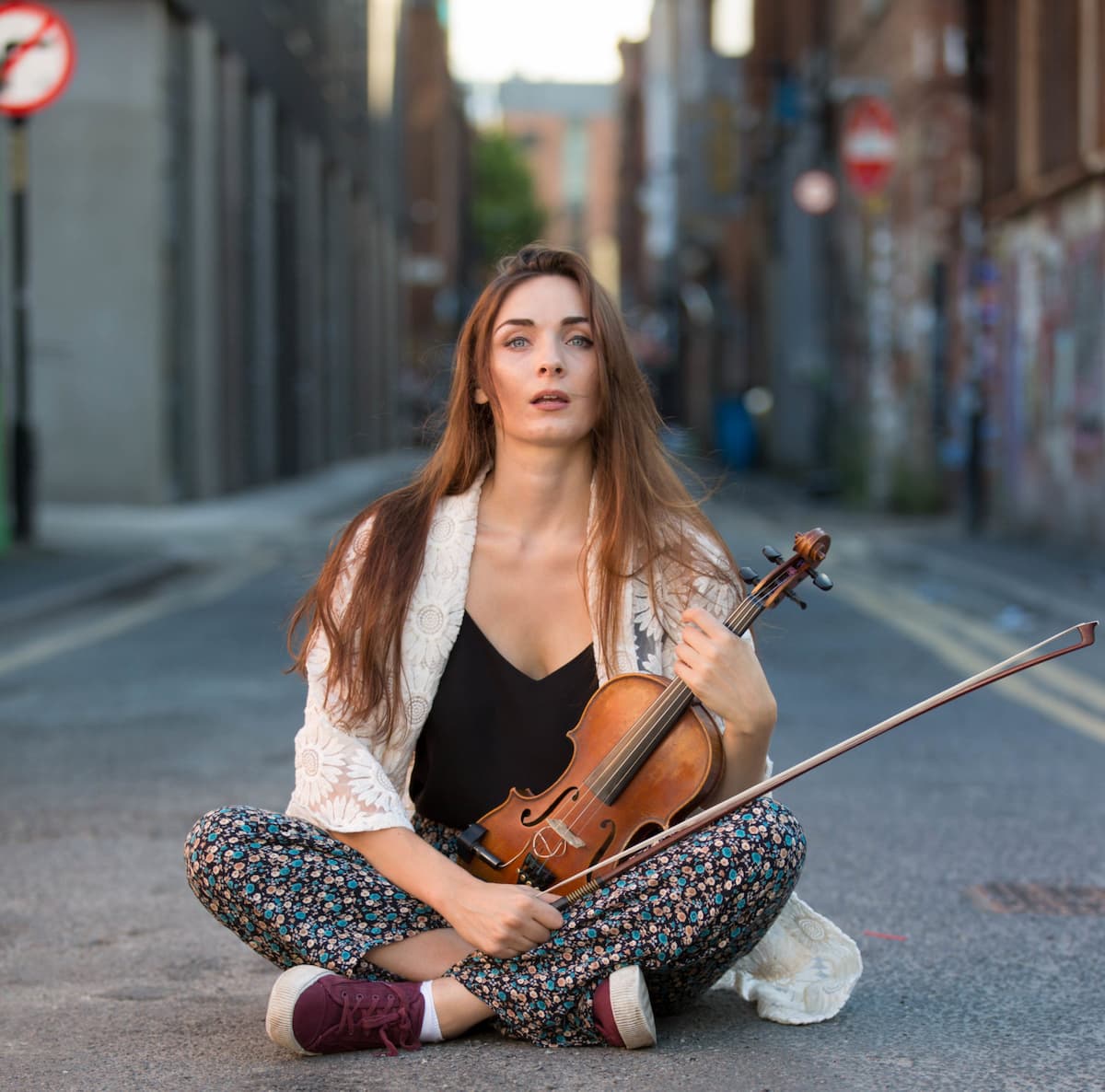
Claire Victoria Roberts’ 2002 setting of the poem gives us a bird in motion, restless and jagged. The performance involves handclapping and whispers, and through all of it, hope sings through.

Claire Victoria Roberts

Claire Victoria Roberts


In these four very different vocal settings of Dickinson’s little poem, we hear how music can augment her thoughts: the mood can be restless, but Hope still comes through. The times can be difficult, but Hope still comes through. Even when things are all chorally smooth, Hope still comes through.

This is our wish for the New Year: Hope still comes through. When the nations of the world forget that tomorrow is the goal and try to make today the end of everything, Hope still must come through.

Here’s to your own New Year, full of Hope.