Total Pageviews

Showing posts with label Georg Predota. Show all posts

Friday, May 3, 2024

200th Anniversary of Beethoven’s Ninth Symphony

by 

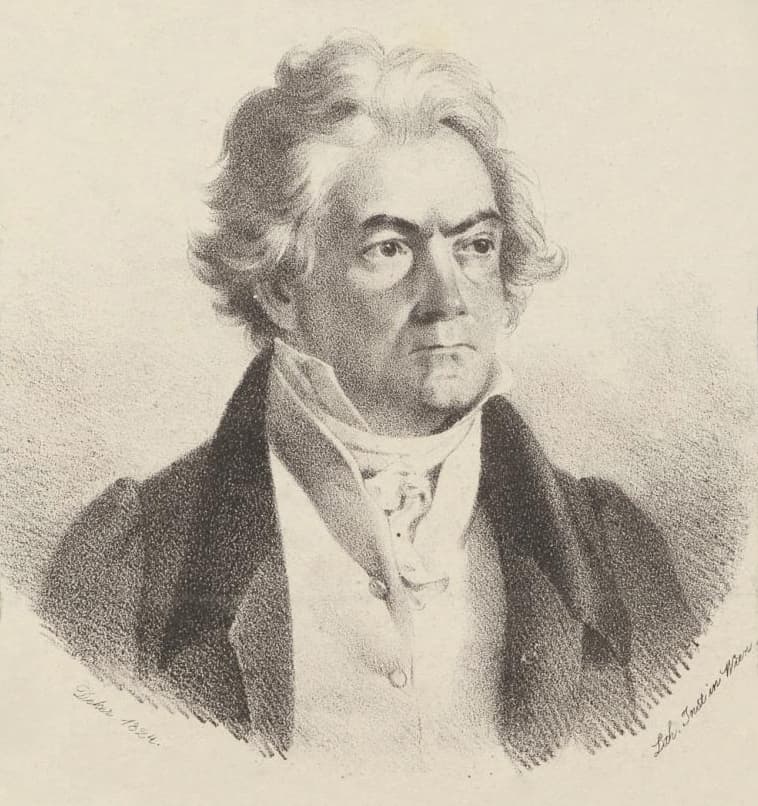
Ludwig van Beethoven in 1824

Ludwig van Beethoven in 1824

To commemorate the 200th anniversary of this memorable event, the Beethoven-Haus Bonn has organised an extensive and multi-faceted 10-day anniversary programme. Visitors and enthusiasts, onsite and online, are treated to exhibitions, a book presentation and signing, a conference, various exhibitions, concerts, and livestreams. At the heart of the celebration is the re-creation of the 7 May 1824 concert at the Stadthalle Wuppertal. 

7 May 1824
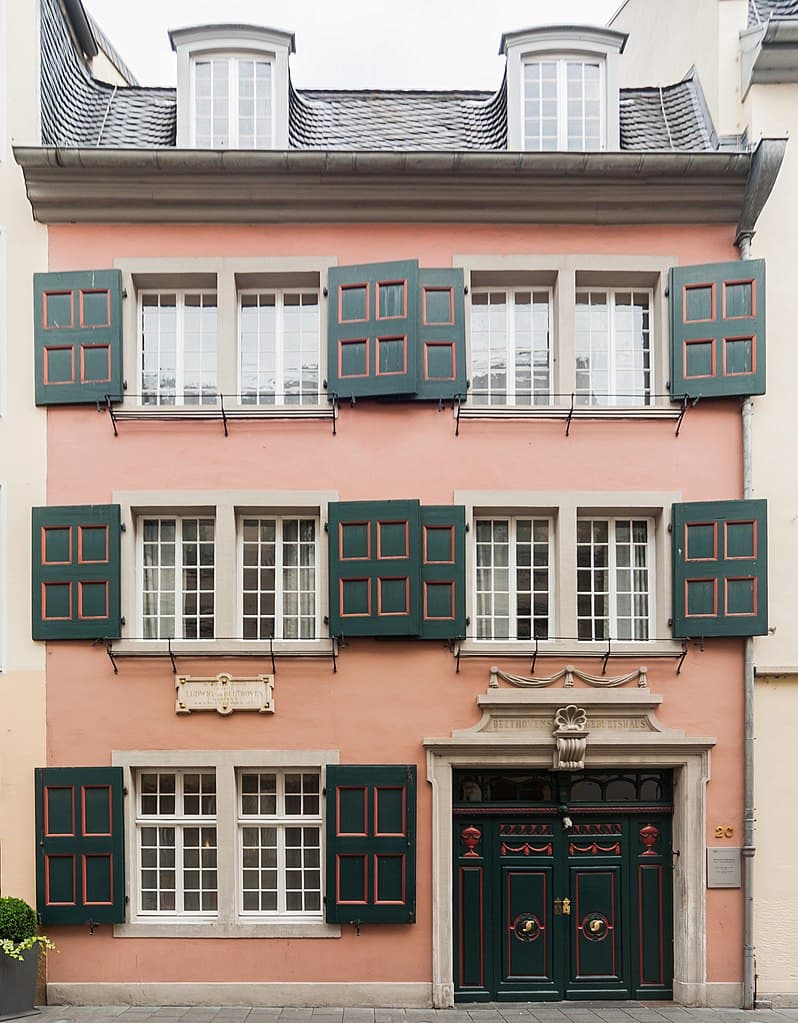
Beethoven-Haus Bonn

Beethoven-Haus Bonn

In 1824, Beethoven assembled a large orchestra and recruited Henriette Sontag and Caroline Unger to sing the soprano and the contralto parts, respectively. According to participating musicians, the 9th Symphony had only two full rehearsals, and was prefaced by the Overture Op. 124 and the Kyrie, Credo and Agnus Dei from the Missa Solemnis. Unsurprisingly, various stories and anecdotes surrounded this momentous occasion. Beethoven, stone deaf at this time, actually took part in the performance by giving the tempos for each part and turning the pages of his score “as though he wanted to play all the instruments and sing all the chorus parts.”

However, the official conductor Michael Umlauf, had instructed the singers and musicians to ignore all of Beethoven’s instructions. When the concert had ended, Beethoven was still conducting and Caroline Unger is credited with turning Beethoven to face the applauding audience. Beethoven’s underlying conception of music as a mode of self-expression still resonates strongly today, and whether one agrees with, or rejects his compositional approach, after him, nothing in music could ever be the same. 

7 May 2024
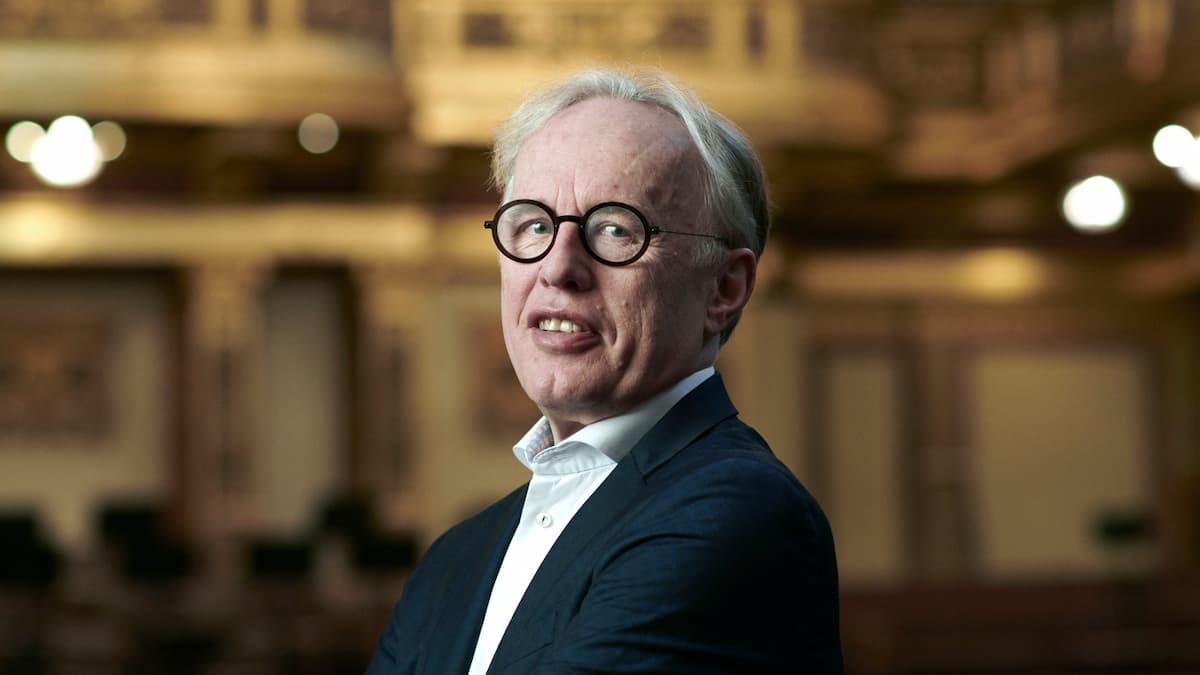
Martin Haselböck

Martin Haselböck

200 years later, the complete premiere performance will be reconstructed by the Orchester Wiener Adademie, considered one of the leading period-instrument orchestras. Soloist and the WDR Rundfunkchor under the musical direction of Martin Haselböck invite audiences to the 19th-century historical City Hall in Wuppertal to experience the original programme in its original order and its entirety. This promises a unique and rather lengthy listening experience, and one that will undoubtedly provide a new and unique perspective.

As the Director of the Beethoven-Haus Bonn, Malte Boecker explains, “to mark its 200th anniversary, we are presenting the Ninth for the first time in the sound of 1824 again as well as in the probable instrumentation, the line-up and the programmatic arrangement that Beethoven himself had planned.” Researchers and scholars have been able to reconstruct a number of facts regarding the original performance. Apparently, the choir had been positioned in front of the orchestra and not as we have come to expect, behind the instrumental forces. Additional research has suggested a possible instrumentation described by Beethoven, and important new details regarding the musical text. 

Romantic Historiography and Meaning
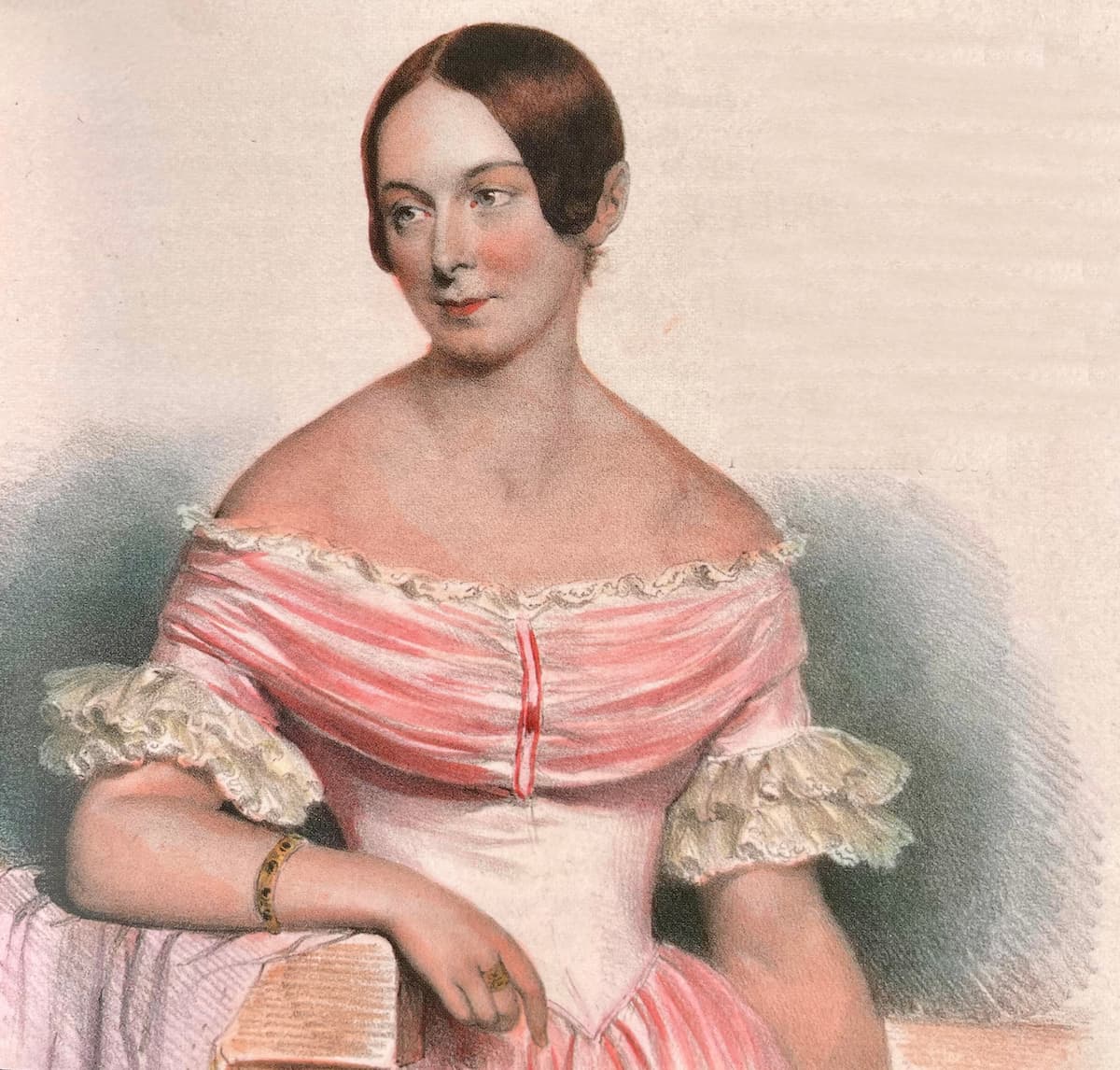
Caroline Unger

Caroline Unger

According to the organisers of the anniversary concert, “in terms of content and aesthetics, the reconstructed programme shows a variety of relationships and suggests that Beethoven wanted to appeal to the idea of Eternal Peace with the Academies.” By definition, ascribing meaning to a programme and/or a particular work is a slippery subject, as we can interpret Beethoven’s meaning in endless ways. It all depends on our interests as modern reconstructions, while historically informed, are essentially restorations according to contemporary attitudes and tastes.

The recasting of this event in the tradition of terms and meanings is not really a historical project, since the concept of historiography was invented long after Beethoven’s death. It is simply impossible to ascribe a definite meaning to Beethoven’s programme or symphony, nor is it possible to deny the symbolic dimensions of the evening and the work. That is probably why a critic once wrote, “Beethoven’s 9th Symphony is a piece one loves to hate: It’s incomprehensible and irresistible, it’s awesome and naïve.”  

Berlin Premiere
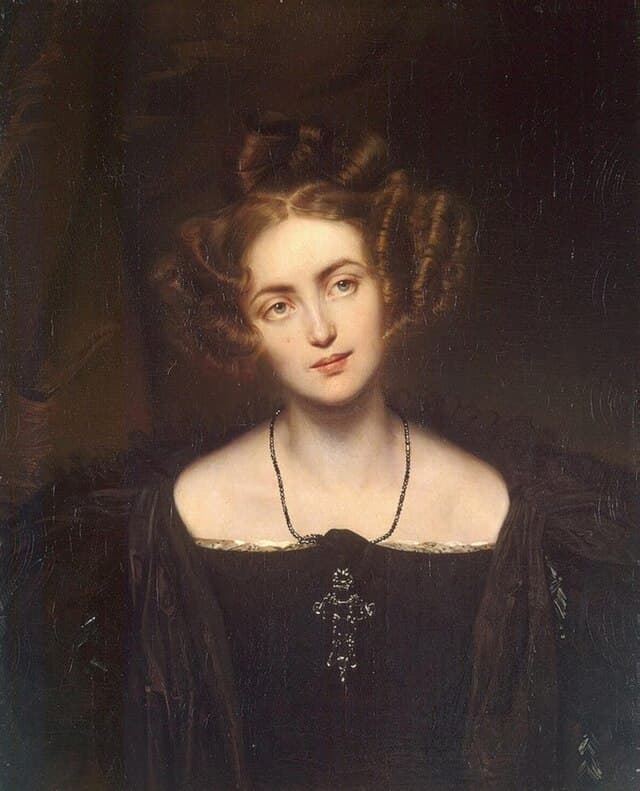
Henriette Sontag

Henriette Sontag

It might be worth remembering that Beethoven was adamant that his 9th Symphony should be premiered in Berlin and not in Vienna. His threat to take his symphony to Berlin was real enough as it took a petition signed by many prominent Viennese patrons, friends, financiers and performers for the composer to change his mind.

Why then was Beethoven so unhappy with Vienna? For some years the composer had lamented the changing musical taste of Viennese audiences, who numerously flocked to see the operatic entertainments offered by Rossini and other Italian composers. Beethoven and Rossini probably met once in Vienna in 1822, and supposedly Beethoven counselled his young colleague with the words, “Above all, make a lot of Barbers!” 

Ode to Joy

For Beethoven, Rossini was a composer of light comedies, who embraced the “rankest lap of luxury” by pandering to populist demands. Supposedly, Beethoven quipped “Rossini would have been a great composer if his teacher had spanked him enough on the backside.” Whether this meeting and conversation actually took place or not is clearly beside the point, as it quickly became, and still is, part of a much larger narrative.
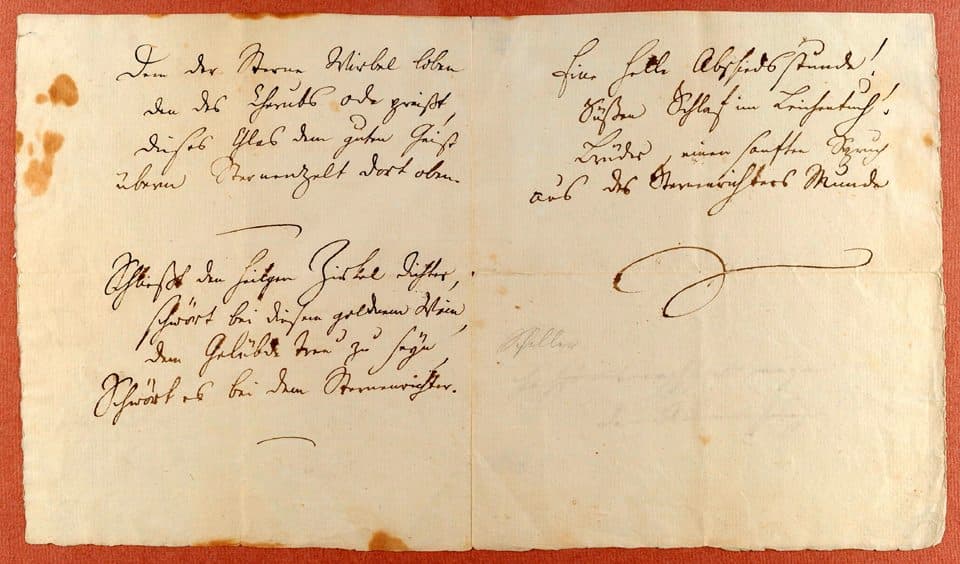
Schiller’s Ode to Joy

Schiller’s Ode to Joy

By presenting his Ops. 123, 124, and 125 in a single academy, Beethoven was clearly not trying to appeal to popular demands. Rather the opposite, it seems, as a programme of such seriousness, duration and ticket expense, was hardly going to attract the bohemian party crowd. By appealing to the spirit of Romanticism and the shared ideals of humanity as expressed in Schiller’s Ode to Joy, the composer appeared to have made not only a musical point but also issued a decisive cultural statement.

200 years later, the Ode to Joy is the anthem of both the European Union and the Council of Europe. Its described purpose is to “honour shared European values, expressing the ideals of freedom, peace, and unity.” The 2024 re-creation of the 1824 academy still won’t be a crowd magnet, nor will it be an attractive event for most Europeans. However, the statement of intent seems very clear. The utopian ideals expressed in the 9th Symphony, although no longer believable in 2024, still need to provide the fundamental bases of interaction in a world intent on proving the opposite on a daily basis.

Friday, April 26, 2024

Unique Concertos Works by Glière, Daetwyler, Horovitz, Villa-Lobos, Diemer, and Akiho

By Georg Predota, Interlude 

In its simplest form, a concerto is defined as a musical composition in which one or more solo instruments interact with an orchestra or ensemble. The term concerto is ambiguous because it originated from splicing together two Latin words. “Consere” means to join, or to weave, and “certamen” means competition or to fight. As you can tell, it’s not simply the case that a virtuoso soloist plays extended featured passages and is dutifully accompanied by an orchestra. In reality, it’s more like a marriage or partnership in that the two parts in a concerto, the soloist and the orchestra, alternate episodes of opposition, cooperation, and independence in the creation of the music flow. The vast majority of all concertos seem to have been written to feature the piano, the violin, and possibly the cello as solo instruments. But that’s not always the case, as composers have explored the timbres, techniques, and virtuoso possibilities of many other instruments as well. In this series, we introduce and present concertos for unique and unusual instruments and combinations. So let’s get started with a concerto for the human voice by Soviet composer Reinhold Glière (1875-1956).

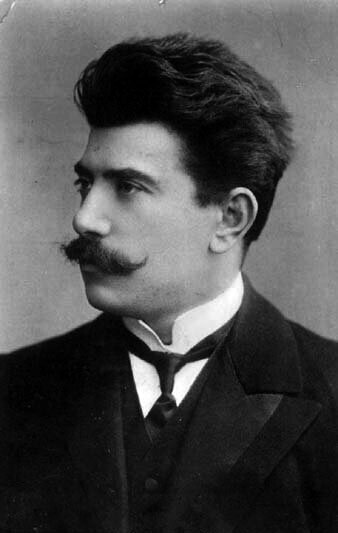
Reinhold Gliére

The Young Reinhold Gliére

 Composed in 1943, the Concerto in F Minor for Coloratura Soprano and Orchestra unfolds in two movements. Glière does not provide instruction about the type of sounds required, and there are no provisions in the score for actually taking a breath. In the absence of text, musical expression is left entirely up to the soprano. In fact, the whole composition is conceived as though the voice were an instrument of almost limitless possibilities. Composing a concerto for voice is one thing; writing one for Alphorn presents some very special challenges.

Jean Daetwyler: Alphorn Concerto

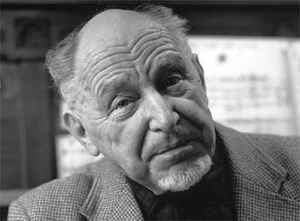
Jean Daetwyler

Jean Daetwyler

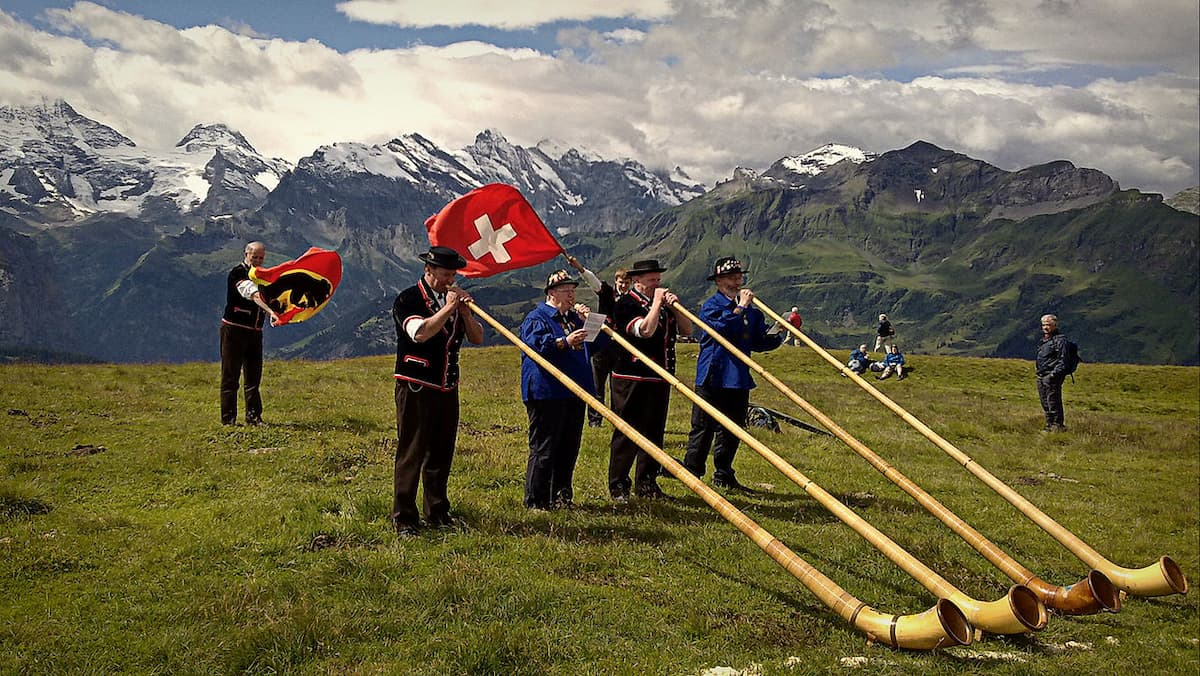
The Swiss composer Jean Daetwyler (1907-1994), who had studied with Vincent d’Indy at the Paris Conservatoire, took on that enormous challenge. Traditionally used as a signaling instrument in the alpine regions of Europe, the Alphorn is of phenomenal size. The instrument consists of a straight several-meter-long wooden natural horn of conical bore. The composer writes, “it is very difficult to write music for the alphorn. The instrument, in spite of its size, has only five notes that can be used to write a melody… For me, the alphorn represents solitude, man alone before Nature. With its five notes but above all with its powerful and magnificent sound, the instrument demands of the composer the greatest simplicity in evoking feelings of the deepest truth.”

Alphorns

Alphorns


Joseph Horovitz: Euphonium Concerto

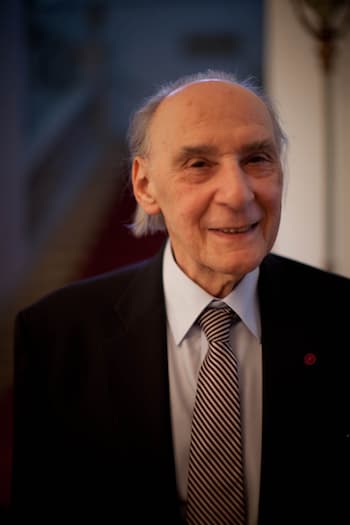
Joseph Horovitz

Joseph Horovitz

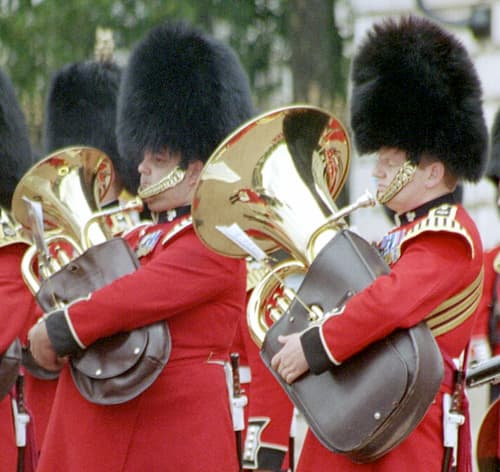
The non-transposing brass instrument called euphonium was invented in the early 19th century. Its name derives from an Ancient Greek word meaning “well-sounding” or “sweet-voiced.” The instrument was made possible by the invention of the piston valve system, which allowed brass instruments with an even sound the facility of playing in all registers. A number of euphonium variants with either three or four valves were constructed, but the fingerings on the euphonium are the same as those on a trumpet. Often mistaken for a baritone horn, the euphonium produces a darker tone and a gentle sound. It still plays an important role in military and brass bands around the world. While most euphoniums can be played from a sitting position, a slight change in design also allows the instrument to be easily carried while marching. The instrument has always played an important role in ensembles. As such, solo literature was slow to appear and Joseph Horovitz composed the first concerto for the euphonium only in 1972.

The Euphonium and Tuba

The Euphonium and Tuba

Horovitz was born in Vienna in 1926 and emigrated to England in 1938. Throughout his long and productive career, he composed twelve ballets, nine concertos, two one-act operas, chamber music, works for brass and wind bands, film, television and radio, and choral works. His compositions have always been known for their melodic richness, its energy, and its craftsmanship. His Euphonium Concerto set “the benchmark” for future generations of soloists and composers, and Horowitz propelled the euphonium as a solo instrument towards international popularity.

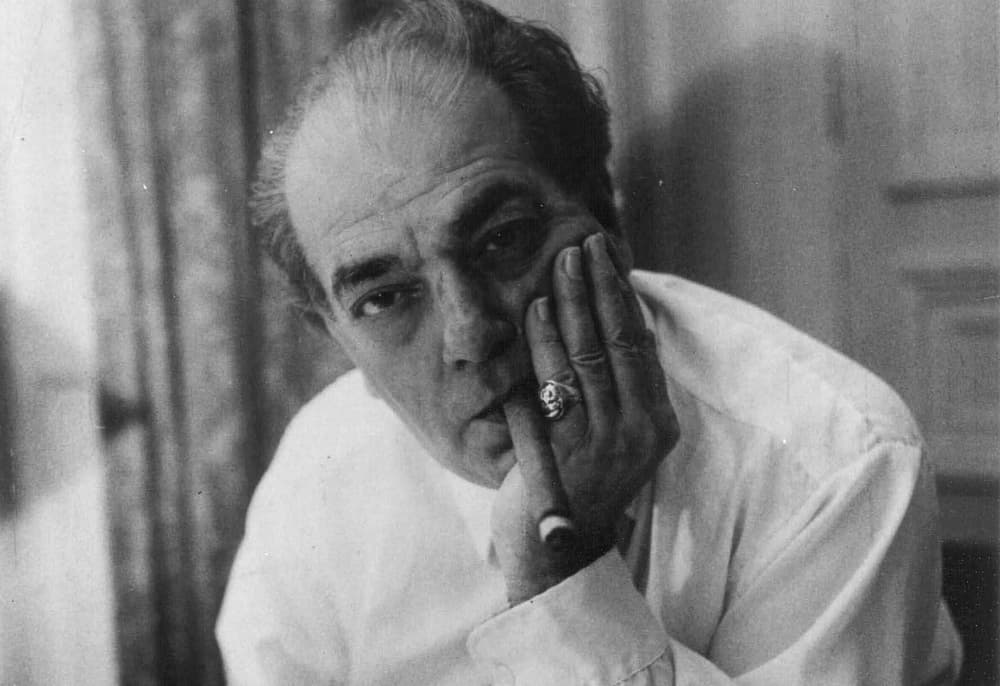
Heitor Villa-Lobos: Concerto for Harmonica

Composer Heitor Villa-Lobos

Heitor Villa-Lobos

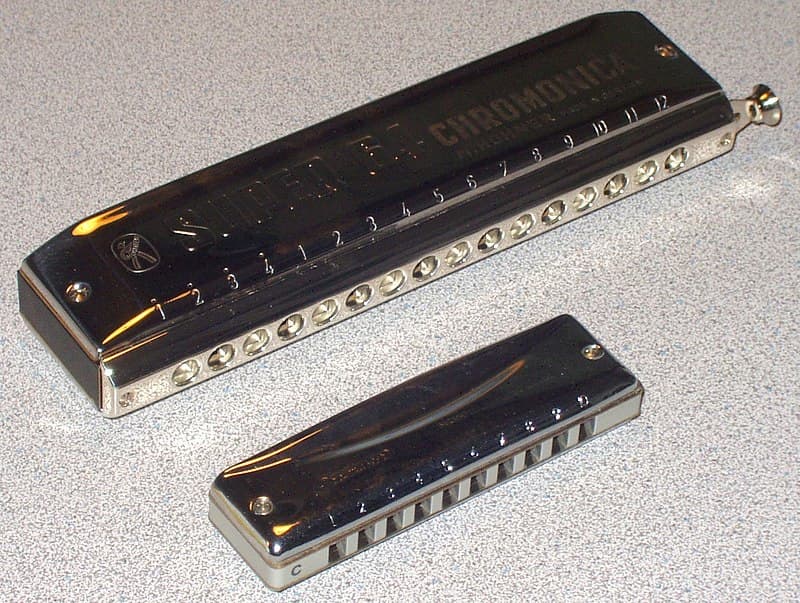
The harmonica, also known as the mouth organ, is a free-reed wind instrument developed in Europe in the early part of the 19th century. Christian Friedrich Ludwig Buschmann is often cited as the inventor of the harmonica in 1821, and the first harmonicas produced by clockmakers appeared in Vienna shortly thereafter. Joseph Richter invented the blow and draw mechanism that allows players to activate twenty differently tuned reeds by inhaling and exhaling. These diatonic harmonicas were primarily designed to play folk music, and by mid-century, the instrument was being mass-produced. The invention of the chromatic harmonica by Hohner in 1924 created new possibilities for the instrument, and it appeared in a variety of musical styles, including American folk music, blues, jazz, country, and rock. Heitor Villa-Lobos (1887-1959) composed a substantial number of concertos for famous performers. This was certainly the case with the famous harmonica player John Sebastian, who enjoyed a long career as a soloist that started in Philadelphia in the early 1940s. Sebastian commissioned a harmonica concerto from Villa-Lobos in 1955, and he premiered the work in Jerusalem with the Kol Israel Orchestra in 1959. The concerto is packed with technical challenges for the soloist, including octaves and chords, but Villa-Lobos also highlights the powerfully expressive qualities of the instruments. Villa-Lobos and Sebastian are essentially responsible for introducing the harmonica into the concert hall.

Harmonica

Harmonica


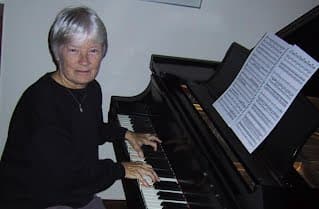
Emma Lou Diemer: Concerto in One Movement for Marimba

Emma Lou Diemer

Emma Lou Diemer

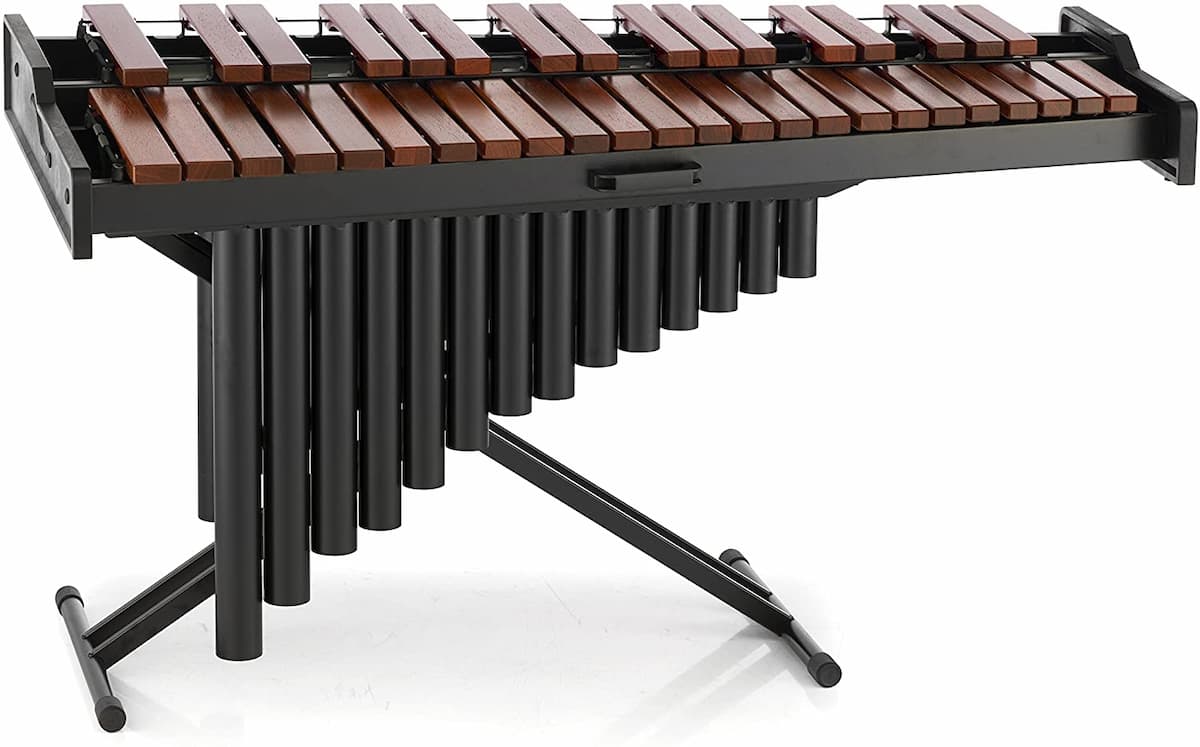
The marimba is a percussion instrument that features a set of wooden bars arranged like the keys of a piano. Resonators are typically suspended underneath the bars to amplify the sound produced by striking the bars with yarn or rubber mallets. The ancestry of the instrument can be traced to Sub-Saharan Africa, and it rapidly spread to Central and South America. Today, marimbas are widely popular around the world and Darius Milhaud introduced the instrument into Western classical music with a Concerto for Marimba and Vibraphone in 1947. Ever since, composers like Leoš Janáček, Carl Orff, Karl Amadeus Hartmann, Hans Werner Henze, Pierre Boulez, and Steve Reich have found new and exciting ways of using the marimba. That also includes the Concerto in One Movement for Marimba by American composer Emma Lou Diemer. A native of Kansas City, Diemer is a keyboard performer, and she has engaged with an eclectic style of composition. She has composed traditional, experimental, and electronic works using tonal and atonal musical languages. Commissioned by the Women’s Philharmonic of San Francisco, the Marimba Concerto premiered on 21 March 1991 at Mills College with JoAnn Falletta conducting and Deborah Schwartz as the featured soloist. A reviewer wrote, “This was a premiere worth waiting for… A stirring score that explores the colors of the marimba in glorious detail… The composer and soloist have taken an inert instrument of wooden bars and metal tubes and given it a human throat with which to sing. Marimbists around the world have cause to celebrate.”

Marimba

Marimba


Andy Akiho: Ricochet “Ping Pong Concerto”

Ping Pong Concerto

Ping Pong Concerto

Andy Akiho is a composer of contemporary classical music. He is a virtuoso percussionist based in New York City, and his primary performance instrument is steel pans. In fact, he took several trips to Trinidad after graduating from college in order to learn and play music. His compositional interest was peeked by participating in the “Bang on a Can” Festivals in 2007 and 2008. Akiho developed a reputation for writing music that makes use of metallic sounds and incorporates elements of theatre. Concertos are generally written to highlight a virtuoso soloist or two, but there are no specifications as to what kind of instruments are to be used. Theoretically, they can be written for anything that produces sound.

Andy Akiho

Andy Akiho

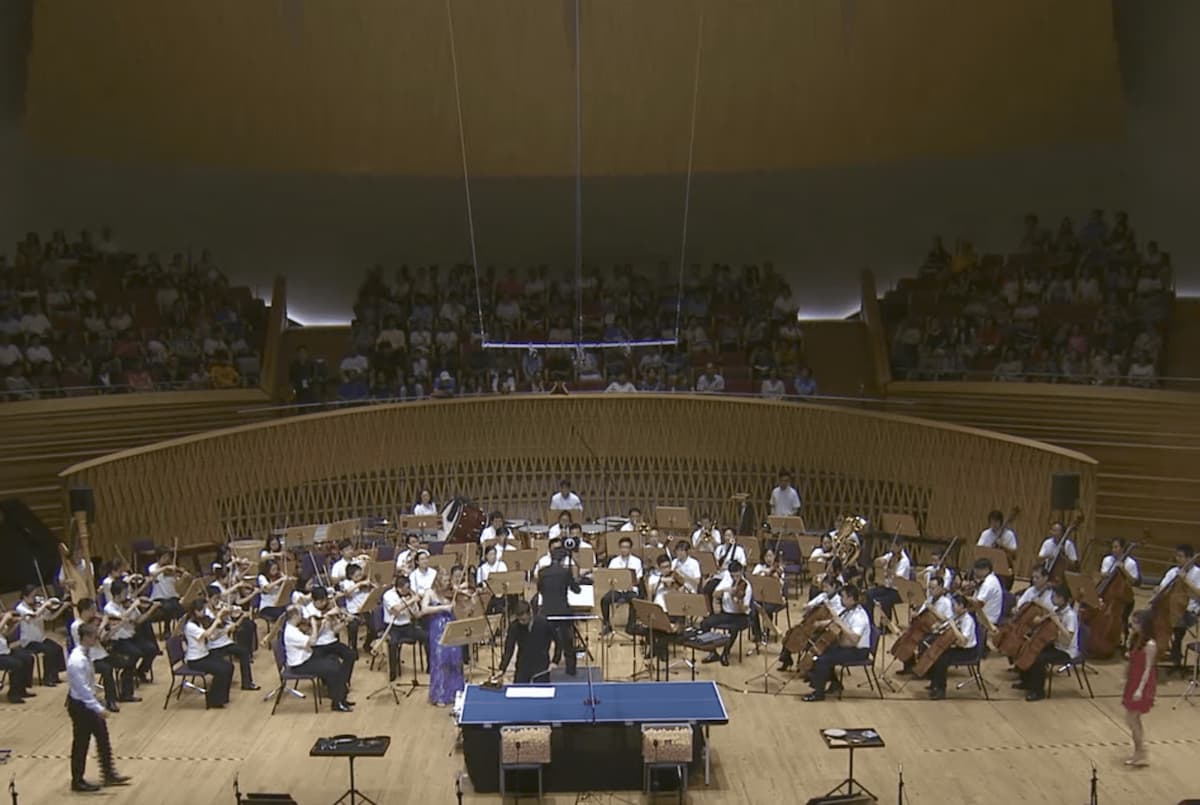
Such is the case in Akiho’s Ricochet, a triple concerto for violin, percussion, and ping-pong players. Working in his preferred instrumental medium, Akiho incorporates a ping-pong tournament into his concerto score. The violinist opens the piece with a solo and is soon joined by a percussionist who turns the ping-pong table into an instrument. But we quickly realize that a game of ping-pong is the major component. Commissioned by the Beijing Music Festival in 2015, the ping-pong soloists at the premier performance are both accomplished athletes. Michael Landers and Ariel Hsing are the youngest U.S. Women’s and Men’s table tennis champions, and Hsing competed in the 2012 London Olympics. A reviewer wrote, “So riveting was this piece as a visual theatre that no one seemed to keep score.”

Friday, April 19, 2024

Germaine Tailleferre

by Georg Predota, Interlude

germaine-tailleferre1

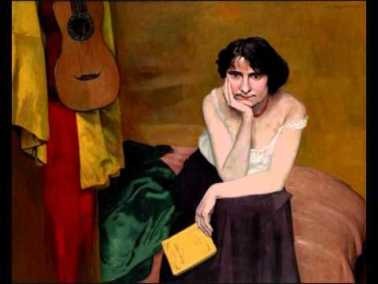
Germaine Tailleferre (1892-1983) was the sole female member of the intriguing group of young French composers eventually known as “Les Six.” Her association with “Les nouveaux jeunes” aside, Tailleferre was a prominent and prolific composer writing in a wide range of musical genres. Her memorable music for opera and ballet is augmented by piano concertos, symphonic works, solo piano pieces, music for small ensembles and well over 40 movie soundtracks. She left behind an extensive body of works representing almost 70 years of compositional engagement and over time forged a distinctive musical voice that valued clarity, spontaneity and charm. Tailleferre strongly believed that a composition would lack artistry if a listener couldn’t identify a composer’s style after three bars. “I write music because it amuses me,” Tailleferre suggested. “It’s not great music, I know, but it’s gay, light-hearted music which is sometimes compared with that of the “petits maîtres” of the 18th century. And that makes me very proud.”

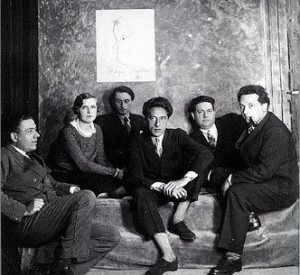
Currently, Tailleferre is considered the “most important French woman composer of all time.” This appreciation, however, has only been forged during the 21st- century, and its cultural reinterpretation and revival of her music. Born Marcelle Taillefesse at Saint-Maur-des-Fossés, Val-de-Marne, France, her early years were marked by persistent struggles against her father. He considered music an unworthy pursuit, and a “woman studying music” he once remarked, “was no better than her becoming a streetwalker.” She eventually changed her name to spite her father, but never forgave him for his inflexible attitude towards her artistic gifts. Embittered, “she is said to have regarded his demise in 1916 as something of a relief.” Despites her father’s strong opposition, she began her study of piano and solfege at the Paris Conservatory in 1912, and immediately won various prizes in counterpoint and harmony. Tailleferre quickly caught the eyes of her fellow students Darius Milhaud, Georges Auric and Arthur Honneger. Upon the publication of her first string quartet in 1918, she was welcomed as a major talent into the private musical club that eventually blossomed into “Les Six.”

Credit: https://s-media-cache-ak0.pinimg.com/

Les Six © s-media-cache-ak0.pinimg.com

Tailleferre rubbed shoulders with the greatest creative minds of her time. She was a close friend of Maurice Ravel and Erik Satie, a favorite of Jean Cocteau and acquainted with Aaron Copland. Her circle of friends included Igor StravinskyPablo Picasso, Georges Braque, Guillaume Apollinaire, George Balanchine and Sergei Diaghilev, among numerous others. She once remarked that Picasso gave her the “best lesson in composition” she ever received as he told her to “constantly renew yourself; avoid using the recipes that you have already found.” Many of her most important works emerged during the 1920’s, including the First Piano Concerto, the Harp Concertino, the ballets Le marchand d’oiseaux and La nouvelle Cythère, which was commissioned by Sergei Diaghilev for the Ballets Russes. These highly successful and critically acclaimed compositions were followed by the Concerto for Two Pianos, Chorus, Saxophones, and Orchestra, the Violin Concerto, the opera cycle Du style galant au style méchant, the operas Zoulaïna and Le marin de Bolivar, and La cantate de Narcisse, in collaboration with esteemed French poet Paul Valéry.

Wanting to breathe new life into her career, Tailleferre moved to New York in 1925. Leopold Stokowski, Willem Mengelberg, Serge Koussevitzky, and Alfred Cortot performed her compositions, and her short-lived marriage to the New Yorker magazine artist Ralph Barton further enhanced her celebrity status. Musically reinvigorated and her marriage in tatters she returned to France, but World War II brought her once again to the United States. The war years severely stifled her musical creativity and productivity, and affected a fundamental cultural and artistic dislocation. Upon her return to France in 1946 Tailleferre continued to compose orchestral works, ballet and chamber music. However, most of these works were published posthumously with a substantial number of her compositions still unknown today. She nevertheless continued to compose until a few weeks before her death in 1983, and her last work Concerto de la fidelité pour coloratura soprano et orchestra premiered at the Paris Opera in 1982. Her music never failed to give voice to an extended French artistic tradition, and the seductive grace and charm of her work are perhaps best summed up by Cocteau’s famous assessment of Tailleferre “as the musical equivalent to painter Marie Laurencin.”

Friday, April 5, 2024

Charles Villiers Stanford

by Georg Predota, Interlude

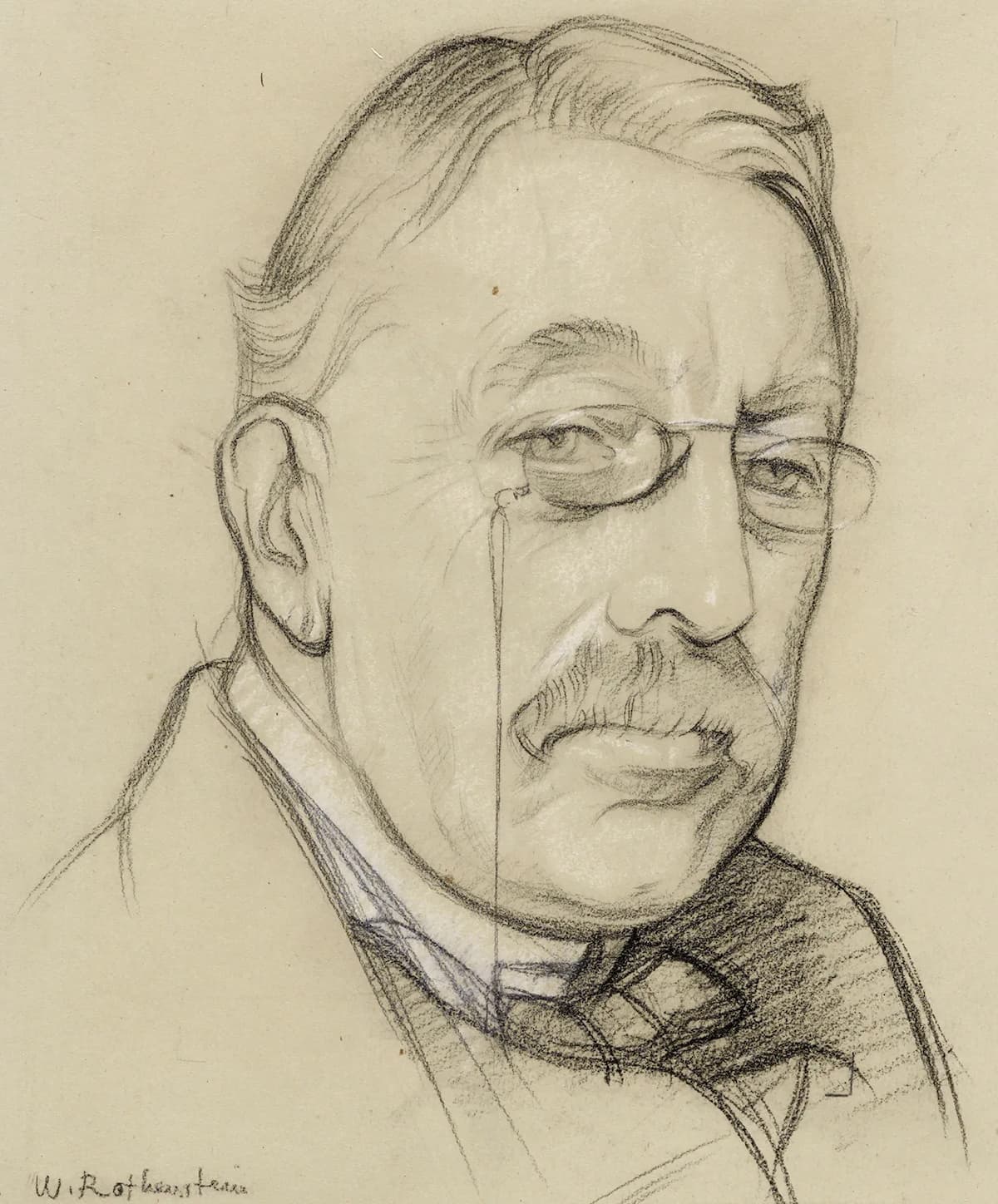
As a composer, Charles Villiers Stanford (1852-1924) might not be a household name, but he is remembered as a teacher of several generations of British composers at the RCM and Cambridge University. However, there is a clear disconnect between how he was celebrated in his day, and how posterity has decided to look at him.

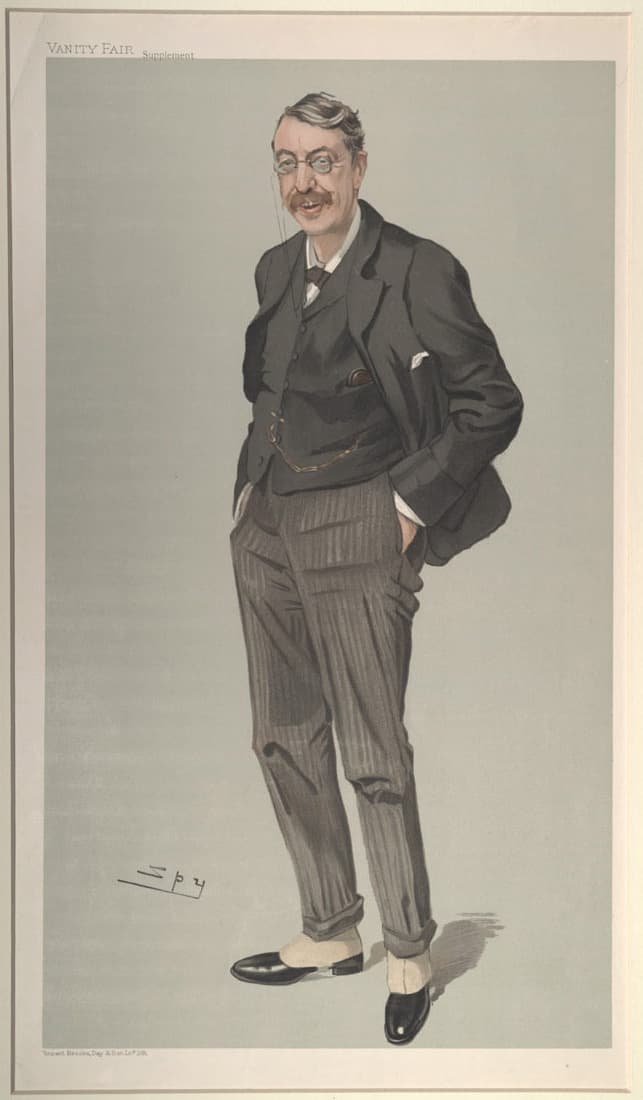
Charles Villiers Stanford

Charles Villiers Stanford

Villiers Stanford was highly lauded during his lifetime as an exceptional composer of large works for chorus and orchestra, and he received a knighthood on the occasion of King Edward VII’s coronation. Posterity, however, has been less kind. The musicologist Robert Stove writes, “Sir Charles Villiers Stanford has not so much been neglected, but posterity has derived malicious satisfaction from ostentatiously yawing in his face.” 

Centenary of Death

Villiers Stanford died 100 years ago, on 29 March 1924, and he untiringly campaigned for a national opera, as he saw “opera as a vital catalyst in Britain’s musical renaissance.” He was a mover and a shaker, but his music became associated with Victorian fustiness, worthy if ultimately inconsequential.

As Ralph Vaughan Williams wrote, “in Stanford’s music the sense of style, the sense of beauty, the feeling of a great tradition is never absent. His music is in the best sense of the word Victorian, that is to say, it is the musical counterpart of the art of Tennyson, Watts and Matthew Arnold.”

Critical Assessment

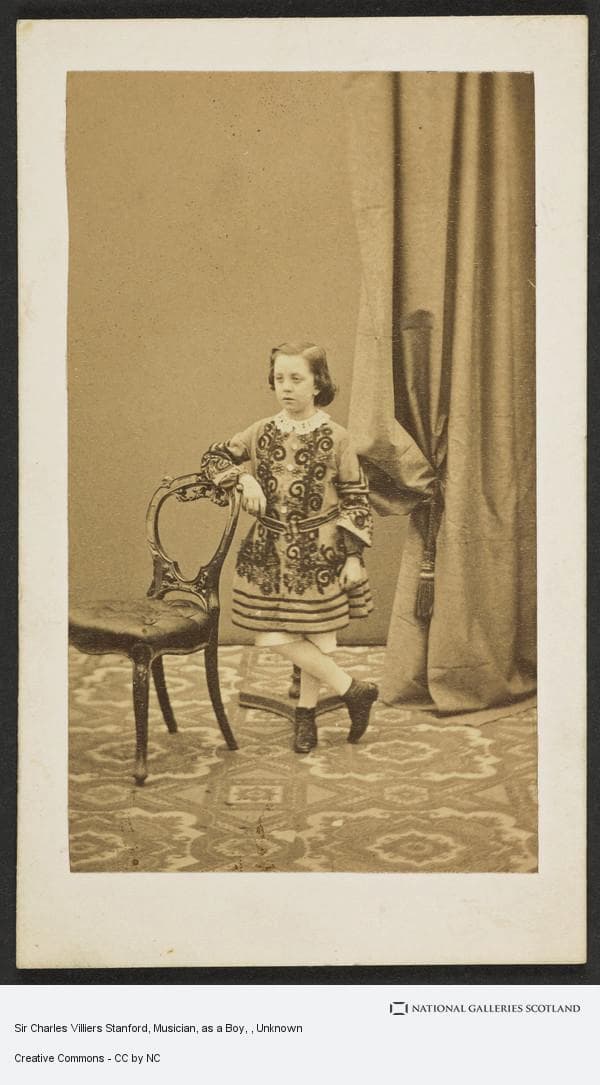
Charles Villiers Stanford as a boy

Charles Villiers Stanford as a boy

Villiers Stanford was a busy man. He composed roughly 200 works, including seven symphonies, about 40 choral works, nine operas, 11 concertos, and 28 chamber works. And this is in addition to songs, piano pieces, incidental music, and organ works. Stanford’s technical competence was never in doubt, as the composer Edgar Bainton wrote, “Whatever opinions might be held upon Stanford’s music, and they are many and various, it is always recognised that he was a master of means.”

It’s been suggested by countless critics that Stanford’s music lacked passion. In his operas, critics found music that ought to convey love and romance but fails to do so. His church music is “a thoroughly satisfying artistic experience, but one that is lacking in deeply felt religious impulse. And while Stanford had a real gift for melody often infused with the contours of Irish folk music, he never emulated comic operas but produced oratorios that “only occasionally matched worthiness with power and profundity.”

Beginnings

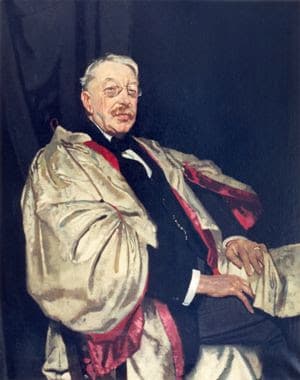
Charles Villiers Stanford

Charles Villiers Stanford

Born on 30 September 1852 in Dublin, Charles Villiers Stanford was the only child of the city’s most eminent lawyer. He grew up in a highly stimulating cultural and intellectual environment, and his childhood home was the meeting place of countless amateur and professional musicians. In fact, his father was a capable cellist and singer, and his mother an able pianist, with various celebrities such as Joseph Joachim visiting the home.

Stanford showed early musical promise, and he took violin, piano, and organ lessons. His teachers were of the highest calibre, including former students of Ignaz Moscheles. And he clearly had plenty of talent. He gave his first piano recital for an invited audience at the age of seven, presenting works by BeethovenHandelMendelssohn, Moscheles, Mozart, and Bach. Long before the age of twelve, “he could play through all fifty-two Mazurkas by Chopin on sight,” and his earliest composition attempts emerged at the age of eight.

Cambridge and Leipzig

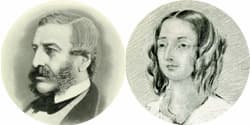
Charles Villiers Stanford's parents

Charles Villiers Stanford’s parents

Not entirely unexpected, Stanford’s father wanted his son to enter the legal profession. Finally, in 1870, Stanford was able to gain the consent of his parents to pursue a career in music. He won an organ scholarship at Queens’ College, Cambridge, and immersed himself in various musical activities. He composed prodigiously and was elected assistant conductor to the Cambridge University Musical Society.

On the recommendation of Sir William Sterndale Bennett, Stanford spent the last six months of both 1874 and 1875 in Leipzig. He studied piano with Robert Papperitz and composition with Carl Reinecke. As Stanford reported, “Of all the dry musicians I have ever known, Reinecke was the most desiccated. He had not a good word for any contemporary composer, he loathed Wagner, sneered at Brahms, and had no enthusiasm of any sort.” To round off his continental study tour, Stanford spent some time in Berlin, working with Friedrich Kiel. “I learned more from him in three months,” he writes, “than from all the others in three years.” 

Back in Cambridge

Charles Villiers Stanford

Stanford returned to Cambridge in January 1877, and he quickly became known as a conductor and composer. For one, he conducted the first British performance of Brahms’s First Symphony, and he completed his own First Symphony and the oratorio The Resurrection. He quickly followed up with his Second Symphony and the Piano Quintet, and as the organist at Trinity, he composed “some highly distinctive church music.”

At the age of 35, Stanford was appointed professor of music at Cambridge, with his students including Coleridge-Taylor, Holst, Vaughan Williams, and Ireland. By all accounts, he was not an easy teacher. He only taught in one-on-one tutorials, and “when students went into the teacher’s room, they came out badly damaged.” Apparently, Stanford’s teaching did not follow a prescribed plan or method. “His criticism,” as reported by a former student, “consisted for the most part of “I like it, my boy,” or “It’s damned ugly, my boy” (the latter in most cases).”

Royal College of Music

Stanford joined the staff of the newly inaugurated RCM as a professor of composition and conductor of the orchestra in 1883. He exerted considerable influence on a long list of students, and he instigated an opera class with an annual production. A scholar writes, “Stanford’s enthusiasm for opera is demonstrated by his lifelong commitment to a genre in which he enjoyed varying success.”

Stanford also took on the conductorship of the Bach Choir, the Leeds Philharmonic Society, and the Leeds Triennial Festival. He received honorary degrees from Oxford, Cambridge, Durham, and Leeds, and was knighted in 1902. Stanford continued to be active as a composer as well, but his music was gradually eclipsed by the young Edward Elgar. As Stanford was known as a hot-tempered and quarrelsome man, confrontations quickly ensued with Stanford writing, “Elgar, cut off from his contemporaries by his religion and his want of regular academic training, was lucky enough to enter the field and find the preliminary ploughing done.”

Thoughts on Music and Composers

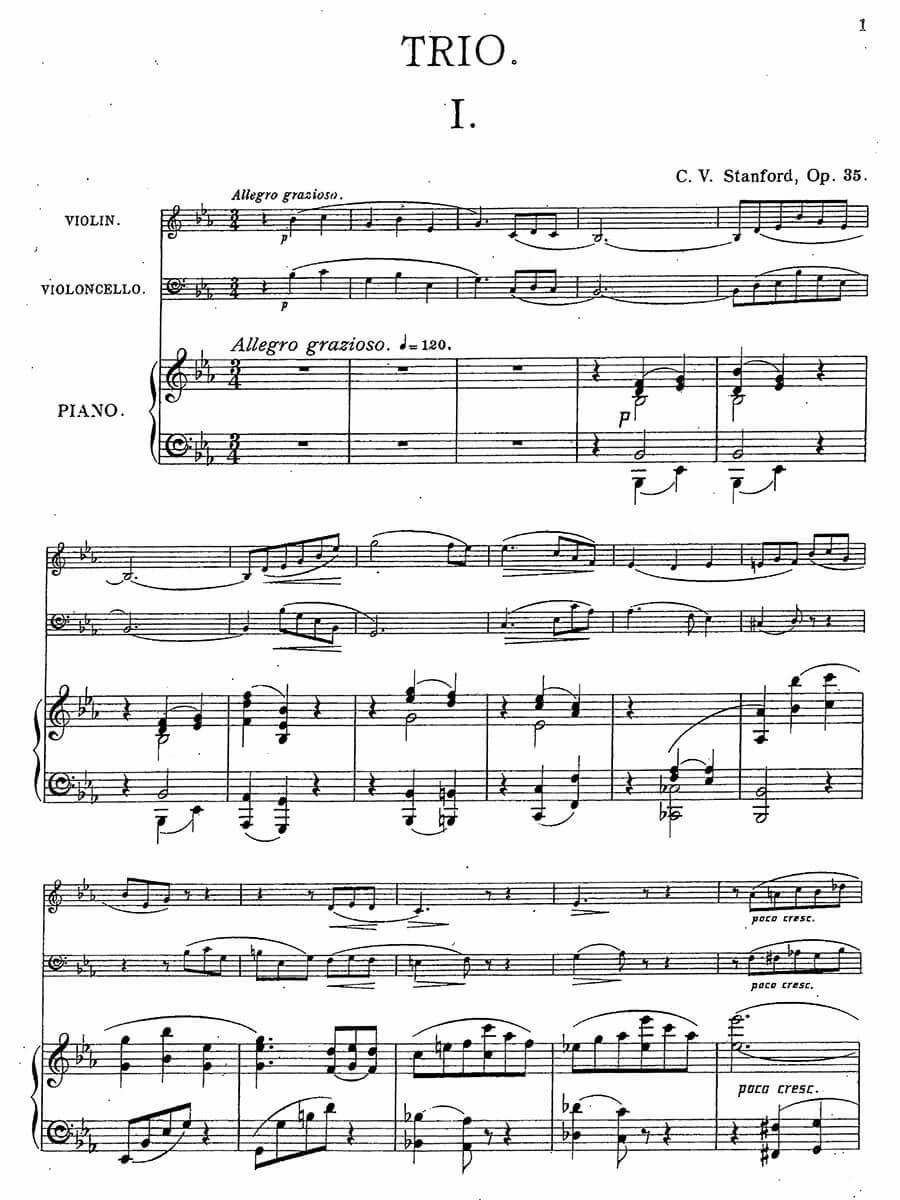
Charles Villiers Stanford's Piano Trio

Charles Villiers Stanford’s Piano Trio

In his writings on music, Stanford frequently uses visual metaphors and references to painting and sculpture. His ideas on the subject can be reduced to simple statements. “A piece of music can survive bad texture and instrumentation, but never bad melody or design.” As he famously wrote, “Colour, the god of modern music, is in itself the inferior of rhythmic and melodic invention, although it will always remain one of its most important servants. Fine clothes will not make a bad figure good.”

In the musical culture war of the period, Stanford always sided with Brahms and against the modernists, although he had a great admiration for Wagner. He counted Berlioz and Liszt as lesser practitioners of the musical art, and he most bitterly objected to the music of Richard Strauss. Concerning Debussy and the new French School that emerged in the 1890’s, Stanford was deeply ambivalent.

Stanford was tormented by musical and aesthetic dichotomies at the end of his life. Always wrestling with his status in relation to Irish and English culture, he experienced what Yeats described as “my hatred tortures me with love, my love tortures me with hate.”

On This Day 5 April: Beethoven’s Piano Concerto No. 3 Was Premiered

By Georg Predota, Interlude

The Farmer’s Daughter

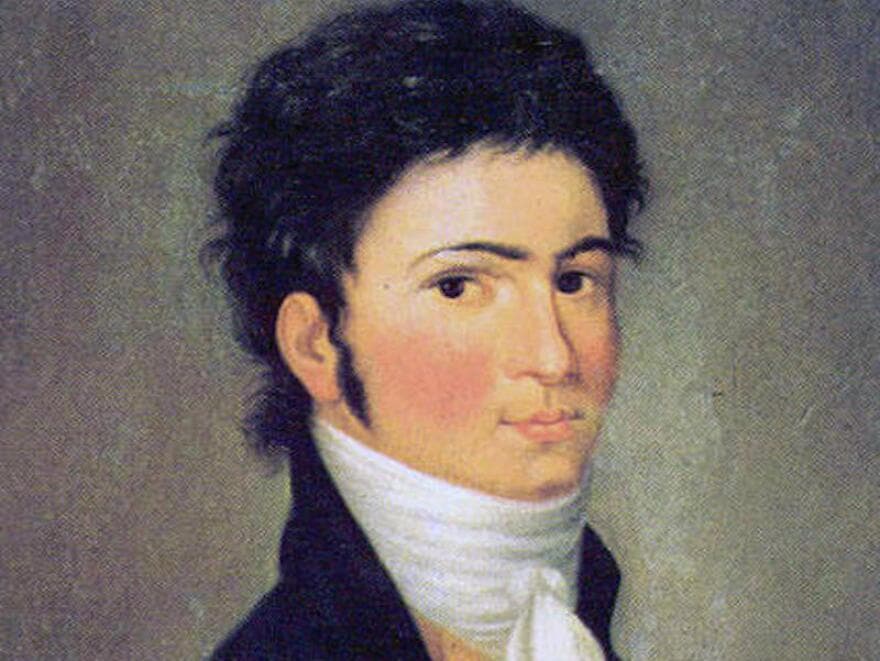
A portrait with colours on composer Beethoven in 1801

Beethoven in 1801

Beethoven’s landlord had a reputation for drunkenness, and for skirting the wrong side of the law. However, he also had a remarkably beautiful daughter, who had also managed to gain a bit of a reputation. A delightful anecdote reports that Beethoven was greatly captivated by her beauty, and made it a habit to stop his walk and gaze at her when she was working in the farmyard or the field. The farmer’s daughter, however, openly laughed at his clumsy advances.

However, the story isn’t quite finished, as the farmer was arrested and imprisoned for fighting in public. Hoping to impress the beautiful daughter, Beethoven went to the magistrate as an eyewitness to obtain his release. However, other witnesses came forward and refuted Beethoven’s telling of events, with the result that the farmer was forced to stay in jail. 

Egyptian Hieroglyphs

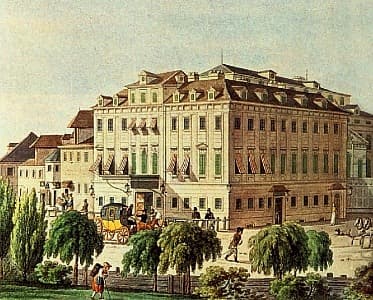
Theater an der Wien

Theater an der Wien

Beethoven, it is said, became very angry and abusive and was in danger of being arrested himself. A number of friends came to Beethoven’s aid, and convinced the magistrate of Beethoven’s position in society, his influence, and the power of his aristocratic friends. Having thus escaped jail, Beethoven set to work and drafted parts of a concerto for piano and orchestra in C minor.

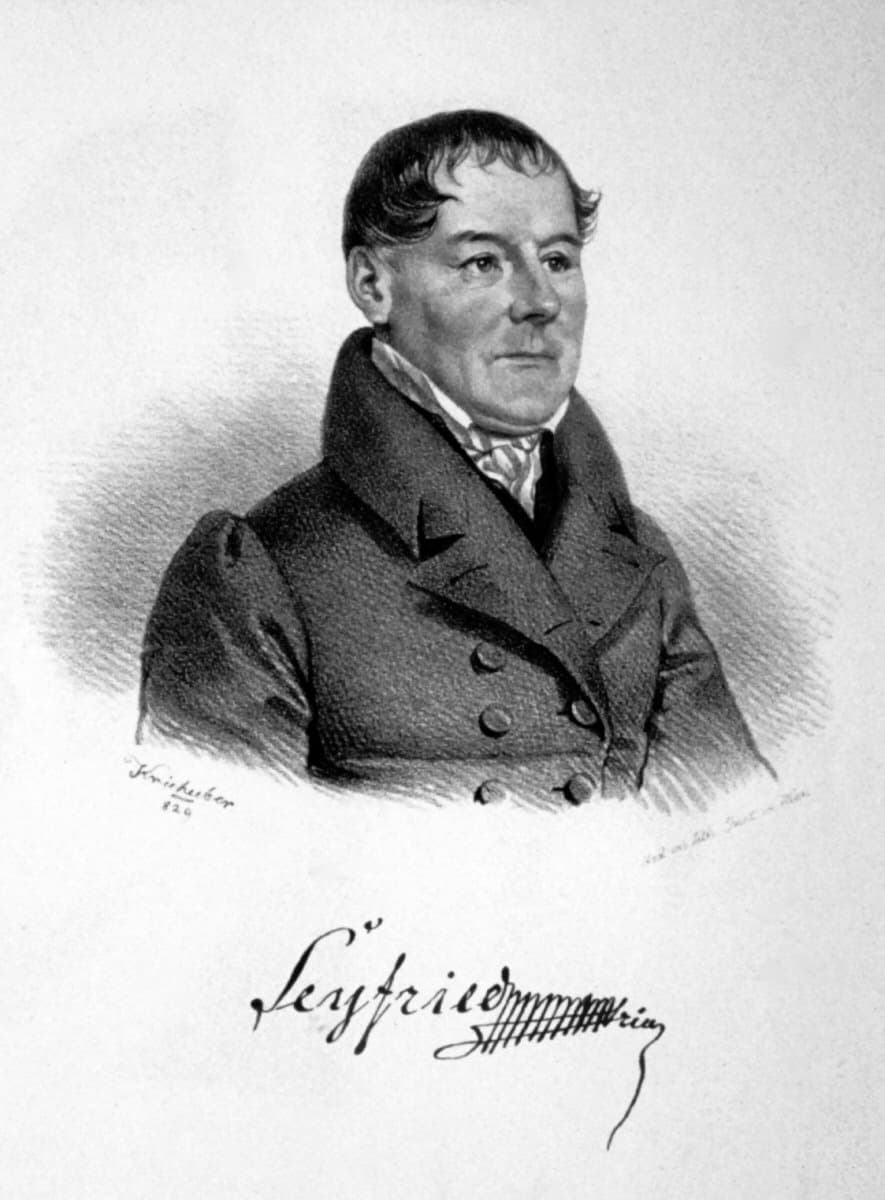
And while the inspiration might well have been Beethoven’s infatuation and ultimate rejection by a farmer’s daughter, the work was still unfinished when Beethoven presented it to the public almost three years later. Ignaz von Seyfried, the new conductor at the Theater an der Wien agreed to turn pages for Beethoven, and he reports, “I saw almost nothing but empty leaves,” he wrote, “at most on one page or another a few Egyptian hieroglyphs wholly unintelligible to me and scribbled down to serve as clues for him.”

As Seyfried reports, “Beethoven played nearly all of the solo part from memory since, as was so often the case, he had not had time to put it all down on paper. He gave me a secret glance whenever he was at the end of one of the invisible passages, and my scarcely concealable anxiety not to miss the decisive moment amused him greatly.” It took Beethoven another year to write out the piano part, and the work first appeared in print in 1804. 

First Concerto Maturity

Ignaz von Seyfried

Ignaz von Seyfried

It has been suggested that the C-minor concerto is the first of his five piano concertos that sound like mature Beethoven. But what is more, it also reflects an important advance in piano technology as the range of the instrument had been expanded beyond the standard five-octave span.

The opening “Allegro con brio” pays homage to Mozart’s famous C-minor concerto (K. 491) by imitating the intricate interplay between soloist and orchestra and by launching into a further sparkling development in the coda. Singing with quiet nobility, the piano initiates the “Largo” movement. Imaginative orchestration creates a hushed mood in the remote key of E major and after a magical dialogue between the piano and orchestra, the movements conclude with a typical Beethovenian fortissimo exclamation.

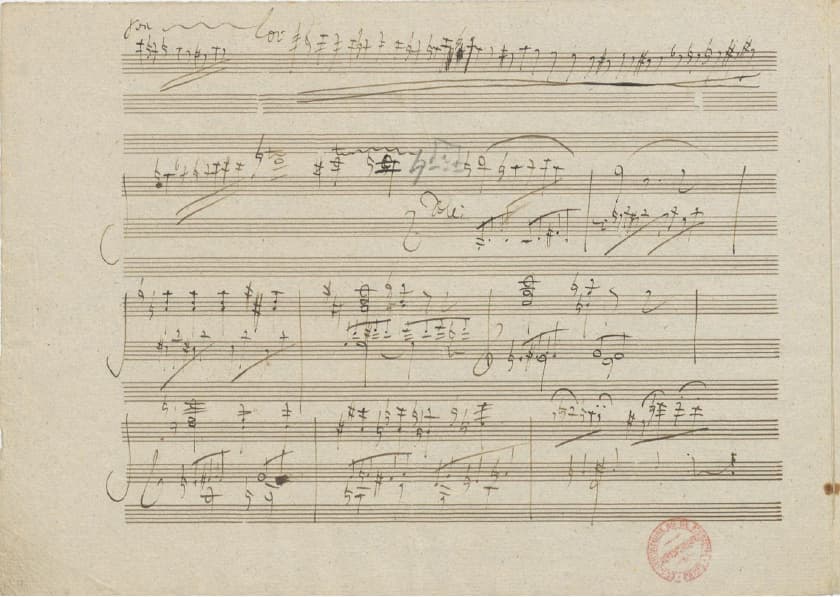
Beethoven's Piano Concerto No. 3 - original score

Beethoven’s Piano Concerto No. 3 – original score

Less ornate and more muscular, the concluding “Rondo-Allegro” returns us to the minor key, with a pair of principal themes introduced by the soloist. Alternating passages of exuberant humour and blunt drama the movement irresistibly accelerates with the orchestra providing a high-spirited conclusion.