Total Pageviews

Sunday, November 23, 2025

10 Greatest Violin Concertos (And the Most Popular Performance of Each)

by 

Composers have been writing violin concertos since the beginning of the eighteenth century.

Over the next three centuries, composers created thousands of violin concertos.

Most have since fallen into obscurity…but a handful have demonstrated their enduring appeal to both musicians and audiences.

violin and antique music score

© medium.com

Although it’s a fool’s errand to make an objective list of the ten greatest violin concertos, we’re taking a shot at making a subjective one.

So here’s our list of the ten greatest violin concertos, a brief overview of what makes each one so appealing, and a link to the most popular YouTube performance of each concerto.

10. J.S. Bach: Violin Concerto No. 1 (c. 1720)   

Johann Sebastian Bach’s first violin concerto likely dates from around 1720, when Bach was employed by Prince Leopold of Anhalt-Köthen.

While working for Leopold, he wrote more instrumental secular music than religious music.

One of the pieces dating from this time was this violin concerto.

It has become one of the most beloved violin concertos of the Baroque era. It features a lively, emphatic first movement; a songful slow movement; and a driving, flowing third movement.

The most-viewed version of the concerto on YouTube is played by German violinist Julia Fischer. It’s light and lovely.

The YouTube heatmap indicates that the most popular part of the performance is at the start of the slow movement at 4:30. Fischer’s playing here is especially luminous.   

Max Bruch was a prolific German Romantic composer. Unfortunately, he ended up becoming a bit of a one-hit wonder…but that one hit ended up becoming one of the pillars of the Romantic violin repertoire.

After a while, Bruch became exasperated at the concerto’s popularity, which eclipsed so many of his other works:

Max Bruch

Max Bruch

“Every fortnight, another [violinist] comes to me wanting to play the first concerto. I have now become rude, and have told them: ‘I cannot listen to this concerto any more – did I perhaps write just this one? Go away and once and for all play the other concertos, which are just as good, if not better.”

The concerto begins with a slow, theatrical opening marked Vorspiel, the German word for “prelude” or “overture.”

The body of the first movement moves without a break into a warm and placid second movement.

The finale features a triumphant and hummable dance-like theme.

The most popular recording on YouTube is American violinist Hilary Hahn’s performance with the Frankfurt Radio Symphony. The most popular moment in her performance is the stormy second half of the first movement, beginning around 4:45.   

Dark, brooding, and painfully personal, Shostakovich’s first violin concerto reflects the composer’s struggles under the oppression of the Soviet rule.

The concerto was written between 1947 and 1948, but Shostakovich knew its style wouldn’t appeal to the conservative tastes of Soviet authorities, so he suppressed it.

It was only able to safely premiere in 1955, two years after the death of Stalin.

It includes a haunting Nocturne, a desperately virtuosic cadenza linking the third and fourth movements, and a fiery finale.

Hilary Hahn once again has the most popular YouTube recording of this repertoire.

7. Bartók: Violin Concerto No. 2 (1937-38)    

Bartók’s second violin concerto is a tour de force of thrilling rhythms and striking colours. It is also one of the most technically demanding violin concertos in the standard repertoire.

Written between 1937 and 1938, this concerto draws heavily on the traditions of Hungarian folk music, while also sounding contemporary and cutting-edge.

Béla Bartók, 1927

Béla Bartók, 1927

Violinist Augustin Hadelich’s performance of this concerto is the most-viewed one on YouTube.

According to the YouTube heatmap, the most popular part of the video is the concerto’s breathless final moments, beginning at 36:00 in this performance. The music sounds like an unhinged folk fiddler has been dropped into the middle of a symphony orchestra.    

6. Mozart: Violin Concerto No. 5 (1775)

Unbelievably, Mozart composed all five of his violin concertos while still a teenager. He wrote the first when he was seventeen and the rest when he was nineteen.

Each one shows his musicality growing by leaps and bounds. By the time he wrote the fifth, his technique was completely assured.

This concerto is known for its contrasts and shifts in character. For instance, the opening begins with a cheery tune in the orchestra, but the soloist then enters with a slow, heavenly, operatic sequence of notes before bustling off.

It is nicknamed the “Turkish” concerto due to the percussive segments in the finale, a remnant of the craze for all things Turkish that swept Vienna and western Europe during the late eighteenth century.

The most popular performance of the concerto on YouTube is a 2015 performance by Korean violinist Bomsori Kim at the Queen Elisabeth Competition.   

5. Tchaikovsky: Violin Concerto (1878)

Tchaikovsky wrote his violin concerto shortly after the breakdown of his six-week-long marriage. (The relationship was doomed because he was gay, and his new wife clearly didn’t understand what she’d gotten herself into.) He fled to Switzerland with a former student/love interest, violinist Yosif Kotek.

Inspired by escaping his traumatic marriage and refreshed by the new surroundings (and company), he wrote his violin concerto in just two weeks.

Although the reaction to the work was initially cool, it has since become one of the most beloved violin concertos ever written.

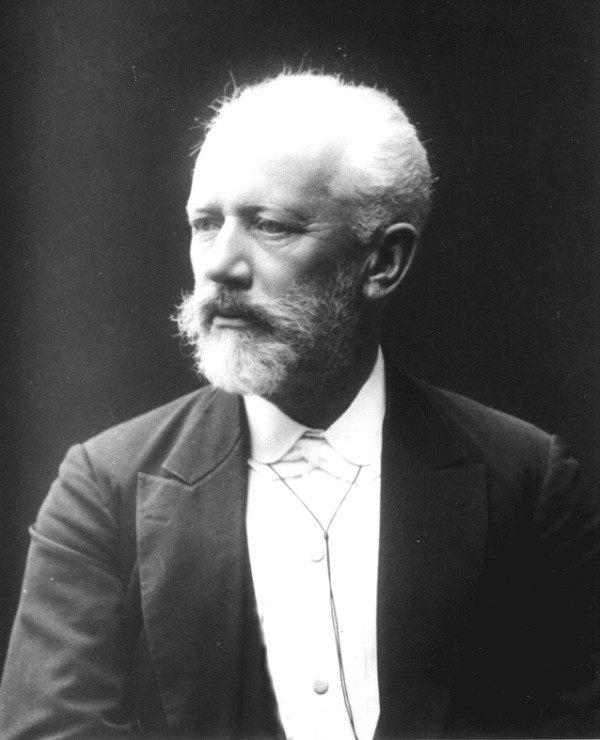
Yosif Kotek and Tchaikovsky

Yosif Kotek and Tchaikovsky

Violinist Alena Baeva and the Düsseldorf Symphony have created the most-viewed version of the Tchaikovsky violin concerto on YouTube.

The Sibelius concerto is icy, intense, and utterly unique. It is the only violin concerto that Sibelius ever wrote, and is a passionate love letter to his beloved instrument.

He once wrote:

“My tragedy was that I wanted to be a celebrated violinist at any price. Since the age of 15, I played my violin practically from morning to night… My love for the violin lasted quite long, and it was a very painful awakening when I had to admit that I had begun my training for the exacting career of a virtuoso too late.”

Jean Sibelius, 1923

Jean Sibelius, 1923

He poured all of his regrets into a deeply emotional violin concerto with a haunting opening, a wistful slow movement, and a finale that has been described as a dance for polar bears.

The most popular performance of the Sibelius concerto on YouTube is one given by Hilary Hahn and the Orchestre Philharmonique de Radio France in May 2019.

According to the YouTube heatmap, the moment that listeners keep returning to is the final two minutes of the first movement, starting at 17:00. Sibelius’s passion combined with Hahn’s virtuosity is jaw-dropping.   

Mendelssohn’s violin concerto is one of the most structurally and technically perfect violin concertos ever written.

It is memorable from the very first measures. The soloist enters almost immediately with a thrilling melody that makes full use of the silvery qualities of the violin’s highest string.

Its flowing melodies, dramatic orchestral interjections, seamless transitions between movements, and fairylike finale have made it a favourite of audiences for nearly two centuries…and it shows no hint of ever going out of style.

Taiwanese-Australian violinist Ray Chen’s performance of the Mendelssohn is the most-viewed performance of this concerto on YouTube. For this elegant 2015 performance, he joined forces with the Gothenburg Symphony Orchestra.     

Brahms’s violin concerto was written for his dear friend and colleague Joseph Joachim, one of the greatest violinists of his generation.

It is a muscular, monumental work that demands a huge amount of physical and emotional stamina from the soloist.

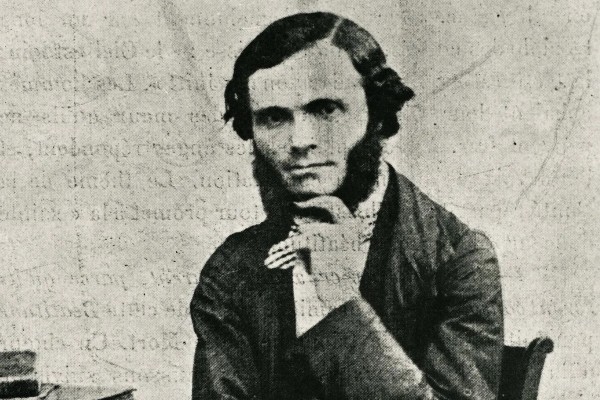
Joseph Joachim

Joseph Joachim

Another layer of difficulty is that Brahms was not a violinist, so his string writing can be clunky to pull off and make look effortless.

Despite its demands, the radiating warmth and soul-piercing sincerity of this music shine through at every measure, and it has come to be regarded as one of the very greatest violin concertos ever written.

The most popular version of the Brahms concerto on YouTube was performed by Hilary Hahn and the Frankfurt Radio Symphony Orchestra in March 2014.

There are a few popular moments in this recording, but one of the most popular is Hahn’s powerful entrance at 3:00.   

It’s hard to choose the greatest violin concerto, but nobody will criticise you for having the Beethoven concerto at the top of your list.

In this work, Beethoven gives the soloist gorgeous (and incredibly difficult) lyric lines. He also creates an astonishing dialogue between the soloist and orchestra.

The work is on a massive scale: the first movement alone lasts for around twenty minutes. The slow movement is some of the most beautiful music Beethoven ever wrote, and the closing rondo is some of his most joyful and life-affirming.

The most popular performance on YouTube is, once again, one by Hilary Hahn, this time with the Detroit Symphony.

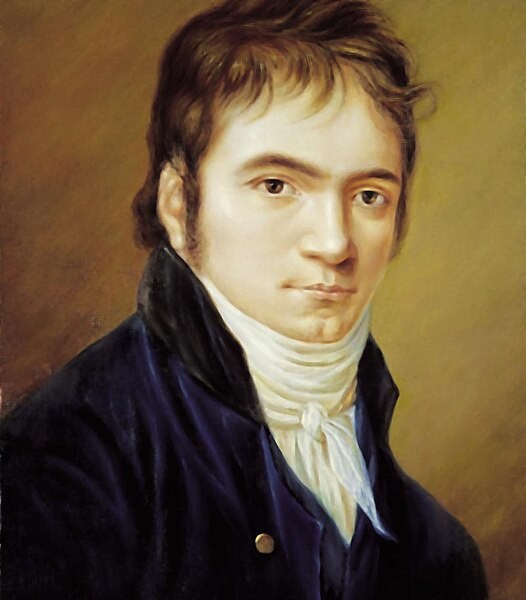
Portrait of Ludwig van Beethoven

Portrait of Ludwig van Beethoven

Interestingly, the most popular spot in the video is not by Beethoven at all: it’s at 19:45, when Hahn plays a flawless version of Fritz Kreisler’s Beethoven concerto cadenza. Even though modern ears might find it a touch too romantic, it is one of the most famous and beloved violin cadenzas of all time, and an incredible experience to witness being played.

Conclusion

We told you at the start that it’s impossible to choose an objective list of the ten best violin concertos, but this is our best shot at it!

How do you think we did? Which of your favourites did we leave out? And what concerto would be your number one pick

Thursday, November 20, 2025

You Raise Me Up, Westlife, Royal Albert Hall, London, 10/28/25


Scorpions & Vanessa-Mae - Still Loving You (Taratata, 28 Apr 1996)


Pink Floyd - Shine On You Crazy Diamond (Parts 1-5 & 7) [PULSE Restored ...


MaestroClass: The songs of Ryan Cayabyab — A triumphant celebration of Filipino musical genius


Published Nov 18, 2025 11:24 pm
In a landmark moment for Original Pilipino Music, Rockwell’s Proscenium Theater opened its doors to a historic three-night celebration of artistry, heritage, and musical mastery. From Nov. 14 to 16, 2025, audiences were transported into the heart of OPM through MaestroClass: The Songs of Ryan Cayabyab, a concert that brought together three pillars of Philippine music on one stage. National Artist for Music Ryan 'Mr. C' Cayabyab, The Concert King Martin Nievera, and The Nightingale Lani Misalucha.
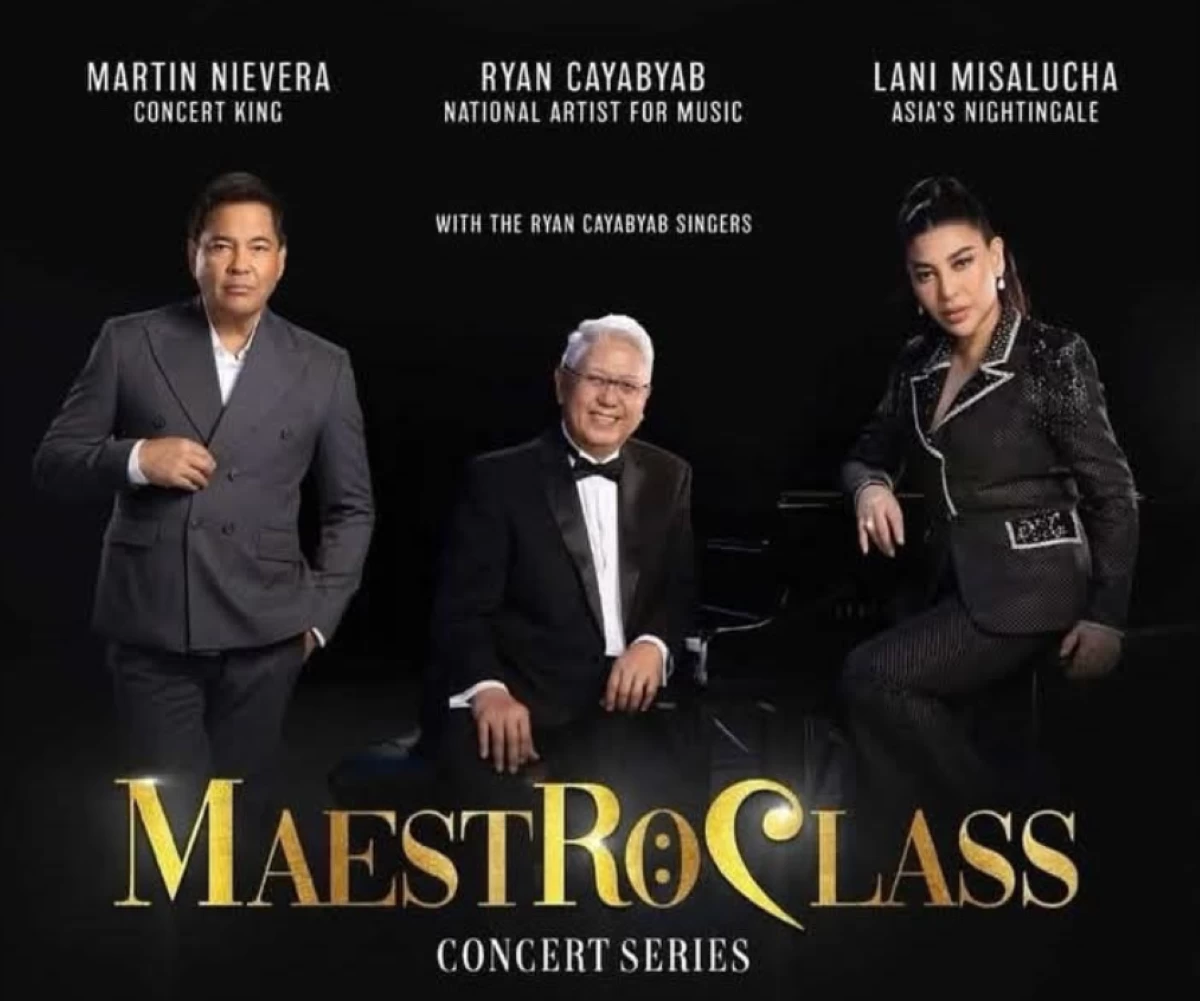
More than a performance, MaestroClass became a testament to Cayabyab’s enduring genius, his melodies, his mentorship, and his unmatched influence on generations of Filipino artists.
Held at the elegant Proscenium Theater, the first major concert staged in its acoustically calibrated 780-seat space, the event was immersive from the first note to the last. The venue’s natural acoustics, designed so that every nuance rings with clarity, gave Cayabyab’s music the sonic richness it deserves. The presence of Steinway pianos, permanently housed in a Philippine theater for the first time, elevated the experience even further. One of these instruments was played by Mr. C himself, making every moment feel intimate and monumental.
As the spotlight opened to Mr. C seated at the Steinway, the audience instantly felt the weight of history. His compositions, 'Kay Ganda ng Ating Musika', 'Tuwing Umuulan at Kapiling Ka', 'Paraisong Parisukat', 'Da Coconut Nut', and dozens more, formed the spine of the evening’s repertoire.
During rehearsals, Cayabyab expressed pure excitement for this project, praising the artists who joined him. He shared how Lani Misalucha brought 'fresh interpretations' to classics like 'Paraisong Parisukat' and 'Magbalik Ka Na Mahal', and how Martin Nievera’s rendition of 'Once Upon a Life' was 'impressive and meaningful'
These insights framed the concert, this was not a mere tribute to his past, but a reimagining of Cayabyab’s work through world-class voices.
Lani Misalucha’s presence was electrifying. Known for her crystalline tone and unparalleled technical mastery, she soared through the Maestro’s catalog with reverence and bold creativity. Her interpretation of 'Magbalik Ka Na Mahal' from the stage musical 'Rama at Sita' with Ariel Rivera, drew audible gasps, each note polished yet raw with emotion.
In her own words, performing with the Maestro was “a dream fulfilled,” especially as this marked their first time sharing a major concert stage together. Her performances were not just showcases of vocal power, they were tributes to a composer she deeply respects.
The Concert King brought depth and warmth to the evening, displaying not only his unmistakable showmanship but also his profound respect for Mr. C’s artistry. His rendition of 'Once Upon a Life', a piece Cayabyab personally praised, was one of the night’s most memorable numbers. Nievera later described the experience as “an honor and a nerve-wracking challenge,” acknowledging the immense legacy of the man whose music he was interpreting.
His chemistry with the Maestro and Lani created an atmosphere of camaraderie and excellence, a rare combination only true icons can achieve.
Adding harmonic richness throughout the evening were the Ryan Cayabyab Singers (RCS), a group personally selected and trained by Mr. C. Their precision, vocal blend, and versatility elevated ensemble numbers such as 'Kay Ganda ng Ating Musika' and 'Da Coconut Nut'. Longtime fans of Cayabyab know how integral the RCS are to his modern performances, and their presence here provided both depth and continuity to the musical journey.
Behind the seamless transitions, Rowell Santiago’s elegant concert direction gave the show cinematic pacing, and emotionally calibrated staging. This was the vision of Rowell Santiago, whose directorial sensibilities brought narrative and elegance to the show. Santiago shaped the concert as a flowing tapestry of stories, Cayabyab’s life, his music’s evolution, and the artists’ personal connections to his compositions.
Under his direction, the evening never felt like a mere series of songs, instead, it unfolded like a musical memoir.
MaestroClass was more than a concert, it was a moment of cultural affirmation. It celebrated the depth of OPM, the brilliance of a National Artist, and the continuing evolution of Filipino talent. Fans who attended left with the sense that they had witnessed something rare,
a gathering of icons in a venue built for musical excellence, performing masterpieces that define what it means to be Filipino.
As the Maestro’s final notes faded into the Proscenium’s immaculate acoustics, one truth remained clear... Ryan Cayabyab’s music will continue to resonate across voices, across generations, across the Filipino soul. (Contributed by Jemuel Cainglet Salterio)

Friday, November 14, 2025

The Key Conductor: Pierre Monteux

by 

French conductor Pierre Monteux (1875–1964) always seemed to be the right man at the right time. As a student of violin and viola at the Paris Conservatoire, his fellow students included George Enescu, Fritz Kreisler, and Alfred Cortot. Upon graduation, one of his first jobs was violist for the orchestra of the Folies Bergère (1889–1892), when the Folies had Toulouse-Lautrec doing their posters. He played in or conducted works by Camille Saint-SaënsSaint, including being a last-minute conductor for a performance of Saint-Saëns’s cantata La Lyre et la Harpe (the composer at the organ), earning Saint-Saëns’s undying gratitude.

Irwin D. Hoffmann: Pierre Monteux, 1959 (Boston Public Library)

Irwin D. Hoffmann: Pierre Monteux, 1959 (Boston Public Library)

In 1894, he was named both principal violist and assistant conductor of the Colonne Orchestra in Paris. The orchestra’s founder, Édouard Colonne, had known Berlioz and could work with Monteux on what the composer really wanted in a performance of his works. His next position was as chief conductor for the seasonal Dieppe Casino orchestra (while still maintaining his Colonne positions).

In 1910, the Colonne Orchestra played for the Ballets Russes season, and Monteux met Stravinsky for the first time. He played viola for the world premiere of The Firebird in 1910, and the next year led the rehearsals for the premiere of Petrushka. He ended up conducting the premiere as well, at the insistence of the composer.

Along with impressing Saint-Saëns and Stravinsky, he also caught the eye of Claude Debussy, particularly because of his ability to rehearse and present new music. When the Colonne Orchestra was giving the world premiere of Debussy’s Images pour orchestra, it was Monteux who led the orchestral rehearsals, and Debussy conducted the premiere (26 January 1913).


After the January premiere of Images, it was onto Debussy’s ballet Jeux and then, on 29 May 1913, the infamous premiere of The Rite of Spring and riot.

With the start of WWI, Monteux was conscripted into the French Army, but Diaghilev got him released to take the Ballets Russes on tour to North America. After the war, the Boston Symphony Orchestra approached Monteux to be their new chief conductor. He only lasted 5 years there, but changed the orchestra for the better, and handed it over to Serge Koussevitzky, who would be its music director for the next 25 years.

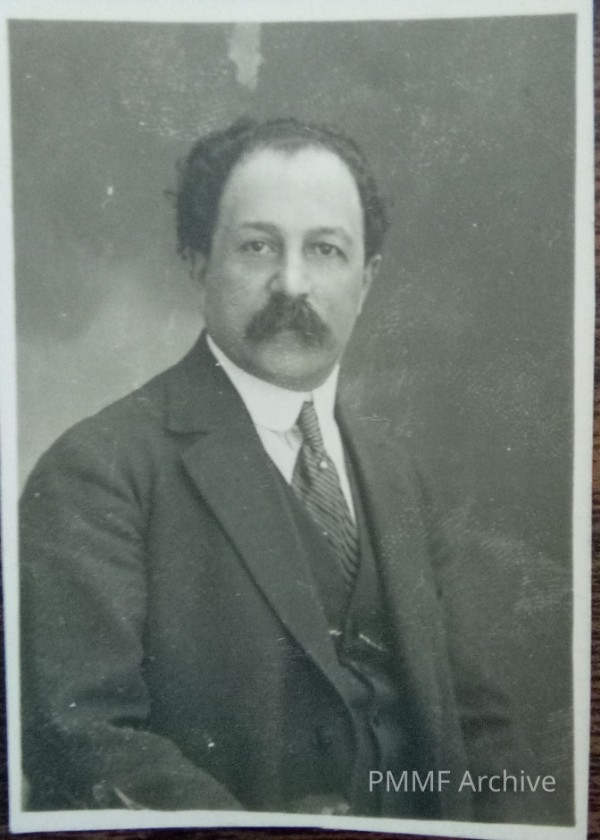
Pierre Monteux, 1924 (Pierre Monteux Memorial Foundation Archive)

Pierre Monteux, 1924 (Pierre Monteux Memorial Foundation Archive)

Monteux, in the meantime, went to Amsterdam, where he became the first conductor at the Concertgebouw, serving under Willem Mengelberg, the chief conductor. The other major work on this new recording is Stravinsky’s Symphony of Psalms, written in 1931 for the 50th anniversary of the Boston Symphony Orchestra. The influence of Bach on Stravinsky is palpable in the Symphony, particularly Bach’s St Matthew Passionwhich had been widely played all over Europe during the work’s bicentenary in 1927.

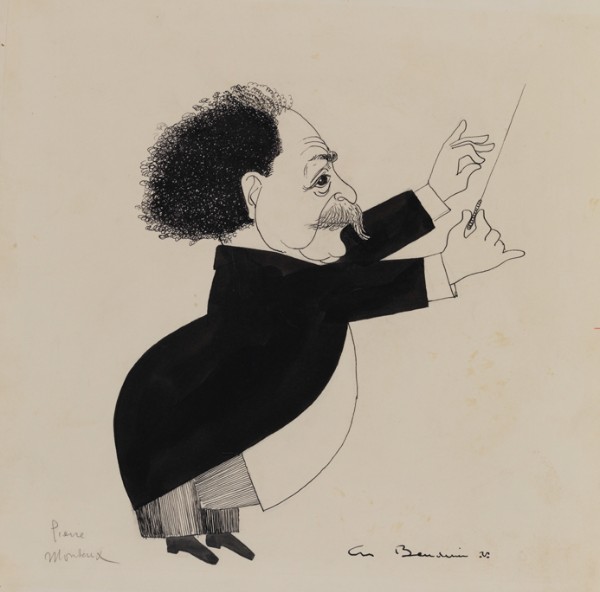
Alfred Bendiner: Pierre Monteux (1947) (Philadelphia Academy of Fine Arts, Gift of Mrs. Alfred Bendiner)

Alfred Bendiner: Pierre Monteux (1947) (Philadelphia Academy of Fine Arts, Gift of Mrs. Alfred Bendiner)

Taking up his conducting career at the cusp of the 20th century, Monteux took part in some of the most exciting and controversial happenings in music, from premieres of works by Saint-Saëns to the Parisian riots over Stravinsky’s Rite of Spring. He brought the Boston Symphony back to life and then went on to lead one of Europe’s great orchestras.

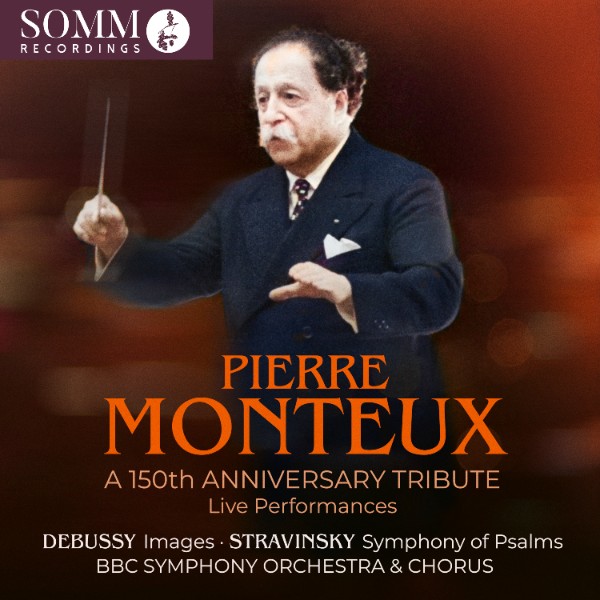
This 150th anniversary tribute to Pierre Monteux was recorded in 1961 as a live broadcast on the BBC Home Service. The BBC Symphony Orchestra and Chorus, as led by Monteux, give us the best of his repertoire in performances of works that couldn’t be further apart in style: Debussy’s orchestral Images, and Stravinsky’s Symphony of Psalms.

Pierre Monteux: 150th Anniversary Tribute: Live Performances album cover

Pierre Monteux: 150th Anniversary Tribute: Live Performances

BBC Symphony Orchestra and Chorus
SOMM Recordings ARIADNE 5042

Official Website

13 Facts You Didn’t Know About Fanny Mendelssohn

by Emily E. Hogstad

Most musicians don’t know a lot about Fanny Mendelssohn besides the fact that she was Felix’s uber-talented older sister. But she was a hugely important musical figure in her own right.

We look at thirteen facts you (probably) didn’t know about the life and career of Fanny Mendelssohn Hensel.

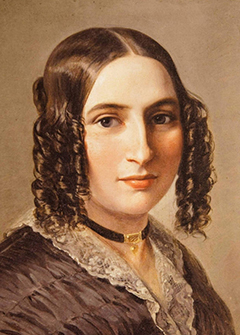
Fanny Mendelssohn © play-images.primephonic.com    4. She wrote her own music for her wedding the night before the ceremony. Felix had never gotten around to doing it for her, as he’d promised he’d do.

5. She named her son Sebastian Ludwig Felix Hensel after her three favorite composers: Bach, Beethoven…and her brother. Sebastian would be her only child.

Miriam’s Song of Praise by Wilhelm Hensel
Royal Collection Trust / © Her Majesty Queen Elizabeth II 2020

6. Wilhelm Hensel used her as a model for a famous painting depicting Miriam, a Biblical figure often used to represent the art of music. In 1838 Queen Victoria met Hensel, saw the painting, and commented on Miriam’s beauty. Hensel eventually presented the painting to the queen, and in return she gave the Hensels a diamond and emerald ring.

7. While Felix visited Queen Victoria, he had an awkward encounter with her, thanks to Fanny’s genius. Victoria singled out one of his songs for praise, and he was forced to admit that he hadn’t actually written it: Fanny had. Turns out that, unbeknownst to the public, Fanny had secretly published several works under Felix’s name!

8. Her 1829 Easter Sonata was also originally attributed to her brother. When the manuscript was discovered in 1970, scholars saw that it was signed “F. Mendelssohn” and automatically assumed it was a lost work of Felix’s. Later research revealed that it was, in fact, written by Fanny.    

9. She became famous for the musical events she held at her salons. If her gender was going to prohibit her from playing in public, she decided she’d bring the audience into her home.

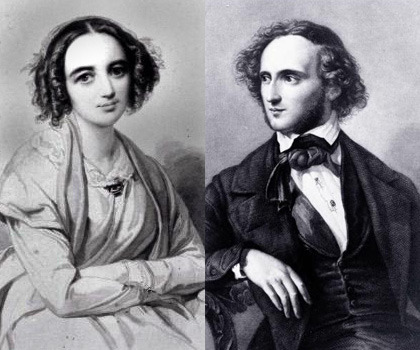
Fanny and Felix Mendelssohn

10. She was a conductor. One of the benefits of giving concerts in her home was that she could take on any musical role or responsibility she wanted. She once wrote to Felix, “Mother has certainly told you about the…orchestra on Saturday and how I stood up there with a baton in my hand… Had I not been so horribly shy, and embarrassed with every stroke, I would’ve been able to conduct reasonably well.”

11. At the age of 40 she finally decided to go against her brother’s wishes and to start publishing music under her own name. She wrote a fretful letter to Felix informing him of her plans: “Actually I wouldn’t expect you to read this rubbish now, busy as you are, if I didn’t have to tell you something. But since I know from the start that you won’t like it, it’s a bit awkward to get under way. So laugh at me or not, as you wish: I’m afraid of my brothers at age 40, as I was of Father at age 14… In a word, I’m beginning to publish.” Unfortunately, she didn’t have much time left.

12. Her final illness was sudden. On May 14, 1847, at the age of 41, Fanny assembled a chorus at her house to rehearse a piece by Felix. She was directing from the piano when she lost sensation in her hands. This had happened before, so she took a break and rubbed her fingers with vinegar to try to get the feeling in them back. She yelled from the other room as they sang, “How beautiful it sounds!” She then had a stroke, and she died before the day was over.

13. Felix was beyond devastated at her death. He became paranoid that he’d also die young from a stroke. And five months after Fanny’s death, that’s exactly what happened.

César Franck (Died on November 8, 1890) Rejected Gems of Precocity

by 

César Franck’s genius flowered astonishingly late. Until his 50s, he composed mostly sacred choral works, songs, and early orchestral essays that met with indifference. Public acclaim eluded him as even his 1841 Trio dedicated to Franz Liszt faded quickly.

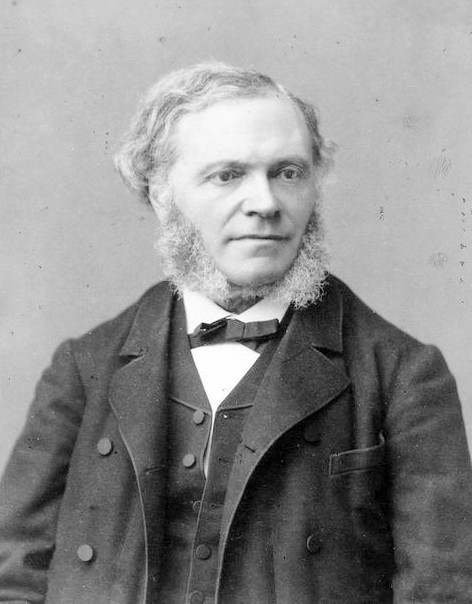
César Franck

César Franck

Yet from 1879 onward, a creative surge produced masterpieces that redefined French music. Just think of the passionate Piano Quintet, the vivid symphonic poem Le Chasseur maudit, the Symphonic Variations or the Prélude, Choral et Fugue.   

César Franck: Prélude, Choral et Fugue

Disowning his Youth

These works fused German structural depth with elegance, influencing RavelDebussy, and the entire École Franckiste. Yet, Franck remained a modest man, dying on 8 November 1890 after a street accident exacerbated pleurisy.

In his early years, however, Franck displayed an astonishing natural gift for the piano and composition. He was one of the most astonishing child prodigies ever, giving public concerts of dazzling difficulty, improvising with effortless invention, and composing works that revealed a striking command of harmony and form.

Franck assigned opus numbers to his juvenile works, but later in life, disowned them. To commemorate his passing on 8 November, why don’t we listen to some of these rejected gems of Franck’s early precocity.

Child Genius

César Franck

César Franck

Just imagine a twelve-year-old boy stepping onto a candle-lit stage in Liège, in 1834. César Franck launches into his own Premier Grand Concerto, Op. 2, with octaves thundering and themes pirouetting like circus acrobats.

The king sends him a gold medal, and critics hail him as “a second Mozart!” Yet the boy at the keyboard was already bored. He has just finished writing his second piano concerto before breakfast.

Relentlessly exploited by his father and reduced to a traveling cash register, Franck’s childhood was anything but ideal. Nicolas-Joseph Franck, a failed painter turned banker, saw in his elder son the jackpot every stage parent dreams of.

By eight, César was enrolled at the Liège Conservatory, sweeping medals in piano, harmony, and sight-singing. By eleven he gave his first public recital. By twelve he was on the road to Brussels and Antwerp billed as “The Prodigy Franck.”

César Arrives in Paris

Franz Liszt vs Sigismond Thalberg

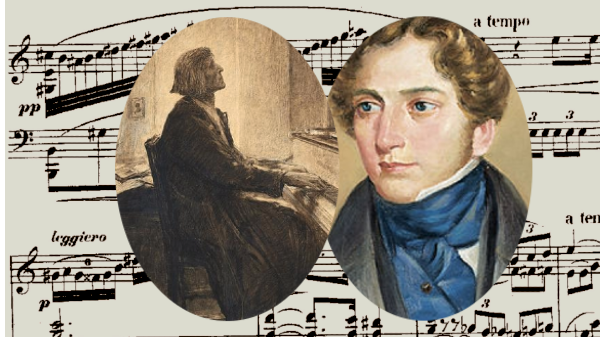
Franz Liszt and Sigismond Thalberg

Predictably, it was time to look towards Paris, a city that in the 1830s was a circus of virtuosos. Liszt made pianos weep and Thalberg made them sparkle. Into this dazzling arena Nicolas-Joseph Franck dragged his sons, renting cramped rooms in the bohemian ninth arrondissement.

César, thirteen, played for Anton ReichaBeethoven’s friend, and the Conservatoire’s gatekeeper of genius. The boy sight-read a Bach fugue, then improvised another, yet the doors of the Conservatoire remained closed as foreigners could not be admitted.

Nicolas-Joseph, undeterred, secured French citizenship papers with remarkable speed, and on 4 October 1837, the fifteen-year-old César Franck strode through the gates as a newly minted Frenchman.

Quiet Conquest

César Franck

César Franck

What followed was five years of quiet conquest. One by one, the Conservatoire’s highest honours fell before him. 1er Prix de Piano (1838, age fifteen), 1er Prix de Contrepoint (1839), 1er Prix de Fugue (1840, age seventeen), 2ème Prix d’Orgue (1841), and the Grand Prix d’Honneur for transposing a fiendish sonata down a minor third at sight.

When examiners challenged him to improvise a fugue on a theme by Cherubini, he produced a double fugue so brilliant that the aging composer himself, seated in the audience, was speechless.

Another wonderful anecdote survives. In 1838, examiners asked the boy to harmonize a plainchant on the spot. He delivered four versions, with harmonies by Bach, Palestrina, Beethoven, and himself.

The Cash-Cow Variations

Between 1834 and 1837, César Franck produced twenty publishable piano works, gave each an opus number, and watched his father turn them into cash. These pieces in the brilliant style sound like a time capsule of 1830s Paris.

We find the cash cow of the decade in his “Variations brillantes.” Take a hit tune, spin six variations, and finish with a polonaise. Here, young Franck was guided by models of Herz, Hünten, and the young Thalberg.

We also find free-form roller-coasters in his “Grandes Fantaisies.” Generally, it starts with a slow introduction, followed by a borrowed tune that gets dramatically developed, all finishing with a flashy coda. This is the stuff that made Franz Liszt famous.

Two Concertos, One Bonfire

César Franck's Piano Concerto No. 2

César Franck’s Piano Concerto No. 2

Two full-scale concertos crowned the early Franck catalogue. The first, premiered when César was twelve, vanished into his own fireplace a decade later. Not a single page survived the adult composer’s wrath.

A single sentence in Robert Stove’s biography explains the purge. “Franck personally destroyed the manuscript of his First Concerto, determined that no trace of his father’s greed should embarrass his adult reputation.”

The second, a twenty-five-minute B-minor juggernaut of pure teenage thunder miraculously escaped the flames. It was printed in 1836, but the score lay forgotten until it was dusted off in 1984.

The Exile that Forged a New Composer

In 1842, Nicolas-Joseph Franck stormed out of Paris with his family in tow. The press had turned savage, and Henri Blanchard, chief critic of the Revue et Gazette musicale, mocked the father’s “imperial” names for his sons and called the endless family concerts “aggressive commerce.”

One review actually ended with the line “Enough of the Francks!” Nicolas-Joseph yanked César from the Conservatoire mid-semester and brought the family back to Belgium for a fresh virtuoso tour.

Thankfully, the excursion only lasted eighteen months, and by the spring of 1844, the family was back in Paris. However, César had had enough. He had fallen in love with his piano student Félicité Desmousseaux, an actress from a “scandalous” theatre family.

Two years later, César walked out for good and married Félicité amid revolution barricades. He never spoke to his father again, and the break freed him from the virtuoso circus. That’s when the cathedral composer was born.


Inventing Tomorrow

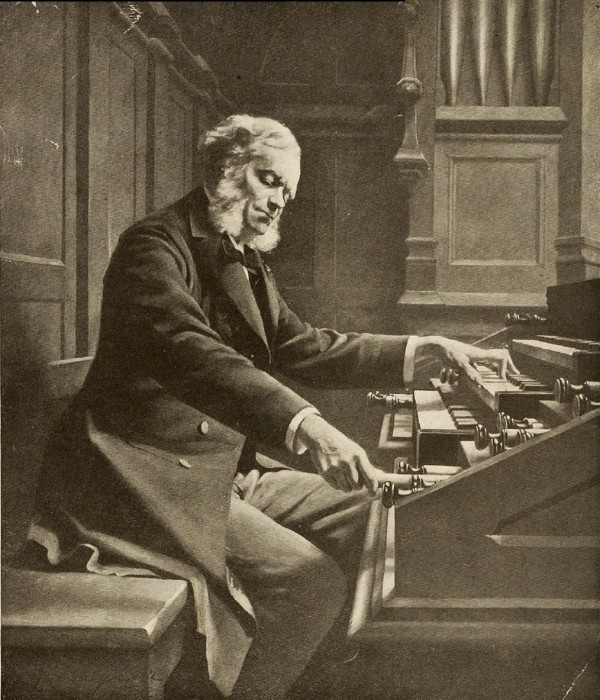
César Franck at the organ

César Franck at the organ

Of the twenty glittering receipts his father forced into print, only one escaped the adult Franck’s censure, the Première Grande Fantaisie, Op. 12. He played it in recitals as late as the 1880s.

Why should this have been the lone survivor? It’s rather obvious, really, because beneath the Hummel octaves and Chopin-scented trills, the fourteen-year-old boy had already invented tomorrow.

In measure 27, a four-note motif rises in the left hand, is answered by the right, and then vanishes into a storm of arpeggios. 200 measures later, it returns in the coda, now transfigured, radiant, and binding the whole fantasy together.

The young boy had discovered cyclic form, and he never let it go. That technique and trademark would later bind the D-minor Symphony and loop the Prélude, Choral et Fugue. In fact, every late masterpiece was born between a trill and a polonaise.

Can Sound Be Felt or Seen? How Do Deaf People Experience Music?

by  Joanna Latala 

Music is often thought of as an art form that exists primarily through sound, but for deaf and hard-of-hearing individuals, music is not necessarily beyond reach. Instead of being heard in the traditional sense, music can be felt through vibrations, seen through visual representations, and even experienced emotionally in profound ways. How do deaf individuals engage with music, and what innovations allow them to access its beauty? Let’s explore the ways in which music transcends sound.

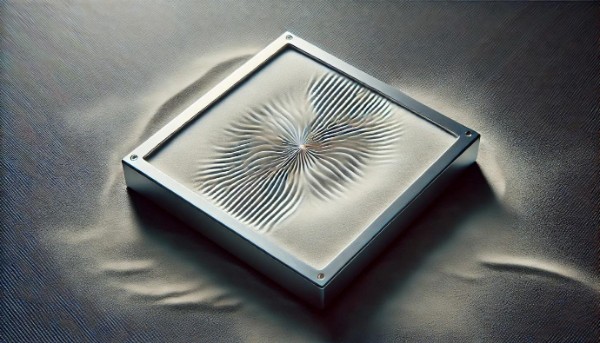
visualization of sound  

Feeling Music: Experiencing Sound Through Vibrations

One of the most common ways that deaf individuals experience music is through vibrations. Sound waves create physical movements in the air, and these vibrations can be felt through the skin, bones, and body. Here’s how:

  • Bone Conduction – The inner ear can pick up vibrations transmitted through bones, a technique that some deaf musicians and listeners use to “hear” music in a tactile way.
  • Vibrational Devices – Special speakers, vests, and platforms amplify low-frequency sounds, allowing deaf individuals to physically feel the rhythm and intensity of the music.
  • Subwoofers and Bass Frequencies – Many deaf concertgoers stand close to speakers or place their hands on instruments to feel the bass and percussion elements of a song.

Famous deaf composer Ludwig van Beethoven reportedly discovered this method, pressing his ear against his piano to feel the vibrations as he composed.   

 Can Sound Be Visual?

Synesthesia

© evolving-science.com

For some individuals, music is not just something that can be felt—it can also be seen through visual representations and sensory experiences. Several ways allow people to perceive music beyond sound:

  • Synesthesia – Some people experience a neurological phenomenon where they “see” music as colours, patterns, or movements. Certain artists and composers, such as Wassily Kandinsky, claimed to perceive sound visually.
  • Sound Visualisation Technology – Spectrograms, oscilloscopes, and LED displays convert sound waves into moving images, helping people visually interpret different frequencies and rhythms.
  • Sign Language Interpretation – Deaf performers use expressive sign language to convey the emotion and meaning behind lyrics and melodies, offering a visual equivalent of musical storytelling.   Play

 Music Accessibility for the Deaf Community

Advancements in technology and creative initiatives have made music more accessible for the deaf and hard-of-hearing. Some groundbreaking efforts include:

  • Vibrating Concert Venues – Events designed specifically for the deaf, such as deaf raves, incorporate vibrating floors, wearable bass vests, and synchronised light shows.
  • Haptic Wearables – Devices like SubPac and Music: Not Impossible translate music into tactile sensations across the body, allowing users to “feel” music in an immersive way.
  • ASL Music Performances – Artists like Sean Forbes and Signmark, who are deaf rappers, bring music to the deaf community by performing in sign language while incorporating rhythm and expression.

Final Thoughts –  Music Beyond Sound

Music is not just an auditory experience—it is a multisensory art form that can be felt, seen, and expressed in various ways. Whether through vibrations, visual interpretations, or innovative technology, the deaf community continues to engage with and contribute to the world of music. These alternative ways of experiencing sound challenge the idea that music is solely for those who can hear, proving that music is truly universal.