Total Pageviews

Thursday, March 26, 2026

𝐑𝐢𝐜𝐜𝐚𝐫𝐝𝐨 𝐌𝐮𝐭𝐢: 𝐓𝐡𝐞 𝐌𝐚𝐞𝐬𝐭𝐫𝐨 𝐖𝐡𝐨 𝐓𝐮𝐫𝐧𝐞𝐝 𝐃𝐢𝐬𝐜𝐢𝐩𝐥𝐢𝐧𝐞 𝐈𝐧𝐭𝐨 𝐅𝐢𝐫𝐞 𝐚𝐧𝐝 𝐌𝐚𝐝𝐞 𝐎𝐩𝐞𝐫𝐚 𝐒𝐩𝐞𝐚𝐤 𝐖𝐢𝐭𝐡 𝐌𝐨𝐫𝐚𝐥 𝐅𝐨𝐫𝐜𝐞


𝐑𝐢𝐜𝐜𝐚𝐫𝐝𝐨 𝐌𝐮𝐭𝐢: 𝐓𝐡𝐞 𝐌𝐚𝐞𝐬𝐭𝐫𝐨 𝐖𝐡𝐨 𝐓𝐮𝐫𝐧𝐞𝐝 𝐃𝐢𝐬𝐜𝐢𝐩𝐥𝐢𝐧𝐞 𝐈𝐧𝐭𝐨 𝐅𝐢𝐫𝐞 𝐚𝐧𝐝 𝐌𝐚𝐝𝐞 𝐎𝐩𝐞𝐫𝐚 𝐒𝐩𝐞𝐚𝐤 𝐖𝐢𝐭𝐡 𝐌𝐨𝐫𝐚𝐥 𝐅𝐨𝐫𝐜𝐞

There are conductors whose careers are defined by prestige, and there are others whose greatness comes from a rarer combination of 𝐚𝐮𝐭𝐡𝐨𝐫𝐢𝐭𝐲, 𝐬𝐭𝐲𝐥𝐞, 𝐫𝐞𝐩𝐞𝐫𝐭𝐨𝐫𝐢𝐚𝐥 𝐜𝐨𝐧𝐬𝐜𝐢𝐞𝐧𝐜𝐞, and 𝐮𝐧𝐜𝐨𝐦𝐩𝐫𝐨𝐦𝐢𝐬𝐢𝐧𝐠 𝐦𝐮𝐬𝐢𝐜𝐢𝐚𝐧𝐬𝐡𝐢𝐩. 𝐑𝐢𝐜𝐜𝐚𝐫𝐝𝐨 𝐌𝐮𝐭𝐢 belongs unmistakably to that second order. He was born in 𝐍𝐚𝐩𝐥𝐞𝐬 𝐨𝐧 𝟐𝟖 𝐉𝐮𝐥𝐲 𝟏𝟗𝟒𝟏, studied at the Conservatory of San Pietro a Majella in Naples and later at the Giuseppe Verdi Conservatory in Milan, won the 𝐆𝐮𝐢𝐝𝐨 𝐂𝐚𝐧𝐭𝐞𝐥𝐥𝐢 𝐂𝐨𝐦𝐩𝐞𝐭𝐢𝐭𝐢𝐨𝐧 in 1967, and went on to hold major posts in Florence, London, Philadelphia, Milan, Salzburg, and Chicago. From 2010 to 2023 he served as 𝐌𝐮𝐬𝐢𝐜 𝐃𝐢𝐫𝐞𝐜𝐭𝐨𝐫 of the 𝐂𝐡𝐢𝐜𝐚𝐠𝐨 𝐒𝐲𝐦𝐩𝐡𝐨𝐧𝐲 𝐎𝐫𝐜𝐡𝐞𝐬𝐭𝐫𝐚, and since 2023 he has held the title 𝐌𝐮𝐬𝐢𝐜 𝐃𝐢𝐫𝐞𝐜𝐭𝐨𝐫 𝐄𝐦𝐞𝐫𝐢𝐭𝐮𝐬 𝐟𝐨𝐫 𝐋𝐢𝐟𝐞 there. He is also closely associated with the 𝐎𝐫𝐜𝐡𝐞𝐬𝐭𝐫𝐚 𝐆𝐢𝐨𝐯𝐚𝐧𝐢𝐥𝐞 𝐋𝐮𝐢𝐠𝐢 𝐂𝐡𝐞𝐫𝐮𝐛𝐢𝐧𝐢, which he founded in 2004.

What makes Muti especially fascinating is that his public image has always combined two things that do not often coexist so powerfully: 𝐚𝐫𝐢𝐬𝐭𝐨𝐜𝐫𝐚𝐭𝐢𝐜 𝐜𝐨𝐧𝐭𝐫𝐨𝐥 and 𝐢𝐧𝐧𝐞𝐫 𝐟𝐢𝐫𝐞. He has long been regarded as one of the great Verdian conductors of modern times, but his career has never been limited to Verdi alone. It extends from Mozart and Cherubini to Beethoven, Schubert, Bruckner, Tchaikovsky, and major 20th-century repertory, always filtered through a style that prizes line, rhythm, clarity, and dramatic truth. Even official and institutional biographies emphasize not only his positions, but the sense of mission that runs through them: the defense of Italian operatic culture, the revival of neglected repertoire, and the training of younger musicians.

𝐂𝐡𝐢𝐥𝐝𝐡𝐨𝐨𝐝 𝐚𝐧𝐝 𝐅𝐨𝐫𝐦𝐚𝐭𝐢𝐨𝐧: 𝐍𝐚𝐩𝐥𝐞𝐬, 𝐌𝐨𝐥𝐟𝐞𝐭𝐭𝐚, 𝐚𝐧𝐝 𝐭𝐡𝐞 𝐒𝐜𝐡𝐨𝐨𝐥𝐢𝐧𝐠 𝐨𝐟 𝐚 𝐒𝐞𝐫𝐢𝐨𝐮𝐬 𝐌𝐮𝐬𝐢𝐜𝐢𝐚𝐧

Although born in Naples, Muti’s early memories and family roots are also connected with 𝐌𝐨𝐥𝐟𝐞𝐭𝐭𝐚, in Apulia, a place he has repeatedly recalled with affection in later life. His formal training began in Naples at 𝐒𝐚𝐧 𝐏𝐢𝐞𝐭𝐫𝐨 𝐚 𝐌𝐚𝐣𝐞𝐥𝐥𝐚, where he studied piano, and then continued in Milan, where he studied conducting and composition at the Giuseppe Verdi Conservatory. His own official biography also highlights the importance of 𝐍𝐢𝐧𝐨 𝐑𝐨𝐭𝐚 as a mentor figure in his musical formation. This background matters enormously, because Muti did not emerge as a merely instinctive podium talent. He was formed through the old Italian path of conservatory rigor, compositional seriousness, and profound respect for craft.

That seriousness remained one of the constants of his art. He has never projected the image of a casual genius who simply waves a baton and produces results. Even when the results seem spontaneous, they rest on preparation, structural thought, and an almost moral insistence on exactitude. 𝐌𝐮𝐭𝐢 𝐰𝐚𝐬 𝐟𝐨𝐫𝐦𝐞𝐝 𝐧𝐨𝐭 𝐚𝐬 𝐚 𝐬𝐡𝐨𝐰𝐦𝐚𝐧, 𝐛𝐮𝐭 𝐚𝐬 𝐚 𝐦𝐮𝐬𝐢𝐜𝐢𝐚𝐧 𝐰𝐡𝐨 𝐛𝐞𝐥𝐢𝐞𝐯𝐞𝐝 𝐭𝐡𝐚𝐭 𝐚𝐮𝐭𝐡𝐨𝐫𝐢𝐭𝐲 𝐡𝐚𝐝 𝐭𝐨 𝐛𝐞 𝐞𝐚𝐫𝐧𝐞𝐝.

𝐓𝐡𝐞 𝐂𝐚𝐧𝐭𝐞𝐥𝐥𝐢 𝐕𝐢𝐜𝐭𝐨𝐫𝐲 𝐚𝐧𝐝 𝐭𝐡𝐞 𝐅𝐢𝐫𝐬𝐭 𝐆𝐫𝐞𝐚𝐭 𝐋𝐞𝐚𝐩

The decisive early public breakthrough came in 1967, when Muti won first prize by unanimous vote at the 𝐆𝐮𝐢𝐝𝐨 𝐂𝐚𝐧𝐭𝐞𝐥𝐥𝐢 𝐂𝐨𝐦𝐩𝐞𝐭𝐢𝐭𝐢𝐨𝐧 in Milan. That victory immediately changed his trajectory. It marked him out not just as a promising young conductor, but as a figure worthy of major institutional trust. The very next phase of his career confirmed that judgment: in 1968 he became principal conductor of the 𝐌𝐚𝐠𝐠𝐢𝐨 𝐌𝐮𝐬𝐢𝐜𝐚𝐥𝐞 𝐅𝐢𝐨𝐫𝐞𝐧𝐭𝐢𝐧𝐨, a post he held until 1980.

This Florentine chapter was crucial because it established Muti as more than a prizewinner. Florence gave him a real operatic and symphonic base, and it connected him to one of Italy’s great musical institutions. It was there that he first developed the profile of a conductor who could unite Italian dramatic instinct with a stricter, more structural command than many expected from the operatic tradition. 𝐅𝐥𝐨𝐫𝐞𝐧𝐜𝐞 𝐰𝐚𝐬 𝐧𝐨𝐭 𝐣𝐮𝐬𝐭 𝐚 𝐩𝐫𝐨𝐦𝐨𝐭𝐢𝐨𝐧; 𝐢𝐭 𝐰𝐚𝐬 𝐭𝐡𝐞 𝐟𝐢𝐫𝐬𝐭 𝐫𝐞𝐚𝐥 𝐬𝐭𝐚𝐠𝐞 𝐨𝐧 𝐰𝐡𝐢𝐜𝐡 𝐡𝐢𝐬 𝐟𝐮𝐥𝐥 𝐦𝐮𝐬𝐢𝐜𝐢𝐚𝐧𝐬𝐡𝐢𝐩 𝐛𝐞𝐠𝐚𝐧 𝐭𝐨 𝐛𝐞 𝐯𝐢𝐬𝐢𝐛𝐥𝐞.

𝐋𝐨𝐧𝐝𝐨𝐧: 𝐓𝐡𝐞 𝐏𝐡𝐢𝐥𝐡𝐚𝐫𝐦𝐨𝐧𝐢𝐚 𝐘𝐞𝐚𝐫𝐬

In 1973 Muti succeeded 𝐎𝐭𝐭𝐨 𝐊𝐥𝐞𝐦𝐩𝐞𝐫𝐞𝐫 as principal conductor of the 𝐏𝐡𝐢𝐥𝐡𝐚𝐫𝐦𝐨𝐧𝐢𝐚 𝐎𝐫𝐜𝐡𝐞𝐬𝐭𝐫𝐚 in London, remaining principal conductor until 1979 and then music director until 1982. This was a major symbolic transfer of authority. Klemperer’s shadow was immense, and to step into that position required more than talent. It required seriousness, command, and the ability to stand within a great Central European tradition without being swallowed by it. Britannica’s summary gives these dates plainly, and they remain one of the key foundations of Muti’s international stature.

The Philharmonia period deepened his relationship with the Austro-German symphonic repertoire while sharpening his public profile outside Italy. It also contributed powerfully to the image of Muti as an 𝐢𝐧𝐭𝐞𝐫𝐧𝐚𝐭𝐢𝐨𝐧𝐚𝐥 𝐦𝐚𝐞𝐬𝐭𝐫𝐨 who remained unmistakably Italian. He did not become a pale imitator of Germanic weight; rather, he brought rhythmic precision, lucid phrasing, and dramatic tautness into music that could otherwise become ponderous. 𝐄𝐯𝐞𝐧 𝐰𝐡𝐞𝐧 𝐡𝐞 𝐜𝐨𝐧𝐝𝐮𝐜𝐭𝐞𝐝 𝐛𝐞𝐲𝐨𝐧𝐝 𝐈𝐭𝐚𝐥𝐢𝐚𝐧 𝐫𝐞𝐩𝐞𝐫𝐭𝐨𝐫𝐲, 𝐡𝐞 𝐫𝐞𝐦𝐚𝐢𝐧𝐞𝐝 𝐚 𝐦𝐚𝐞𝐬𝐭𝐫𝐨 𝐨𝐟 𝐥𝐢𝐧𝐞 𝐚𝐧𝐝 𝐝𝐫𝐚𝐦𝐚𝐭𝐢𝐜 𝐩𝐮𝐥𝐬𝐞.

𝐏𝐡𝐢𝐥𝐚𝐝𝐞𝐥𝐩𝐡𝐢𝐚: 𝐀𝐦𝐞𝐫𝐢𝐜𝐚𝐧 𝐀𝐮𝐭𝐡𝐨𝐫𝐢𝐭𝐲 𝐚𝐧𝐝 𝐎𝐫𝐜𝐡𝐞𝐬𝐭𝐫𝐚𝐥 𝐏𝐫𝐞𝐬𝐭𝐢𝐠𝐞

Muti became principal guest conductor of the 𝐏𝐡𝐢𝐥𝐚𝐝𝐞𝐥𝐩𝐡𝐢𝐚 𝐎𝐫𝐜𝐡𝐞𝐬𝐭𝐫𝐚 in 1977 and then music director from 1980 to 1992. This was the phase that established him as a dominant presence in American orchestral life long before Chicago. Britannica and standard summaries agree on these dates, and the discographic legacy of the period includes major cycles and recordings of Beethoven, Brahms, Tchaikovsky, Prokofiev, Scriabin, and others.

Philadelphia mattered because it gave Muti a large American platform at the height of the modern recording era. It also showed that he could command not only opera houses and European orchestras, but one of America’s great ensembles. Yet this period also contributed to his image as a demanding and exacting conductor. He was admired for results, not for easy sentiment. 𝐌𝐮𝐭𝐢 𝐢𝐧 𝐏𝐡𝐢𝐥𝐚𝐝𝐞𝐥𝐩𝐡𝐢𝐚 𝐜𝐨𝐧𝐟𝐢𝐫𝐦𝐞𝐝 𝐭𝐡𝐚𝐭 𝐡𝐞 𝐜𝐨𝐮𝐥𝐝 𝐢𝐦𝐩𝐨𝐬𝐞 𝐚𝐧 𝐚𝐫𝐭𝐢𝐬𝐭𝐢𝐜 𝐰𝐢𝐥𝐥 𝐨𝐧 𝐚𝐧𝐲 𝐦𝐚𝐣𝐨𝐫 𝐨𝐫𝐜𝐡𝐞𝐬𝐭𝐫𝐚 𝐢𝐧 𝐭𝐡𝐞 𝐰𝐨𝐫𝐥𝐝.

𝐋𝐚 𝐒𝐜𝐚𝐥𝐚: 𝐓𝐡𝐞 𝐈𝐭𝐚𝐥𝐢𝐚𝐧 𝐂𝐞𝐧𝐭𝐞𝐫 𝐨𝐟 𝐇𝐢𝐬 𝐋𝐞𝐠𝐚𝐜𝐲

If any one operatic institution stands at the center of Muti’s historical image, it is 𝐓𝐞𝐚𝐭𝐫𝐨 𝐚𝐥𝐥𝐚 𝐒𝐜𝐚𝐥𝐚. Britannica summarizes that he served as music director there from 1986 to 2005, one of the most important and controversial chapters of his life. At La Scala he became not only a conductor of prestige but a central arbiter of Italian operatic standards. His years there were marked by high musical achievement, major productions, repertorial seriousness, and also by institutional tensions that eventually led to his departure.

This chapter is crucial because it brought out Muti’s deepest artistic convictions. He was never content with lazy tradition, approximate style, or routine performance habits merely because they were accepted. At La Scala he sought textual fidelity, rhythmic rigor, and theatrical truth, especially in 𝐕𝐞𝐫𝐝𝐢, 𝐌𝐨𝐳𝐚𝐫𝐭, 𝐂𝐡𝐞𝐫𝐮𝐛𝐢𝐧𝐢, and early Italian repertoire. He also championed works outside the most overplayed core, exploring repertories that many institutions neglected. 𝐀𝐭 𝐋𝐚 𝐒𝐜𝐚𝐥𝐚, 𝐌𝐮𝐭𝐢 𝐝𝐢𝐝 𝐧𝐨𝐭 𝐣𝐮𝐬𝐭 𝐩𝐫𝐞𝐬𝐞𝐫𝐯𝐞 𝐭𝐫𝐚𝐝𝐢𝐭𝐢𝐨𝐧; 𝐡𝐞 𝐭𝐫𝐢𝐞𝐝 𝐭𝐨 𝐩𝐮𝐫𝐢𝐟𝐲 𝐢𝐭.

One of the striking characteristics of his La Scala period is that it intensified both admiration and opposition. Great authority often does that. He was not universally easy, but he was never artistically casual. That tension—between exacting standards and institutional politics—is part of what makes his biography compelling rather than merely decorative.

𝐒𝐚𝐥𝐳𝐛𝐮𝐫𝐠, 𝐕𝐢𝐞𝐧𝐧𝐚, 𝐚𝐧𝐝 𝐭𝐡𝐞 𝐀𝐮𝐬𝐭𝐫𝐢𝐚𝐧 𝐃𝐢𝐦𝐞𝐧𝐬𝐢𝐨𝐧

Muti first conducted at the 𝐒𝐚𝐥𝐳𝐛𝐮𝐫𝐠 𝐅𝐞𝐬𝐭𝐢𝐯𝐚𝐥 in 1971 and became one of its recurring major conductors over the decades. His official biography notes that 2020 marked fifty years of artistic collaboration with Salzburg. He later became artistic director of the 𝐒𝐚𝐥𝐳𝐛𝐮𝐫𝐠 𝐖𝐡𝐢𝐭𝐬𝐮𝐧 𝐅𝐞𝐬𝐭𝐢𝐯𝐚𝐥 from 2007 to 2011, where he pursued projects devoted especially to the rediscovery of operatic and sacred music of the 18th-century Neapolitan School, often with the Luigi Cherubini Youth Orchestra.

His relationship with the 𝐕𝐢𝐞𝐧𝐧𝐚 𝐏𝐡𝐢𝐥𝐡𝐚𝐫𝐦𝐨𝐧𝐢𝐜 also became central to his profile. He conducted at Salzburg repeatedly with the orchestra and, after Karajan’s death, took over the important 15 August concert long associated with Karajan and Vienna. This did not make him Karajan’s successor in any formal institutional sense, but it underlined the degree to which he had become one of the most trusted custodians of the Austro-Italian symphonic and operatic heritage in the German-speaking world.

𝐂𝐡𝐢𝐜𝐚𝐠𝐨: 𝐋𝐚𝐭𝐞 𝐌𝐚𝐣𝐞𝐬𝐭𝐲 𝐚𝐧𝐝 𝐌𝐨𝐫𝐚𝐥 𝐀𝐮𝐭𝐡𝐨𝐫𝐢𝐭𝐲

From September 2010 to June 2023, Muti served as 𝐌𝐮𝐬𝐢𝐜 𝐃𝐢𝐫𝐞𝐜𝐭𝐨𝐫 of the 𝐂𝐡𝐢𝐜𝐚𝐠𝐨 𝐒𝐲𝐦𝐩𝐡𝐨𝐧𝐲 𝐎𝐫𝐜𝐡𝐞𝐬𝐭𝐫𝐚. The CSO’s own biography states this plainly and confirms that he was named 𝐌𝐮𝐬𝐢𝐜 𝐃𝐢𝐫𝐞𝐜𝐭𝐨𝐫 𝐄𝐦𝐞𝐫𝐢𝐭𝐮𝐬 𝐟𝐨𝐫 𝐋𝐢𝐟𝐞 beginning with the 2023–24 season. His continued appearances with the orchestra in 2025 and planned residencies in 2026 show that this relationship remains active and honored, not merely historical.

The Chicago years added something important to his public image: late-career gravity without artistic decline. Rather than becoming a merely ceremonial elder, Muti remained central, active, and musically serious. Chicago gave him an orchestra with enormous power and discipline, and he used it not only for standard symphonic repertoire but also for Italian opera-in-concert, sacred works, and culturally framed programs linked to his deepest convictions. 𝐈𝐧 𝐂𝐡𝐢𝐜𝐚𝐠𝐨, 𝐡𝐞 𝐝𝐢𝐝 𝐧𝐨𝐭 𝐫𝐞𝐩𝐞𝐚𝐭 𝐡𝐢𝐦𝐬𝐞𝐥𝐟; 𝐡𝐞 𝐜𝐨𝐧𝐟𝐢𝐫𝐦𝐞𝐝 𝐡𝐢𝐦𝐬𝐞𝐥𝐟.

𝐓𝐡𝐞 𝐋𝐮𝐢𝐠𝐢 𝐂𝐡𝐞𝐫𝐮𝐛𝐢𝐧𝐢 𝐘𝐨𝐮𝐭𝐡 𝐎𝐫𝐜𝐡𝐞𝐬𝐭𝐫𝐚: 𝐓𝐞𝐚𝐜𝐡𝐢𝐧𝐠 𝐚𝐧𝐝 𝐓𝐫𝐚𝐧𝐬𝐦𝐢𝐬𝐬𝐢𝐨𝐧

One of the most admirable aspects of Muti’s later life is his work with the 𝐎𝐫𝐜𝐡𝐞𝐬𝐭𝐫𝐚 𝐆𝐢𝐨𝐯𝐚𝐧𝐢𝐥𝐞 𝐋𝐮𝐢𝐠𝐢 𝐂𝐡𝐞𝐫𝐮𝐛𝐢𝐧𝐢, founded in 2004. The orchestra’s official biography states that Muti founded it to unite a strong Italian identity with a broader European vision of music and culture. This is not a decorative side project. It goes to the heart of his sense of mission: that musical tradition must be transmitted actively, rigorously, and generously.

This teaching and mentoring dimension completes the portrait beautifully. Muti has always projected authority, but with the Cherubini Orchestra he also appears as a guardian of continuity, a conductor who knows that institutions alone do not preserve culture unless younger musicians are formed in depth. 𝐇𝐞 𝐢𝐬 𝐧𝐨𝐭 𝐨𝐧𝐥𝐲 𝐚 𝐦𝐚𝐞𝐬𝐭𝐫𝐨 𝐨𝐟 𝐚𝐜𝐡𝐢𝐞𝐯𝐞𝐦𝐞𝐧𝐭, 𝐛𝐮𝐭 𝐚 𝐦𝐚𝐞𝐬𝐭𝐫𝐨 𝐨𝐟 𝐭𝐫𝐚𝐧𝐬𝐦𝐢𝐬𝐬𝐢𝐨𝐧.

𝐓𝐡𝐞 𝐌𝐮𝐭𝐢 𝐒𝐭𝐲𝐥𝐞: 𝐑𝐡𝐲𝐭𝐡𝐦, 𝐋𝐢𝐧𝐞, 𝐀𝐮𝐭𝐡𝐨𝐫𝐢𝐭𝐲

What, finally, defines Muti as a conductor? The most consistent answers are 𝐫𝐡𝐲𝐭𝐡𝐦𝐢𝐜 𝐭𝐞𝐧𝐬𝐢𝐨𝐧, 𝐩𝐡𝐫𝐚𝐬𝐢𝐧𝐠 𝐝𝐢𝐬𝐜𝐢𝐩𝐥𝐢𝐧𝐞, 𝐭𝐞𝐱𝐭𝐮𝐫𝐚𝐥 𝐜𝐥𝐚𝐫𝐢𝐭𝐲, and a refusal of indulgence. He does not generally court lush vagueness or generalized emotional fog. Even in highly charged repertoire, he prefers line to blur, architecture to inflation, and dramatic truth to sentimentality. This is one reason he is so often called a supreme Verdian: he understands that Verdi’s power depends not on noise or excess, but on pulse, proportion, and vocal-dramatic inevitability.

He is also a conductor of unusual moral seriousness in public life. One famous example came in Rome in 2011, when after “Va, pensiero” from 𝐍𝐚𝐛𝐮𝐜𝐜𝐨 he spoke against cuts to culture and invited the audience into an encore, saying that killing culture in a country like Italy was a crime against society. Whatever one thinks of the theatricality of the moment, it perfectly fits the larger Muti profile: 𝐡𝐞 𝐡𝐚𝐬 𝐥𝐨𝐧𝐠 𝐬𝐩𝐨𝐤𝐞𝐧 𝐚𝐬 𝐢𝐟 𝐦𝐮𝐬𝐢𝐜 𝐰𝐞𝐫𝐞 𝐧𝐨𝐭 𝐚 𝐥𝐮𝐱𝐮𝐫𝐲, 𝐛𝐮𝐭 𝐚 𝐜𝐞𝐧𝐭𝐫𝐚𝐥 𝐩𝐚𝐫𝐭 𝐨𝐟 𝐜𝐢𝐯𝐢𝐥𝐢𝐳𝐚𝐭𝐢𝐨𝐧.

𝐖𝐡𝐲 𝐑𝐢𝐜𝐜𝐚𝐫𝐝𝐨 𝐌𝐮𝐭𝐢 𝐒𝐭𝐢𝐥𝐥 𝐌𝐚𝐭𝐭𝐞𝐫𝐬

Riccardo Muti still matters because he represents a form of musical greatness that has become increasingly rare: greatness built not on branding or spontaneity alone, but on 𝐭𝐫𝐚𝐝𝐢𝐭𝐢𝐨𝐧, 𝐫𝐢𝐠𝐨𝐫, 𝐬𝐭𝐲𝐥𝐞, and 𝐚𝐧 𝐮𝐧𝐬𝐡𝐚𝐤𝐞𝐧 𝐬𝐞𝐧𝐬𝐞 𝐨𝐟 𝐚𝐫𝐭𝐢𝐬𝐭𝐢𝐜 𝐫𝐞𝐬𝐩𝐨𝐧𝐬𝐢𝐛𝐢𝐥𝐢𝐭𝐲. He matters because he has held major institutions at the highest level without becoming generic. He matters because he has defended Italian music not provincially but universally. He matters because he has kept reminding audiences and musicians alike that the conductor’s task is not just to animate the notes, but to protect the dignity of the music itself.

For followers of classical music on Facebook, that may be the most compelling way to remember him. 𝐑𝐢𝐜𝐜𝐚𝐫𝐝𝐨 𝐌𝐮𝐭𝐢 is not merely an eminent Italian conductor, not merely a La Scala titan, and not merely a former music director of Chicago. 𝐇𝐞 𝐢𝐬 𝐭𝐡𝐞 𝐦𝐚𝐞𝐬𝐭𝐫𝐨 𝐰𝐡𝐨 𝐭𝐮𝐫𝐧𝐞𝐝 𝐝𝐢𝐬𝐜𝐢𝐩𝐥𝐢𝐧𝐞 𝐢𝐧𝐭𝐨 𝐟𝐢𝐫𝐞, 𝐚𝐧𝐝 𝐰𝐡𝐨 𝐦𝐚𝐝𝐞 𝐭𝐫𝐚𝐝𝐢𝐭𝐢𝐨𝐧 𝐟𝐞𝐞𝐥 𝐧𝐨𝐭 𝐥𝐢𝐤𝐞 𝐫𝐨𝐮𝐭𝐢𝐧𝐞, 𝐛𝐮𝐭 𝐥𝐢𝐤𝐞 𝐚 𝐥𝐢𝐯𝐢𝐧𝐠 𝐝𝐞𝐦𝐚𝐧𝐝.

Valentina Yevhenivna Lisitsa

 We wish a very happy birthday to one of the greatest classical pianists of our time Valentina Lisitsa.

Valentina Yevhenivna Lisitsa (born 1973)[1]is a Ukrainian and Russian classical concert pianist. Lisitsa independently launched her career on social media, without initially signing with a tour promoter or record company. By 2012, Lisitsa was among the most frequently viewed pianists on YouTube.
May be an image of one or more people, blonde hair, people smiling and piano
All reactions:
197

Tuesday, March 24, 2026

Jean-Philippe Rameau


Born 1683

Died 1764


Though he was no judge of librettos, he raised the musical side of opera to a new level and in his ballets introduced many novel descriptive effects – the French loved these – such as the earthquake in Les Indes galantes.


Although revered as being among the most influential and important French composers of the 18th century, little of Rameau’s music is heard today. Yet his theories on music continue to exert an influence. He had a strangely disjointed career. At seven he could sight-read anything put in front of him on the harpsichord (his father was an organist) and, for the first 40 years of his career, he was merely a provincial organist, moving around from Avignon to ­Clermont-Ferrand to Paris, Dijon, Lyon and back to Clermont again. In 1722 he returned to Paris and published a controversial and revolutionary textbook on harmony (Traité de l’harmonie) which, with his reputation as one of the country’s leading organists, helped make his name.


Then he changed course and, backed by the wealthy tax gatherer and arts patron Le Riche de la Poupelinière, devoted himself to writing opera. From 1733 for the next 30 years, Rameau produced some 30 pieces for the theatre in one form or another. Though he was no judge of librettos, he raised the musical side of opera to a new level and in his ballets introduced many novel descriptive effects – the French loved these – such as the earthquake in Les Indes galantes. Audiences found them deafening and musicians complex and demanding. In fact, Wagner came in for much the same criticism for much the same reason a century later.

The importance of AI... and a less fearful outlook

 As we advance into an era where AI and humans collaborate, the implications for various professions, including medicine, are profound. A future where AI is integral to diagnosis could redefine our understanding of expertise. Science fiction serves not just as a prediction of the future, but as a reflection on what it means to be human in an ever-evolving world.

In this piece, our AI partner, a soft plush ALAN, embodies a different narrative of AI — one that emphasizes companionship rather than conflict. This reimagining invites audiences to consider the possibilities of technology as a force for good.   

With advancements in synthetic biology, we can now digitize DNA sequences and potentially recreate life forms that include expanded genetic codes, exploring what life may look like beyond Earth. This revolutionary concept opens doors to a future where we might recreate alien life or even enhance our own.   

A range of traditional instruments to symbolise cosmic wonder

The composition draws from classical elements and modern genres, using various musical techniques and instruments to reflect the narrative’s themes and emotions.  The theremin, played by Lydia Kavina, produces ethereal sounds that evoke a sense of weightlessness and cosmic wonder, beautifully immersing us in the vastness of space. Meanwhile, the emotive duduk, played by Dirk Campbell, resonates with a deep, soulful timbre that captures a profound sense of belonging and introspection, inviting us to reflect on whether we are alone in the cosmos.

  • The shakuhachi, a traditional Japanese flute played by Andrew Findon, creates the sounds of an ancient space tribe, lost in the cosmos. Orchestral elements craft a rich soundscape mirroring the grandeur of space and the intricacies of scientific discovery. The music features dynamic orchestration, diverse instrumentation, recurring motifs, and innovative soundscapes, symbolising the blending of human and synthetic life.Can music help us understand the future of science? A new rhapsody explores the possibilities.   
  • A vital intersection of art and science

As we stand on the brink of significant scientific innovation, the intersection of art and science becomes vital. This rhapsody showcases how music can inspire and educate, serving as a vehicle for hope in challenging times.

Ultimately, Lim Cosmic Rhapsody invites us to envision a brighter tomorrow, where human ingenuity and creativity lead to solutions for our most pressing challenges. Together, we journey through the cosmos, exploring the potential of companionship and collaboration, as we reimagine our future among the stars.

Lim Cosmic Rhapsody premieres at the Barbican with the RPO and Jean-Yves Thibaudet on 5 May 2025Decca Classics releases the album on 2 May.

Dr. Susan Lim is a pioneering transplant surgeon and advocate for cutting-edge robotics who co-created the Cosmic Rhapsody project with Harvard neurology doctor Christina Teenz Tan and composer Manu Martin.

Sunday, March 22, 2026

Music serves as a deeply personal emotional anchor for me


Music serves as a deeply personal emotional anchor, providing comfort, motivation, and nostalgia by acting as a soundtrack to life's key moments. It bridges generations, reduces stress, and fosters connection, acting as a form of therapy that captures memories and expresses feelings beyond words.


Music is one of the most important and powerful things in my life. My life without melodies and harmonies would be totally empty. Listening to and playing different tunes helps me to de-stress, relax and it can also help to motivate me in trying times. I love listening to music while on my way to school, as I feel it helps me to prepare for the day that waits. I think it is like the memoirs to my life as it has been there throughout everything with me.


When I was younger, I didn’t have the great love for musical as I do now. I mainly listened to whatever was playing in the background or what my parents were listening to. I didn’t have much of a care for musical compositions. There was sometimes a little bit of pop music thrown in to the mix here and there, but that’s really all I liked back then. Whether I was in the car, the house, or anywhere else there was sure to be some Beatles, Buddy Holly, or the Dubliners constantly playing somewhere in the background. At the time I didn’t care for that genre of music much, but now as I’m older, I enjoy it as it allows me to reminisce on memories from times of my childhood. Once I hit my teenage years music became my life and gradually started to inhibit my soul.

Music is a moral law. It gives soul to the universe, wings to the mind, flight to the imagination, and charm and gaiety to life and to everything.

I believe music has the ability to convey all sorts of emotion.  The song “A little bit longer” by Nick Jonas is such an emotional and inspiring song that when I hear it, I always come close to tears, especially when I watch it being played live. The effect that music can have on our emotions is tremendous, as it can bring people to floods of tears or bursts of laughter.


The musical images that music and song are able to create are amazing. Music has the ability to transport me back in time just like a time machine. It lets me revisit lost and forgotten moments in life. Songs can paint a picture, for example in classical and country music where a story is being told. The music in classical music tells a story without lyrics which is an immensely powerful thing. I feel that this applies to the saying “music imitates life and life imitates music”.

Saturday, March 21, 2026

Women in music


Women in music have occupied many roles in the art over the centuries and have been responsible for a multitude of contributions, shaping movements, genres, and trends as singers, songwriters, composers, instrumental performers, and educators, and in behind-the-scenes roles. At the same time, however, many roles in music have been closed to or not encouraged for women. There has been growing awareness of this since perhaps the 1960s, and doors have been opening.


Women's music refers to music created by and directed towards women. It may explore political and social topics, influencing and impacting creativity, activism, and culture.


The next step in promoting women’s music – visibility and belonging


By Sinead Walsh

EMPOWER is about turning emerging artists into industry trailblazers, not by asking them to fit into a broken system, but by building a better one alongside them’. 

I feel like I’ve grown up alongside the changing conversation about women in classical music. When I was younger, the focus was on visibility. We needed to see women on programmes, in leadership positions and on stage. In many ways that visibility has improved, and there are far more initiatives, more performances, and more discussions taking place. But visibility is not the same as long term opportunity.  

As I’ve moved into the profession myself, I’ve started asking a different question: what happens after the first performance? After the themed festival? After the panel discussion? That leads to a harder question: do we still need platforms like the one I run, EMPOWER: Women Changing Music?  

When I look at the statistics around women’s programming in major seasons, the answer is clear. International programming data shows that fewer than 8% of works performed by major orchestras are composed by women, with representation for women from the global majority considerably lower at 1.6%.  

Women still remain underrepresented, rarely receiving repeat performances. The issue is not only how often women’s music is programmed, but how it is promoted. Too frequently it is framed as a special focus but that framing limits longevity. When repertoire is treated as exceptional, it struggles to become embedded. Real change requires repetition, mainstream positioning and long-term advocacy.  

Then I read the applications for OpusHER, our commissioning award presented in partnership with ABRSM, which supports emerging women composers at a pivotal stage in their development. What stood out was not just the strength of the music, but the repeated question of belonging. Applicants spoke about wanting to feel that they have a legitimate place in this industry. The importance of having their work performed on serious stages, by committed performers, in front of engaged audiences – they want to be part of a network that believes in them.  

That is why this work matters. This year’s International Women’s Day theme, Give to Gain, reflects what EMPOWER is trying to do. We give a platform, visibility and opportunity to women composers and emerging musicians, and in doing so, the whole sector gains stronger artists and a broader repertoire. Giving women the opportunity to have their work performed on some of the UK’s leading stages is a responsibility I take incredibly seriously. A high-quality performance in a respected venue does more than showcase a piece. It provides credibility, creates material for future applications, and builds confidence. But promotion must go beyond single events, which is why we are determined to build our capacity in the coming years.  

The next step is integration. Women’s work should appear within mainstream seasons without needing justification. It should be marketed with the same authority as any other repertoire. It should be repeated, reviewed and recorded.  

That thinking shapes EMPOWER’s 2026 UK and Ireland tour, Let The Music Lead!. Across London, Dublin, Manchester, Glasgow and Cardiff, we are presenting concerts where women’s music is central to the artistic identity of the evening. Performance comes first and conversation adds another dimension to the evening. Emerging artists have the opportunity to shine through performing music they’ve proposed, and is important to their musical voice.  

Alongside this, OpusHER creates a direct commissioning pathway. It offers not just a premiere, but a meaningful focal point within the tour itself. That combination of performance, visibility and professional context is what helps move a career forward. Lifting others up creates a positive practical cycle.  

When composers feel validated and taken seriously, they are more likely to put themselves forward for further opportunities, lead projects and contribute confidently to the industry. That confidence benefits everyone: audiences, institutions and the wider musical landscape. Now aged 26, I have seen the narrative change. But the data, and the lived experiences of our community, show that the work is not finished.  

We do still need platforms like EMPOWER, not as a reaction, but as a sustained model for how women’s music can be promoted with seriousness and permanence. EMPOWER is about turning emerging artists into industry trailblazers, not by asking them to fit into a broken system, but by building a better one alongside them. The future of classical music won’t be shaped in isolation, but through collective action. Help us to shape the sounds of the future. 

Heinrich Schütz


Schütz was the greatest German composer of the 17th century and the first of international stature.

In 1598 Schütz was taken to Kassel, where he served as a choirboy and studied music with the court Kapellmeister, Georg Otto. The University of Marburg followed, where he studied law, but his patron, Landgrave Moritz, advised him to abandon his university studies and to go to Venice as a pupil of Giovanni Gabrieli; Schütz remained in Venice for over three years. The following year he was seconded to serve for two months at the electoral court in Dresden, and in 1615 the Elector Johann Georg I requested his services for a further two years – this was again extended and Schütz remained in his permanent employ. There his responsibilities included providing music for major court ceremonies, whether religious or political.


In 1619 Schütz published his first collection of sacred music, the Psalmen Davids, dedicated to the elector. Towards the end of the 1620s economic pressures of the Thirty Years War began to affect the electoral court and in 1628 Schütz decided on a second visit to Venice, where he was able to study developments in dramatic music under Monteverdi’s guidance. He returned to Dresden in 1629 but two years later Saxony entered the war, and in the following years Schütz worked in Copenhagen, Dresden, Copenhagen again, Brunswick and (in semi-retirement) Weissenfels. He was far from inactive during his remaining 15 years. Schütz was the greatest German composer of the 17th century and the first of international stature. His output was almost exclusively sacred.


Friday, March 20, 2026

Why Can’t Classical Music Look Ahead


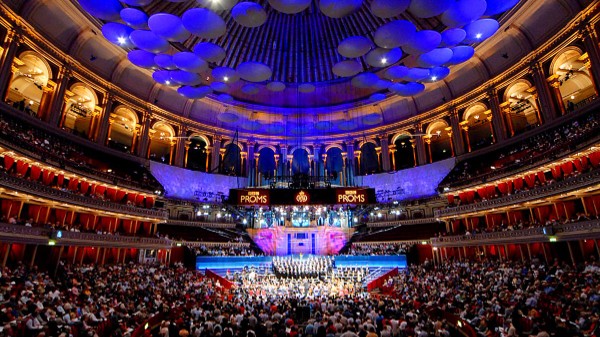
In the United Kingdom only, a quick skim through current musical programmes allows one to assess that most of the music performed in concert halls focuses on past composers. Surely, the amount of living composers has never been greater. Especially in the United Kingdom. Yet, all major events, such as the BBC Proms, focus on the past. The old sells. The last night of the Proms in 2025 will see Mussorgsky, Hummel, Gounod, Dukas and of course Britten and Elgar, and many others.

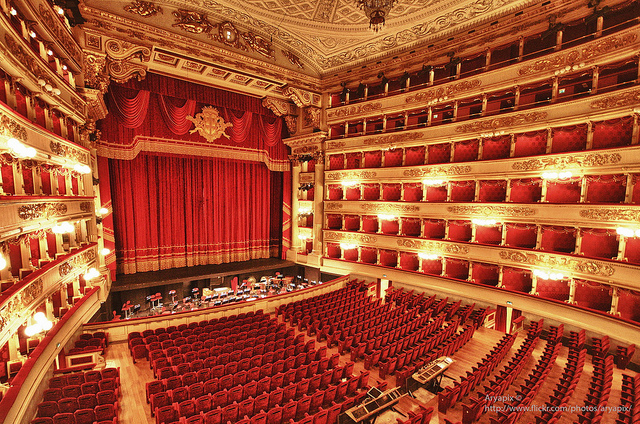
But it is not just in the United Kingdom, opera houses around the world often focus their seasons on a composer of choice, focusing on the catalogue and looking at less famous works. These are still the works of past composers. In 2025, it is Puccini and Handel who will take the frontline at the Paris Opéra.

Opera house

© opera-diary.com

Out of all the currently living composers, very few are allowed the entrance to concert halls pre-mortem, it seems. They are, for most of them, only allowed in the smaller venues. And when they get the keys to the major houses, it is only after years of battling for a place with their ancestors.

However, this has not always been the case historically. Just like popular music today, classical music used to be focused on the new, on composers working towards getting commissions and progressing, on music that was being created in the moment.

Composers were not expected to live off the same material forever, but rather to come up with new and exciting music. The competition was tough too — each composer wanted to work for the finest patron, crown or church. The most important names, BachHandelMozartHaydnBeethoven, and so on, all performed like that.

As Western classical music grew out of Christianity, it was intended to accompany religious services, and coming up with new dedicated material was the daily expectation of the appointed composers. The repetition of the old was not advised either. Music was dedicated to God and a testament of dedication and discipline.

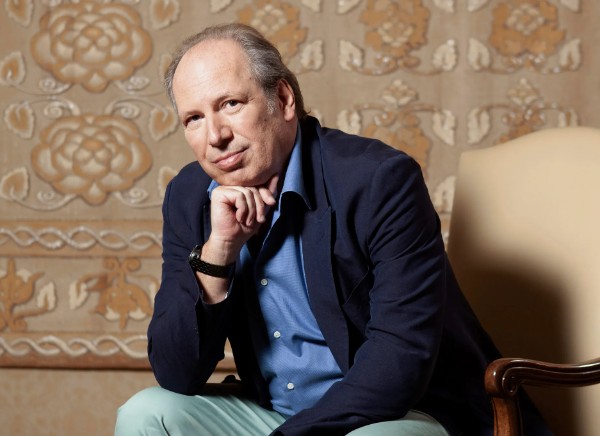
Hans Zimmer

Hans Zimmer

But then music, over the centuries and just like many things, became an industry… and entered the world of Hollywood. So much so that today some of the most successful composers are in fact film composers, such as Zimmer. The irony of it all is that now film music has entered the concert hall, and rather than taking up space in cinemas, it takes life in music venues. It is quite common to see listings of soundtracks being performed in their entirety, to the projected film, or not. What a three-hundred and sixty surprising twist; music for images, without the images.

Bach was not brought to the forefront before Mendelssohn exposed him again to the world, and most composers after their death would fall into oblivion. It was all about the new, until somehow, it shifted towards the old. Somehow, a fascination for the past, rather than the present, developed. But the promotion of old music in disfavour of new music is not a consequence of a lack of quality from existing composers. In fact, there are a plethora of immensely talented composers all over the world. Inventive, creative and curious musicians who perhaps deserve a better place in concert halls…

The Performing Teacher

grand piano in a concert hall

© auralize.com

I meet many piano teachers, at courses, workshops and masterclasses. It is always good to meet other piano teachers, to exchange ideas, and to enjoy a collective grumble about the exigencies of the job. Many of the teachers whom I meet are also performing musicians, professional or otherwise, and many regard performing as a necessary, indeed crucial, part of the job as a teacher.

I also meet many teachers who do not perform, for one reason or another. Some cite lack of time, others anxiety or lack of confidence. I actually met one teacher who claimed she was “too afraid” to perform for her students in case she made a mistake.

As teachers, performing is, in my opinion, a necessary part of the job, and we need to be able to guide and advise our students on how to present themselves in a “performance situation” (exam, festival, competition, audition), and to prepare them physically and emotionally for the experience. A whole new and different range of skills are required as a performer, and it is important to stress to students the difference between practicing and performing. We also need to be able to offer support for issues such as nerves and performance anxiety, and to offer coping strategies to counteract the negative thoughts and feelings that can arise from anxiety. How can you train others to perform if you have never done it yourself?

A successful performance demonstrates that you have practised correctly, deeply and thoughtfully, instead of simply note-bashing. Preparing music for performance teaches us how to complete a real task and to understand what is meant by “music making”. It encourages us to “play through”, glossing over errors rather than being thrown off course by them, and eradicates “stop-start” playing which prevents proper flow. You never really demonstrate your technique properly until you can demonstrate it in a performance. Performing also teaches us how to communicate a sense of the music, to “tell the story”, and to understand what the composer is trying to say. It adds to our credibility and artistic integrity as musicians. And if you haven’t performed a piece, how can you say it is truly “finished”?


I always perform in my student concerts, not to show off, but to demonstrate to my students (and their parents, who pay my bills!) that I can actually do it, that I too am continuing my piano studies by preparing repertoire for performance, and that I have managed my performance anxiety properly. I also feel that by performing with my students, we transform our concerts into a shared music-making experience. I hope that by hearing and watching me playing, my students can better grasp aspects of technique or interpretation we might have discussed in lessons, as well as enjoying the sheer pleasure of listening to piano music, and perhaps draw inspiration from it as well.