Total Pageviews

Friday, December 19, 2025

Jane Austen (Born on December 16, 1775) A Novelist with Perfect Pitch

by Georg Predota

From piano practice to impromptu songs, Jane Austen’s world is full of musical moments that tell us about character, class, gender and even politics. Recent scholarship has deepened our appreciation of how Austen, an active amateur musician herself, used music as both a domestic texture and a narrative instrument.
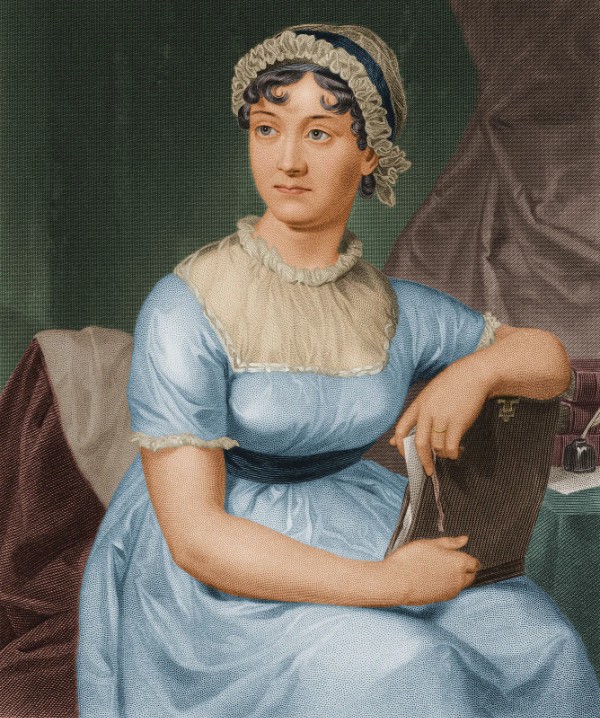
Jane Austen

Jane Austen

To celebrate her 250th birthday on 16 December 1775, let’s explore how Jane Austen (1775-1817) was not merely a spectator but a participant in musical life.   

Sounding the Social World

Jane Austen’s engagement with classical music was both cultivated and personal, reflecting the social and cultural milieu of the late eighteenth and early nineteenth centuries. Music played an essential role in her daily life, both as a form of polite entertainment and as a vehicle for emotional expression, a theme that recurs in her novels.

Music was indeed central to her daily routine. The pianoforte was the primary instrument in her circle for domestic music-making. Austen owned or had access to pianofortes like the Clementi square piano, similar to one at her Chawton home, and keyboard pieces dominated amateur performances in drawing rooms.

She practised the pianoforte most mornings before breakfast for personal enjoyment, often copying sheet music by hand. Her family’s collection of roughly 600 pieces includes works by MozartHaydn, and Clementi.   

From Pleyel to Dibdin
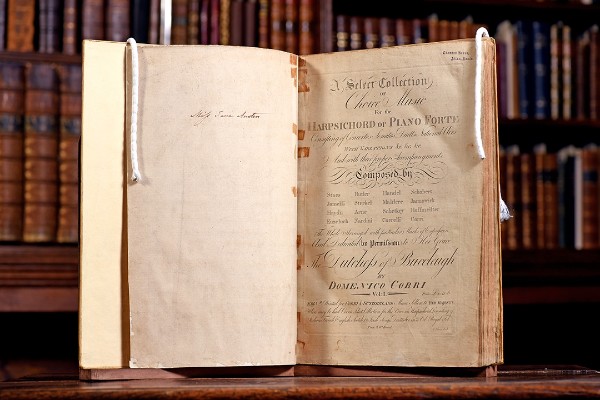
Jane Austen's music book

Jane Austen’s music book

Mozart overtures, Haydn adaptations, and Clementi sonatas provided a common repertoire for the evening of performance. Her favourites leaned toward contemporaries like Ignaz Pleyel, Johann Baptist Cramer, and the English theatrical composers like Dibdin and Shield. Her collection emphasised popular songs, Scottish/Irish airs, and lighter keyboard works.

These domestic music books and family collections have given scholars fresh material to link Austen’s actual repertoire with the musical references that appear in her fiction. Knowing Austen’s own musical habits makes it easier to read her fictional music as informed, sometimes affectionate, sometimes satirical commentary.

Scholars have pointed out that juvenile songs Austen enjoyed in her teens show multiple registers, including sentimentality, comic satire, and even political protest, tonalities that wryly surface again in her novels.   

Ambition and Accomplishment
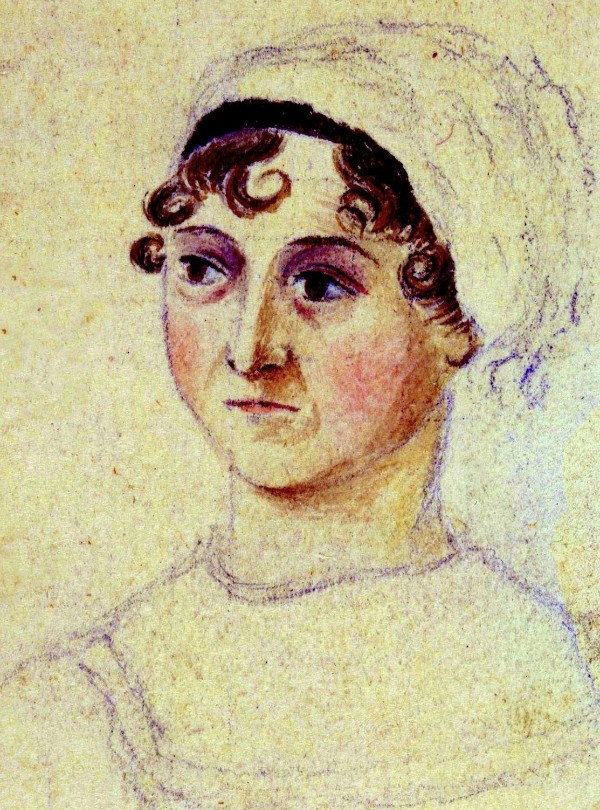
Jane Austen by Cassandra Austen

Jane Austen by Cassandra Austen

In Austen’s time, music was primarily a domestic art. A genteel young woman of accomplishment was expected to sing and play the pianoforte at home. Austen’s novels stage precisely these private performances.

Lucy Steele sharing a song in Sense and Sensibility; Marianne Dashwood’s pianoforte playing in Sense and Sensibility; the piano-less Fanny Price in Mansfield Park is conspicuously sidelined for social reasons.

Such moments are rarely mere background. How a character performs, what they choose to play, and who listens to all work as shorthand for taste, education, ambition and moral temperament. Recent work on class and music in Austen shows how musical accomplishment maps onto social aspiration and mobility in subtle, often ironic ways.   

Gendered Expectations

Austen’s musical scenes are often gendered in telling ways. Women perform and are judged for their musical accomplishments, while men more often appear as listeners, critics, or, in some cases, as amateur players.

Scholars working at the intersection of musicology and gender studies have recently explored how Austen’s novels stage the female musical body. The nervousness of public performance, the social risk of attracting attention, and the way music can both empower and limit women in a society that prizes modest display.

New analyses argue that Austen’s attention to the embodied aspects of music, the posture at the pianoforte, voice quality, and the glance of a listener, is a realistic record of how musical behaviour operated as social grammar in the Georgian drawing room.   

The Hidden Power of Music

Why should we pay attention to music in novels that are, at first glance, all about manners and marriage? Because music is a compressed language of feeling and status. Austen, who lived in a culture where a well-turned melody could signal breeding or bankruptcy of taste, used music to say what speech could not.

Reading Austen with an ear for music opens up new shades of irony and sympathy, helps explain character dynamics, and connects the fiction to the lived experience of Georgian households.

This was a world where the piano sat at the centre of private life, and where a song could be both comfort and provocation. Recent scholarship has encouraged us to hear Austen not merely as a novelist of manners but as a writer who understood the sonic textures of social life and used them with artful precision.

Saturday, December 13, 2025

Andrea Bocelli’s Magical Christmas


Friday, December 12, 2025

Best Christmas Choir Orchestra Songs 2026🎄 Best Christmas Carols 2026 🎁


🎄✨ Welcome to Night Christmas Tunes – your ultimate destination for timeless Christmas music and holiday cheer! Here you’ll find the most beloved Christmas classics and modern festive hits – from joyful songs like Jingle Bells and Last Christmas to heartwarming carols like Silent Night and White Christmas. 🎶 Let the magic of music light up your holiday season, fill your heart with warmth, and bring festive spirit to every moment. 🎅 Night Christmas Tunes – The soundtrack of your Christmas! 🎁

The BEST Mantovani Christmas Experience performed by The New Light Symph...


Welcome to The Mantovani Experience Step into a world where timeless melodies and cascading strings transport you back to music's golden era. We celebrate the legendary #Mantovani and his Orchestra's iconic "echoing strings" sound, faithfully recreated by The New Light Symphony Orchestra. If you cherish the sophisticated elegance of light orchestral music—those lush arrangements that once filled concert halls and living rooms worldwide—this is your destination. Each performance captures Mantovani's signature "cascading strings" technique, that distinctive sound that made him one of the most successful orchestra leaders of all time. Our mission is simple: preserve and share the beauty of light orchestral music with those who remember its magic and introduce it to new generations. From beloved standards to forgotten gems, we're recreating the authentic Mantovani sound with meticulous attention to every nuance. Directed by Philip Cacayorin | Producer dedicated to vintage audio excellence Explore our journey and production background at www.3dvinyl.com Subscribe today and rediscover why #MantovaniAndHisOrchestra remains the gold standard of light orchestral music. Let the echoing strings wash over you once again. The BEST Mantovani Christmas Experience performed by The New Light Symphony Orchestra

Two Pianos as a Home Orchestra

 by Maureen Buja

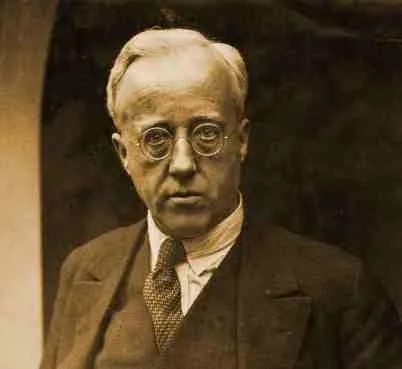
Gustav Holst

Gustav Holst

By the 1920s, much of this home music-making had been supplanted by the home radio. Recordings also became available, and with a record player, you could have your own orchestra in your drawing room.

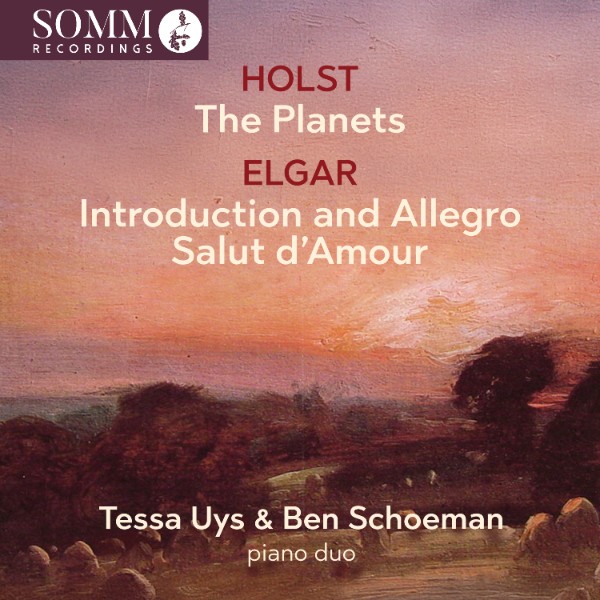
In the early 20th century, however, the piano still held sway, and in this new recording by the piano duo of Tessa Uys and Ben Schoeman, one major work by Gustav Holst and two by Edward Elgar are presented. The transcriptions of Holst’s The PlanetsElgar’s Introduction and Allegroand the Salut d’Amour give us something back of music in the home.

Gustav Holst’s suite for large orchestra, The Planets, brought Holst’s name into the spotlight. Although admired by his musical friends, few others knew of this Cheltenham-born composer.

The original layout of The Planets was for two pianos, and it was only orchestrated later. Holst suffered from neuritis, an inflammation of the nervous system, and it was easier for him to compose for two pianos than work through a large symphonic score.

With the success of the orchestral version, particularly in a time when astrology and the study of the stars were in fashion, Holst’s two-piano version was set aside and only published some 30 years after the orchestral premiere.

In the two-piano version, the big works, such as Mars, seem too light, but the lighter movements, such as Venus, The Bringer of Peace or Neptune, The Mystic, come across beautifully. One of the particularly good movements in the two-piano version is the flight of Mercury, The Winged Messenger.

Gustav Holst: The Planets – III. Mercury, The Winged Messenger (Ben Schoeman, Tessa Uys pianos)

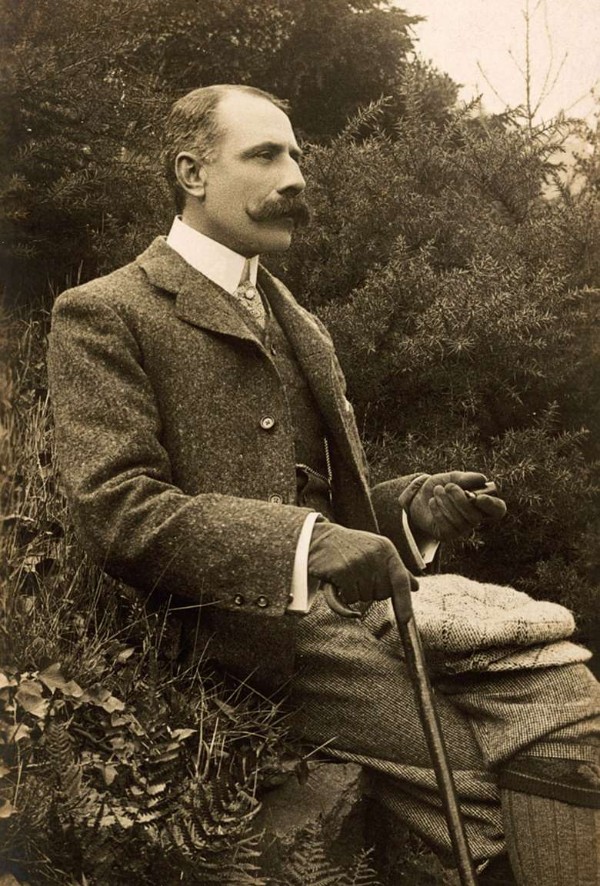
Edward Elgar

Edward Elgar

The other English composer who rose from relative obscurity to international fame was Edward Elgar. As in the case of Holst, the piano transcriptions of Elgar’s Introduction and Allegro, and the Salut d’Amour have largely been ignored with the greater fame of their orchestral versions. Whereas Holst made his transcriptions as part of his compositional process, Elgar’s works were done by other hands. Introduction and Allegro was transcribed by Otto Singer II, who made his name with his piano transcriptions of Bruckner’s symphonies. Introduction and Allegro (1905) was written for the string section of the London Symphony Orchestra, with Elgar conducting the premiere.

The second Elgar work, Salut d’Amour, originally entitled Liebesgruß (Love’s Greeting) but retitled in French by Elgar’s German publishers, was a wedding present to his fiancée, Caroline Alice Roberts. Their marriage in 1889 was done with her family’s disapproval, but proved to be a love-match in all the good ways. This melody is probably the most famous of Elgar’s light works, and in his publisher’s catalogue were some 25 different arrangements for all manner of ensembles.

Tessa Uys and Ben Schoeman, piano duo

Tessa Uys and Ben Schoeman, piano duo

The two-piano format made important orchestral works accessible for home consumption. In the case of these three works, which are far better known in their orchestral versions, we can hear both the advantages of the genre and some of its limitations.

Holst: The Planets & Elgar: Introduction and Allegro, Salut d’Amour


Holst: The Planets / Elgar: Introduction and Allegro, Salut d’Amour

Tessa Uys and Ben Schoeman, piano duo
SOMM Recordings: SOMMCD 0709

Official Website

“The Fantastic Whirl of Destiny” Ravel’s La Valse


“The Fantastic Whirl of Destiny”
Ravel’s La Valse

What is Ravel’s La Valse about? Is it a portrait of the disintegration of decadent pre-First War Europe, the dying embers of the Belle Epoque? Or simply a rollicking dance, a sensuous hommage to the Viennese Waltz?

Viennese Waltz

Viennese Waltz

Ravel completed La Valse in 1920, two years after the end of the First World War (in which he served as a truck driver on the Verdun front, an experience which caused him deep distress). It was not the first piece he wrote inspired by the Viennese waltzes of the Strauss family, and indeed in 1905 he had begun to sketch Wien (Vienna), a tribute to Johann Strauss the Younger, which he saw as “. . . a kind of apotheosis of the Viennese waltz, with which is mingled in my mind the idea of the fantastic whirl of destiny”. Meanwhile, his 1911 Valses nobles et sentimentales were intended as an affectionate tribute to the “useless occupation” of social dancing, an activity which also afforded men and women the opportunity to interact erotically in the public arena of the ballroom.

But by 1919 everything had changed, the composer himself profoundly affected by his wartime experiences. Vienna was a city shattered by war, in the grip of famine, and the waltz a bitter, poignant reminder of a vanished era. The impresario Sergei Diagheilev requested Ravel write La Valse, but it wasn’t the work he expected and he refused to stage it, claiming it was “not a ballet” but “a portrait of a ballet”. Ravel published the piece as a “choreographic poem for orchestra”, and the first performance of the orchestral version was in December 1920 in Paris. The work was eventually danced in Antwerp in 1926 by Ida Rubenstein’s troupe (which also premiered Ravel’s Bolero).

Ravel: La Valse
 Maurice Ravel

Maurice Ravel

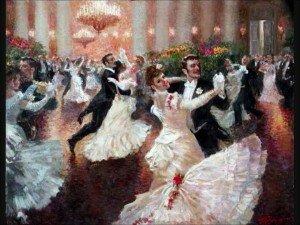
Marked “mouvement de Valse viennoise”, its origins clearly stated at the outset, the work presents a portrait of waltzing couples in a beautiful chandelier-lit ballroom. Deeply nostalgic and replete with extravagantly voluptuous Straussian episodes, the waltz distorts and dissolves with percussive climaxes and portentous rumblings. Each return of the waltz seems more vehement, with greater rhythmic and harmonic excess and dissonance as the genre is extended into a final devastating, hallucinatory explosion, and the distintegration of the waltz itself. The symbolism seems obvious to our 21st-century sensibilities: La Valse is a musical portrait of a decadent civilization out of control, tearing itself apart in conflict.

But Ravel denied the work had any symbolic meaning, describing it as “a dancing, whirling, almost hallucinatory ecstasy, an increasingly passionate and exhausting whirlwind of dancers, who are overcome and exhilarated by nothing but ‘the waltz.’

***

Ravel transcribed the orchestral version for two pianos and piano solo, and the very first performance of the work was actually given in its two-piano form, with Ravel as one of the performers.

Here a pianist friend of mine, who plays in a piano duo, reflects on the experience of learning and performing La Valse:

“Learning the two-piano version of La Valse was a treat. When Neil first suggested that we learn La Valse, I thought it might be beyond us, but we both worked hard at our parts over several months, and to our amazement it gradually came together…

As for performing La Valse, the orchestral version is of course familiar from many recordings and concerts, and in the back of one’s mind is the sound of the different instruments in Ravel’s orchestration. At first I felt very conscious of how the cellos and double basses, the two harps, the brass, or the woodwind, would sound at different points in the score.

But in fact as a pianist, you can enjoy being yourself in this music, without needing to mimic an orchestra all the time: the richness of Ravel’s two-piano sound provides plenty of tonal palette to work with, and much of the pleasure of learning the piece was learning to exploit to the full the contrasts in sound that one can achieve. We enjoyed the challenge of handing melodies from one piano to the other, trying to make the dynamics merge seamlessly between two instruments, learning to be really hushed and mysterious, or hushed and threatening, and conjuring the lilt of the Viennese waltz rhythm.

The final few pages certainly are extraordinary, as the waltz music seems to disintegrate into fragments and accelerates towards a wild climax. As a pair of pianists, you have to hold your nerve, and careful preparation was really essential to be confident that our parts would really fit together and not fall to bits. It was a balance between being accurate and careful, but somehow also letting caution fly to the winds to convey a sense of whirling excitement. In fact, of course, as so often in piano music, the trick was to be really on top of the part, so that you just knew that it would work every time: then you could remain calm and in control, but grasping the music with determination and energy so that the audience felt gripped and excited, not us!”.
 Julian Davis

“Through whirling clouds, waltzing couples may be faintly distinguished. The clouds gradually scatter: one sees […] an immense hall peopled with a whirling crowd. The scene is gradually illuminated. The light of the chandeliers bursts forth […]. Set in an imperial court, about 1855.” Maurice Ravel

Whatever one’s interpretation of La Valse, there is no doubt Ravel masterfully achieves his vision in the music.

How Much Does He/She Love: Too Much!

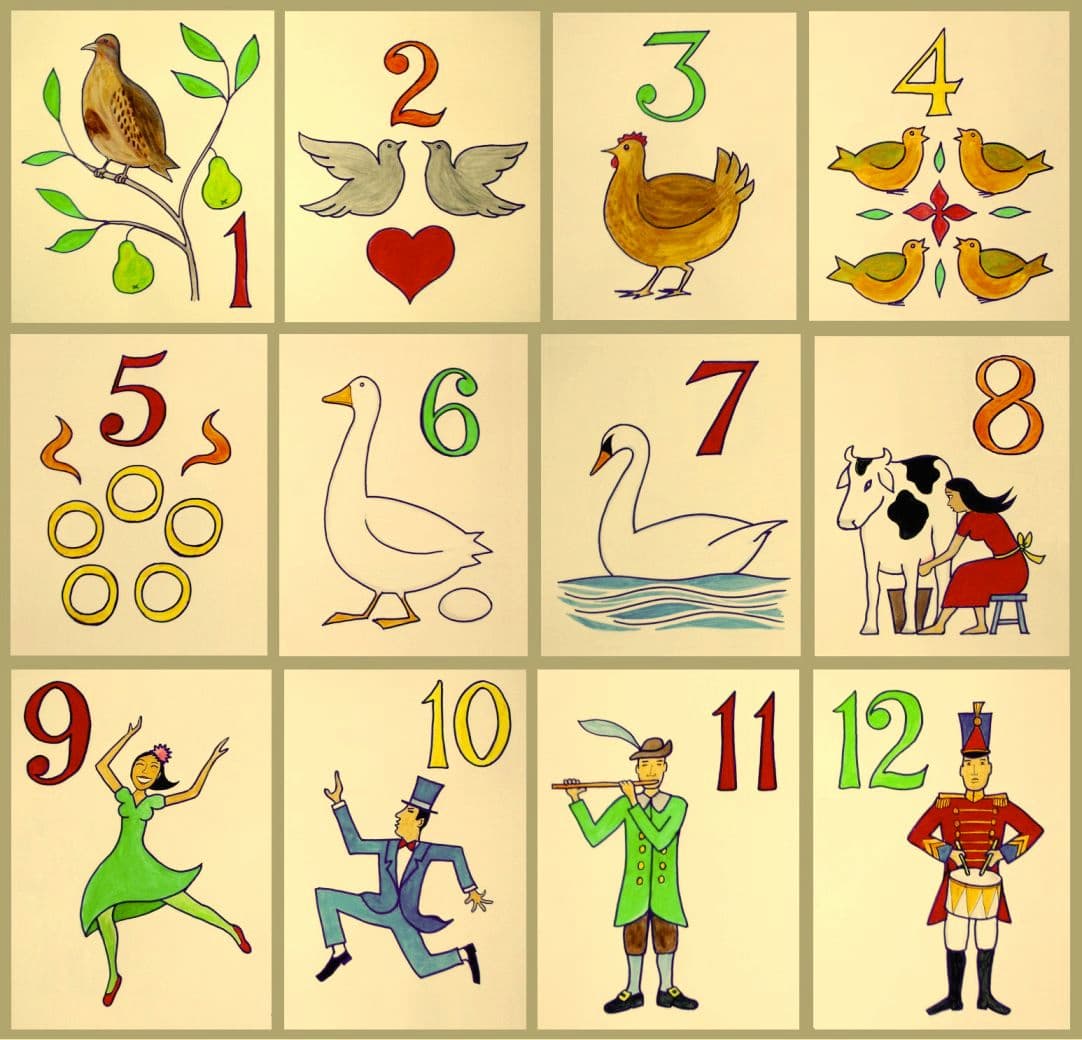
In the classic Christmas counting carol, The 12 Days of Christmas, on the 12 days following Christmas, the singer’s ‘true love’ sends him a present each day, plus the present from the day(s) before.

The Twelve Days of Christmas song poster

The Twelve Days of Christmas song poster © Wikipedia

The 12 Days of Christmas are the 12 days between the birth of Jesus and the appearance of the Magi, with their kingly-level gifts of Gold, Frankincense, and Myrrh. The present-giving begins on Christmas and continues through to 6 January, traditionally Three Kings’ Day or the Epiphany.

The song first appears in the late 18th century in a book called Mirth With-Out Mischief and is part of a long tradition of memory games and cumulative songs. If you don’t remember the order correctly, you have to pay a forfeit – a kiss or a small present – for your error.

On the first day of Christmas,
my true love gave to me
a partridge in a pear tree.
Day 2: two turtle doves
Day 3: three French hens
Day 4: four calling birds
Day 5: five gold rings
Day 6: six geese a-laying
Day 7: seven swans a-swimming
Day 8: eight maids a-milking
Day 9: nine ladies dancing
Day 10: 10 lords a-leaping
Day 11: 11 pipers piping
Day 12: 12 drummers drumming

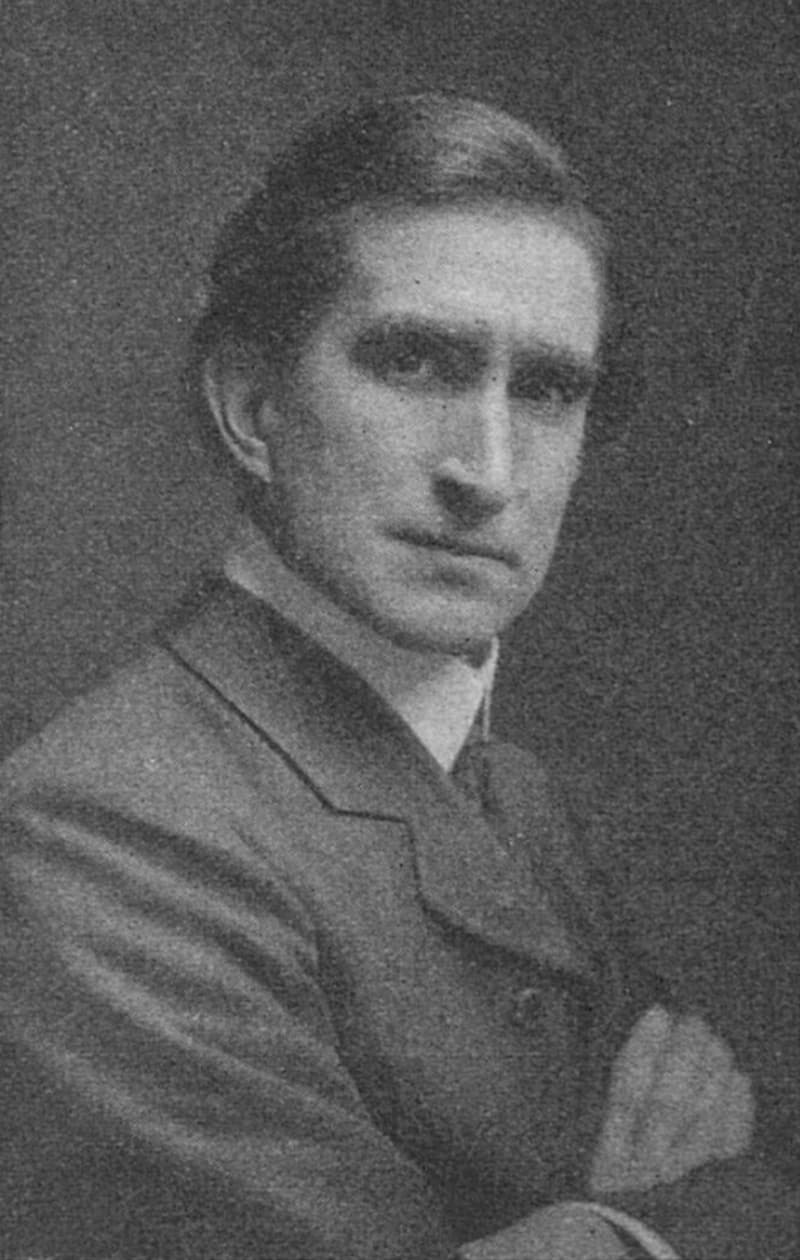
The list was set to many different melodies in its early days, but the melody we are most familiar with dates from the early 20th century, when the English baritone singer and composer Frederic Austin set the words, adding his own touch – the long cadence on 5 gold rings. Austin wrote that this was the setting that was familiar to his family, and he hadn’t heard that melody elsewhere. The song was published in 1909 and lives on today.

Frederic Austin, 1907

Frederic Austin, 1907

Days 1 through 7 are all about birds: a partridge, turtle doves, French hens, and calling birds or colly birds (blackbirds) in some versions. The five gold rings could also refer to ring-necked pheasants, followed by geese and swans.

On day 8, the staff shows up: milkmaids, dancing ladies, leaping lords, pipers, and drummers, although no one appears to be dealing with all the birds!

Whew!

A bank in the US has tracked the prices of all of these presents for the past 40 years, and they make interesting and funny reading. For 2023, your daily cost for being the True Love comes out to:

1 Partridge in a Pear TreeThe price of partridges has remained stable, but the pear tree is now up nearly 14% in price$319.18
2 Turtle Doves25% leap in price, the greatest of all the gifts$750.00
3 French hensLabour and energy were the price drivers here, but they remain the most affordable of the birds$330.00
4 Calling birdsNo change in price for many years!$599.96
5 Gold RingsPrice on gold has remained unchanged for the past 5 years$1,245.00
6 Geese a LayingUp by 8.3%$780.00
7 Swans a SwimmingNo price change, but one of the most expensive birds in any case$13,125.00
8 Maids a milkingPayment at the US Federal Minimum Wage makes them most affordable$58.00
9 Ladies DancingAfter a 10% raise in 2022, no change for 2023$8,308.12
10 Lords a LeapingEXPENSIVE! Even more than the swans and up 4% from last year$14,539.20
11 Pipers PipingSlight 6.2% rise in piper cost because of the tight labour market$3,207.38
12 Drummers DrummingSame rise as the pipers: 6.2%$3,468.02

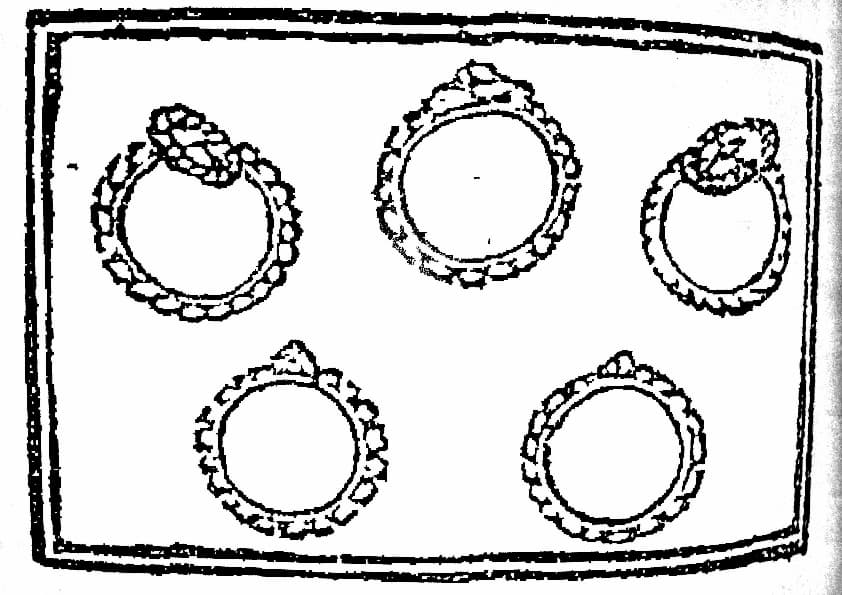
Illustration of "five gold rings", from the first known publication of "The Twelve Days of Christmas" (1780)

Illustration of “five gold rings”, from the first known publication of “The Twelve Days of Christmas” (1780) © Wikipedia

What does that all add up to? Well, if you’re giving just one each of everything this year, that’s only $46,729.86 in presents, a rise of only 2.7% over last year’s figure.

If you’re doing the full measure, which would be 12 partridges, 22 turtle doves, 30 French hens, etc., for a total of 364 presents, you’re at over $1.5 million for 12 days of fun. $1,535,405.64, to be exact.

It’s expensive to be whimsical!

The presents total 364, presumably so you have a breathing day before next Christmas when it starts all over again. Starts again, that is, if your love is still speaking to you after having to deal with all those presents from last year!

Merry Christmas!

Hector Berlioz (Born on December 11, 1803) and the Literary Muse


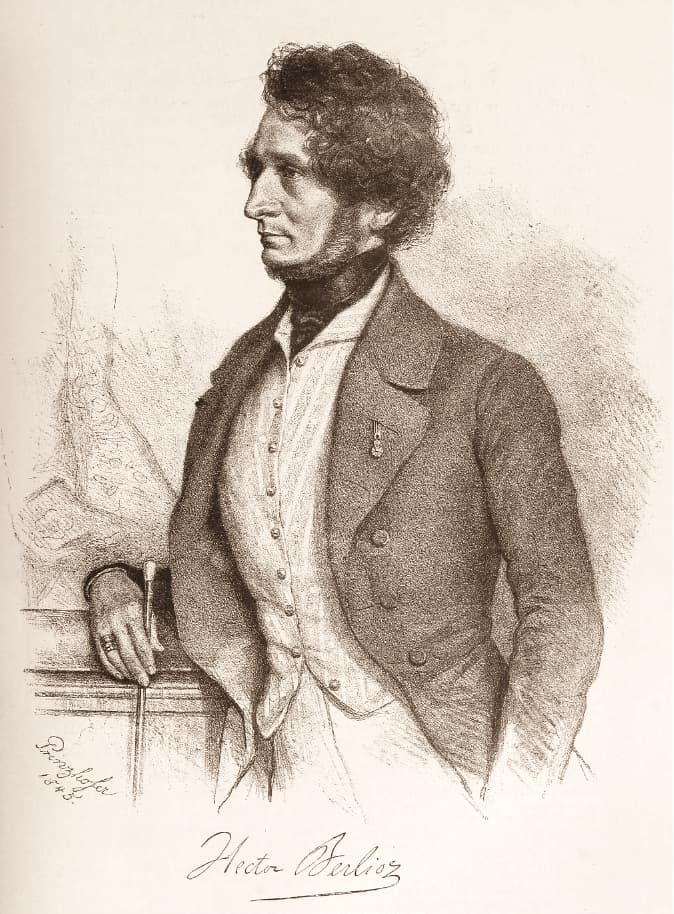
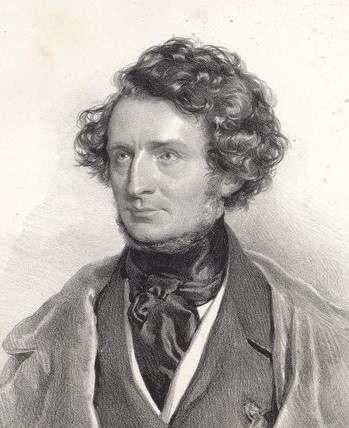
August Prinzhofer: Hector Berlioz, 1845

August Prinzhofer: Hector Berlioz, 1845

Berlioz’s music is dramatic, colourful, and intensely expressive, often telling stories or painting emotions so vividly they seem to leap off the page. What makes him truly fascinating is the way literature fuelled his imagination.

Writers like Goethe, Shakespeare, and Byron weren’t just influences; they were companions on his artistic journey, inspiring him to explore new forms of musical storytelling and to transform emotion into sound.

To celebrate his birthday on 11 December 1803, let’s explore how these three literary giants shaped his work, and why Berlioz’s music continues to captivate audiences nearly two centuries later.   

When Words Inspired Music

Hector Berlioz

Hector Berlioz

Berlioz grew up during a time when Romanticism was changing the way people thought about art, literature, and music. Romanticism celebrated emotion, imagination, individuality, and the dramatic aspects of life and nature. For Berlioz, literature wasn’t just something to read; it was the spark for musical ideas.

He devoured works from German, English, and French authors, letting their stories, characters, and emotions seep into his mind. In his music, he didn’t just set words to notes but translated the spirit of literature into sound.

Three writers stand out as especially important. Johann Wolfgang von Goethe, William Shakespeare, and Lord Byron each offered something unique. Goethe provided psychological insight, Shakespeare inspired dramatic spectacle, and Byron fuelled passionate intensity. These authors helped to shape Berlioz’s bold and innovative musical voice.   

Goethe’s Psychology

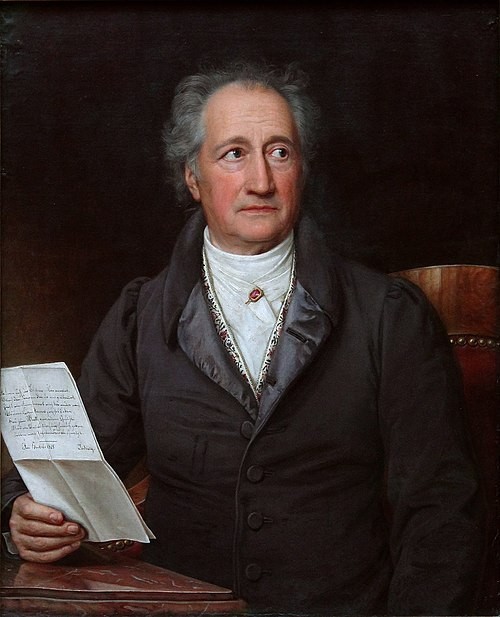
Joseph Karl Stieler: Johann Wolfgang von Goethe at age 79, 1828 (Neue Pinakothek)

Joseph Karl Stieler: Johann Wolfgang von Goethe at age 79, 1828 (Neue Pinakothek)

Johann Wolfgang von Goethe (1749–1832) fascinated Berlioz with his exploration of human emotion and inner conflict. Goethe’s works often delve into moral dilemmas, personal struggles, and the tension between desire and duty, topics that Berlioz found irresistible.

He was captivated by Goethe’s Faust, with its intense psychological depth and exploration of temptation, ambition, and redemption. In his dramatic legend La Damnation de Faust, the orchestra becomes an extension of Faust’s inner world.

From the brooding tension of Faust’s introspective moment to the fiery intensity of his devilish encounters, the music mirrors the constant struggle between desire and conscience. Melodic motifs reappear throughout the work as Berlioz transforms Goethe’s complex psychological landscape into a living and breathing musical experience.

Just as Goethe blended narrative, reflection, and dialogue in his plays, Berlioz created music where instruments, voices, and motifs interact like characters in a drama. His attention to detail, mood, and pacing reflects Goethe’s meticulous craftsmanship, proving that literature and music can be deeply intertwined.   

Shakespearean Drama

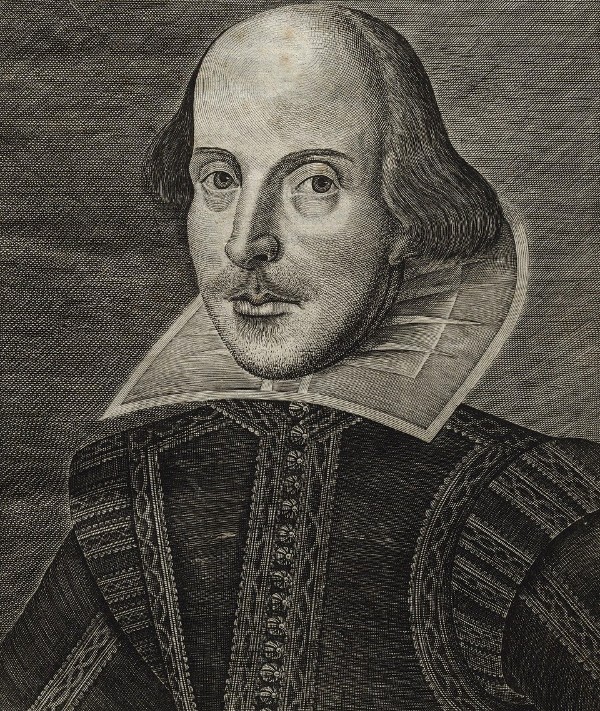
William Shakespeare

William Shakespeare

If Goethe shaped Berlioz’s inner emotional world, William Shakespeare (1564–1616) inspired his sense of drama and theatricality. Shakespeare’s plays are full of vivid characters, intense emotion, and unexpected twists, all qualities Berlioz sought to bring into music.

Berlioz’s opera Béatrice et Bénédict (1862), based on Much Ado About Nothing, puts the feisty, witty Béatrice and the clever Bénédict at its centre, showing how Shakespeare’s sharp characterisation and playful tension could be transformed into musical drama. Berlioz captures the characters’ personalities, their banter, and the slow-burning romance between them, turning Shakespeare’s comic brilliance into a vivid operatic experience.

In this opera, Berlioz also applies the pacing and tension of Shakespearean drama, making each scene feel like a self-contained story within the larger narrative. The characters are not simply singing; they are living, breathing, and reacting with all the emotional nuance Shakespeare endowed them with.

And just as Shakespeare occasionally introduced supernatural or fantastical elements into his plays, Berlioz infused his music with a sense of imagination and theatricality. In Béatrice et Bénédict, it is Shakespeare’s combination of clever wit, lively romance, and human depth that Berlioz channels to create an opera that feels both intimate and theatrically engaging.   

Byron’s Passion

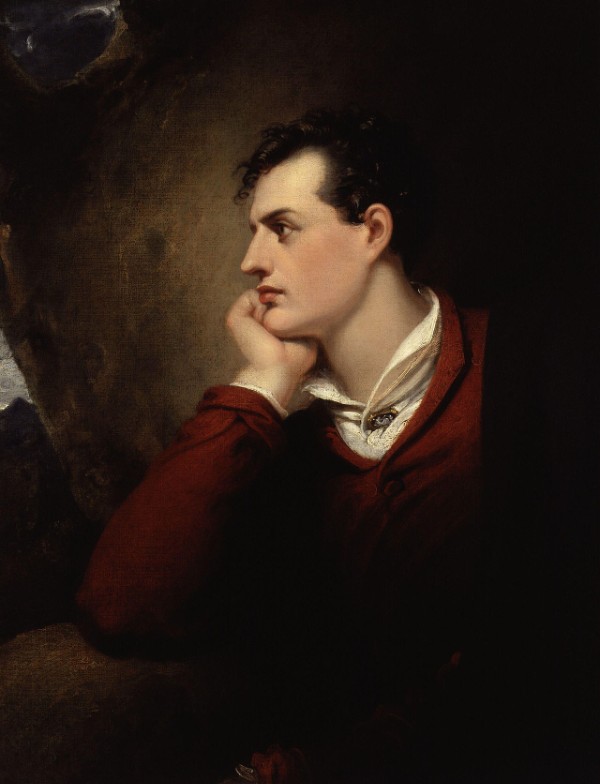
Lord Byron

Lord Byron

Lord Byron (1788–1824) added another layer to Berlioz’s artistic vision. Byron’s poetry was full of intense emotion, larger-than-life heroes, and struggles against fate or society. Berlioz, who was drawn to extreme emotions and dramatic narratives, found in Byron a perfect literary model.

Berlioz was particularly inspired by Byron’s Childe Harold’s Pilgrimage and Manfred. The brooding, tormented heroes in these works mirror the intensity found in Berlioz’s music.

The protagonist’s inner turmoil, moral struggles, and encounters with supernatural forces echo the Byronic hero’s emotional and existential battles.

Byron encouraged Berlioz to embrace boldness, not just in story but in music itself. The sweeping melodies, dramatic dynamics, and daring orchestration in Berlioz’s works can be seen as musical equivalents of Byron’s passionate poetry.    

Orchestra as Storyteller

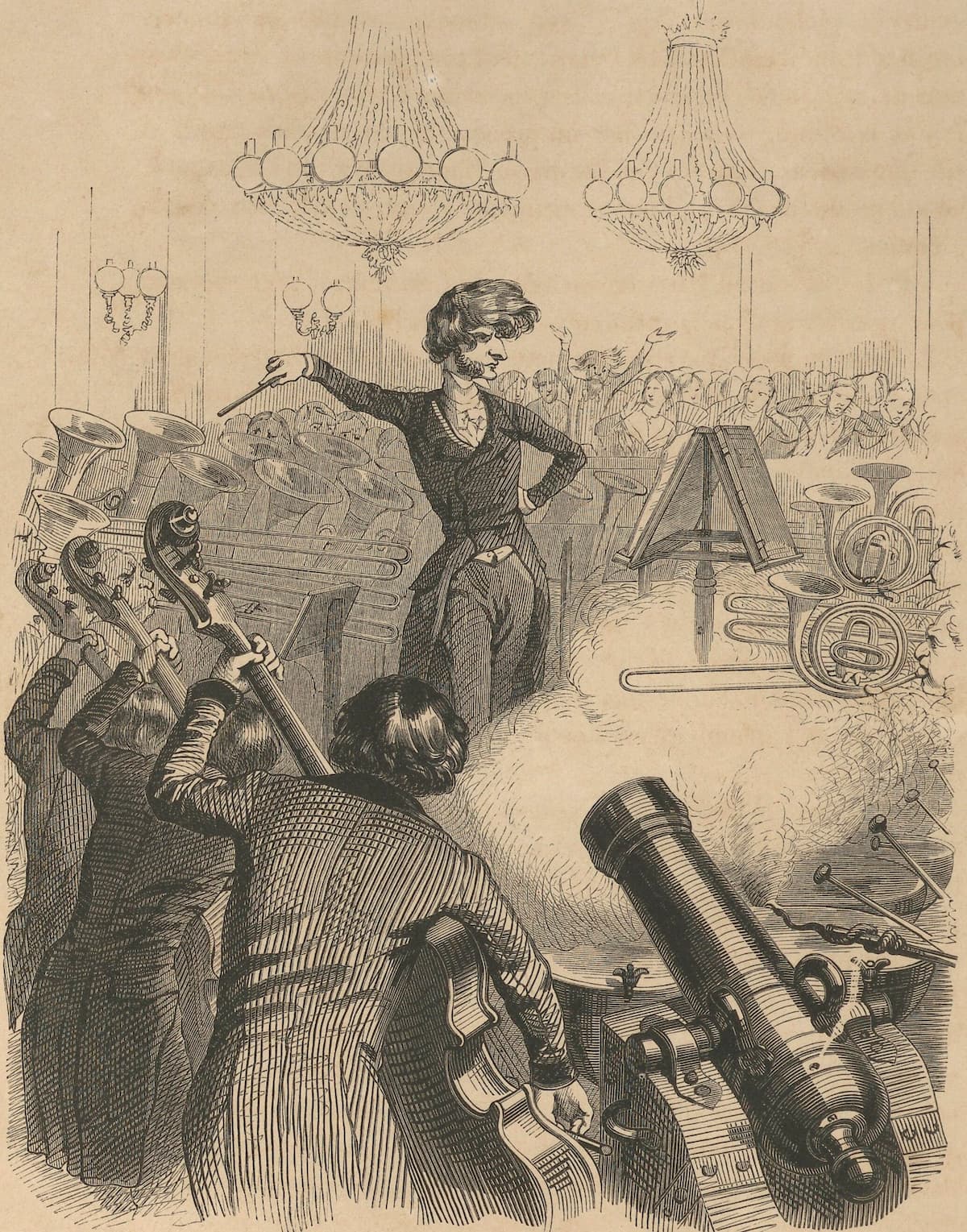
Grandville: The Hall is Solid, It Can Take the Strain!

Caricature of Hector Berlioz conducting the orchestra

What makes Berlioz extraordinary is how he translated these literary influences into music. He didn’t simply set texts to notes; he absorbed the ideas and emotions from literature and expressed them through orchestration, harmony, and form.

The idée fixe, the recurring musical theme representing the beloved in the Symphonie fantastique, acts like a literary motif, threading through the narrative and expressing obsession, longing, and despair.

The music tells a story in a way only Berlioz could speak. In his operas and choral works, the orchestra itself becomes a storyteller, painting scenes and moods with remarkable clarity.

Berlioz’s engagement with literature also allowed him to challenge traditional musical structures. Rather than strictly following classical symphonic forms, he let the narrative and emotion dictate the music’s shape, creating works that feel organic, dynamic, and profoundly human.   

Crossing Disciplines

Berlioz’s deep literary connections helped redefine what music could do. He showed that orchestral and operatic works could not only entertain but also convey complex psychology, moral dilemmas, and vivid drama.

Later composers, from Wagner to Mahler, would build on this idea, but Berlioz was among the first to fully realise it in the Romantic era.

His example also demonstrates the power of artistic cross-pollination. Literature and music are often taught as separate disciplines, but for Berlioz, they were inseparable.

By translating the spirit of Goethe, Shakespeare, and Byron into sound, he created music that is intellectually stimulating, emotionally compelling, and endlessly imaginative.

Literature, Passion, and Musical Brilliance

As we approach Hector Berlioz’s birthday on December 11, it’s a perfect time to celebrate not only his genius but the literary forces that inspired it. Goethe offered insight into the human heart, Shakespeare brought drama and theatricality, and Byron fuelled passion and Romantic heroism.

Berlioz took these influences and transformed them into a musical language that speaks directly to our emotions, telling stories with a vividness that few composers have matched.

Nearly two centuries later, his music still surprises, excites, and moves audiences around the world. It is a testament to the power of literature, imagination, and the unique genius of a man who could hear the poetry of words and turn it into unforgettable sound.