Total Pageviews

Friday, December 12, 2025

Hector Berlioz (Born on December 11, 1803) and the Literary Muse


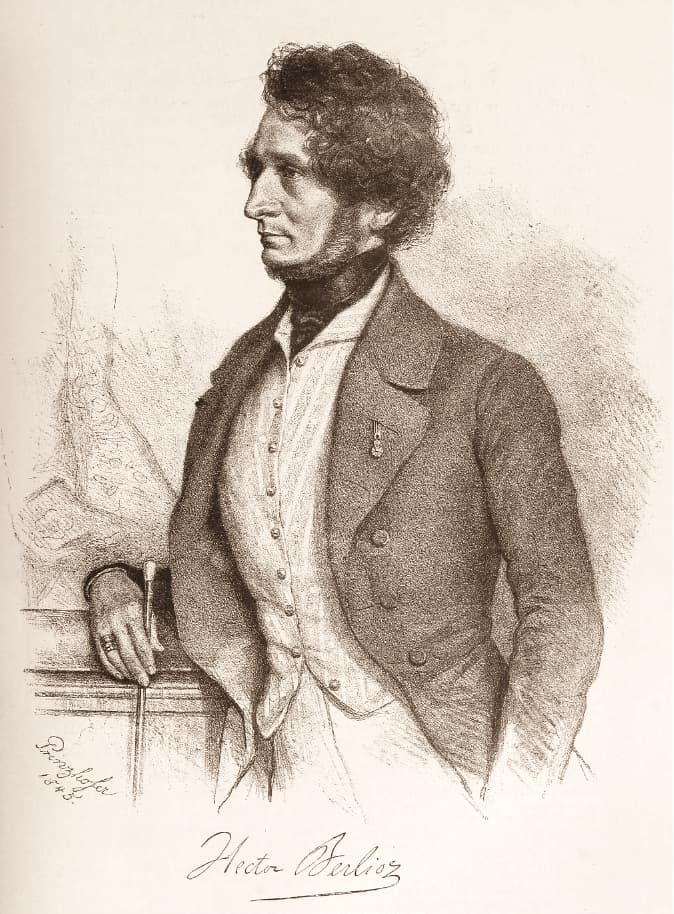
August Prinzhofer: Hector Berlioz, 1845

August Prinzhofer: Hector Berlioz, 1845

Berlioz’s music is dramatic, colourful, and intensely expressive, often telling stories or painting emotions so vividly they seem to leap off the page. What makes him truly fascinating is the way literature fuelled his imagination.

Writers like Goethe, Shakespeare, and Byron weren’t just influences; they were companions on his artistic journey, inspiring him to explore new forms of musical storytelling and to transform emotion into sound.

To celebrate his birthday on 11 December 1803, let’s explore how these three literary giants shaped his work, and why Berlioz’s music continues to captivate audiences nearly two centuries later.   

When Words Inspired Music
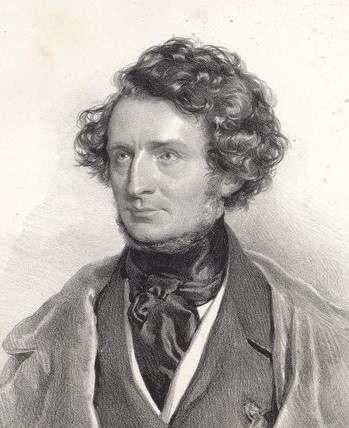
Hector Berlioz

Hector Berlioz

Berlioz grew up during a time when Romanticism was changing the way people thought about art, literature, and music. Romanticism celebrated emotion, imagination, individuality, and the dramatic aspects of life and nature. For Berlioz, literature wasn’t just something to read; it was the spark for musical ideas.

He devoured works from German, English, and French authors, letting their stories, characters, and emotions seep into his mind. In his music, he didn’t just set words to notes but translated the spirit of literature into sound.

Three writers stand out as especially important. Johann Wolfgang von Goethe, William Shakespeare, and Lord Byron each offered something unique. Goethe provided psychological insight, Shakespeare inspired dramatic spectacle, and Byron fuelled passionate intensity. These authors helped to shape Berlioz’s bold and innovative musical voice.   

Goethe’s Psychology
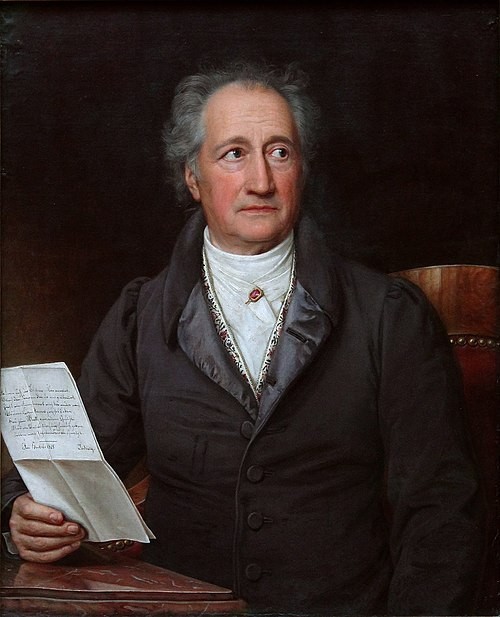
Joseph Karl Stieler: Johann Wolfgang von Goethe at age 79, 1828 (Neue Pinakothek)

Joseph Karl Stieler: Johann Wolfgang von Goethe at age 79, 1828 (Neue Pinakothek)

Johann Wolfgang von Goethe (1749–1832) fascinated Berlioz with his exploration of human emotion and inner conflict. Goethe’s works often delve into moral dilemmas, personal struggles, and the tension between desire and duty, topics that Berlioz found irresistible.

He was captivated by Goethe’s Faust, with its intense psychological depth and exploration of temptation, ambition, and redemption. In his dramatic legend La Damnation de Faust, the orchestra becomes an extension of Faust’s inner world.

From the brooding tension of Faust’s introspective moment to the fiery intensity of his devilish encounters, the music mirrors the constant struggle between desire and conscience. Melodic motifs reappear throughout the work as Berlioz transforms Goethe’s complex psychological landscape into a living and breathing musical experience.

Just as Goethe blended narrative, reflection, and dialogue in his plays, Berlioz created music where instruments, voices, and motifs interact like characters in a drama. His attention to detail, mood, and pacing reflects Goethe’s meticulous craftsmanship, proving that literature and music can be deeply intertwined.   

Shakespearean Drama
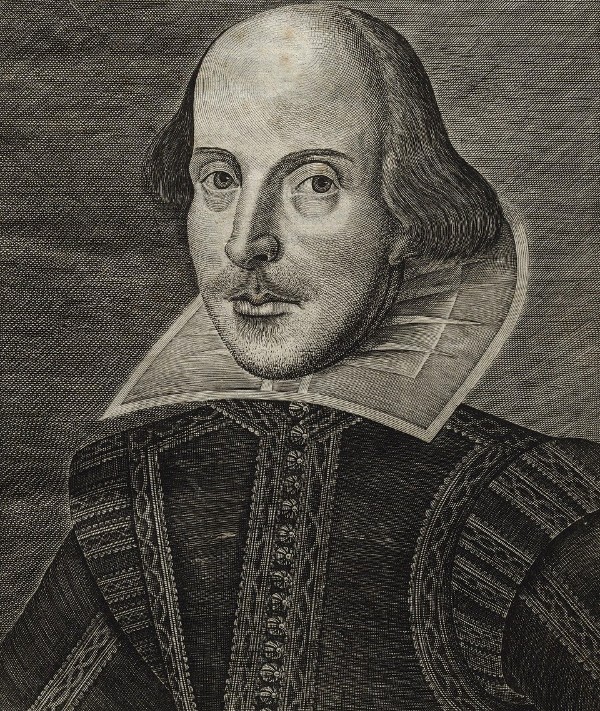
William Shakespeare

William Shakespeare

If Goethe shaped Berlioz’s inner emotional world, William Shakespeare (1564–1616) inspired his sense of drama and theatricality. Shakespeare’s plays are full of vivid characters, intense emotion, and unexpected twists, all qualities Berlioz sought to bring into music.

Berlioz’s opera Béatrice et Bénédict (1862), based on Much Ado About Nothing, puts the feisty, witty Béatrice and the clever Bénédict at its centre, showing how Shakespeare’s sharp characterisation and playful tension could be transformed into musical drama. Berlioz captures the characters’ personalities, their banter, and the slow-burning romance between them, turning Shakespeare’s comic brilliance into a vivid operatic experience.

In this opera, Berlioz also applies the pacing and tension of Shakespearean drama, making each scene feel like a self-contained story within the larger narrative. The characters are not simply singing; they are living, breathing, and reacting with all the emotional nuance Shakespeare endowed them with.

And just as Shakespeare occasionally introduced supernatural or fantastical elements into his plays, Berlioz infused his music with a sense of imagination and theatricality. In Béatrice et Bénédict, it is Shakespeare’s combination of clever wit, lively romance, and human depth that Berlioz channels to create an opera that feels both intimate and theatrically engaging.   

Byron’s Passion
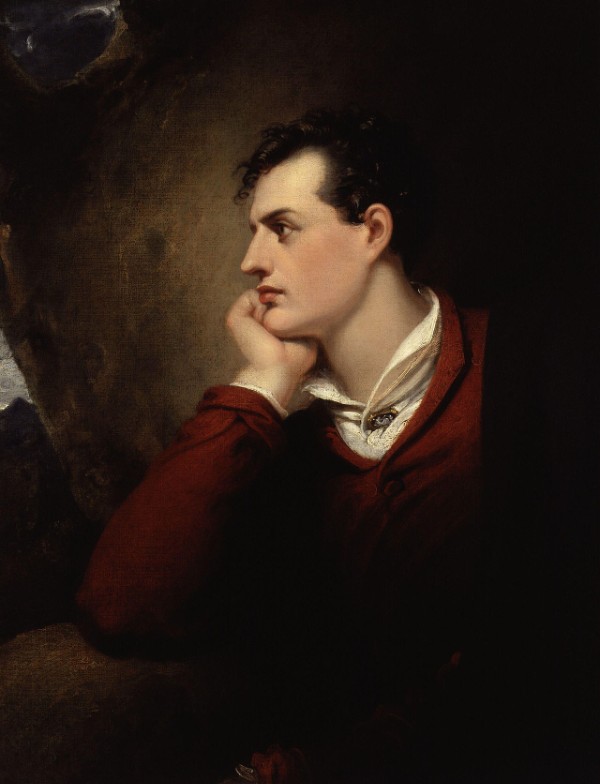
Lord Byron

Lord Byron

Lord Byron (1788–1824) added another layer to Berlioz’s artistic vision. Byron’s poetry was full of intense emotion, larger-than-life heroes, and struggles against fate or society. Berlioz, who was drawn to extreme emotions and dramatic narratives, found in Byron a perfect literary model.

Berlioz was particularly inspired by Byron’s Childe Harold’s Pilgrimage and Manfred. The brooding, tormented heroes in these works mirror the intensity found in Berlioz’s music.

The protagonist’s inner turmoil, moral struggles, and encounters with supernatural forces echo the Byronic hero’s emotional and existential battles.

Byron encouraged Berlioz to embrace boldness, not just in story but in music itself. The sweeping melodies, dramatic dynamics, and daring orchestration in Berlioz’s works can be seen as musical equivalents of Byron’s passionate poetry.    

Orchestra as Storyteller
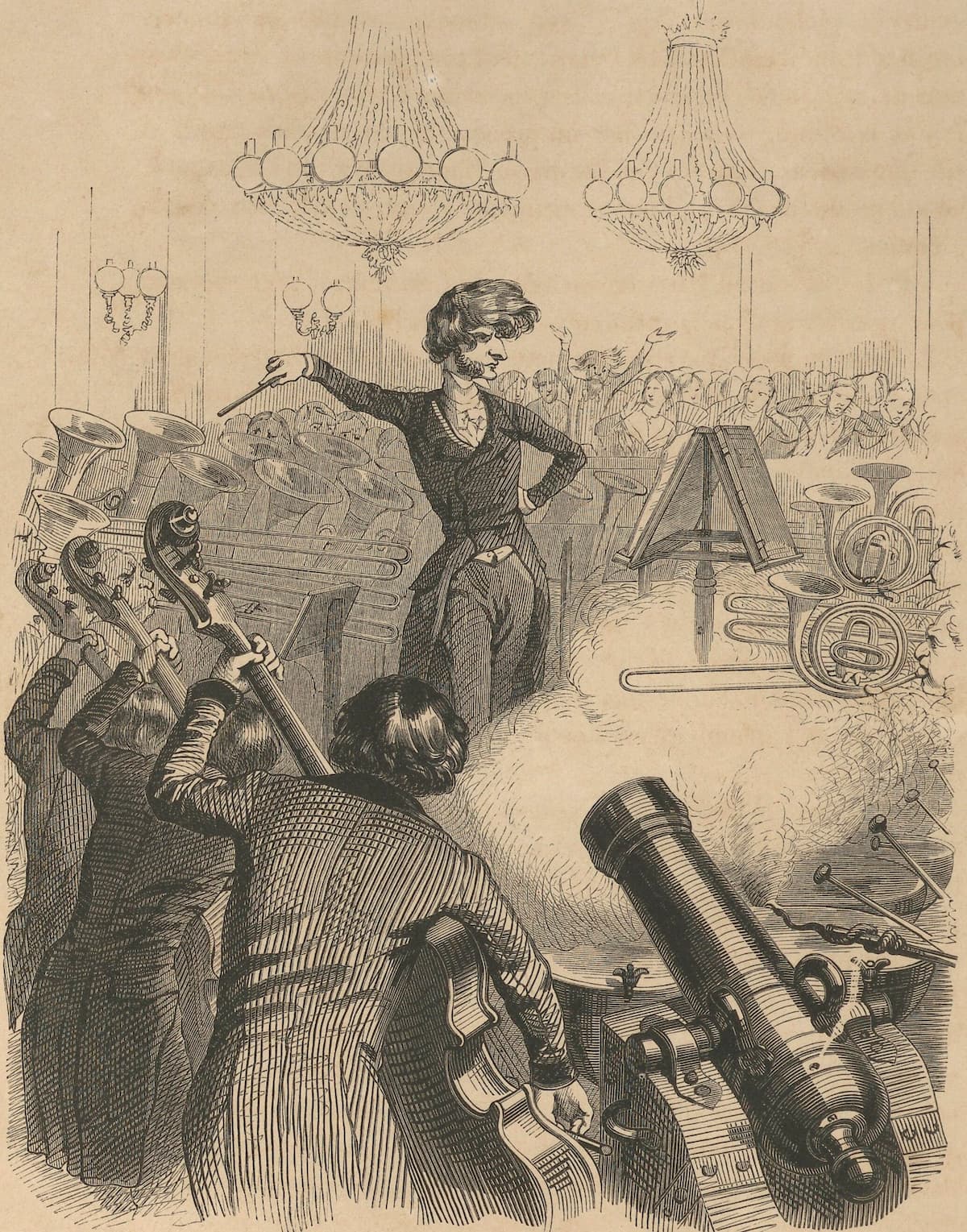
Grandville: The Hall is Solid, It Can Take the Strain!

Caricature of Hector Berlioz conducting the orchestra

What makes Berlioz extraordinary is how he translated these literary influences into music. He didn’t simply set texts to notes; he absorbed the ideas and emotions from literature and expressed them through orchestration, harmony, and form.

The idée fixe, the recurring musical theme representing the beloved in the Symphonie fantastique, acts like a literary motif, threading through the narrative and expressing obsession, longing, and despair.

The music tells a story in a way only Berlioz could speak. In his operas and choral works, the orchestra itself becomes a storyteller, painting scenes and moods with remarkable clarity.

Berlioz’s engagement with literature also allowed him to challenge traditional musical structures. Rather than strictly following classical symphonic forms, he let the narrative and emotion dictate the music’s shape, creating works that feel organic, dynamic, and profoundly human.   

Crossing Disciplines

Berlioz’s deep literary connections helped redefine what music could do. He showed that orchestral and operatic works could not only entertain but also convey complex psychology, moral dilemmas, and vivid drama.

Later composers, from Wagner to Mahler, would build on this idea, but Berlioz was among the first to fully realise it in the Romantic era.

His example also demonstrates the power of artistic cross-pollination. Literature and music are often taught as separate disciplines, but for Berlioz, they were inseparable.

By translating the spirit of Goethe, Shakespeare, and Byron into sound, he created music that is intellectually stimulating, emotionally compelling, and endlessly imaginative.

Literature, Passion, and Musical Brilliance

As we approach Hector Berlioz’s birthday on December 11, it’s a perfect time to celebrate not only his genius but the literary forces that inspired it. Goethe offered insight into the human heart, Shakespeare brought drama and theatricality, and Byron fuelled passion and Romantic heroism.

Berlioz took these influences and transformed them into a musical language that speaks directly to our emotions, telling stories with a vividness that few composers have matched.

Nearly two centuries later, his music still surprises, excites, and moves audiences around the world. It is a testament to the power of literature, imagination, and the unique genius of a man who could hear the poetry of words and turn it into unforgettable sound.

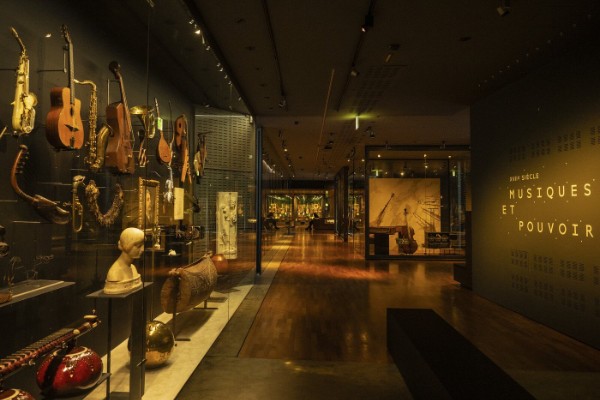
Seven of the Best Musical Instrument Museums Around the World

Whether it’s a violin crafted by Stradivari, a clavichord from the Baroque era, or a grand piano once played by Chopin, musical instrument museums offer a tangible connection to what can feel like a very intangible art form.

Here are seven of the most fascinating musical instrument museums in the world.

1. Musée de la Musique (Paris, France)

Official website: https://philharmoniedeparis.fr/en/musee-de-la-musique

Musée de la Musique

Musée de la Musique

The Musée de la Musique’s origins date back to the French Revolution, when instruments were gathered from the estates of fleeing aristocrats and given to the Paris Conservatory.

The collection continued to grow over the generations. In 1978, the holdings were transferred from the conservatory to the government.

The first museum spotlighting these instruments opened in 1997. When the Philharmonie de Paris was opened in 2015, the collection was moved into the complex.

Today, the collection numbers over 8,000 items, showcasing musical treasures from the Renaissance to the twentieth century.

When you visit, don’t miss:

  • Stradivari’s only surviving pochette (a small stringed instrument)
  • The 1708 “Davidoff” and 1716 “Provigny” Stradivari violins
  • The 1742 “Alard” Guarneri del Gesù violin
  • An octobass
  • Early instruments by the inventor of the saxophone, Adolphe Sax
  • Pianos played by Liszt and Chopin

2. Musical Instrument Museum (MIM) (Phoenix, Arizona, USA)

Official website: https://mim.org/

Musical Instrument Museum (MIM)

Musical Instrument Museum (MIM)

Former Target CEO Bob Ulrich retired in 2008. Two years later, he founded the Musical Instrument Museum in Phoenix.

The collection has grown to 15,000 instruments in a $250 million building. Their goal is to collect instruments from every country in the world; currently, they have instruments from over two hundred.

The museum is designed with different sections for different areas of the world. In the European portion of the museum, there are a number of instruments used to play classical music.

The museum hosts nearly 300 concerts a year in its 300-seat auditorium.

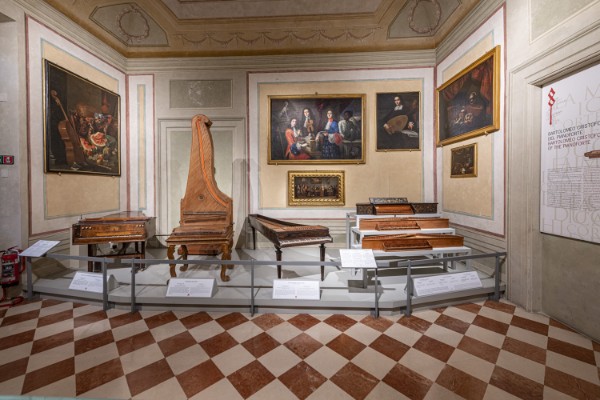
3. Galleria dell’Accademia (Florence, Italy)

Official website: https://www.galleriaaccademiafirenze.it/en/

Galleria dell’Accademia

Galleria dell’Accademia

This museum is best known as the home of Michelangelo’s David, but the building also features an extraordinary collection of musical instruments.

The Galleria dell’Accademia was founded in 1784 by Holy Roman Emperor Leopold II. In 1873, the sculpture David was moved from an outdoor location to the Galleria, making it a prime tourist attraction.

Much later, in 2001, the instrument museum opened. It includes roughly fifty instruments owned by the Grand Dukes of Tuscany, the Medici family, and the Lorraine family.

This collection includes a tenor viola by Stradivari, a piano by Cristofori (the first piano maker), harpsichords, wind instruments, and even percussion instruments.

There are also paintings of the Medici family with their musicians and stringed instruments.

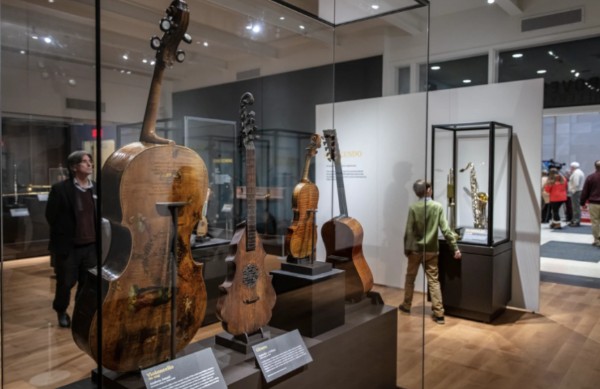
4. The Metropolitan Museum of Art (New York City, USA)

Official website: https://www.metmuseum.org/departments/musical-instruments

The Metropolitan Museum of Art

The Metropolitan Museum of Art

Tucked within one of the world’s most famous art museums is a stunning musical instrument sub-collection.

This collection began in 1880, just ten years after the founding of the museum, with a handful of ancient instruments.

In 1889, a woman named Mary Elizabeth Adams Brown donated nearly three hundred instruments. Over the following decades, she continued collecting them on behalf of the museum. By 1918, the year she died, the museum had acquired over 3500 instruments.

In 2019, the Met opened a remodeled musical instrument gallery. It features six hundred instruments: viols, lutes, wind instruments, string instruments, and more.

The crown jewel of the collection is the earliest known surviving piano, an instrument by Bartolomeo Cristofori, dating from 1720.

5. Musikinstrumenten-Museum (Berlin, Germany)

Official website: https://www.museumsportal-berlin.de/en/museums/musikinstrumenten-museum/

Musikinstrumenten-Museum

Musikinstrumenten-Museum

This collection was founded in 1888 and contains around 3000 musical instruments. Its European instruments date from the sixteenth century to the present day.

The museum features harpsichords, spinets, flutes, and other instruments played by musical royals like Queen Sophie-Charlotte of Prussia and Frederick II.

The website also advertises: “The collection of Naumburg wind instruments, the almost complete instrumentarium of a central German town pipe workshop from around 1600, is outstanding.”

One of the most famous instruments in the collection is the “Mighty Wurlitzer” organ, which has 1228 pipes, making it one of the biggest instruments of its kind in Europe. It also features sound effects like birdsong, thunder, sirens, and more.

6. The National Music Museum (Vermillion, South Dakota, USA)

Official website: https://www.nmmusd.org/

The National Music Museum

The National Music Museum

The National Music Museum was founded in 1973 on the campus of the University of South Dakota in Vermillion (current population: 11,700). Despite the small size of Vermillion, the NMM has become one of the great musical instrument museums in the world.

The museum’s collection began with Arne B. Larson, who was born in Minnesota in 1904. He grew up to become a piano tuner, teacher, and collector. In 1966, he was hired by the University of South Dakota in Vermillion, and he brought his massive musical instrument collection with him.

Highlights of the collection include the earliest surviving grand piano from France (dating from 1781), a virginal from ca. 1520, hundreds of historical band instruments, and a collection of stringed instruments by Stradivari, Amati, Andrea Guarneri, and others. They also own one of the only two surviving Stradivari mandolins.

7. The Cobbe Collection (East Clandon, UK)

Official website: https://www.cobbecollection.co.uk/

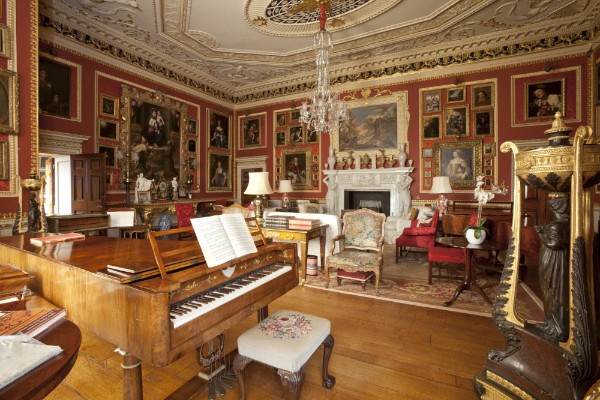
The Cobbe Collection

The Cobbe Collection

The Cobbe Collection is one of the most remarkable assemblies of historic instruments in the world, and it exists in an eighteenth-century English country house in Surrey.

The setting adds to the atmosphere: visitors can see these instruments in elegant vintage rooms, much as they would have appeared in the eighteenth and nineteenth centuries.

Many of the instruments were played by major composers. Highlights of the collection include several pianos that Chopin played while traveling in England, as well as pianos that once belonged to ElgarMahler, and even Marie Antoinette!

Conclusion

Whether you’re a professional musician or just a listener who loves music, these museums offer a rare chance to get up close with the instruments that helped shape classical music history.

Tuesday, December 9, 2025

Franz von Suppé: Poet and Peasant Overture


Oldies Classic Christmas Songs 🎶☃️✨| Frank Sinatra, Nat King Cole, Bing ...


The 25 MASTERPIECES That Prove Classical Music is ALIVE and TIMELESS


Friday, December 5, 2025

Classical Music for Christmas - The Best Classical Music makes you happy


Centenary of the Premiere of the Controversial Concerto in F


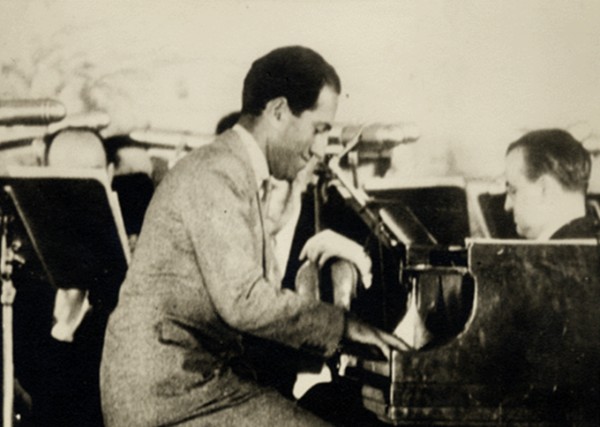
George Gershwin

George Gershwin

‘Many persons had thought that the Rhapsody [in Blue] was only a happy accident. Well, I went out, for one thing, to show them that there was plenty more where that had come from’ – George Gershwin speaking about the birth of his Concerto in F.

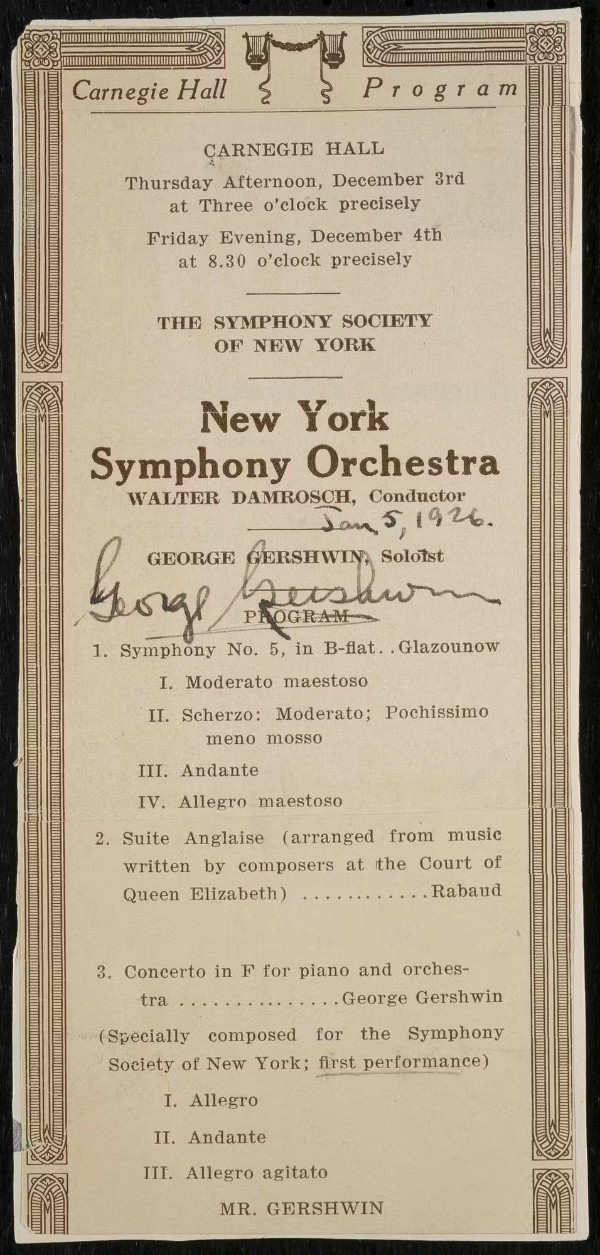
The Concerto’s premiere took place at Carnegie Hall on 3rd December 1925, conducted by Damrosch with Gershwin at the piano. The concert was sold out, and the Concerto was very well received by the general public. But the reviews were mixed, with many critics unable to classify it as jazz or classical. There was a great variety of opinion among Gershwin’s contemporaries too: Prokofiev found it “amateurish”, while The New York Times called it “a new kind of symphonic jazz,” acknowledging Gershwin’s growing maturity as a composer beyond the success of his earlier ‘Rhapsody in Blue’. Arnold Schoenberg, one of the most influential composers at the time, praised Gershwin’s concerto in a posthumous tribute in 1938:

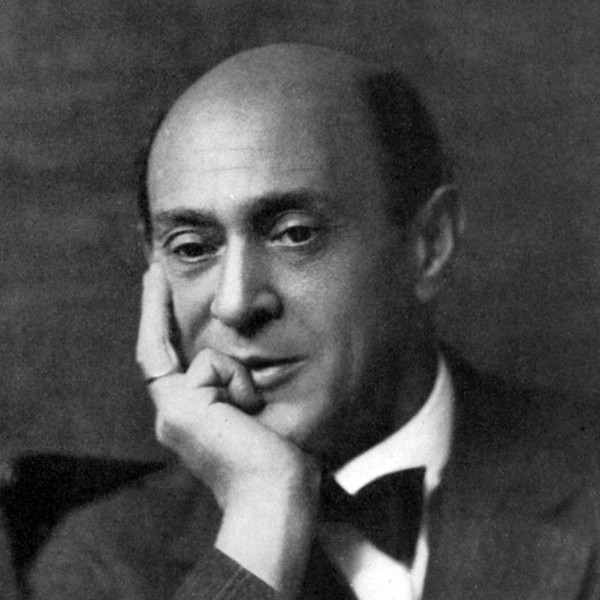
Arnold Schoenberg

Arnold Schoenberg

Gershwin is an artist and a composer – he expressed musical ideas, and they were new, as is the way he expressed them.… Serious or not, he is a composer, that is, a man who lives in music and expresses everything….by means of music, because it is his native language. … What he has done with rhythm, harmony and melody is not merely style. It is fundamentally different from the mannerism of many a serious composer [who writes] a superficial union of devices applied to a minimum of ideas. … The impression is of an improvisation with all the merits and shortcomings appertaining to this kind of production. … He only feels he has something to say and he says it.’     

The concerto’s lasting legacy begins with its role in legitimising jazz as a component of “serious” music. Gershwin didn’t simply sprinkle jazz harmonies over a classical structure: instead, he successfully integrated syncopations, bluesy melodic contours and the raw energy of urban life into the concerto’s DNA. This helped shift attitudes in concert halls, expanding the notion of what orchestral music could or should contain. It also paved the way for later composers such as Leonard Bernstein and Aaron Copland to continue exploring the crossover between jazz and classical idioms.

Carnegie Hall program of Gershwin's Concerto in F premiere

Carnegie Hall program

In addition to its historical importance, the Concerto in F is a beloved staple of the piano concerto repertoire because of its sheer musical appeal. Pianists relish its virtuosic demands, from crisp syncopations to sweeping, lyrical lines. Orchestras enjoy its colourful writing, which includes inventive writing for percussion and dynamic interactions between soloist and ensemble. And audiences continue to be captivated by its buoyant spirit and its ability to convey both exuberance and introspection. Few works capture the optimism, swagger, and complexity of early 20th-century America as vividly as the Concerto in F.