Total Pageviews

Showing posts with label Frederic Chopin. Show all posts

Tuesday, March 31, 2026

Why a besotted piano student held Liszt at gunpoint

Terry Blain


Liszt's disgruntled piano student threatens to kill him

In mid-October 1871, a message was cabled from New York City to Franz Liszt in Europe. In itself, this was nothing unusual. Nearing 60 years old, the Hungarian composer and pianist had long been a globally famous musician, attracting 2,000 letters a year in correspondence. But this new communication was startlingly different. It was from a former pupil of his, the 26-year-old Olga Janina, and her message was brutal: she was returning by steamship to Europe, and she was going to kill him.

Liszt was no stranger to extremes of human behaviour. As a pianist his extraordinary skill and charisma had roused audiences to unprecedented levels of adulation. Women in particular adored him, fainting at his concerts and scrambling to lay hold of his personal possessions in a frenzied hero-worship known as ‘Lisztomania’. But Janina’s ghoulish cable was something else again – an explicit, unmistakable threat of assassination. Could it possibly be serious?   

'She wore a belted dagger with a poisoned tip'

Those around Liszt certainly believed it could. As a pupil of the great pianist, Janina had cut an arresting figure among her fellow students and acolytes. She cut her hair short, smoked cigars, dressed in jacket and trousers, and wore a belted dagger with (allegedly) a poisoned tip on it. Unnervingly, she also carried a revolver and bit her fingernails so aggressively that blood dripped on the keyboard when she played the piano. Unsurprisingly, Janina was viewed as dangerously unstable by her circle of acquaintances, one of whom advised Liszt to be on his guard ‘against the vengeance of a hysterical madwoman’.  

  • More Liszt at gunpoint...

A dangerous, passionate obsession... made worse by opium addiction

But what was Janina feeling vengeful about? After all, Liszt had, it seems, done much to further the career of the aspiring young pianist from Lemberg (now Lviv, Ukraine). He taught her, gave her work as a copyist, arranged concert opportunities and made her part of his travelling entourage. Janina’s relationship to Liszt, however, quickly became emotionally obsessive. One observer spoke of her ‘headstrong passion’ for her mentor, another described her as ‘a little, witty, foolish person, mad about Liszt’. 

Janina’s unsteady grip on reality was further weakened by an addiction to opium and other pharmaceutical substances. She began styling herself ‘Countess’ and ‘the Cossack’ – images extravagantly at odds with her solidly bourgeois upbringing (her father’s money came from a patented boot polish). She also made several attempts at suicide, prompted by her father’s death in 1870 and her subsequent struggles with money.

More Liszt at gunpoint...

A humiliating public scolding... and rejection

How did these dangerously swirling energies suddenly fasten on a plan to murder Liszt? One possible factor was a series of memory lapses Janina suffered while playing Chopin’s Ballade in G minor at a prestigious house concert hosted by Liszt in Budapest. Visibly irritated, Liszt stamped his foot and ‘upbraided her more than angrily’. A public scolding by the greatest living pianist left painful scars, and further destabilised Janina’s already precarious mental position.   

By now, Liszt was tiring of Janina’s difficult nature and her socially embarrassing habits. He partly engineered her departure for the US in July 1871 as an attempt to relaunch a professional career that had sputtered only fitfully in Europe. But the trip was fruitless, and Janina was angered by Liszt’s ‘pitiless’ reaction to her failures and frustrations. And so the threatening cable to her erstwhile idol and benefactor was sent. 

More Liszt at gunpoint...

She burst into his apartment, a revolver in one hand and poison in the other

Janina was not long in acting on it. On 25 October 1871, she burst into Liszt’s Budapest apartment, a revolver in one hand and bottles of poison in the other. She had, she said, come to shoot Liszt and then die by suicide. A tense few hours followed, as Liszt attempted to talk Janina down. At one point she swallowed the poison and went into convulsions, but a doctor later confirmed that the ‘poison’ was in fact harmless. The ‘terrible disturbance’, as Liszt termed it, appeared to be over.  

Liszt at gunpoint: the aftermath

It did, though, have an unsavoury afterlife. In 1874, Janina published a purportedly autobiographical novel, in which she none too subtly intimated that her relationship with Liszt had been sexual. There is no reliable evidence that this was true, but the book enjoyed a succès de scandale, in the process causing Liszt considerable upset and embarrassment.    

Janina went on to marry twice more, and died aged 69 in 1914. ‘Of all the crises that Liszt was called upon to endure in his long and chequered life,’ writes Liszt biographer Alan Walker, ‘it is arguable that none caused him more anguish.’ Liszt’s own take on l’affaire Janina was notably more phlegmatic. ‘She was not malicious, merely unbalanced,’ he later commented. ‘And, in my opinion, also talented.’ 

Friday, March 6, 2026

Frédéric Chopin’s 10 “Easy” Piano Pieces

 by Hermione Lai  March 1st, 2026


The music can be fragile, dance-like or fleeting, and infused with a sense of great nostalgia or melancholy. And then there is this emotional fragility, like emotions changing in mid-sentence. Chopin’s music feels so vulnerable, seemingly confiding in the listener. It’s emotion in its purest form.

Rudolf Schuster: Fryderyk Chopin in the salon of prince Antoni Radziwiłł

Rudolf Schuster: Fryderyk Chopin in the salon of prince Antoni Radziwiłł

Yet we all know that his music is famously challenging to play. In the hands of experts, it sounds effortless, floating through the air with a passion that’s always under control. But if you have been studying the piano, you know that the technical challenges of playing Chopin are substantial.

For Chopin’s birthday on 1 March 1810, let’s do something special by presenting 10 of his easiest piano pieces. In their original scoring, there are none for complete beginners, sorry. But if you are an intermediate pianist, here are 10 pieces that are surprisingly approachable.

On the top of my list of approachable Chopin piano pieces is the Prelude in E minor, from the Op. 28 set. This piece even looks approachable on paper. No glittering runs or thundering octaves, and no crazy fast arpeggios.

To be sure, the slow tempo and simple left-hand accompaniment are immediately inviting. No violent leaps or intricate crossings, with chords unfolding regularly. Of course, it’s all about the weight of each chord and how one harmony resolves into the next.

The melody is pure simplicity, essentially an expressive sigh that hovers above the broken chords. You will be able to learn the notes of both hands relatively quickly, but can you make the piano sing? Technically, it is approachable, but to convey the emotions is much more difficult. 

The set of 24 Preludes in Op. 28 contains some wonderful pieces for intermediate pianists. Take the A Major Prelude, Op. 28, No. 7, as an example. It’s one of the shortest piano pieces Chopin ever wrote, and it feels like a fleeting smile.

While the left hand keeps a steady and lilting accompaniment, the right hand sings a folk-like melody. No wild leaps or complicated passagework in the left hand, and a very pianistically unfolding melody in the right hand. No acrobatics here at all.

The notes should come to you rather easily, but can you find the elegance demanded from this small dance? It should never sound mechanical, with the left hand breathing softly. But don’t slip into sentimentality, as it is naturally beautiful.     A number of Chopin waltzes are glittering showpieces, but Op. 34, No. 2 is different. This one is a far gentler affair. And it’s difficult not to be swept up in the flowing rhythm of the dance.

What makes waltzes difficult to play on occasion are extreme jumps and brutal stretches. In Op. 34, No. 2, the familiar waltz pattern is, of course, present, but the technical demands here are not punishing. There are some ornaments in the right hand, but like much of Chopin, the entire melody lies comfortably under the fingers.

Did you notice that this waltz is scored in the minor key? There is a celebration for sure, but it feels more like a memory than an actual celebration. Passion is everywhere, but it is all viewed through a veil.

Mazurka in A minor, Op. 17, No. 4   

Let’s stay with the dance idiom for a bit, although the Mazurka in A Minor, Op. 17, No. 4 is slightly more challenging. Still, it isn’t a showpiece that glitters and sparkles, but another deep personal recollection.

There are some broken patterns in the left hand, but with the unhurried tempo, an intermediate pianist can learn the notes. Chopin opens up a sparse texture, with the left hand always supporting the melody, not battling it. And what a fantastic piece to learn all about rubato.

Technically, it gets a bit more challenging in the middle section. However, it all feels rather introspective. The gently swaying rhythm carries you away to the Polish homeland Chopin missed so much. Whatever you do, don’t try to overpower this emotionally very fragile music.

Prelude in B minor, Op. 28, No. 6   

Technically speaking, we should count the Prelude in B minor, Op. 28, No. 6 among the 10 easiest Chopin pieces. And on the surface, that is certainly true. It all seems rather simple, with the left hand playing marching chords while the right hand quietly presents a fragile melody.

What might be technically simple is frequently emotionally challenging. This particular prelude is pure melancholy. The weight of each chord should never destroy the sense of fragility, and it’s easy to get carried away with the rubato.

A great pianist once said that by listening to Chopin, audiences should feel as if the composer is confiding in them. And that’s the melody in this prelude. Every single note is a secret, whispered to you in great confidence. And it is never ashamed to do so.

Frédéric Chopin: Waltz in B minor, Op. 69, No. 2   

For another approachable piece in B minor, let’s turn to the Waltz Op. 69, No. 2. It is approachable for an intermediate pianist as the technical challenges are manageable, but the music just sounds deceptively easy.

We do find the gentle waltz pattern in the accompaniment, and the melody offers flowing phrases and lyrical lines. Yet, there are plenty of subtle shifts in dynamic, in delicate accents, and the rubato simply has to sound like natural breathing.

If you play this mechanically, it will immediately lose all charm. There is so much restraint and intimate tenderness that is incredibly difficult to express. While the notes might be suitable for young fingers, the emotional content certainly isn’t.

Mazurka in G minor, Op. 67, No. 2    

The Chopin Mazurkas are never really that easy to play, but technically, some are accessible to intermediate pianists. These Polish dances are at the heart of Chopin’s piano music, and they always carry a sense of melancholy and longing.

The mazurka rhythm flows gently and steadily throughout, with the lyrical melody clearly written by an expert pianist. There are no uncomfortable leaps and jumps, and no blazing runs from the top to the bottom of the keyboard. The notes can be learned.

The most challenging part of this piece is that the pianist has to shape the mood. The phrases must breathe, and the off-beat accents gently navigate you between a memory of joy and a sigh of sorrow. You won’t be successful if you only think of virtuosity and speed.   

Every aspiring pianist wants to play a Chopin Nocturne, and the C-sharp minor is probably one of his most approachable. Steady arpeggios won’t kill your hands if you know how to rotate your wrist, and the melody is one of the most natural creations ever written by Chopin.

The melody is delicately emerging over the accompaniment, and it needs very careful attention. The real difficulty comes from shaping that melody. Everything relies on expressive timing and gentle dynamic nuance. And don’t let that rubato run away with you.

There is plenty of passion in the opening section, and some real drama in the central part. Each change of harmony and turn of melody becomes a reflection or unspoken emotion that can be felt immediately.   

Since Chopin died at such an early age, a number of pieces were never prepared for publication by himself. They were discovered among his manuscripts and shared with publishers later.

One such treasure is a gentle waltz in A minor, featuring a steady accompaniment and a naturally flowing lyrical melody. This gem is entirely approachable for intermediate pianists, and it carries all the expected emotional intensity.

There is nothing dazzling in this dance. Rather, Chopin almost shyly immerses us in a melancholic quality that feels entirely personal. Since it was discovered only after Chopin’s death, it carries an extra sense of quiet mystery.

Prelude in C minor, Op. 28, No. 20    

Sometimes, the Prelude in C minor, Op. 28, No. 20 is nicknamed “Chordal Prelude.” And that pretty much describes the technical aspects. Thick chords carry the melody, and it is very manageable for intermediate pianists.

Yet, this quietly powerful miniature carries immense emotional depth. It feels like a march, maybe even a procession of memory. Emotion is contained in every single chord, and also in the silences between them.

You need more than technical proficiency to play this one. You need great sensitivity, a sense of patience, and empathy. It’s like a moment of reflection that has been suspended in time.

Bonus Time

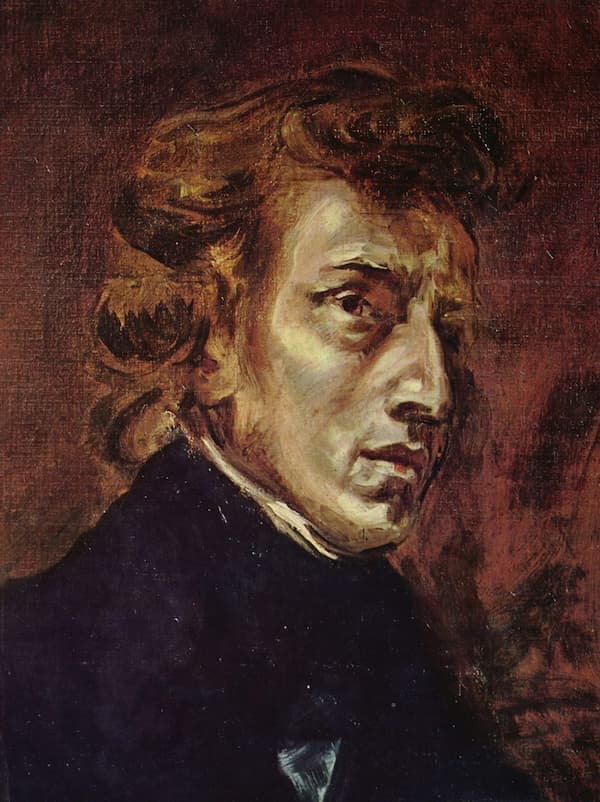
Portrait of Frédéric Chopin by Eugène Delacroix, 1838

Portrait of Frédéric Chopin by Eugène Delacroix, 1838

Here then is a little bonus selection, the famous “Raindrop” prelude. Every aspiring pianist is eager to play this little gem. And you already know about that hypnotic A-flat in the left hand.

It gets a bit stormier in the middle section, but the raindrops need to be soft and consistent. As soon as you start to force this repetition, the entire mood will be lost. Everything must sound as natural as possible.

I am sure you have already noticed the Chopin paradox in 10 of his easiest piano pieces. They are technically approachable and relatively simple, yet deeply emotional and profound. These might be playable by young fingers, but it will take an entire lifetime to probe their emotional depth.

Friday, May 23, 2025

What Music Did Composers Choose For Their Funerals?

by 

Music is always an important part of any funeral service or memorial service.

The right choice of music can pay tribute to the deceased’s tastes and provide comfort to the mourners left behind.

Have you ever wondered what music the great composers had performed at their funerals? Today, we’re looking at four fascinating composer funerals – and the music that was played at each of them.

George Frederic Handel (1759)

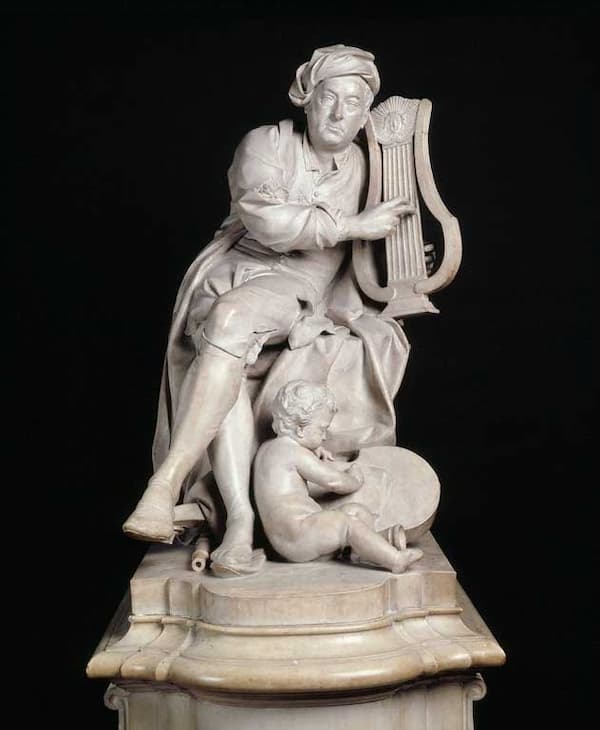
Marble statue of Handel, 1738

Marble statue of Handel, 1738

In August 1751, sixty-six-year-old composer George Frederic Handel developed a cataract in one eye. His vision began deteriorating, especially after a procedure conducted by a quack surgeon.

By the following year, he was totally blind and no longer able to compose.

He died in 1759. Although he had been born in present-day Germany, he had become a celebrity during his time in England. Accordingly, he was granted the privilege of a state funeral at Westminster Abbey.

He died on 14 April, and his funeral was held on 20 April. The Bishop of Rochester officiated, and over three thousand mourners attended.

Three choirs collaborated on a performance of Funeral Sentences by composer and organist William Croft.

These works have been performed at many famous British funerals since, including Winston Churchhill’s, Princess Diana’s, and Queen Elizabeth II’s. 

Wolfgang Amadeus Mozart (1791)

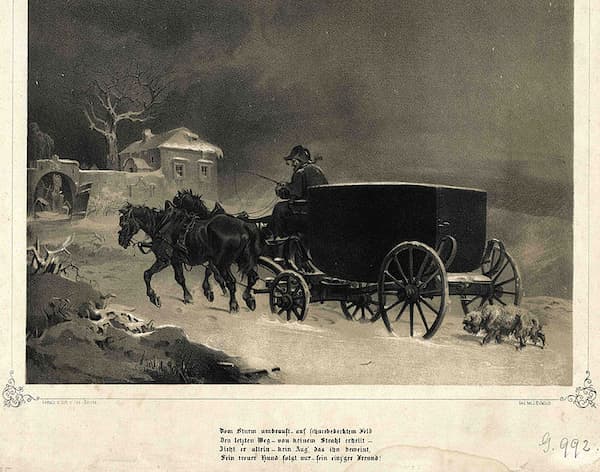
Engraving (1860) representing Mozart’s burial

Engraving (1860) representing Mozart’s burial © wordsmusicandstories.wordpress.com

Historians disagree about the cause of Mozart’s death and the length of his health decline during the autumn of 1791.

However, it is known that by 20 November, he was bedridden, in pain, and vomiting.

He died on 5 December at his home, a little after midnight. The Requiem he was working on was left unfinished.

Mozart’s funeral was planned by his friend and patron Baron Gottfried van Swieten. It took place on 10 December at the parish of St. Michael in Vienna.

A portion of his unfinished Requiem was played at the service. The only movement that Mozart had completed and that was ready for performance was the opening “Requiem aeternam” from the Introitus section. 

Scores for a few more movements based on sketches were quickly rounded out by Mozart’s student Franz Jacob Freystädtler, who completed the unfinished portions of the remaining movements, such as the Lacrymosa, Sanctus, and Benedictus.

Completion of the other movements was later tackled by another Mozart student named Franz Xaver Süßmayr.

The musicians who performed at Mozart’s funeral volunteered their services to pay tribute to their dead colleague.

Learn more about Mozart’s funeral.

Ludwig van Beethoven (1827)

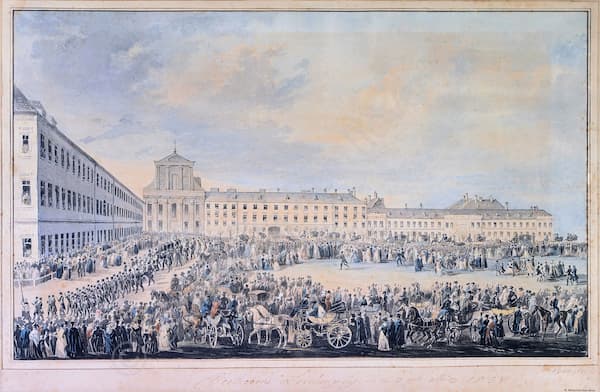
Beethoven's funeral as depicted by Franz Xaver Stöber

Beethoven’s funeral as depicted by Franz Xaver Stöber © Wikipedia

By the time of his death in 1827, Beethoven’s health had been deteriorating for years.

Of course, his deafness was his most famous health complaint, but he also struggled with liver failure, pneumonia, and alcohol addiction.

He died in the early evening of March 26.

The funeral was a massive event. It is estimated that between 10,000 and 30,000 mourners lined up on the surrounding streets to pay tribute, or at least catch a glimpse of him.

His pallbearers included composer Johann Nepomuk Hummel, piano pedagogue Carl Czerny, and composer Franz Schubert.

Beethoven had not left specific instructions about what music he wanted to have performed at his funeral. Conductor and composer Ignaz von Seyfried took on the responsibility of providing music for the event.

Seyfried picked out two of Beethoven’s Three Equals, works for trombone ensemble that had been commissioned for All Souls’ Day in 1812. Seyfried rearranged them to include a men’s chorus.  

Next he arranged the third movement of Beethoven’s Piano Sonata No. 12, a funeral march, again for trombone and men’s chorus. 

He also conducted a “Chorale of the Brethren of Charity” from incidental music for Wilhelm Tell by now-forgotten composer Bernhard Anselm Weber.

To wrap it up, Seyfried offered his own “Libera me”, which quoted Mozart’s Requiem.

The bigger musical tribute came a few days later after the funeral proper at a commemorative performance. There the entire Mozart Requiem was performed in full.

Learn more about Beethoven’s funeral.

Frédéric Chopin (1849)

Pianist and composer Frédéric Chopin had endured severe chronic illness throughout his adult life.

However, during the 1840s, it became clear that his tuberculosis infection was likely going to kill him.

In 1842, he wrote to a friend that he was so sore and fatigued that he was lying in bed for the day.

On 15 October 1849, it became clear that the end was finally near. Musical visitors came and performed for him to provide comfort. He finally died on 17 October.

The funeral took place on 30 October. Chopin’s fame was such that tickets had to be printed for the event. Thousands of people came from around Europe to pay tribute, but only four thousand ticketed mourners were allowed into the Church of the Madeleine.

The music had been carefully chosen by Chopin himself and included Mozart’s Requiem. The archbishop himself had to issue special dispensation to allow women singers to sing in church, as long as they performed behind a black curtain.  

Other musical offerings included organ arrangements of his fourth and sixth piano preludes, as well as the funeral march from his Piano Sonata No. 2.  

For more of the best in classical music, sign up for our E-Newsletter

Wednesday, April 9, 2025

Top 10 Romantic composers


Top 10 Romantic composers

Gramophone
Thursday, January 2, 2025

The Romantic period was one of the most innovative in music history, characterised by lyrical melodies, rich harmonies, and emotive expression. Here's our beginner's guide to the greatest composers of the Romantic period

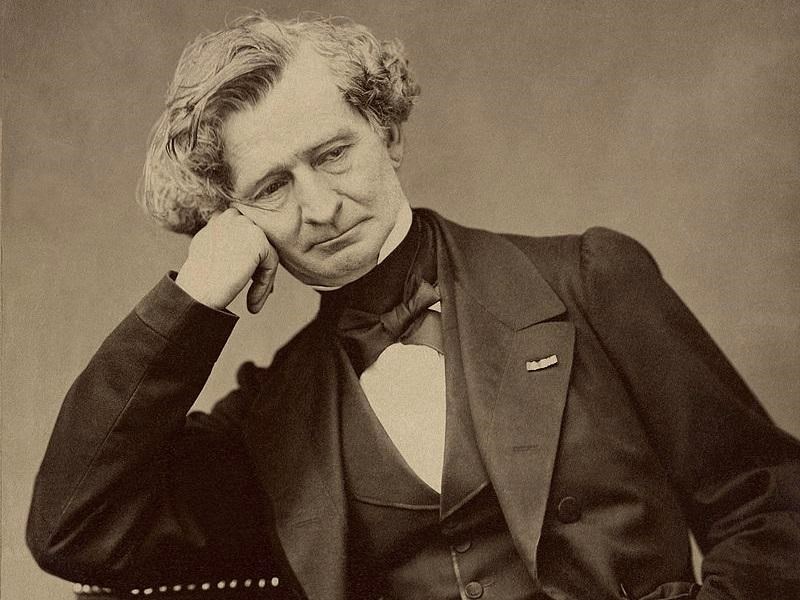
Hector Berlioz (1803-69)

The arch-Romantic composer, Hector Berlioz’s life was all you’d expect – by turn turbulent and passionate, ecstatic and melancholic.

Key recording:

Les Troyens 

Sols incl DiDonato, Spyres, Lemieux; Strasbourg Philharmonic Orchestra / John Nelson (Gramophone's 2018 Recording of the Year) Read the review

Explore Berlioz:

Top 10 Berlioz albums – 10 great Berlioz recordings by Sir Colin Davis, John Nelson, Régine Crespin, Robin Ticciati and more


● Top 10 Baroque composers

● Top 10 Classical era composers

● Top 10 Renaissance composers


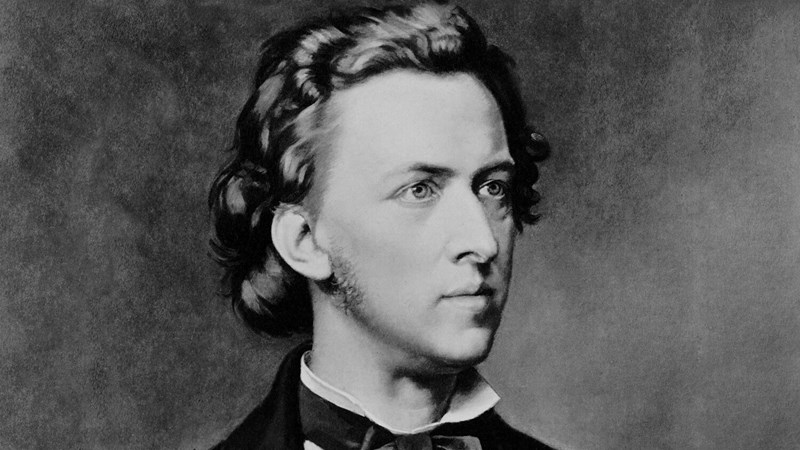
Fryderyck Chopin (1810-49)

Few composers command such universal love as Fryderyck Chopin; even fewer still have such a high proportion of all their music in the active repertoire. Yet he is the only great composer who wrote no symphonies, operas, ballets or choral works. His chief claim to immortality relies not on large scale works but on miniature forms.

Key recording:

Piano Concertos No 1 & 2 

Martha Argerich pf Montreal Symphony Orchestra / Charles Dutoit (winner of the Gramophone Concerto Award in 1999) Read the review

Explore Chopin:

The 10 greatest Chopin pianists – Stephen Plaistow recalls the illustrious recorded history of Chopin's oeuvre and offers a personal view of great Chopin interpreters.


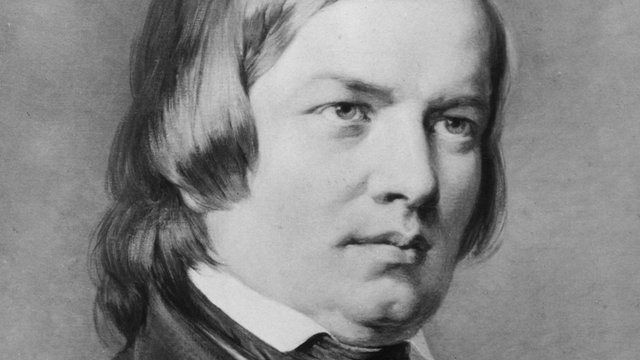
Robert Schumann (1810-56)

Robert Schumann is a key figure in the Romantic movement; none investigated the Romantic’s obsession with feeling and passion quite so thoroughly as him. Schumann died insane, but then some psychologists argue that madness is a necessary attribute of genius.

Key recording:

Symphonies Nos 1-4 

Chamber Orchestra of Europe / Yannick Nézet‑Séguin (Editor's Choice, May 2014) Read the review

Explore Schumann:

Robert Schumann: the story of his prolific ‘year of song’ – Richard Wigmore explores the music of and biography behind Robert Schumann’s miraculous year of song, 1840


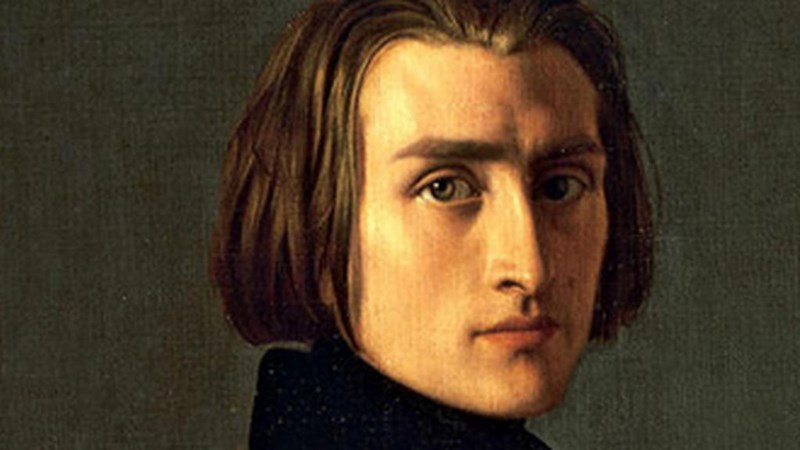
Franz Liszt (1811-86)

Composer, teacher, Abbé, Casanova, writer, sage, pioneer and champion of new music, philanthropist, philosopher and one of the greatest pianists in history, Franz Liszt was the very embodiment of the Romantic spirit. He worked in every field of music except ballet and opera and to each field he contributed a significant development.

Key recording:

'Transcendental: Daniil Trifonov plays Franz Liszt'

Daniil Trifonov pf (Recording of the Month, October 2016; shortlisted for Instrumental Award 2017) Read the review

Explore Liszt:

Podcast: exploring the music of Liszt – Editor Martin Cullingford is joined by Gramophone writer and expert on both Liszt and the piano, Jeremy Nicholas to discuss the composers's greatest works, and the greatest recordings of his music. 


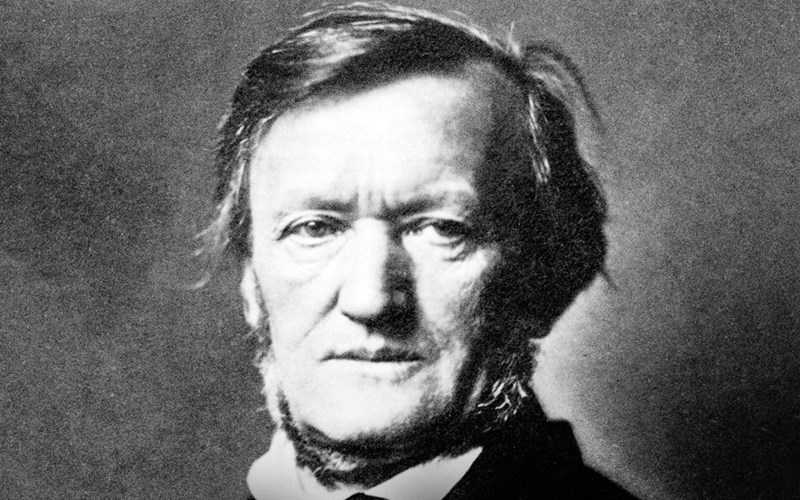
Richard Wagner (1813-83)

No composer has had so deep an influence on the course of his art, before or since. Entrepreneur, philosopher, poet, conductor, one of the key composers in history and most remarkable men of the 19th century, Richard Wagner knew he was a genius. He was also an unpleasant, egocentric and unscrupulous human being.

Key recording:

Parsifal

Sols incl Jess Thomas, George London, Hans Hotter; Bayreuth Festival Chorus & Orchestra / Hans Knappertsbusch Read the review

Explore Wagner:

The Gramophone Collection: Wagner's Ring – Mike Ashman visits the musical immortals and the younger gods of today to deliver his verdict on the complete Ring on record.


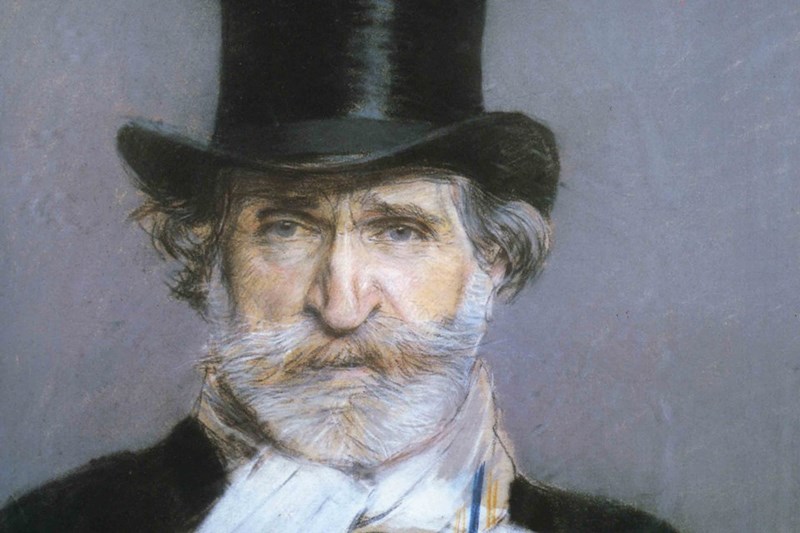
Giuseppe Verdi (1813-1901)

Giuseppe Verdi was never a theoretician or academic, though he was quite able to write a perfectly poised fugue if he felt inclined. What makes him, with Puccini, the most popular of all opera composers is the ability to dream up glorious melodies with an innate understanding of the human voice, to express himself directly, to understand how the theatre works, and to score with technical brilliance, colour and originality.

Key recording:

Aida

Sols incl Anja Harteros, Jonas Kaufmann, Ekaterina Semenchuk; Coro dell'Accademia Nazionale Di Santa Cecilia, Orchestra dell'Accademia Nazionale di Santa Cecilia / Antonio Pappano (winner of the 2016 Gramophone Opera Award; Recording of the Month, Awards issue 2015) Read the review

Explore Verdi:

Verdi's Otello: a guide to the best recordings – Richard Lawrence finds at least three very special Otellos, and some electric conducting.


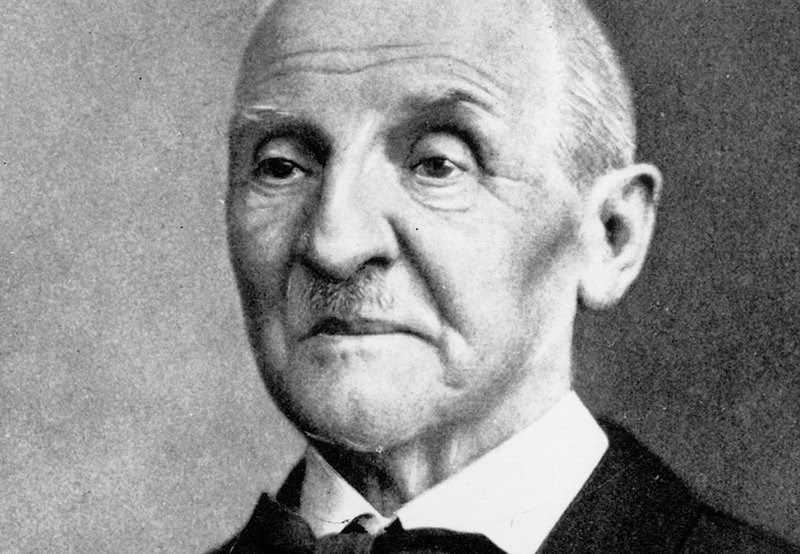
Anton Bruckner (1824-96)

Anton Bruckner’s reputation rests almost entirely with his symphonies – the symphonies, someone said, that Wagner never wrote.

Key recording:

Symphony No 9

Lucerne Festival Orchestra / Claudio Abbado (Gramophone's 2015 Recording of the Year) Read the review

Explore Bruckner:

Top 10 Bruckner recordings – A beginner's guide to the music of one of the great symphonic composers.


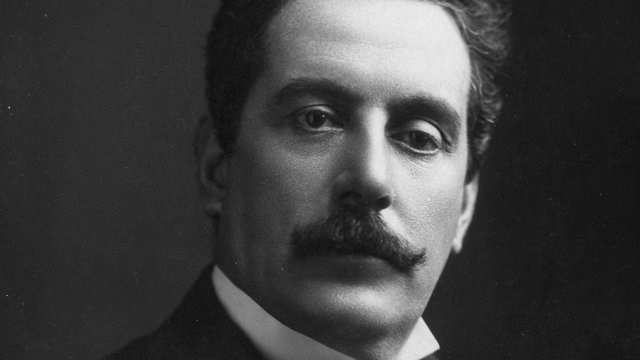
Giacomo Puccini (1858-1924)

Whatever the atmosphere he wanted to create, Giacomo Puccini’s sound world is unique and unmistakeable with its opulent yet clear-cut orchestration and a miraculous fund of melodies with their bittersweet, tender lyricism. His masterly writing for the voice guarantees the survival of his music for many years to come.

Key recording:

Tosca

Sols incl Maria Callas, Giuseppe di Stefano, Tito Gobbi; Orchestra and Chorus of La Scala Milan / Victor de Sabata Read the review

Explore Puccini:

Maria Callas: the Tosca sessions – Maria Callas’s famous 1953 Tosca, as Christopher Cook reveals for the first time, was riven by tension and driven by a relentless quest for perfection.


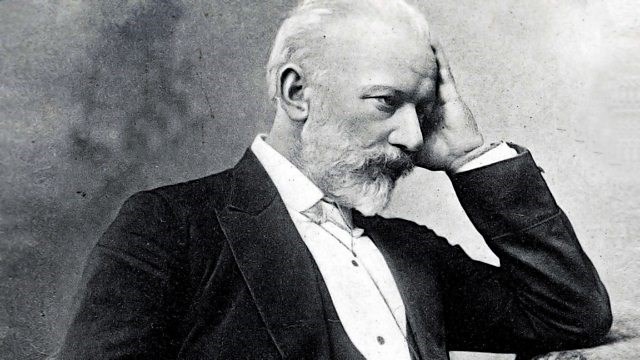
Pyotr Il'yich Tchaikovsky (1840-93)

Tchaikovsky is the most popular of all Russian composers, his music combining some nationalist elements with a more cosmopolitan view, but it is music that could only have been written by a Russian. In every genre he shows himself to be one of the greatest melodic fountains who ever lived.

Key recording:

Symphony No 6, Pathétique

MusicAeterna / Teodor Currentzis (Recording of the Month, January 2018) Read the review

Explore Tchaikovsky:

Tchaikovsky's 1812 Overture: the complete guide – How audiences, performers and the composer himself have responded to this iconic and surprisingly controversial work, by Geoffrey Norris.


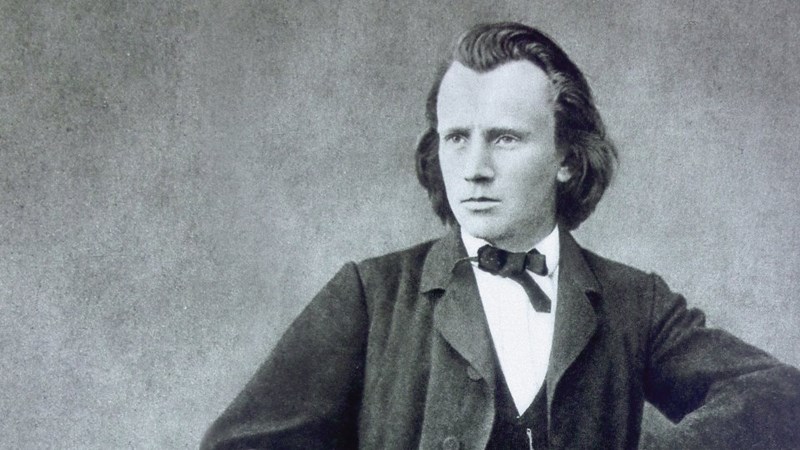
Johannes Brahms (1833-97)

One of the giants of classical music, Johannes Brahms appeared to arrive fully armed, found a style in which he was comfortable – traditional structures and tonality in the German idiom – and stuck to it throughout his life. He was no innovator, preferring the logic of the symphony, sonata, fugue and variation forms.

Key recording:

Symphonies (Complete)

Gewandhaus Orchestra / Riccardo Chailly (Gramophone's 2014 Recording of the Year) Read the review

Explore Brahms:

Brahms's Symphony No 3: a guide to the best recordings – Richard Osborne surveys the finest recordings of the Third Symphony