Total Pageviews

Friday, March 7, 2025

Ravel at 150: A Legacy of Innovation

by Georg Predota 

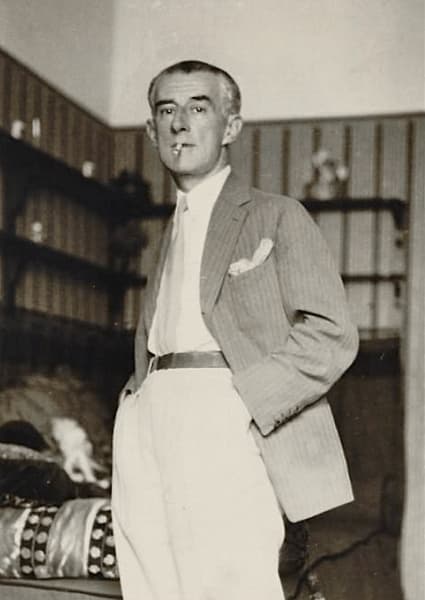
Maurice Ravel

Maurice Ravel

150 years ago, on 7 March 1875, the small village of Ciboure in the Basque region of France saw the birth of Maurice Ravel (1875-1937). Son of a Swiss engineer and a Basque mother, Ravel would become one of the most significant and innovative composers of the early 20th century, bridging the late Romantic tradition and the modernist impulses of his time.

Initially trained at the Paris Conservatoire, his music reflected a cosmopolitan sensibility, imbued with meticulous craftsmanship that earned him a reputation as a “musical jeweller.”

His oeuvre is characterised by its diversity and technical brilliance in a compositional style that often juxtaposes clarity and complexity. Revealing an almost obsessive attention to detail that frequently belies the effortless beauty of his melodies, Ravel’s music conveys a profound emotional restraint that often masks deeper sentiments beneath a polished surface.

As we celebrate his 150th birthday, we honour a composer whose masterful blend of innovation, emotional depth, and extraordinary craftsmanship forever shaped the landscape of classical music.

Maurice Ravel: Gaspard de la nuit 

Formative Years

“Throughout my childhood,” Maurice Ravel once said, “I was sensitive to music. My father, much better educated in this art than most amateurs are, knew how to develop my taste and to stimulate my enthusiasm at an early age.” Maurice was deeply devoted to his mother, and his earliest memories involved her singing folk songs to him. He did not receive any formal schooling at an early age, but the family’s small apartment in Paris did house a piano.

Encouraged by his father, Maurice began piano lessons with Henry Ghys and soon demonstrated an extraordinary ear, improvising and composing small pieces even before formal training fully took hold. His teacher later recalled that “his conception of music is natural to him and not, as in the case of so many others, the result of effort.” By age 14, Ravel entered the Paris Conservatoire, initially as a piano student, but his true passion soon shifted toward composition.

Maurice Ravel: Shéhérazade 

Formal Education
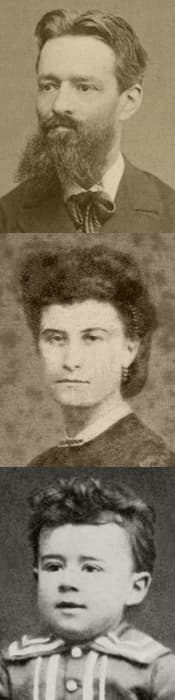
Ravel and his parents

Ravel and his parents

Ravel’s relationship with the Conservatoire, according to scholars, “was marked by his independent spirit and refusal to adhere to its rigid expectations.” The young student found his inspiration outside of formal education, particularly from the 1889 Paris Exhibition and the cultural atmosphere of the time.

During these formative years, Ravel befriended fellow student Ricardo Viñes, a Spanish pianist who introduced him to Iberian music and avant-garde ideas, further broadening his horizons. He explored a wide range of musical and literary influences, including the works of composers like SatieDebussy, and Chabrier, as well as writers such as Poe and Mallarmé. In fact, Ravel became part of a creative group called “Les Apaches” (The Hooligans) in the early 1900s, which fostered collaboration among artists, musicians, and writers.

Maurice Ravel: Rapsodie espagnole 

First Performances

When Ravel conducted the first performance of his Shéhérazade overture in 1897, he was called a “mediocrely gifted debutant.” Two years later he composed his first piece to become widely known, the Pavane pour une infante défunte. One way or another, Ravel appeared calmly indifferent to blame or praise. The only opinion of his music that he truly valued was his own, as he was a “perfectionist and severely self-critical.”
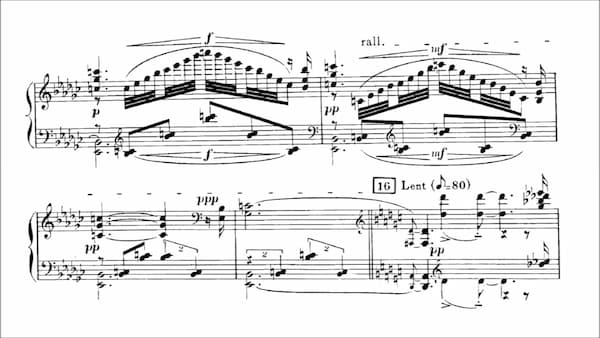
Maurice Ravel's Sheherazade

Maurice Ravel’s Sheherazade

At age 20, as biographer Burnett James reports, “Ravel was self-possessed, a little aloof, intellectually biased, and given to mild banter. He dressed like a dandy and was meticulous about his appearance and demeanour.” He continued to struggle at the Conservatoire, failing to secure the Prix de Rome despite multiple attempts between 1901 and 1905. However, his time there under Gabriel Fauré’s tutelage “honed his craft and instilled a lifelong devotion to clarity and refinement.”

Maurice Ravel: Pavane pour une infante défunte 

International Reputation

By the early 20th century, Ravel had begun to distinguish himself in France with works like Jeux d’eau, a shimmering tour de force that showcased his innovative approach to texture and harmony. However, it was the premiere of his orchestral suite Daphnis et Chloé in 1912, commissioned by Serge Diaghilev for the Ballets Russes, that marked a turning point. This lush, expansive work, with its vivid orchestration and rhythmic vitality, captivated audiences and critics alike, and cemented Ravel’s status as a master of colour and narrative in music.
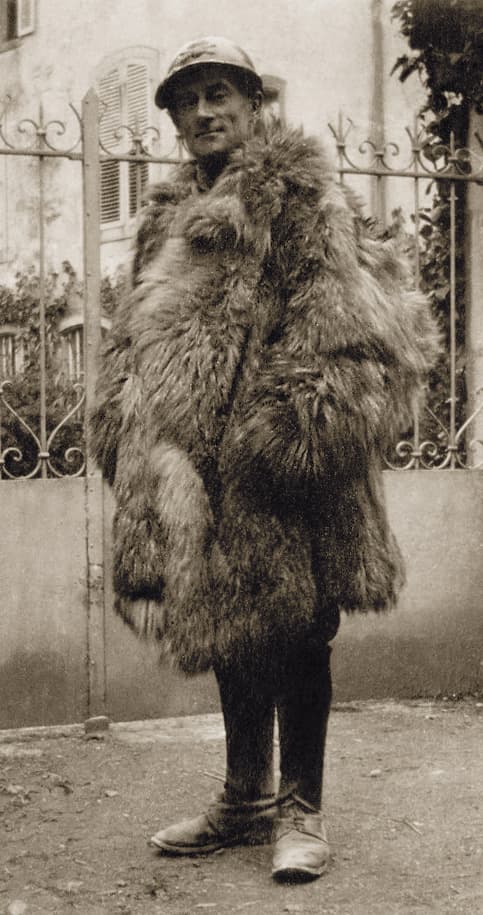
Maurice Ravel as a soldier in 1916

Maurice Ravel as a soldier in 1916

According to Roland-Manuel, Ravel was working on a Piano Trio when World War I broke out. In fact, Ravel was working on a number of projects, including a piano concerto based on Basque themes, two operas, a symphonic poem, and two major piano works. However, his compositional activity slowed significantly during the war, which he spent as a truck driver and ambulance assistant near the Verdun front. Suffering from exhaustion, dysentery, and the devastating loss of his mother in 1917, the war years left an indelible mark on his music and his psyche.

Maurice Ravel: Daphnis et Chloé “Suite No. 2” 

After 1918

With the notable exception of Le Tombeau de Couperin, the effects of the war left a distinct toll on Ravel’s creativity. Amidst national and personal trauma, Ravel began to cloak his personal sorrow in refined artistry, which some commentators interpreted as a coping mechanism. Focusing on neoclassical restraint and dance forms, Ravel aimed for greater introspection and simplicity, as La Valse might well be read as a haunting commentary on a shattered Europe.
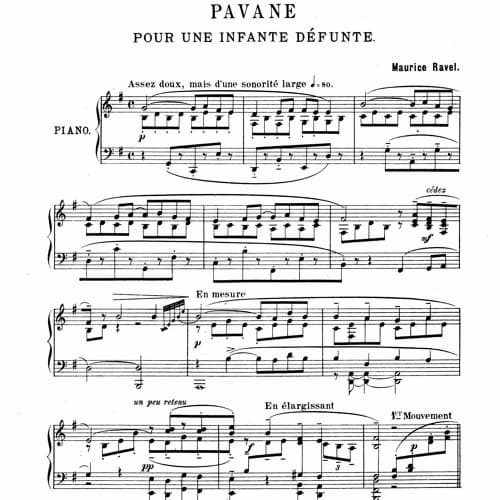
Maurice Ravel's Pavane pour une infante defunte

Maurice Ravel’s Pavane pour une infante defunte

After Debussy’s death in 1918, Ravel was regarded as France’s leading composers. He was officially recognised by the French state but publicly refused the Légion d’Honneur in 1920. His new-found celebrity also alienated him from some of his colleagues, particularly from Satie and some members of Les Six. As Barbara Kelly writes, “Ravel emphasised his isolation by moving 50km west of Paris, where he lived with his cats and was looked after by his housekeeper until his final illness.”

Maurice Ravel: Le Tombeau de Couperin 

International Profile and Decline

Internationally, Ravel was celebrated as a modernist icon and he performed and lectured to packed houses in New York and Boston. American audiences were particularly enchanted by Boléro, which became a global sensation. His interactions with StravinskyGershwin, and Vaughan William earned him accolades in England, Russia, and beyond, and his meticulous artistry and ability to fuse French elegance with universal appeal secured his place as a towering figure on the international musical landscape.
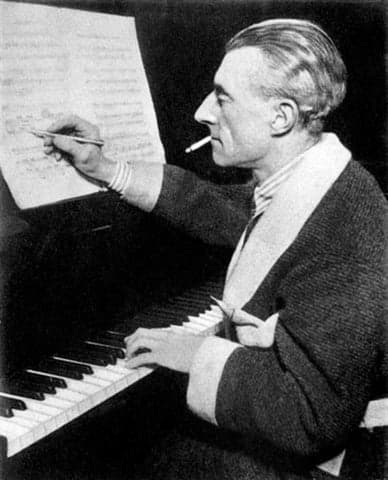
Maurice Ravel at the piano

Maurice Ravel at the piano

By 1927, Ravel’s health had alarmingly deteriorated, and while he could still hear and compose music in his head, he gradually lost the ability to write it down. As he reported, “my mind is full of ideas, but when I want to write them down, they vanish.” Injured in a taxi accident in 1932, Ravel consulted a number of neurologists and underwent exploratory brain surgery. He died aged 62 in the early morning hours of 28 December 1937. The exact cause of Ravel’s death is still much debated, as are attempts to discover Ravel’s neurological decline in his later compositions.

Maurice Ravel: La Valse 

Legacy

Ravel’s legacy as a composer is a testament to his singular ability to synthesise tradition and innovation. His meticulous craftsmanship, often likened to that of a watchmaker, produced a body of work that balances classical forms with a modernist sensibility, pushing harmonic and technical boundaries while retaining elegant coherence. His mastery of orchestration became a benchmark for further explorations of colour and texture in film music and beyond.
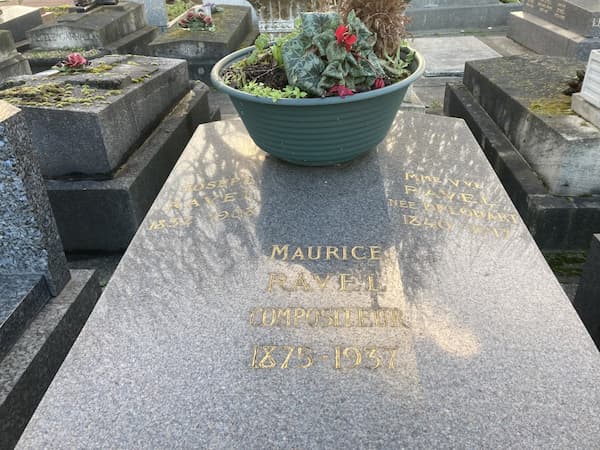
Maurice Ravel's grave

Ravel’s grave

Beyond specific compositional techniques, Ravel’s frequently veiled profound sentiment and emotional restraint beneath a highly polished surface, “evoking the universal through the particular.” By using cross-cultural influences woven into a distinct French idiom, Ravel is lauded as a precursor of a globalised aesthetic subsequently emerging in composers like Messiaen and Takemitsu. In the 21st century, Ravel remains a towering figure whose contributions continue to inspire and challenge the boundaries of musical expression.

One of his closest friends, the exceptional pianist Marguerite Long famously wrote, “Maurice Ravel is reserved, sacred, and distant with unwelcome visitors, yet he was the surest, most delicate, and most faithful of friends. By his exterior appearance, his witticisms, and his love of paradoxes, he has often contributed to crediting the myth of spiritual indifference, but, in spite of these appearances, this great prisoner of perfection hid a sensitive and passionate soul.”

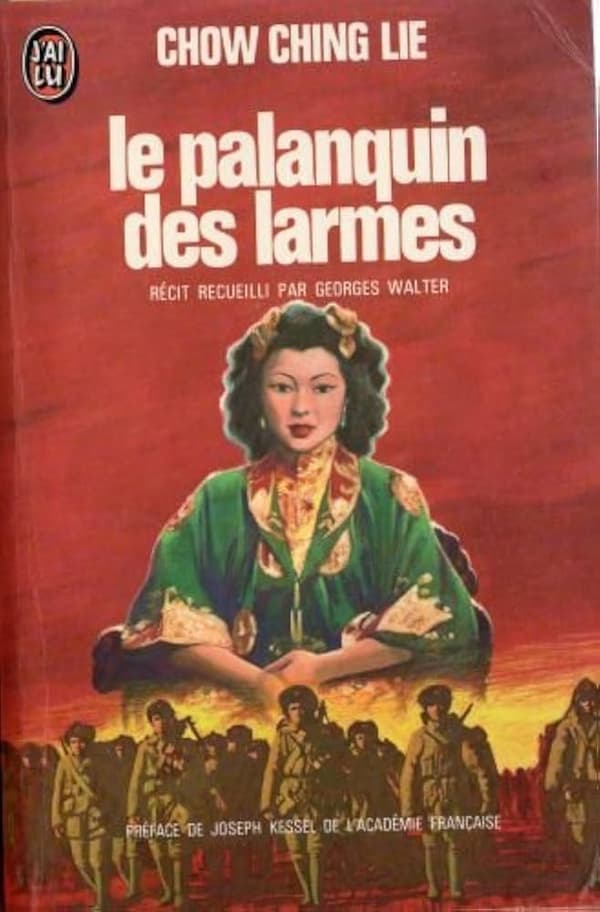
Chow Ching Lie : Journey in Music

 by 

Chow Ching Lie's personal memoir 'Le Palanquin des Larmes' (Journey in Tears)

Chow Ching Lie’s personal memoir ‘Le Palanquin des Larmes’ (Journey in Tears)

Forced into an arranged marriage at the age of 13, becoming a mother by 14 and a widow at age 26, her memoirs detail her journey from a child bride to fulfilling her dream of becoming an internationally recognised pianist. It is not just a tale of personal triumph over adversity but also a critical look at gender roles, societal expectations, and a quest for personal freedom.

Chow Ching Lie Documentary Trailer 

Yellow River Concerto

Her “Journey in Tears” is also a “Journey in Music,” as it becomes a source of solace in her darkest times and simultaneously a tool for empowerment. It symbolises her resilience, her fight for autonomy, and her way of reclaiming her identity. She and her two children find a new home in Paris, and by connecting with people across cultures, music becomes a profound commentary on the power of art to heal, transcend, and transform lives.

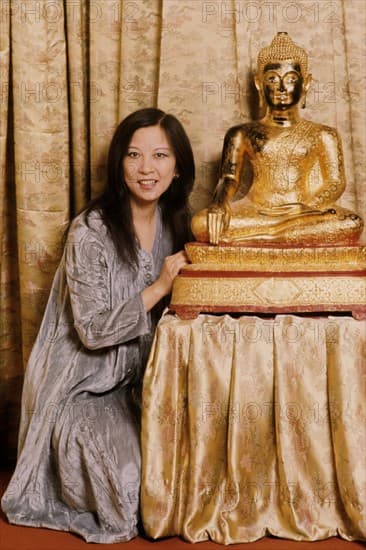
Chow Ching Lie

Chow Ching Lie

For Chow, who passed away on 16 February 2025, Music was always woven into the narrative of her life, highlighting significant emotional or transformative movements. It served as both a backdrop and a reflection of her personal evolution. As such, we decided to choose compositions that found thematic resonance with her life’s journey, from the melancholy of early struggles to the hopeful notes of her later achievements. 

Yellow River Concerto

The Lark

Chow’s enchantment with music started at the age of six when a student at her school sat down in front of a piano to give a small recital. She writes, “this strange, shining black object stood at the centre of the stage… Suddenly, her hands flew over the keyboard like enchanted birds, and the sound that was emitted from that strange black object was more beautiful than anything I had ever heard.”

Her father rented a piano and provided first lessons to her and her sister. She managed to make considerable progress by the end of her first year. She first appeared in front of an audience at the age of 10, performing Glinka’s “Lark.” That composition would later serve as a metaphor for her newfound freedom and the sense of lightness she felt in Hong Kong. Away from the oppressive environment she had known, Chow felt that she could convey not just her technical skills but her personal joy and relief.

Glinka/Balakirev: The Lark 

Moonlight Sonata

Chow Ching Lie next to the piano

Chow Ching Lie

Beethoven’s “Moonlight Sonata” holds a special place in Chow Ching Lie’s narrative, serving as a poignant emblem of her inner world amidst the external chaos of her life. She first played the work when she was still a young girl, trapped in the confines of her arranged marriage. For Chow, the opening movement allowed her to express the deep-seated melancholy and yearning for freedom that she was unable to voice in her real life.

The “Moonlight Sonata” reappears at various junctures, each time marking a significant milestone in her life. When she performed the work at a concert in Hong Kong, her first major performance after departing from Shanghai, it became more than just a piece of music. For Chow, it captured her journey from darkness into light, from silence to expression, embodying the essence of her transformation through music.

Ludwig van Beethoven: Piano Sonata No. 14, Op. 27 No. 2 “Moonlight”

Clair de Lune

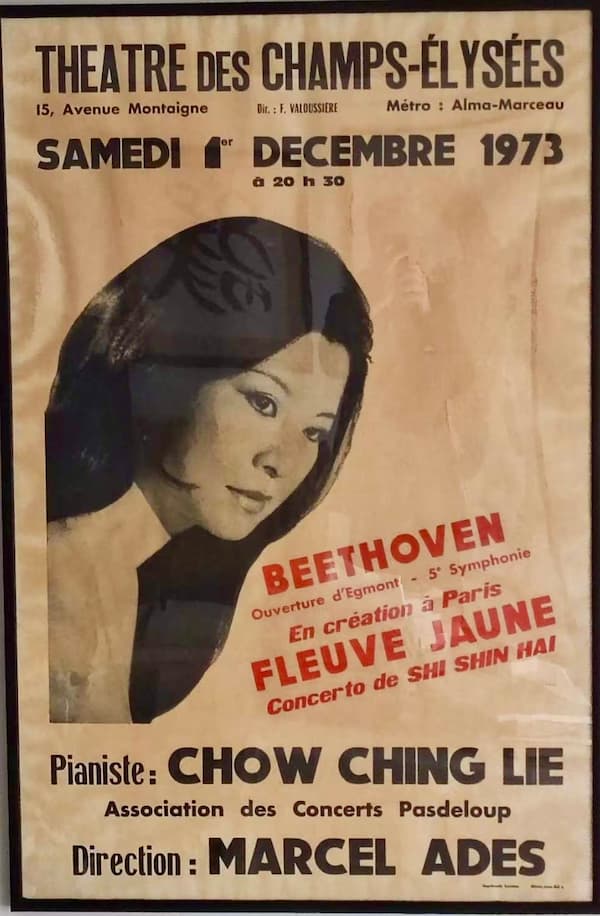
Chow Ching Lie's performance poster in December 1973

Chow Ching Lie’s performance poster in December 1973

Debussy’s “Clair de Lune” becomes a significant piece in Chow’s musical journey, particularly after her move to France. She describes her first encounter with that composition as “a revelation, as the music’s delicate and nuanced expression resonated with my soul.” Her performances of “Clair de Lune” highlight several key moments in her life, most notably at a concert in Paris.

For Chow, “Clair de Lune” became a medium through which she could share her journey of healing and self-discovery. Every note seems to echo her newfound peace and love for life, in stark contrast to the tears of her earlier years. As she called it, “this music was a way to heal from past wounds while embracing the beauty of the present.”

Claude Debussy: Clair de Lune 

Alla Turca

For Chow Ching Lie, the “Alla Turca” from Mozart’s A-Major sonata represents moments of great personal joy and public acclaim. It represents music that contrasts with the much more introspective pieces she had previously associated with her life’s struggles. It came to represent the playful, confident, and exuberant parts of her personality.

The “Alla Turca” is frequently mentioned in the context of teaching music, where Chow finds delight in sharing the playful energy with her students. She vividly recalls a concert in France, where she decided to lighten the programme with a performance. Apparently, the audience, initially drawn in by her interpretations of classical works, is surprised and delighted by the sudden shift to the vibrant and spirited “Alla Turca.”

Wolfgang Amadeus Mozart: Piano Sonata No. 11 in A Major, K. 331 “Alla Turca” 

Ave Maria

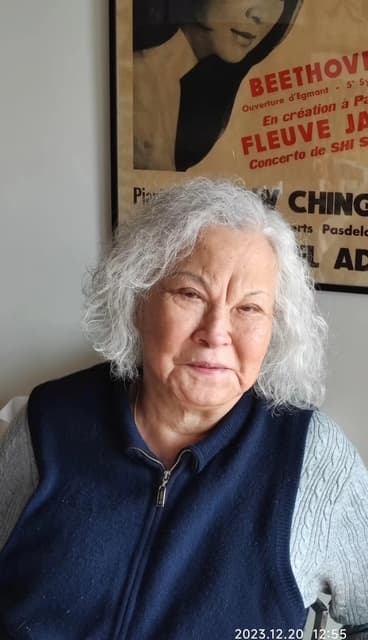
Chow Ching Lie

Chow Ching Lie

The ideas of music and healing in Chow’s narrative are of primary importance, as music transforms her suffering into resilience and purpose. Her pursuit of music emerges as her salvation and as a means of emotional escape and eventual physical liberation. Music was not simply an art form but a powerful healing force.

The healing power of music operates on both a personal and symbolic level. Personally, it offered a way to process trauma, and symbolically, music became the conduit for transcending cultural and personal wounds. During a visit to the pilgrimage site of Lourdes, Chow was so touched by what she saw that she spontaneously started to play the “Ave Maria.” The very same piece sounded when Chow played in public for the last time; tellingly, the performance took place in a hospital under the title “Music and Healing.”

Chow Ching Lie’s Hospital Performance 

Throughout Chow Ching Lie’s life, music transcended mere art and became her voice of liberation, her sanctuary amidst adversity, and ultimately the melody through which she transformed her story from one of tears into one of triumph.

Wednesday, March 5, 2025

JULIE ANNE SAN JOSE - CAN YOU READ MY MIND, ICE CASTLES MEDLEY


JULIE ANNE SAN JOSE takes us down memory lane with a nostalgic, controlled and beautiful rendition of a Medley of two popular songs from 1978-1979, CAN YOU READ MY MIND? (Maureen McGovern) and THEME FROM ICE CASTLES (Melissa Manchester) JULIE SINGS THE DIVAS - The Theatre, Solaire - July 20, 2019 Musical Director, Orchestra & Vocal Arranger: Danny Tan Concept: Danny Tan Stage & TV Director: Louie Ignacio Producer: Sunnyside Up Productions Performer: Julie Anne San Jose MUSICIANS: Keyboard 1: Danny Tan Keyboard 2: Sonny Matias Keyboard 3: Jem Florendo Guitars: Ric Mercado Acoustic & Electric Bass: Joji Magadia Drums: Roy Mercado Back Up Vocals: Babsie Molina, Sylvia Macaraeg, Elise Goloy Cortez, Zebedee Zuñiga The UP Arco String Orchestra (Conductor: Prof. Michi Martinez) The UP Concert Chorus (Conductor: Prof. Jai Sabas Aracama) Vocal Coach: Jai Sabas Aracama Special thanks to Ms. Lilybeth Gomez-Rasonable, Ms. Gigi Santiago-Lara (GMA Artist Center), Ms. Darling De Jesus Bodegon, Ms. Mae Salonga-Zambrano, Ms. Wilma Galvante, Mr. Audie Gemora and GMA Network Inc.

Tuesday, March 4, 2025

Angel M. Peña - his music and his life


Angel M. Peña


Photo from Angel Peña Facebook page
Angel Matias Peña was born on the 22nd of April, 1921 in Laoag, Ilocos Norte, Philippines. He is a composer and bass player.  He received a certificate of merit in double-bass playing under a grant (with Gary Hickling as his mentor) and a Licentiate from the Royal Schools of Music, London.

He has arranged various jazz concerts for the Upsilon Sigma Phi at the University of the Philippines. He worked as the dance band leader at the Hong Kong Hilton for a time and conducted lecture-demonstrations, among others at the Thomas Jefferson Library in Manila in 1968, and at the University of Hawaii in 1975.

Among his compositions for orchestral music are Igorot Rhapsody (1958), Concerto for Double Bass and Orchestra (1969), Concerto for Jazz Quartet and Orchestra (1981) and Symphonic Variations on Two Manobo Themes (1983). He has also composed chamber music works.  His most popular kundiman is "Iyo Kailan Pa Man" with words by Levi Celerio.

Angel Peña won two first prizes at the Philippine National Compositions Contests. He also received a plaque from the Order of Knights of Rizal for his composition, Homage to Rizal. He has three long playing records of original compositions released in Manila, the United States and Germany.

Angel Peña is affiliated with the Performing Rights Society Ltd of London, the United Kingdom Song Writers Guild of Great Britain, the American String Teachers' Association, the Musicians Association of Hawaii, and the Audition Committee of the Honolulu Symphony Orchestra.

Read more about Angel M. Peña on the following sites:

Sarah Brightman Ennio Morricone Nella Fantasia LIVE


Sarah Brightman sings Ennio Morricone's song from the theme Mission : Nella Fantasia. Lyrics as follows, translation to English is below the Italian lyrics: ( not a mirror translation as mirror translations due to the poetic languaging and Italicisms do not make sense in English word to word ) Nella fantasia io vedo un mondo giusto, Li tutti vivono in pace e in onestà. Io sogno d'anime che sono sempre libere, Come le nuvole che volano, Pien' d'umanità in fondo all'anima. Nella fantasia io vedo un mondo chiaro, Li anche la notte è meno oscura. Io sogno d'anime che sono sempre libere, Come le nuvole che volano. Nella fantasia esiste un vento caldo, Che soffia sulle città, come amico. Io sogno d'anime che sono sempre libere, Come le nuvole che volano, Pien' d'umanità in fondo all'anima. In my fantasy there is a fair World, where everyone lives in peace and honesty. I dream of people who are free, like floating clouds, and are filled with humanity in the depths of their souls. In my fantasy I see a bright World where even at night there is less darkness there. I dream of souls who are always free, just like floating clouds, and are filled with humanity in the depths of their souls. In my fantasy there is a warm wind, wind that brings warmth into the city, like friends brings us warmth. I dream of souls who are always free, just like floating clouds, and are filled with humanity in the depths of their souls.

The MOST EMOTIONAL BALLADS of ALL TIME (TISSUES NEEDED)! - Wendy Kokkelk...


Friday, February 28, 2025

Playing Music Has Amazing Benefits for Young and Old


Did you know that years of music training can dramatically shape our brains? Those of us who spend many years practicing—repeating passages, mastering scales, and working on studies and repertoire—know that we not only become better musicians as a result. Scientific studies show that learning a musical instrument, even late in life, improves brain plasticity. It’s one of the most powerful ways to preserve and increase our cognitive abilities.

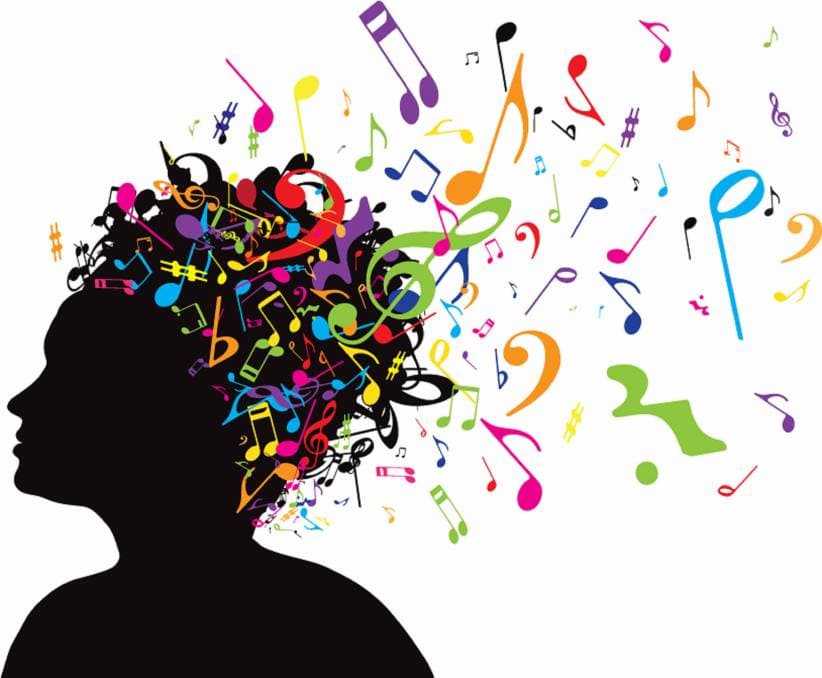
Graphic on music and the mind

© Newcastle Herald

Studies indicate that the effects of musical training are quite amazing. Music training even for a brief time, even after only one year, results in remarkable changes in the left hemisphere of the brain. Anatomical changes occur within minutes of practicing—and not only physical practicing but also with mental practice alone. As you’ll see in this wonderful TED Ed video produced by Anita Collins, a music educator, and Sharon Colman Graham, animator, if you want to give your brain a full workout: play a musical instrument! 

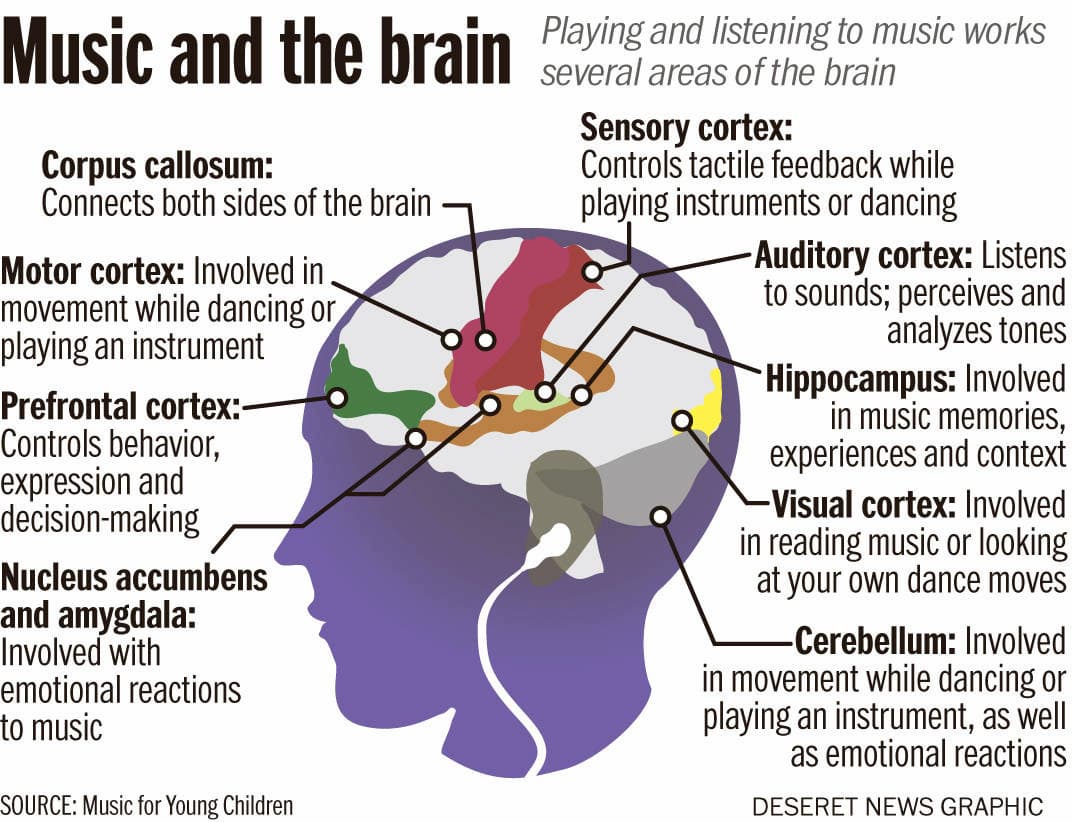
Now that brain imaging has been developed, it is actually possible to view the brains of musicians and to compare them with non-musicians. If you look at the brain image of a musician, playing music has actually rewired their brains. In a recent study by Gottfied Schlaug at Harvard University, it was found that the corpus callosum that connects the right and left sides of the hemispheres of the brain is enlarged in musicians. Playing music engages both sides of the brain. In musicians who have perfect pitch, a part of the auditory cortex has an asymmetrical enlargement as well.

Infographic explaining how playing and listening to music works several areas of the brain

© drjonesmusic.me

In other words, there is increased volume of gray matter in the motor, auditory, and visuo-spatial areas of a musician’s brain. That means a musician’s brain is easily identifiable, whereas the brains of other artists such as writers or painters, or in people in other professions, such as in mathematicians, are not differentiated on an MRI. A musician’s brain has stronger structural and functional connections.

ISC Brian and Creativity Center: How does music affect our moods and bodies 

Children benefit greatly from playing a musical instrument. As a result, they acquire improved verbal skills, increased fine motor skills, and enhanced social skills. The younger a student begins to play, the stronger their structural connections become. But even more important, youngsters who play in a group or who sing in a choir develop teamwork, empathy, and tenacity.

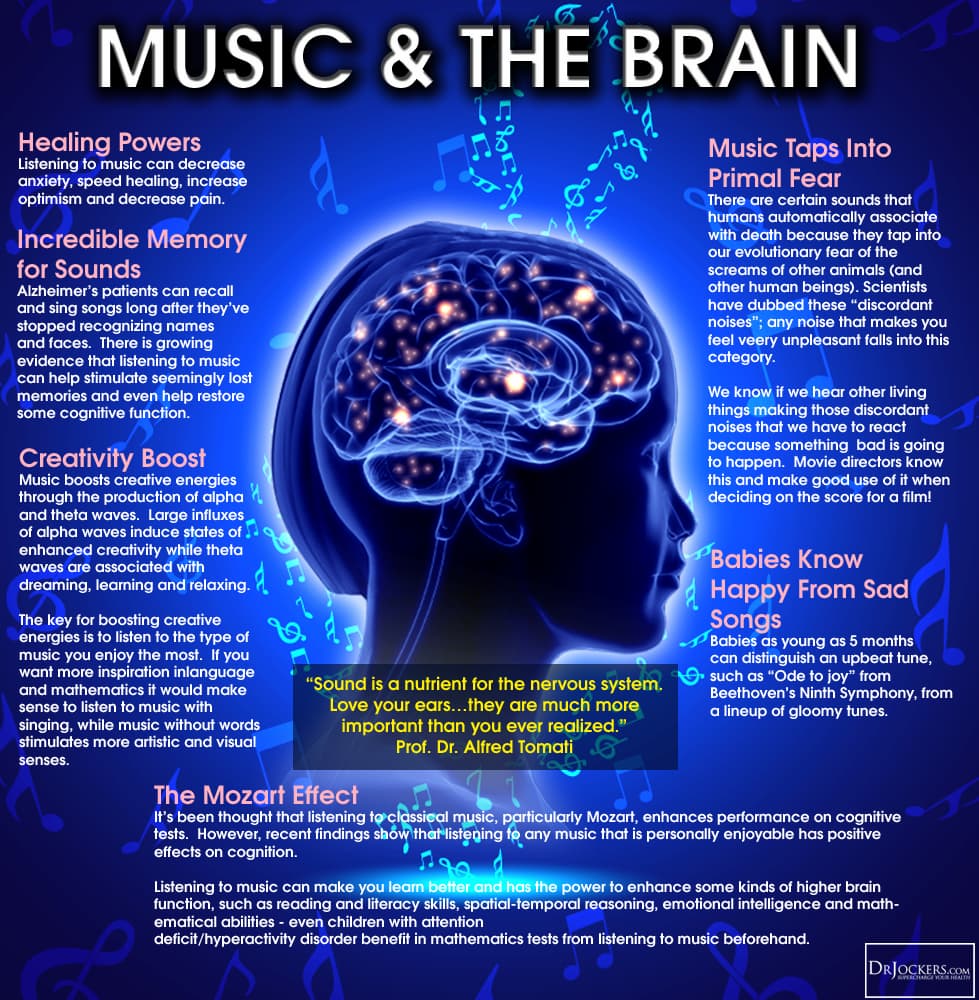
Infographic on music and the brain

© drjonesmusic.me

Making music is an activity in which each musician must learn to work together; each player learns that they are responsible for their own part and if they don’t practice he or she might let the rest of the group down. Conversely, he or she learns how to rely upon and trust other members of the group to hold their own. It takes practice over a long period of time to perfect a piece of music and each young musician learns that their determination and effort reaps rewards. These are essential life skills going forward, whether or not the student becomes a professional musician.

Aging has many consequences. Perhaps the most worrying is the possibility of losing memory. How is it that at age 96 and in the advanced stages of Alzheimer’s, the jazz singer Tony Bennett was able to perform an entire concert, remembering all his songs and lyrics? How is it that we never fail to be emotionally moved when we hear something causing us to exclaim, “that’s my song!” Music therapists and neurologists are discovering that although language can be drastically impacted by dementia, music memory is frequently untouched.

Jazz singer Tony Bennett and pop star Lady Gaga

Jazz singer Tony Bennett and pop star Lady Gaga © Larry Busacca/Getty Images for NARAS

Elderly people with Alzheimer’s or dementia can be brought to life when they recall songs from their childhood, and for those who played a musical instrument, musical muscle memory also often remains intact. Singing songs or playing familiar music can help a Parkinsonian individual relearn how to walk; or a brain-damaged individual how to speak. Neurologist Oliver Sachs put it beautifully,

“Music can lift us out of depression or move us to tears. It is a remedy, a tonic, orange juice for the ear. But for many of my neurological patients, music is even more—it can provide access, even when no medication can, to movement, to speech, to life. For them, music is not a luxury but a necessity.”

“Music has a unique power to alter the brain in remarkable and complex ways, and we humans are a musical species no less than a linguistic one.”

I think no-one can remain unmoved after watching the following clips but well before dire diagnoses, it’s important to know that music-learning improves memory and boosts retention of memory. 

Music is and has been ubiquitous—in elevators and boutiques, at funerals and celebrations, in theaters and concert halls. At every turn music gives us goosebumps, chills, smiles, and tears. Whether you are playing or listening, music is fundamentally rewarding. Playing music expresses a variety of emotions and it communicates wordlessly and deeply to others.

So why isn’t musical training more widely sought? I believe it’s a matter of perception and education. Music ought to be within our school curriculums but even when it isn’t offered, music education is often available within your community for nominal fees. Those of us who love music are responsible to spread the word: Playing music has amazing long-term benefits.

Edward Elgar: 10 Famous Quotes and Thoughts


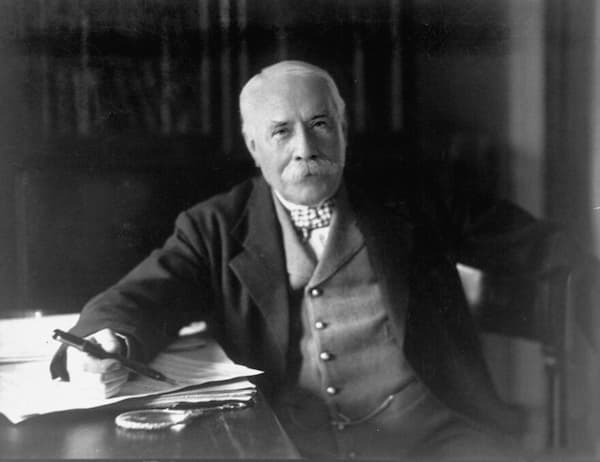
As a musician and composer, Edward Elgar was largely self-taught, learning through experimentation and playing in local ensembles. His music is characterised by its emotional depth, rich orchestration, and a sense of nostalgia that captures a time when the British Empire was at a peak.

Edward Elgar

Edward Elgar

During his later years, a period of personal struggles and the changing musical landscape, Elgar’s music endured by evoking a sense of pride and the pastoral beauty of England. Blending English elements with a personal, sometimes melancholic style, Elgar left behind a legacy that continues to resonate with audiences around the world.

Edward Elgar was reserved and private in his personal life, and he often felt like an outsider in the social circles of the time. While he did engage with the public through his music, Elgar was not known for making bold or controversial public statements. Later in life, Elgar became even more withdrawn and moved to a quieter part of England where he could continue composing in relative solitude.

On the occasion of Elgar’s passing on 23 February, let us offer some insight into his personality by exploring 10 of his most famous quotes and general thoughts.

Edward Elgar: Pomp and Circumstance March No. 1 “Land of Hope and Glory” 

“I always said God was against art, and I still believe it”

Attributed to Elgar, this quote is not tied to a specific documented event or piece of correspondence, and it might have been said in private conversation or during a moment of reflection. To be sure, Elgar’s statements often carried a tone of introspection or philosophical musing about the nature of art and life.

In this case, however, we get a clue from the second part of this quote when Elgar said, “Anything obscene or trivial is blessed in this world and has a reward, I ask for no reward, only to hear my work.”

Elgar had a complex relationship with his own creativity, experiencing periods of great success but also times of deep personal and creative depression. And during his early career, Elgar faced great challenges in getting his music recognised. He certainly believed that the divine forces were not necessarily on the side of the artist.

Edward Elgar: Salut d‘Amour, Op. 12 

“The music is in the air. Take as much as you want.”

This particular quote encapsulates Elgar’s philosophy on creativity, music, and its omnipresence. Throughout his life, Elgar spoke about music as something that was not just created but discovered or captured from the environment around him.

Edward Elgar

Edward Elgar

Elgar implies that there is no limit to the inspiration one can draw from the world. It is a democratic view of the arts, where inspiration is not in the exclusive domain of the professional composer but available to all.

It aligns with the ideas of the Romantic movement and its emphasis on emotion, nature, and the individual’s experience. In Elgar’s mystical view of creativity, music does not need to be laboriously contracted but exists all around us. It’s simply an invitation for everyone to engage with music. In a sense, it also expresses Elgar’s idea about the universal nature of music and its ability to transcend cultural and linguistic barriers.

Edward Elgar: Sea Pictures 

“I believe in the power of music to bring people together, to heal, and to inspire.”

Not directly attributed to Edward Elgar, the above statement does encapsulate sentiments that align with Elgar’s known views on the role of music and society and personal life. Elgar expressed his strong belief about the communal and therapeutic aspects of music throughout his life.

Elgar lived through turbulent times in history, and his music was often seen as a means to foster national identity. His saying possibly reflects his understanding of music’s role in bringing people together during times of national crisis and war.

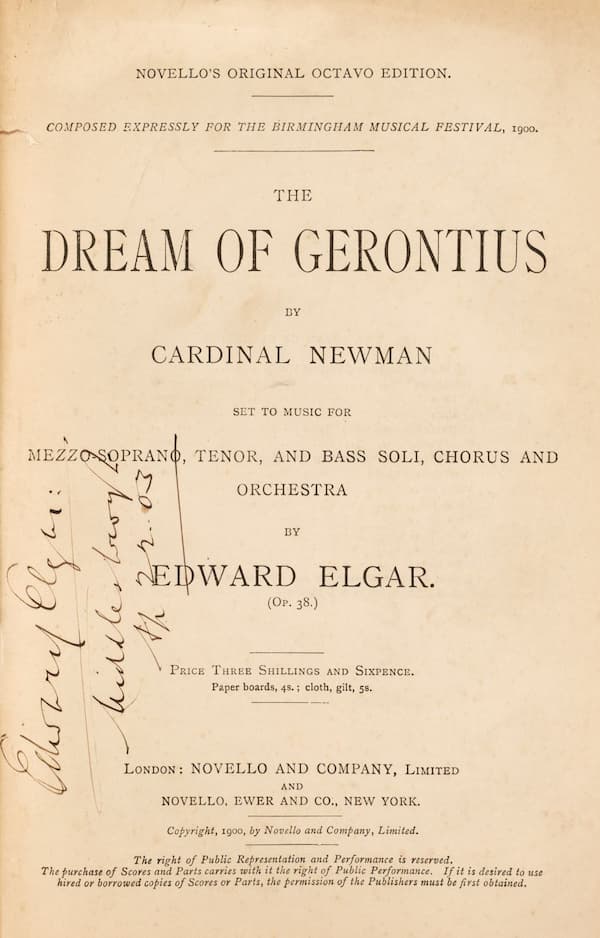
Elgar's Dream of Gerontius

Elgar’s Dream of Gerontius

Music therapy had not yet been a formalised practice during Elgar’s time, but the therapeutic qualities of music were something Elgar might well have appreciated personally, especially considering his bouts with melancholy. To be sure, the idea that music can soothe the soul or help with emotional recovery would have strongly resonated with him.

Edward Elgar: The Dream of Gerontius (excerpt) 

“Music has the power to express the deepest emotions when worlds are insufficient.”

Elgar was known for his introspective nature, and he certainly felt that music was his most effective means of communication. That was particularly true for complex or deep emotions that he found difficult to articulate in words.

For Elgar, music had the ability to transcend the limitations of verbal language. When words fail to capture the nuances of emotion, music can step in to express what is felt but not easily said. As such, music does not simply function as surface-level communication but reaches into the depths of human experience.

Elgar also seems to acknowledge music’s universal appeal. The world of emotions is part of the human condition across cultures, and music’s ability to express these emotions can connect people universally.

Edward Elgar: Enigma Variations 

“The object of art is to give life a shape.”

According to Elgar, art reflects the human condition, capturing moments, emotions and concepts that might otherwise be fleeting or inexpressible. For Elgar, art had a higher purpose, offering a lens through which we can view our existence.

For Elgar personally, this quote reflects his own composition process, in which he turned his personal experiences, like his love for his wife Alice or his contemplation of death and afterlife, into musical expressions that shaped his life’s narrative.

While he was speaking from the perspective of a composer, Elgar’s ideas resonated across all art forms. He strongly believed in the transformative power of art, not merely mirroring life but its ability to actively shape our perception, understanding, and experience of it.

Edward Elgar: Symphony No. 1 

“Music is like a dream. One that I cannot hear.”

Later in his life, Elgar suffered from hearing loss. His hearing began to deteriorate around the time of World War I, but by the end of his life, his ability to hear was significantly impaired. His personal struggle with hearing loss reflected the irony of a composer who could no longer fully experience his own art.

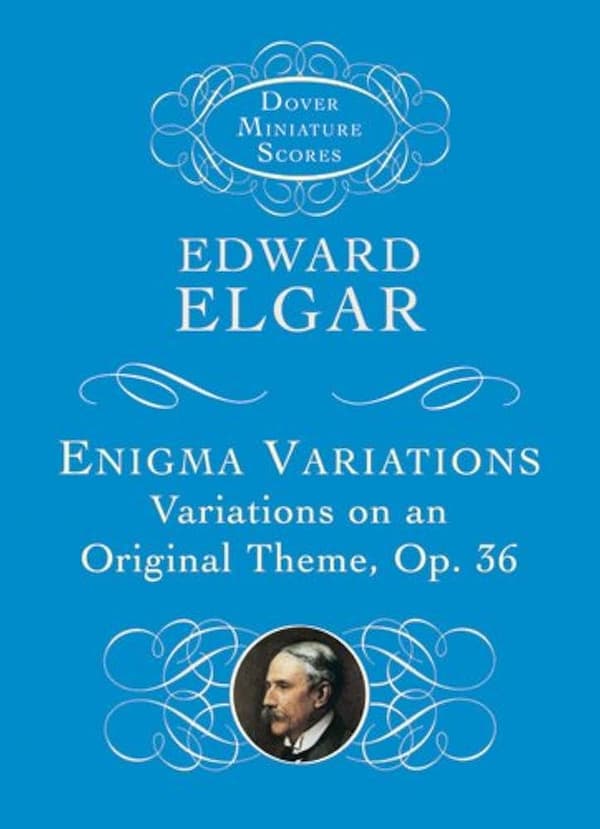
Elgar's Enigma Variations

Edward Elgar’s Enigma Variations

As Elgar aged, his composition took on a more reflective and sometimes melancholic tone. Music, which he spent his life creating and his means of expression, was becoming inaccessible to him in its most literal sense.

Elgar often spoke of music in terms that suggested it was something one could feel or sense beyond just hearing. In that sense, it aligns with the idea of music being dreamlike or existing on a plane beyond the physical. This quote, not explicitly attributed to Elgar, tells of the joy of creation juxtaposed with the personal tragedy of losing one’s ability to hear. 

“This is what I hear all day, the trees are singing my music. Or have I sung theirs?”

Edward Elgar was born in Worcestershire and lived in and around Malvern and the Malvern Hills for many years. He was routinely seen cycling around the surrounding countryside and village lanes, and the natural landscape inspired many of his well-known compositions.

His music often evokes the pastoral, serene, and melancholic beauty of nature. But Elgar is also musing on the origin of music. Is it his own creation, or is he merely channelling something that already exists in nature?

Elgar seems to suggest that by expressing his intimate experiences with nature, his music is not just a scenic backdrop but an active participant in his creative process. There is a great sense of humility in this quote, as Elgar acknowledges the fact that his music might be part of something larger than his individual self. 

“I never thought I was a genius. I knew I was a composer.”

Despite his eventual recognition as one of England’s greatest composers, Elgar’s early career was marked by struggles for recognition. In fact, he did not gain significant acclaim until much later in life, specifically after the premiere of his “Enigma Variations” in 1899.

His ideas of genius are often associated with Romantic idealism, the idea of an artist as someone touched by divine inspiration. Elgar certainly felt that way and accepted a sense of isolation and of being misunderstood.

Despite his achievements, Elgar was known for his humility. He often felt out of place among the more formally educated musicians of his time as he learned his craft through personal study and practice rather than academic training.

Edward Elgar: Piano Quintet in A minor, Op. 84 

“It is curious to be treated by the old-fashioned people as a criminal because my thoughts and ways are beyond them.”

Elgar’s innovative musical style often clashed with the more conservative tastes of his contemporaries. He lived during a transitional period in history when music was transitioning from the Romantic era into 20th-century modernism. As his work spanned both periods, his music was somewhat of a bridge between the traditional and the new.

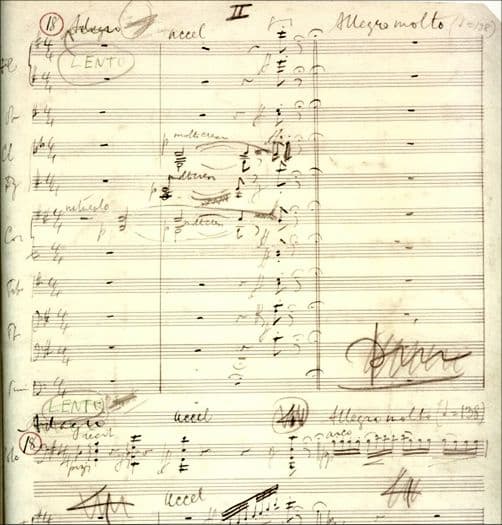
Elgar's Cello Concerto manuscript

Elgar’s Cello Concerto manuscript

His music was often seen as both traditional in its beauty and innovative in its orchestration and harmonic language. As he was writing during a time when a significant portion of the British musical establishment preferred music that adhered strictly to classical norms, he wasn’t appreciated by those with a more conservative musical palate.

While his music was rooted in tradition, it also pushed boundaries. Elgar’s music, which was controversial in his day, is now celebrated for its originality and depth. Elgar was well aware of the fact that in the evolution of culture, what was once avant-garde can become mainstream over time.


“I have no regrets, except that my music is not better known.”

Primarily known for his orchestral works, and despite significant contributions to music, Elgar long felt that his work did not achieve the universe recognition he believed it deserved. This quote likely stems from a period when Elgar was reflecting on his career, possibly near or after his retirement from active composition.

While his music was celebrated in Britain, it did not enjoy the same level of international fame accorded to his contemporaries Richard Strauss and Gustav Mahler. Elgar lived a life largely filled with personal satisfaction and acceptance; however, his deep-seated desire for broader recognition of his musical legacy did not come to pass during his lifetime.

While he initially lamented a lack of broader appreciation for his artistic vision, history has somewhat alleviated Elgar’s regret. His compositions are now seen as emblematic of English music, greatly influencing subsequent generations of composers and remaining a significant part of the classical music canon.

Elgar’s music continues to captivate audiences worldwide as an embodiment of English musical identity at a pivotal time. His music is now universally recognised as a testament of his genius, resonating through time and cementing his status as a musical icon whose impact is profound and enduring.